Exercises To Lower Blood Pressure: 15 Proven Options
Discover proven exercises like walking, strength training, and isometrics to naturally reduce high blood pressure and boost heart health.
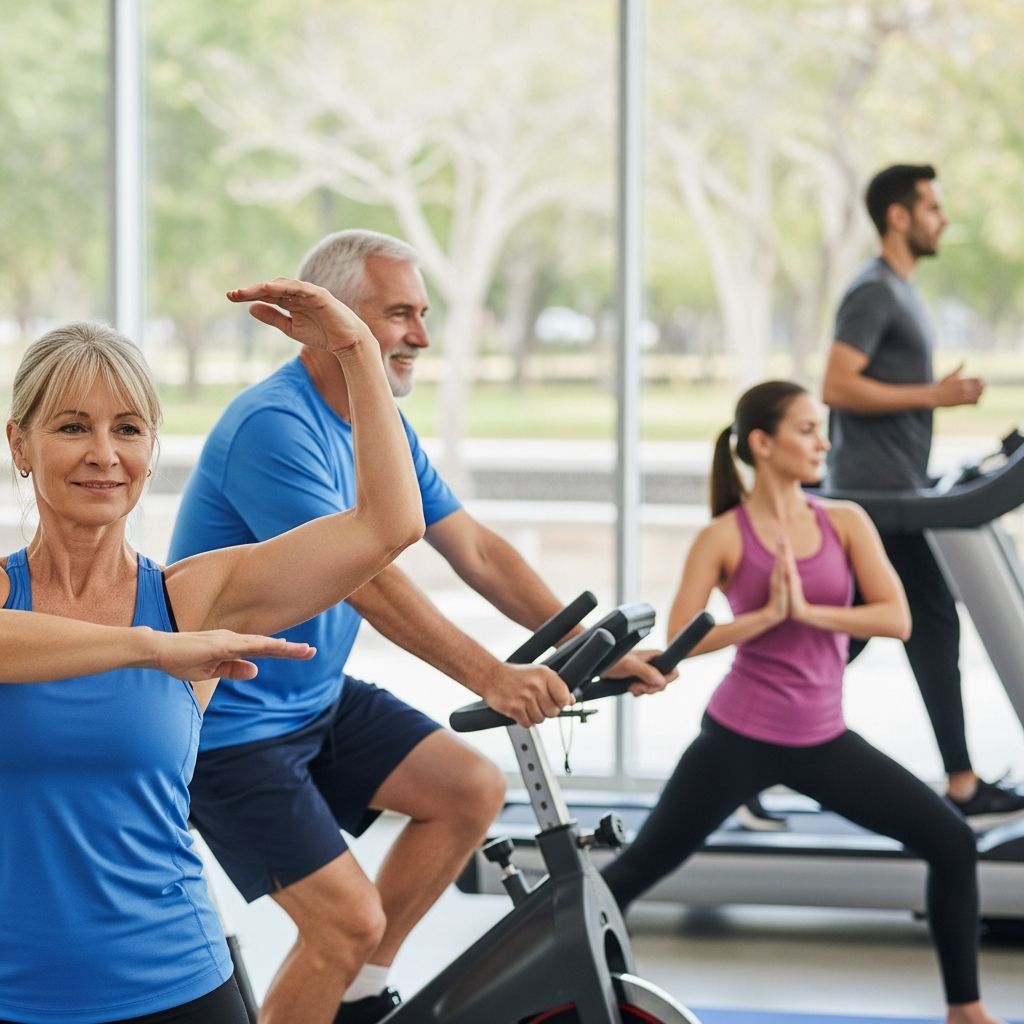
Exercises to Lower Blood Pressure
Regular physical activity is a powerful, non-drug way to manage and lower high blood pressure, also known as hypertension. Exercise strengthens the heart, improves blood vessel function, and reduces inflammation, leading to sustained reductions in systolic and diastolic blood pressure. According to research, aerobic exercise can lower systolic blood pressure by up to 12 mmHg and diastolic by 7.7 mmHg in high-quality trials. Even short sessions provide benefits, making it accessible for most people.
Why Exercise Lowers Blood Pressure
Hypertension affects millions worldwide and increases risks for heart disease, stroke, and kidney issues. Exercise counters this by enhancing endothelial function for relaxed arteries, lowering inflammation, improving stress response, and boosting heart efficiency. A meta-analysis of over 270 trials with 15,000 participants found all exercise types reduce blood pressure, with isometric exercises showing the largest effects. The American Heart Association recommends 150 minutes of moderate aerobic activity weekly, but even 5-10 minutes daily helps.
For resistant hypertension, where medications fall short, aerobic and dynamic resistance training offer promising reductions, especially in ambulatory blood pressure monitoring (ABPM) daytime and nighttime readings. Post-exercise hypotension—a temporary drop after workouts—further aids management.
Aerobic Exercises
Aerobic activities elevate heart rate and are cornerstone for blood pressure control. They promote cardiovascular adaptations that lower resting pressure over time.
- Brisk Walking: Aim for 30-45 minutes most days at a pace where talking is possible but singing isn’t. Studies show walking reduces systolic pressure by 4-9 mmHg.
- Cycling: Stationary or outdoor biking for 20-30 minutes. Low-impact, it improves leg strength and circulation without joint stress.
- Swimming: 20-40 minutes of laps or water aerobics. Buoyancy eases joint load while providing resistance for full-body workout.
- Jogging or Running: For fit individuals, 20-30 minutes 3-5 times weekly. Start slow to build endurance.
Incorporate intervals: Alternate moderate effort with recovery for greater benefits. Concurrent training—mixing aerobic with resistance—yields similar or better results.
Resistance Training
Dynamic resistance builds muscle, aiding metabolism and pressure regulation. Combine with aerobics for optimal effects.
- Bodyweight Squats: 3 sets of 10-15 reps. Lowers pressure via leg muscle engagement.
- Wall Push-Ups: 3 sets of 8-12. Targets upper body without equipment.
- Lunges: Alternating legs, 10 per side. Enhances balance and strength.
- Light Dumbbell Rows: Use 3-5 lb weights, 12 reps per arm. Improves posture and back strength.
Train 2-3 days weekly, focusing on major muscles. Reductions of 4-7 mmHg in pressure noted.
Isometric Exercises
Isometrics involve static muscle holds without joint movement, emerging as highly effective. A large review found them superior for blood pressure reduction.
- Planks: Hold forearm plank 20-60 seconds, 3-5 sets. Engages core fully.
- Wall Sits: Slide down wall to 90-degree knee bend, hold 30-60 seconds. Targets quads intensely.
- Glute Bridges: Lift hips, squeeze glutes, hold 20-45 seconds.
- Handgrip Squeezes: Use stress ball, hold max contraction 2 minutes per hand, 4 times. Reduces systolic by 5.2 mmHg overall.
Perform 2-4 sessions weekly. Note: Blood pressure may rise temporarily during holds; consult doctor if uncontrolled hypertension exists. Arm isometrics show higher reductions (6.9 mmHg systolic) than legs.
Flexibility and Mind-Body Exercises
These reduce stress, a hypertension trigger, complementing physical training.
- Yoga: Poses like child’s pose, downward dog, 20-30 minutes. Lowers pressure via relaxation.
- Tai Chi: Slow movements for 30 minutes. Improves balance and mindfulness.
- Stretching: Full-body routine post-workout, hold 30 seconds per stretch.
Light-intensity yoga or Tai Chi yields daytime ABPM drops of 3.8/4.0 mmHg.
Sample Weekly Workout Plan
| Day | Activity | Duration |
|---|---|---|
| Monday | Brisk Walk + Squats | 30 min walk + 3 sets |
| Tuesday | Planks + Yoga | 20 min isometrics + 20 min yoga |
| Wednesday | Cycling + Lunges | 25 min bike + 3 sets |
| Thursday | Rest or Light Walk | 20 min |
| Friday | Swim + Wall Sits | 30 min swim + 4 holds |
| Saturday | Tai Chi + Push-Ups | 30 min + 3 sets |
| Sunday | Rest | – |
Adjust based on fitness level. Progress gradually to avoid injury.
How Much Exercise Do You Need?
Start with 150 minutes moderate aerobic weekly, plus muscle-strengthening 2 days. For isometrics, 2-minute holds per session suffice. Consistency trumps intensity; even brief activity lowers pressure. Track with a home monitor; expect gradual drops over 4-12 weeks.
Precautions and Tips
- Consult doctor before starting, especially with hypertension or conditions.
- Warm-up 5 minutes, cool-down with stretches.
- Stay hydrated; avoid caffeine pre-workout.
- Monitor pressure; stop if dizzy or chest pain.
- Combine with DASH diet low in sodium for amplified effects.
Isometrics may not suit uncontrolled hypertension due to temporary spikes.
Frequently Asked Questions (FAQs)
What is the best exercise to lower blood pressure?
Isometric exercises like planks and wall sits top recent analyses, outperforming aerobics in some studies, but a mix is ideal.
How quickly does exercise lower blood pressure?
Post-exercise hypotension occurs immediately, with sustained reductions after 4-8 weeks of regular training.
Can exercise replace blood pressure medication?
It can reduce need for some, but not replace; lifestyle changes complement meds.
Is walking enough to lower blood pressure?
Yes, 30 minutes daily brisk walking yields significant reductions, especially for beginners.
Are isometric exercises safe for seniors?
Generally yes, low-impact, but check with doctor for personalized advice.
References
- Exercise as a tool for hypertension and resistant hypertension management: A scientific statement from the American Heart Association — Smart NA, et al. American Heart Association. 2018-09-04. https://pmc.ncbi.nlm.nih.gov/articles/PMC6159802/
- The Best Exercise to Lower Your Blood Pressure? It’s Not What You Think It Is — ColumbiaDoctors. 2024 (approx., recent study cited 1990-2023). https://www.columbiadoctors.org/news/best-exercise-lower-your-blood-pressure-its-not-what-you-think-it
Similar Articles








Read full bio of medha deb