Exercising to Relax: The Science of Stress Relief
Discover how exercise reduces stress and promotes relaxation through natural biochemical changes.
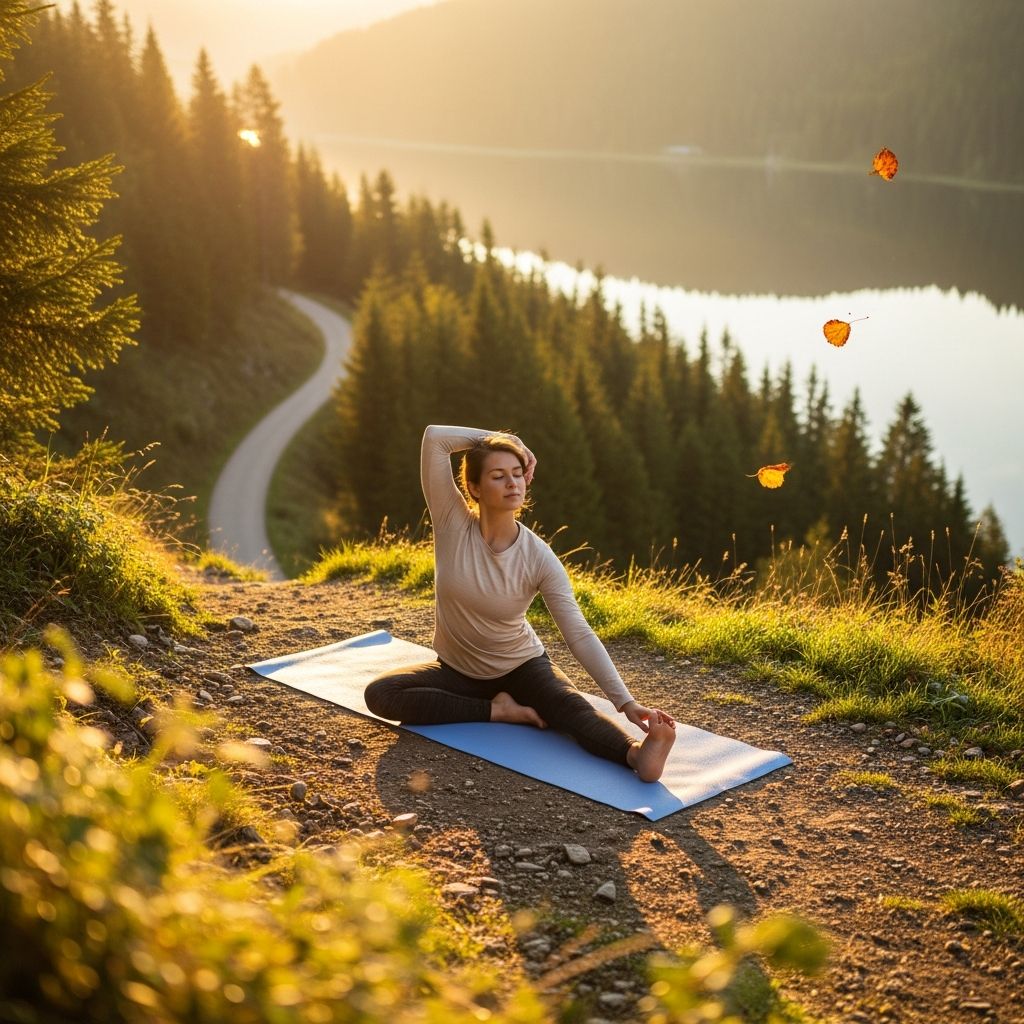
Exercising to Relax: Understanding the Connection Between Physical Activity and Stress Relief
In today’s fast-paced world, stress has become an inevitable part of daily life for many people. Whether stemming from work pressures, personal relationships, financial concerns, or health worries, chronic stress can take a significant toll on both physical and mental well-being. While many turn to medication, therapy, or other interventions to manage stress, one of the most effective and accessible tools available is often overlooked: exercise. The relationship between physical activity and relaxation is deeply rooted in science, offering a natural and powerful way to combat stress and achieve a state of calm.
Exercise is far more than just a means to build muscle or lose weight. It serves as a comprehensive stress management tool that works through multiple biological pathways to promote relaxation and mental clarity. When you engage in physical activity, your body undergoes a series of remarkable changes that directly counteract the effects of stress. Understanding these mechanisms can help you harness the full potential of exercise as a relaxation strategy.
How Stress Affects Your Body
Before exploring how exercise promotes relaxation, it’s important to understand what happens to your body during stress. When you experience stress, your body enters a state of heightened alert known as the “fight or flight” response. This triggers the release of stress hormones, primarily adrenaline and cortisol, which prepare your body to respond to perceived threats. While this response can be helpful in genuinely dangerous situations, chronic activation of this system leads to sustained elevations of these hormones, resulting in increased blood pressure, muscle tension, rapid heartbeat, and mental anxiety.
The physical manifestations of stress are often accompanied by mental symptoms including racing thoughts, difficulty concentrating, irritability, and a sense of being overwhelmed. Many people find themselves trapped in a cycle where physical tension feeds mental anxiety, and mental worry perpetuates physical tension. Breaking this cycle is essential for maintaining both short-term well-being and long-term health.
The Biochemistry of Exercise-Induced Relaxation
One of the primary ways exercise promotes relaxation is through the reduction of stress hormones. As you engage in regular physical activity, your body decreases the production of adrenaline and cortisol, the chemicals responsible for the stress response. Simultaneously, exercise stimulates the production of endorphins—natural chemicals in your brain that act as mood elevators and natural painkillers. This biochemical shift creates a more relaxed physiological state, reducing the physical symptoms of stress like muscle tension and elevated heart rate.
Beyond hormone and endorphin regulation, exercise triggers numerous other beneficial changes in brain chemistry. Physical activity increases the production of neurotransmitters including serotonin, norepinephrine, and dopamine. These neurotransmitters are responsible for regulating mood, motivation, and focus. In fact, the effects of exercise on these neurotransmitters are so profound that researchers have compared them to the mechanisms of psychiatric medications. This is why regular exercise can be particularly effective for managing anxiety, depression, and other stress-related conditions.
Additionally, exercise increases cerebral blood flow, which creates more capillaries and blood vessels in the brain. This enhanced blood flow not only delivers more oxygen and nutrients to brain cells but also promotes the production of brain-derived neurotrophic factor (BDNF), often referred to as “brain fertilizer.” BDNF supports the health and longevity of existing neurons while encouraging the creation of new nerve cells, a process known as neurogenesis. This ongoing brain health maintenance is one of the most significant long-term benefits of regular exercise.
The Role of Mindfulness in Exercise-Based Relaxation
While the biochemical benefits of exercise are substantial, the mental component of physical activity adds another layer of relaxation benefits. When you exercise with intentional awareness rather than simply going through the motions, you enhance the relaxation response significantly. This mindfulness approach involves paying close attention to physical sensations during exercise—noticing your feet hitting the ground, the rhythm of your breathing, or the feeling of wind on your skin.
This focused attention serves multiple purposes. First, it interrupts the cycle of negative or racing thoughts that often accompany stress and anxiety. Rather than ruminating about worries or problems, your mind becomes anchored in the present moment through physical sensation. Second, this mindfulness component accelerates improvements in physical fitness while simultaneously providing faster relief from mental stress. Third, it can help calm an overactive nervous system, particularly for those dealing with trauma or post-traumatic stress disorder.
The combination of physical movement with mindful awareness creates a powerful synergy. Instead of allowing your mind to wander during exercise, you become fully present in your body’s experience. This presence naturally reduces anxiety because anxiety thrives on worry about the future; by anchoring yourself in the present moment, you create a space where anxiety cannot flourish.
Physical Changes That Promote Relaxation
Exercise promotes relaxation not only through brain chemistry but also through physical changes in the body. When you exercise, you experience temporary muscle tension followed by relaxation as your body returns to baseline. More importantly, regular exercise trains your muscles to relax more effectively even in situations where stress occurs. This improved muscle relaxation response is significant because physical tension and mental stress are deeply interconnected—when your body feels better, your mind naturally follows suit.
Cardiovascular benefits from regular exercise also contribute to relaxation. Over time, consistent physical activity lowers resting heart rate, reduces blood pressure, and improves the heart’s ability to regulate its rhythm. These improvements mean that your body’s baseline state becomes calmer and more relaxed. You literally reprogram your physiology to be more relaxed at rest, which means you start from a lower stress baseline even before additional stressors occur.
Different Types of Exercise for Relaxation
Not all exercise is created equal when it comes to relaxation benefits. While any physical activity that gets you moving provides some benefit, certain types of exercise are particularly effective for promoting calm and stress relief.
Aerobic Exercise: Activities like walking, running, swimming, and cycling are particularly effective at reducing stress hormones and boosting mood-regulating neurotransmitters. A landmark study from Harvard T.H. Chan School of Public Health found that running for just 15 minutes a day or walking for an hour may reduce the risk of major depression by 26 percent. Even short bursts of aerobic activity—as brief as a 15-minute walk—can clear your mind, improve mood, and boost energy levels.
Cross-Movement Exercises: Exercises involving coordinated cross-movement that engage both arms and legs—such as walking in sand, running, swimming, weight training, or dancing—are particularly beneficial for nervous system regulation and can be especially helpful for those dealing with trauma or PTSD.
Relaxing Evening Exercise: If you prefer exercising at night, gentler activities like yoga or stretching are ideal choices as they promote better sleep without overstimulating your nervous system.
The Timing and Duration of Exercise
One of the most encouraging findings about exercise for relaxation is that you don’t need to be a fitness enthusiast to experience benefits. Even modest amounts of physical activity can make a meaningful difference in stress levels and overall mental health. Short bursts of activity—even just five minutes—can provide immediate stress relief and mood elevation.
The timing of exercise also matters. Morning or afternoon exercise can help regulate sleep patterns, ensuring you fall asleep more easily at night. Starting with just a few minutes of exercise daily and gradually increasing duration as you feel more energized is a realistic and sustainable approach. The key is consistency rather than intensity; regular moderate activity provides more sustained benefits than occasional intense workouts.
Beyond Immediate Stress Relief: Long-Term Mental Health Benefits
While the immediate relaxation effects of exercise are valuable, the long-term mental health benefits are equally important. Research demonstrates that exercise can treat mild to moderate depression as effectively as antidepressant medication—without the associated side effects. Beyond treating depression, regular exercise builds psychological resilience, helping you cope with mental and emotional challenges in healthier ways.
Regular physical activity also improves sleep quality, reduces fatigue, and increases overall energy levels—benefits that create a positive feedback loop. As you feel better and have more energy, you’re more likely to continue exercising, which further improves your mental state. This upward spiral contrasts sharply with the downward spiral of stress, fatigue, and inactivity that often characterizes untreated stress.
Additionally, exercise enhances self-image and body confidence, which further reduces stress and anxiety. As you become more active, experience increased strength, and see positive changes in your body, your self-worth naturally improves. This boost in self-confidence extends beyond physical appearance, creating a stronger sense of control, peace, and optimism in your life.
Overcoming Common Barriers to Exercise
One of the most common objections to exercise as a stress-relief tool is fatigue. Many people in stressful situations feel exhausted and believe that exercising will only make them feel worse. However, this belief contradicts scientific evidence. Physical activity is actually a powerful energizer, and regular exercise can dramatically reduce fatigue and increase overall energy levels. The key is starting small: if you’re truly exhausted, commit to just a five-minute walk. In most cases, once you get moving, you’ll gain enough energy to continue for a longer duration.
Another barrier is the perception that you need significant time or money to exercise effectively. The truth is that many of the most effective relaxation exercises—walking, jogging, swimming, yoga—require minimal equipment or cost. You can exercise outdoors for free, use bodyweight exercises at home, or follow online workout videos without expense.
Creating a Sustainable Exercise Routine for Relaxation
To maximize the relaxation benefits of exercise, consider these principles when developing your routine:
Start Small and Build Gradually: Begin with manageable amounts of activity—15 to 20 minutes several times per week—and increase as your fitness improves and it becomes a habit.
Choose Activities You Enjoy: Exercise is far more sustainable when you genuinely enjoy the activity. Whether it’s dancing, hiking, swimming, or team sports, select something you look forward to doing.
Practice Mindfulness During Exercise: Consciously focus on physical sensations—breathing, movement, environment—to deepen the relaxation benefits.
Maintain Consistency: Regular activity is more beneficial than sporadic intense workouts. Aim for most days of the week rather than occasional marathons.
Combine Different Types: Rotate between aerobic exercise, strength training, and flexibility work to maintain interest and target different relaxation mechanisms.
The Evidence: What Research Shows
The scientific foundation for exercise as a relaxation tool is robust. Studies consistently demonstrate that physical activity reduces anxiety and depression symptoms, improves mood, and promotes mental well-being. The mechanisms are well-understood and include hormone regulation, neurotransmitter production, improved sleep, enhanced self-image, and increased resilience. Perhaps most compelling is that these benefits are accessible to virtually everyone, regardless of age, fitness level, or starting point. Whether you’re managing work stress, recovering from difficult times, or simply seeking better mental health, exercise offers a scientifically-validated pathway to relaxation and well-being.
Frequently Asked Questions
Q: How much exercise do I need to see relaxation benefits?
A: You don’t need much. Even 15 minutes of activity can clear your mind and improve mood. A 2019 Harvard study found that just 15 minutes of running daily or an hour of walking weekly significantly reduced depression risk. Start with modest amounts and build gradually.
Q: What’s the best type of exercise for stress relief?
A: Any regular physical activity helps, but aerobic exercises like walking, running, and swimming are particularly effective. The key is choosing something you enjoy and will maintain consistently. Adding mindfulness—focusing on physical sensations—enhances relaxation benefits.
Q: When should I exercise if I’m stressed and exhausted?
A: Start with a short 5-minute walk or gentle activity. Contrary to intuition, physical activity energizes rather than depletes. Regular exercise dramatically reduces fatigue and increases energy levels, breaking the stress-fatigue cycle.
Q: Can exercise really work as well as medication for anxiety and depression?
A: Research shows exercise can treat mild to moderate depression as effectively as antidepressant medication, without side effects. It works by increasing mood-regulating neurotransmitters and promoting brain health through increased blood flow and BDNF production.
Q: What if I can only exercise in the evening?
A: Choose relaxing activities like yoga or gentle stretching rather than intense workouts. These activities reduce stress hormones and promote better sleep without overstimulating your nervous system.
References
- How Does Exercise Improve Mental Health? — HelpGuide.org. https://www.helpguide.org/wellness/fitness/the-mental-health-benefits-of-exercise
- The True Magic Pill: Why Exercise Outperforms Every Drug — Harvard Magazine. 2023. https://www.harvardmagazine.com/2023/harvard-scientists-exercise-science-and-health
- Boost Your Mood with Exercise: Tips from Kendal — Kendal-on-Hudson. https://kohud.kendal.org/blog/how-exercise-can-boost-your-mood-during-difficult-times/
Similar Articles








Read full bio of medha deb