Exocrine Glands: Function, Types & Health
Complete guide to exocrine glands: understanding their vital roles in body function and health.
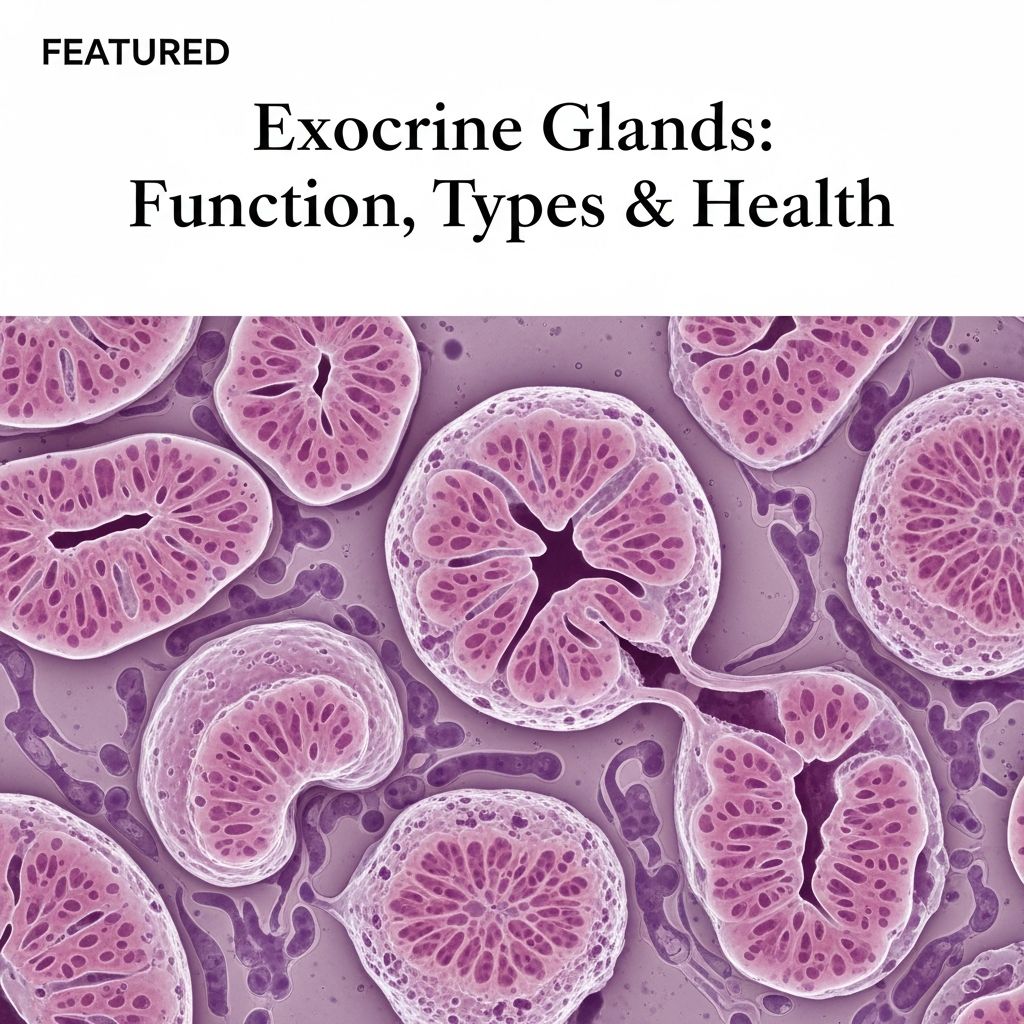
Understanding Exocrine Glands
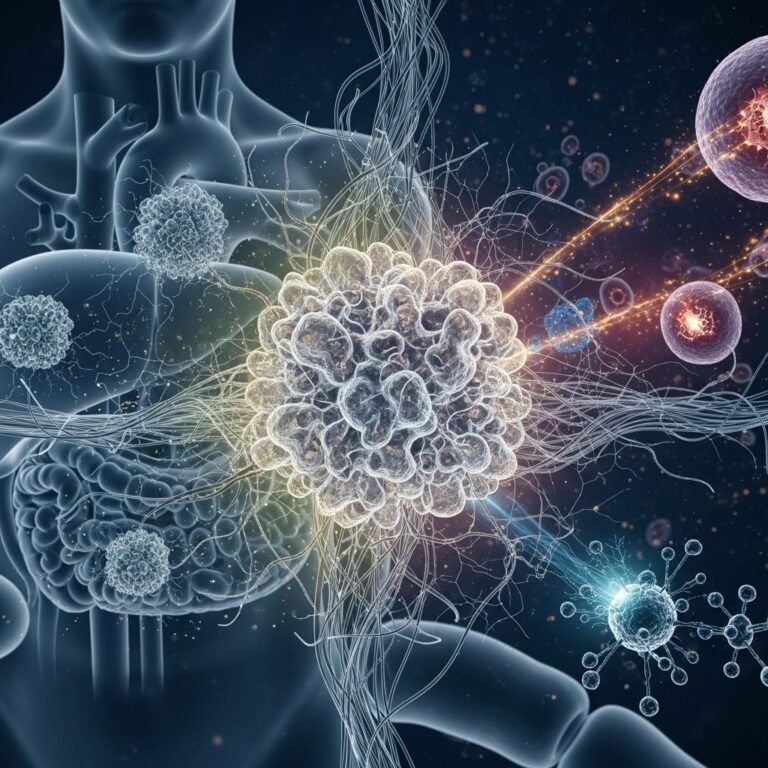
Exocrine glands are specialized tiny organs distributed throughout your body that play crucial roles in maintaining your health and well-being. These glands secrete various substances through ducts that carry these materials directly to body surfaces or into specific organs. Unlike endocrine glands, which release hormones directly into the bloodstream, exocrine glands deliver their secretions through a duct system, making them externally secreting structures.
Your exocrine system is an essential part of your body’s autonomic nervous system, which controls involuntary actions that support your overall well-being. From maintaining skin hydration to aiding digestion and supporting immune function, exocrine glands are fundamental to numerous physiological processes. Understanding how these glands work and what can go wrong with them is important for recognizing health issues early and maintaining optimal wellness.
What Are Exocrine Glands?
Exocrine glands are small but mighty organs that secrete substances designed to trigger or support specific biological processes. These glands produce and release materials such as sweat, saliva, mucus, tears, oil, and breast milk. The defining characteristic of exocrine glands is their use of a ductal system—a network of tubes that transports these secretions to the appropriate location on your skin’s surface or within your body’s cavities.
The term “exocrine” comes from the Greek words “exo” (meaning outside) and “krinein” (meaning to separate). This terminology perfectly describes how these glands function: they separate and release substances to the outside surfaces of your body or into body cavities. This mechanism distinguishes them from endocrine glands, which secrete hormones directly into the bloodstream for systemic distribution.
Key Functions of Exocrine Glands
Exocrine glands control specific functions throughout various body systems. Here are the primary regions where exocrine glands operate:
- Skin: Eccrine and apocrine sweat glands regulate body temperature and produce protective secretions
- Digestive system: Salivary glands, pancreatic glands, and intestinal glands aid in food breakdown and nutrient absorption
- Respiratory system: Mucus-secreting glands protect airways and trap pathogens
- Reproductive system: Various glands support reproductive function and lactation
- Eyes: Lacrimal glands produce tears for protection and lubrication
Types of Exocrine Glands
Exocrine glands are categorized based on their structure, secretion method, and function. Understanding these different types helps explain how your body performs its many essential functions.
Eccrine Sweat Glands
Eccrine glands, also called eccrine sweat glands, are the primary sweat glands responsible for thermoregulation. You have between 2 million to 4 million eccrine sweat glands distributed across your entire body. These glands are most densely concentrated on the palms of your hands and soles of your feet, where you can find between 250 to 500 glands per square centimeter. Eccrine glands produce clear, watery sweat composed mainly of water and electrolytes. When your body temperature rises due to physical activity, hot weather, or fever, your eccrine glands activate to produce sweat that evaporates from your skin, cooling your body and maintaining normal temperature. These glands can produce up to 4 liters of sweat in a single hour during intense heat or exertion. Unlike apocrine glands, eccrine glands become active immediately after birth, making them functional throughout your entire life.
Related Stories



Apocrine Sweat Glands
Apocrine glands are a different type of sweat gland confined to specific body regions, including the underarms (axillary region), pelvic area, and the areolar region around the nipples. Unlike eccrine glands, apocrine glands have no thermoregulatory function and do not activate until puberty. These glands produce a thicker, more protein-rich sweat that can interact with bacteria on your skin, resulting in body odor. Apocrine gland secretions are primarily triggered by emotional or sensory stimuli rather than temperature changes.
Salivary Glands
Salivary glands are exocrine glands located in and around your mouth that produce saliva. These glands keep your mouth moist, facilitate swallowing, and begin the digestive process by breaking down starches and fats. Saliva also contains antimicrobial compounds that help protect against infection.
Mammary Glands
Mammary glands are specialized exocrine glands that produce breast milk to nourish infants. These glands develop during puberty and become fully functional after childbirth, representing one of the most important exocrine gland functions in human reproduction.
Oil Glands (Sebaceous Glands)
Oil glands produce sebum, a waxy substance that protects and waterproofs your skin and hair. These glands are most abundant on your face and scalp and help maintain skin health and flexibility.
Mucus Glands
Located throughout your respiratory and digestive tracts, mucus glands produce mucus that protects delicate tissue linings, traps particles and pathogens, and facilitates movement of materials through various body passages.
Anatomy of Exocrine Glands
Understanding the structural components of exocrine glands helps explain how they function effectively. Most exocrine glands share common anatomical features:
- Secretory cells: Specialized cells that produce the gland’s secretion
- Ducts: Tubes that transport secretions from the gland to the body surface or target location
- Acini: Small sacs of secretory cells clustered together
- Supporting tissue: Connective tissue that holds the gland structure together
- Blood vessels: Supply nutrients and oxygen to the gland
- Nerve endings: Provide neural control and stimulation for secretion
How Exocrine Glands Work
Exocrine glands function through a carefully coordinated process controlled by your nervous system. When your body detects a need for a particular secretion, neural signals trigger the gland’s secretory cells to produce and release the appropriate substance. For example, when your hypothalamus detects elevated body temperature, it sends chemical messengers (neurotransmitters) that stimulate eccrine sweat glands to increase sweat production. This sweat travels through ducts to your skin surface, where it evaporates and cools your body.
Different exocrine glands respond to different triggers. Salivary glands respond to the sight, smell, or taste of food. Oil glands respond to hormonal signals, particularly during puberty and menstrual cycles. Mammary glands activate during pregnancy and after delivery. This specialization allows your body to precisely control when and where specific secretions occur.
Exocrine Glands vs. Endocrine Glands
While both exocrine and endocrine glands are important for body function, they operate through different mechanisms:
| Characteristic | Exocrine Glands | Endocrine Glands |
|---|---|---|
| Secretion method | Through ducts to body surface | Directly into bloodstream |
| Type of secretion | Sweat, mucus, saliva, oil, milk | Hormones |
| Target location | Local (skin, mouth, digestive tract) | Systemic (throughout body) |
| Effect timeline | Immediate local effect | Longer-lasting systemic effects |
| Examples | Sweat glands, salivary glands | Thyroid, pancreas, pituitary |
Interestingly, your pancreas functions as both an exocrine and endocrine gland. Its exocrine cells produce digestive enzymes that travel through ducts to your small intestine, while its endocrine cells (islets of Langerhans) produce insulin and glucagon, which are released directly into the bloodstream.
Common Conditions Affecting Exocrine Glands
Various conditions can affect exocrine gland function and health. Understanding these conditions helps you recognize potential problems and seek appropriate medical care.
Hyperhidrosis (Excessive Sweating)
Hyperhidrosis is a condition characterized by excessive sweating beyond what’s needed for thermoregulation. This disorder can significantly impact quality of life, affecting social interactions and causing skin breakdown. Essential hyperhidrosis represents a disorder of exocrine gland sweating in response to emotional or sensory stimuli, with the excessive secretion largely confined to the palms and soles, though it may also occur in the underarms.
Anhidrosis (Lack of Sweating)
Anhidrosis is the inability to sweat normally, which prevents your body from cooling itself effectively. This condition can be dangerous, particularly in hot environments or during physical exertion, as it increases the risk of heat exhaustion and heatstroke.
Inflammation and Infections
Exocrine glands are prone to inflammation and infections, either from direct infection or from systemic infections spreading throughout your body. Common examples include dacryoadenitis (inflammation of tear glands), sialadenitis (salivary gland infection), and folliculitis (hair follicle and oil gland infection).
Gland Blockages
Ducts can become blocked by mucus, dead cells, or other debris, preventing normal secretion. This can lead to pressure buildup and inflammation within the gland.
Tumors and Cancer
Various cancers can develop in exocrine glands, including salivary gland cancers and sweat gland carcinomas. Early detection is important for successful treatment.
Hair Loss
Conditions affecting oil glands and hair follicles can result in hair loss and scalp problems. Proper oil gland function is essential for maintaining healthy hair.
Production Imbalances
Many glands can produce too much or too little of their intended secretion. Overactive oil glands cause acne, while underactive tear glands cause dry eye syndrome. Excessive mucus production characterizes some respiratory conditions.
Autoimmune Conditions
Some autoimmune conditions specifically target exocrine glands, with Sjögren’s syndrome being a primary example. This condition causes the immune system to attack salivary and tear glands, resulting in dry mouth and dry eyes.
Maintaining Exocrine Gland Health
Taking good care of yourself is one of the best ways to keep your exocrine system healthy and functioning optimally. Consider these recommendations:
- Stay hydrated: Drink adequate water daily to support all bodily secretions
- Maintain good hygiene: Regular bathing and washing prevent bacterial overgrowth on skin
- Protect your skin: Use appropriate sunscreen and moisturizers to support skin health
- Manage stress: Stress can affect hormone levels and gland function
- Exercise regularly: Physical activity supports cardiovascular health and proper sweating function
- Eat a balanced diet: Proper nutrition supports all gland functions
- Avoid irritants: Limit exposure to harsh chemicals that can damage skin and glands
- Get adequate sleep: Sleep supports immune function and hormonal balance
- Practice good oral hygiene: Regular brushing and flossing support salivary gland health
When to See a Healthcare Provider
Contact a healthcare provider if you experience persistent sweating abnormalities, signs of infection in any gland, unexplained dry mouth or dry eyes, skin changes affecting oil glands, or any other symptoms suggesting gland dysfunction. Early medical intervention can prevent complications and improve treatment outcomes.
Frequently Asked Questions
Q: What is the main difference between exocrine and endocrine glands?
A: Exocrine glands secrete substances through ducts to body surfaces or cavities, while endocrine glands release hormones directly into the bloodstream for systemic distribution.
Q: How many sweat glands do I have in my body?
A: You have between 2 million to 4 million eccrine sweat glands distributed across your entire body, with the densest concentration on your palms and soles.
Q: At what age do eccrine sweat glands become active?
A: Eccrine sweat glands become active immediately after birth, making them functional throughout your entire life from infancy onwards.
Q: Why do apocrine glands cause body odor?
A: Apocrine glands produce a thicker, protein-rich sweat that contains compounds bacteria on your skin can break down, resulting in the characteristic odor associated with body sweat.
Q: Can exocrine gland problems be treated?
A: Yes, many exocrine gland conditions can be effectively treated through medical interventions ranging from medications and lifestyle changes to surgical procedures, depending on the specific condition.
Q: How much sweat can eccrine glands produce?
A: Eccrine glands can produce up to 4 liters of sweat in a single hour during intense heat exposure or vigorous physical exertion to maintain proper body temperature.
References
- Exocrine System: Function — Cleveland Clinic. 2022-05-06. https://my.clevelandclinic.org/health/body/22951-exocrine-system
- What Are Eccrine Glands? — Cleveland Clinic. 2024. https://my.clevelandclinic.org/health/body/eccrine-glands
- Essential hyperhidrosis—pathogenesis and treatment — Cleveland Clinic Journal of Medicine, Vol. 36, No. 2. 1969. https://www.ccjm.org/content/ccjom/36/2/79.full.pdf
- Glands: Anatomy & Function — Cleveland Clinic. 2024. https://my.clevelandclinic.org/health/body/glands
- What Is Sweat & Why Do We Sweat? — Cleveland Clinic. 2024. https://my.clevelandclinic.org/health/body/sweat
Similar Articles








Read full bio of medha deb