Exocrine System: Functions, Glands & Body Role
Understanding the exocrine system: how your body's glands produce essential secretions.
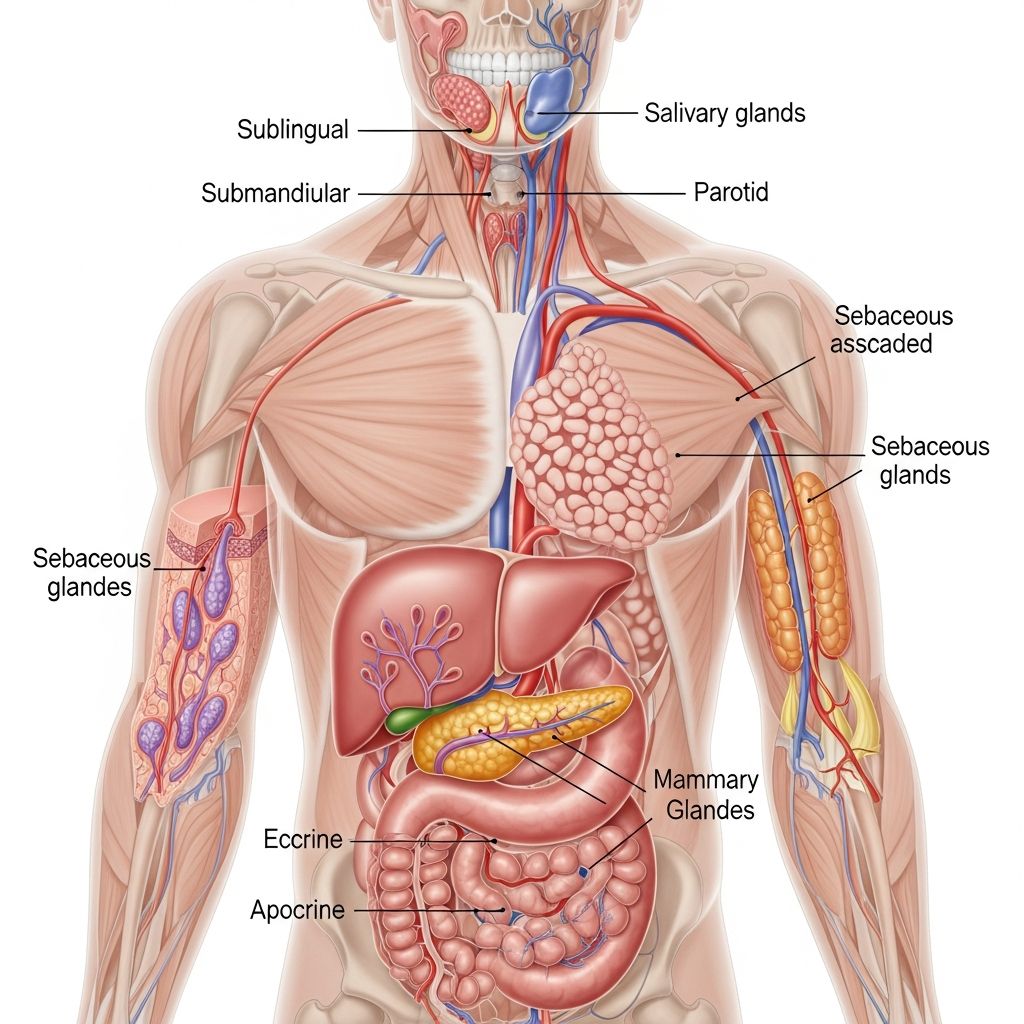
What Is the Exocrine System?
The exocrine system is a network of glands and structures throughout your body that produce and release substances essential for maintaining health and facilitating bodily functions. These glands work together to create and secrete various substances that help your body digest food, protect your skin, maintain moisture, and perform countless other vital functions. Unlike the endocrine system, which releases hormones directly into the bloodstream, the exocrine system uses a system of ducts to transport its secretions to specific locations on or within your body.
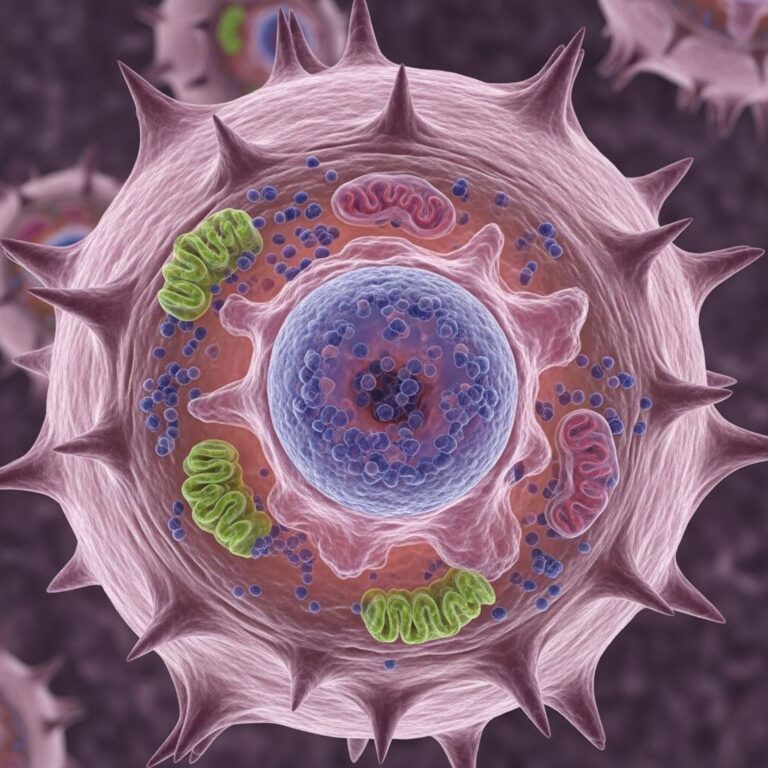
A gland is a unit of specialized cells that work together to create and secrete particular substances. The exocrine system represents one of your body’s most distributed systems, with glands located virtually everywhere from your skin to your digestive organs. Understanding how these glands function helps you appreciate the remarkable complexity of your body’s ability to maintain homeostasis and respond to environmental changes.
How the Exocrine System Works
The exocrine system operates through a straightforward but elegant mechanism: specialized cells within exocrine glands produce specific substances, which are then transported through ducts to reach their target locations. This duct system is what distinguishes exocrine glands from endocrine glands, which release hormones directly into the bloodstream without using ducts.
When exocrine glands are stimulated—whether by nerve signals, hormonal triggers, or direct physical stimulation—the cells within these glands begin producing their characteristic secretions. These secretions accumulate within the gland until they’re released through the ductal system. The rate and volume of secretion can be carefully controlled by your nervous system and various hormones, allowing your body to adjust its output based on current needs. For example, salivary glands produce more saliva when you see, smell, or taste food, and sweat glands increase their output when your body temperature rises.
Types of Exocrine Glands
Exocrine glands are classified based on their structure and the manner in which they secrete their products. Understanding these classifications helps explain how different glands serve different purposes:
Merocrine Glands
Merocrine glands, also called eccrine glands, secrete their products without losing any cellular material. The secretory vesicles within the gland cells fuse with the cell membrane and release their contents through exocytosis. This is the most common type of secretion and represents the least damaging method for gland cells. Sweat glands found on most of your body are merocrine glands, as are many salivary glands and pancreatic glands.
Apocrine Glands
Apocrine glands release their secretions by shedding portions of their cell cytoplasm, which means some cellular material is lost with each secretion. These glands are found in limited locations on your body, primarily in areas with high concentrations of hair follicles. Apocrine sweat glands, located primarily in the armpits and groin region, are examples of this gland type. The secretions from apocrine glands are thicker and more nutrient-rich than those from merocrine glands, which is why they support bacterial growth and can produce body odor.
Holocrine Glands
Holocrine glands represent the most extreme form of secretion: the entire gland cell disintegrates to release its contents. The cell’s nucleus and cytoplasm break down completely, and the cellular debris becomes part of the secretion. Sebaceous glands in your skin are holocrine glands. They produce sebum, the oily substance that protects and lubricates your skin and hair. Because these glands destroy themselves during secretion, they must continuously produce new cells to replace those lost during the secretion process.
Related Stories



Major Exocrine Glands and Their Functions
Your body contains numerous exocrine glands, each with specialized functions:
Salivary Glands
Located in and around your mouth, salivary glands produce saliva, which serves multiple purposes. Saliva contains enzymes that begin breaking down carbohydrates, lubricates food to make swallowing easier, and protects your teeth and mouth tissues from bacterial infection. The three major salivary glands are the parotid glands (in front of your ears), submandibular glands (under your jaw), and sublingual glands (under your tongue).
Sweat Glands
Distributed across your entire skin surface, sweat glands produce perspiration that helps regulate your body temperature through evaporative cooling. Beyond temperature regulation, sweat also helps eliminate certain waste products and maintains skin moisture. Your body contains millions of sweat glands, with merocrine sweat glands being the most abundant type.
Lacrimal Glands
Located above and to the side of each eye, lacrimal glands produce tears. Tears serve critical functions including keeping your eyes moist, protecting your eyes from infection through antimicrobial compounds, washing away debris, and providing emotional expression. Tears also contribute to your visual clarity by maintaining a smooth optical surface on your cornea.
Mammary Glands
Present in both males and females but primarily functional in lactating females, mammary glands produce milk to nourish infants. These modified sweat glands develop significantly during pregnancy and lactation in response to hormonal changes. Milk contains antibodies, nutrients, and other substances essential for infant development and immune system establishment.
Pancreas
The pancreas functions as both an exocrine and endocrine gland. In its exocrine role, the pancreas produces pancreatic juices containing digestive enzymes that break down proteins, fats, and carbohydrates in the small intestine. These enzymes are transported through the pancreatic ducts to the duodenum, where they continue the digestive process. The pancreas also produces bicarbonate, which neutralizes acidic chyme coming from the stomach.
Liver
The liver produces bile, which is essential for fat digestion and absorption. Bile is stored in the gallbladder and released into the small intestine through the bile ducts when fatty foods are consumed. Beyond its exocrine function, the liver also serves endocrine functions by producing various proteins and other substances released directly into the bloodstream.
Gastric Glands
Located in the stomach lining, gastric glands produce gastric juice containing hydrochloric acid, pepsin, and other substances that initiate protein digestion and create an acidic environment for optimal enzymatic function.
Functions of the Exocrine System
The exocrine system serves multiple critical functions that maintain your health and enable your body to process nutrients and respond to environmental demands:
Digestion and Nutrient Processing
Perhaps the most significant role of the exocrine system is facilitating digestion. Salivary glands initiate carbohydrate breakdown, gastric glands prepare proteins for digestion, and the pancreas and liver provide crucial enzymes and bile for complete nutrient processing in the small intestine.
Protection and Lubrication
Exocrine secretions protect your body surfaces. Tears protect your eyes, saliva protects your mouth and teeth, mucus protects your respiratory and gastrointestinal tracts, and skin oils from sebaceous glands protect your skin barrier.
Temperature Regulation
Sweat glands enable thermoregulation through perspiration, allowing your body to cool down when overheated and maintain a stable internal temperature despite environmental changes.
Immune Function
Many exocrine secretions contain antimicrobial compounds. Tears contain lysozyme, saliva contains immunoglobulins, and breast milk contains antibodies that provide passive immunity to nursing infants.
Sensory Support
Lacrimal glands produce tears that keep your eyes moist for optimal visual function, and salivary glands enable taste sensation by dissolving food compounds that stimulate taste receptors.
Comparison: Exocrine vs. Endocrine Glands
| Feature | Exocrine Glands | Endocrine Glands |
|---|---|---|
| Duct System | Have ducts that transport secretions | Ductless (release directly into bloodstream) |
| Secretion Type | Various substances (enzymes, sweat, tears, saliva, bile) | Hormones |
| Release Target | Body surfaces or cavities | Bloodstream |
| Examples | Salivary, sweat, lacrimal, mammary, pancreas, liver | Pituitary, thyroid, adrenal, pancreatic islets |
| Action Range | Local effects at the site of secretion | Systemic effects throughout the body |
Common Conditions Affecting Exocrine Glands
Because exocrine glands are distributed throughout your body, various conditions can affect their function:
Inflammation
Pancreatitis (pancreas inflammation) can impair digestive enzyme production. Sialadenitis (salivary gland inflammation) can reduce saliva production. Seborrheic dermatitis can affect sebaceous gland function.
Infections
Bacterial infections can affect salivary glands (causing parotitis), sweat glands (causing folliculitis), and other exocrine tissues. Viral infections like mumps classically affect the parotid salivary glands.
Autoimmune Disorders
Sjögren’s syndrome attacks lacrimal and salivary glands, reducing tear and saliva production. This condition causes significant dry mouth and dry eyes.
Hormonal Imbalances
Changes in hormone levels can affect exocrine gland function. For example, decreased estrogen during menopause can reduce saliva and tear production.
Insufficiency Conditions
Pancreatic exocrine insufficiency results from the pancreas not producing enough digestive enzymes, leading to malabsorption and nutritional deficiencies. Cystic fibrosis, a genetic disorder, impairs exocrine gland function throughout the body.
Tumors and Cancer
Exocrine tumors can develop in various glands, with pancreatic adenocarcinomas representing the most common type of pancreatic cancer, accounting for over 90 percent of cases. These tumors originate in the ducts of the pancreas.
Maintaining Exocrine Gland Health
Several lifestyle practices support optimal exocrine gland function:
Hydration
Drinking adequate water supports saliva and tear production, helping maintain the protective functions of these secretions.
Balanced Diet
A diet rich in essential nutrients supports all gland functions and enables proper enzyme production for digestion.
Stress Management
Chronic stress can impair salivary and sweat gland function, so stress reduction techniques may support exocrine health.
Infection Prevention
Maintaining good hygiene reduces the risk of infections affecting exocrine glands.
Regular Medical Checkups
Regular healthcare provider visits allow early detection of conditions affecting exocrine gland function.
Frequently Asked Questions
Q: What’s the difference between exocrine and endocrine glands?
A: Exocrine glands release substances through ducts onto body surfaces, while endocrine glands release hormones directly into the bloodstream. Exocrine glands secrete substances like sweat, tears, and digestive enzymes, while endocrine glands produce hormones like insulin and cortisol.
Q: Can the pancreas function as both exocrine and endocrine?
A: Yes, the pancreas has a dual role. Its exocrine function involves producing digestive enzymes transported through ducts to the small intestine. Its endocrine function involves producing hormones like insulin and glucagon that regulate blood sugar, released directly into the bloodstream.
Q: What happens if exocrine glands don’t function properly?
A: Impaired exocrine gland function can lead to various problems depending on which glands are affected. For example, pancreatic insufficiency impairs digestion, lacrimal gland dysfunction causes dry eyes, and salivary gland dysfunction causes dry mouth and difficulty swallowing.
Q: Are exocrine gland problems treatable?
A: Treatment depends on the underlying cause. Some conditions respond to medication, while others may require lifestyle modifications or specialized therapies. Your healthcare provider can recommend appropriate treatment based on your specific condition.
Q: Which exocrine glands are most important for digestion?
A: The salivary glands, stomach gastric glands, pancreas, and liver all play crucial roles in digestion. The pancreas and liver are particularly important for breaking down fats, proteins, and carbohydrates in the small intestine.
When to See a Healthcare Provider
Contact your healthcare provider if you experience persistent symptoms potentially related to exocrine gland dysfunction, including chronic dry mouth or dry eyes, difficulty swallowing, unexplained digestive problems, or skin conditions that don’t respond to standard treatment. Early evaluation and diagnosis can help identify underlying conditions affecting your exocrine glands and guide appropriate treatment to restore proper function and maintain your overall health.
References
- Exocrine Glands: Function, Examples & Types — Cleveland Clinic. 2022-05-06. https://my.clevelandclinic.org/health/body/22947-exocrine-glands
- Pancreas | Endocrine & Exocrine Functions — Britannica Encyclopedia. 2024. https://www.britannica.com/science/pancreas
- Glands: Anatomy & Function — Cleveland Clinic. 2024. https://my.clevelandclinic.org/health/body/glands
- Pancreatic and Biliary Cancer Program — Cleveland Clinic Abu Dhabi. 2024. https://www.clevelandclinicabudhabi.ae/en/cancercenter/cancer-programs/gi-cancer/pancreatic-and-biliary-cancer-program
- Pancreatic Cancer Surgery — Cleveland Clinic London. 2024. https://clevelandcliniclondon.uk/clinical-institutes/digestive-disease-surgery/pancreatic-cancer
Similar Articles








Read full bio of Sneha Tete