Exostosis: A Complete Guide To Symptoms, Diagnosis, Treatment
Understanding benign bone tumors: symptoms, diagnosis, and treatment options.
Understanding Exostosis: A Guide to Benign Bone Tumors
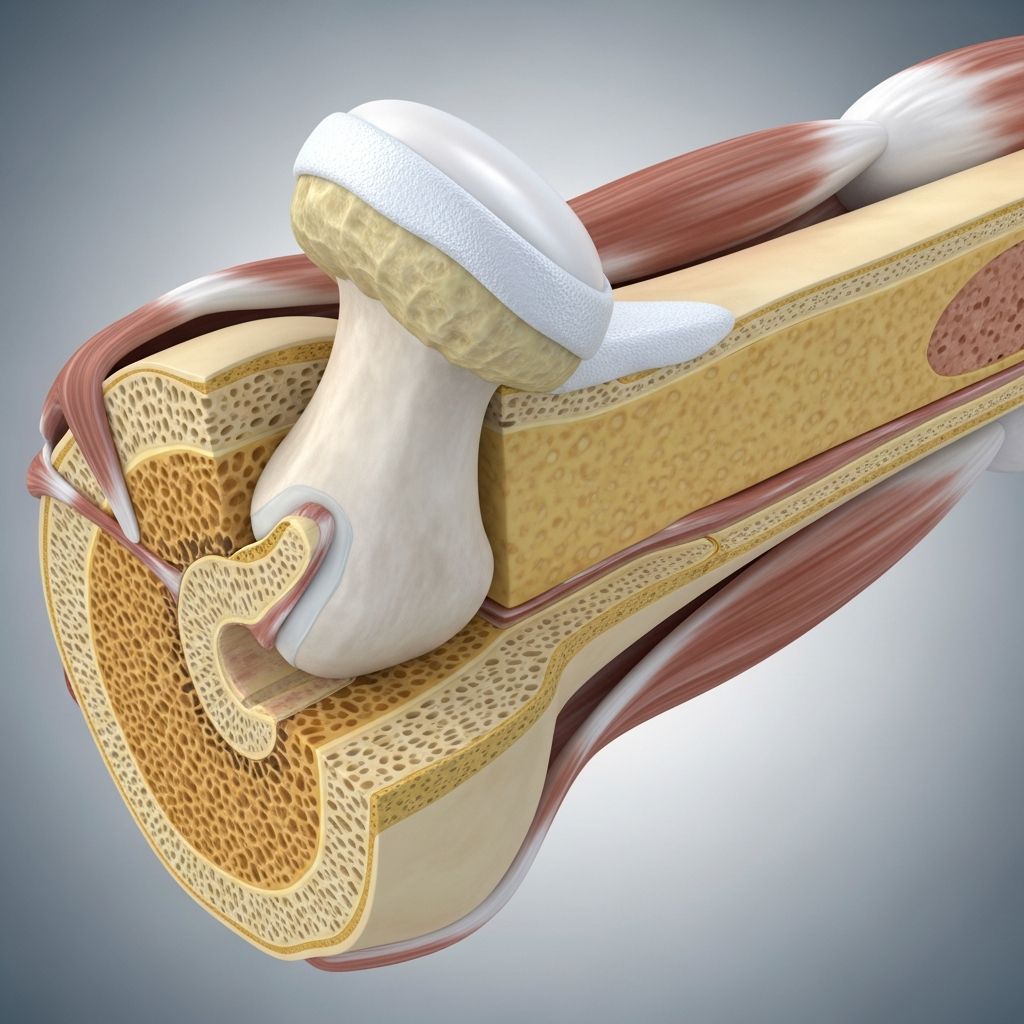
An exostosis is a benign, noncancerous bone tumor that develops as a bump or projection of bone tissue growing outward from one of your bones. These growths are also commonly known as osteochondromas or bone spurs, and they represent one of the most common benign bone tumors encountered in clinical practice. Unlike malignant tumors, exostoses are not cancerous and will not spread to other parts of your body. Many people with exostosis experience no symptoms at all and may never realize they have one, while others may develop pain or mobility issues depending on the location and size of the growth.
What Is an Exostosis?
An exostosis develops when new bone tissue forms as an outgrowth from your existing bone structure. This benign tumor sits on top of the bone rather than within it, creating a visible or palpable bump. The condition is entirely noncancerous, meaning it poses no risk of developing into cancer and does not indicate the presence of malignancy elsewhere in your body. The growth typically consists of the same bone tissue that makes up your skeleton, which is why it integrates seamlessly with your existing bone structure.
Most exostoses remain stable and do not cause any problems throughout a person’s lifetime. However, depending on where the exostosis develops on your body, it may interfere with nearby muscles, tendons, nerves, or blood vessels, potentially causing discomfort or functional limitations. This is why proper diagnosis and monitoring by a healthcare professional are essential when you notice any new bony growth on your body.
Types of Exostosis
Exostoses can develop on virtually any bone in your body, but certain locations are more common than others. Understanding the different types based on location can help you recognize symptoms and seek appropriate care.
Solitary Exostosis
A solitary exostosis is a single benign bone tumor that develops in one location. This is the most common type and typically appears in childhood or early adulthood. These isolated growths are usually painless and may go unnoticed unless they interfere with nearby structures or cause visible deformity.
Multiple Hereditary Exostoses (MHE)
Multiple hereditary exostoses, also known as hereditary multiple osteochondromas, is a genetic condition affecting approximately 1 in 50,000 children worldwide. This autosomal dominant disorder causes multiple benign bone tumors to develop throughout the skeleton during childhood and adolescence. Individuals with MHE often develop numerous exostoses that can significantly impact their quality of life and may require multiple surgical interventions, sometimes exceeding 40 to 50 procedures by early adulthood.
Exostosis in Specific Locations
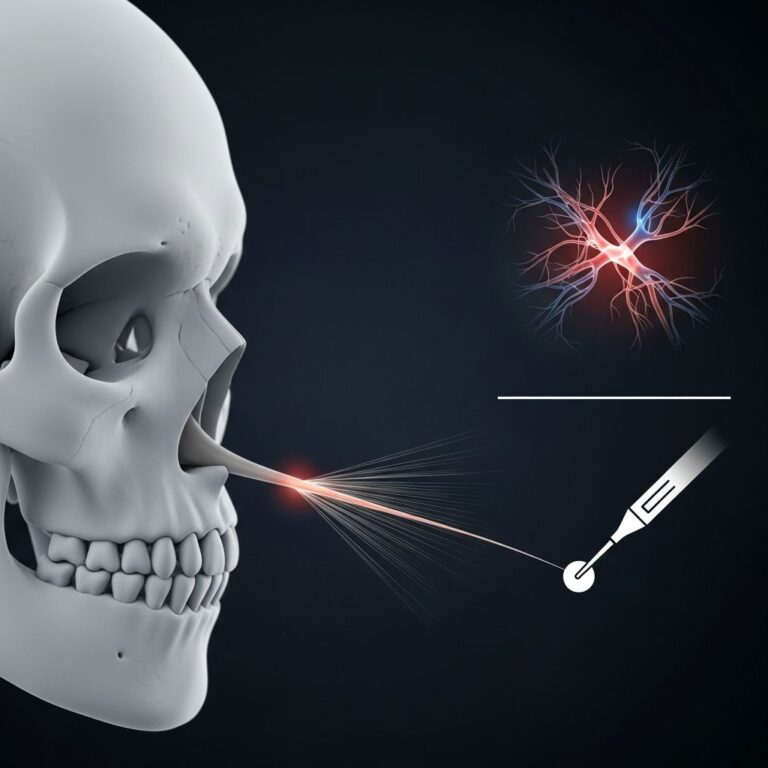
Exostoses commonly develop on the long bones of the legs and arms, including the femur, tibia, fibula, and humerus. They can also form on the feet and toes, where they may cause discomfort when wearing shoes or walking. Oral exostoses, such as torus palatinus and torus mandibularis, are benign bony overgrowths in the mouth that arise from cortical bone. Additionally, exostoses have been documented on the skull, including enlargements of the external occipital protuberance, which have been increasingly observed in young adults and may be associated with poor posture and forward head positioning.
Causes and Risk Factors
Related Stories



The exact cause of exostosis remains not entirely understood, but several factors contribute to their development. Genetics plays a significant role, particularly in cases of multiple hereditary exostoses, where a mutation in specific genes predisposes individuals to developing multiple tumors. Mechanical factors, including repetitive trauma, excessive loading on bones, and poor postural habits, may also influence exostosis formation. Recent research suggests that chronic poor posture, particularly forward head positioning, may be associated with the development of exostoses on the skull, raising concerns about modern lifestyle factors and musculoskeletal health.
Age is another consideration, as exostoses typically develop during the growth years when bones are actively expanding. While exostoses can occur at any age, they are most commonly diagnosed in children, adolescents, and young adults. Once skeletal maturity is reached and growth plates close, the development of new exostoses typically slows or ceases.
Symptoms of Exostosis
Many individuals with exostosis experience no symptoms whatsoever and may never know they have a bone tumor. However, when symptoms do occur, they vary depending on the size and location of the growth.
Common Symptoms Include:
- A visible or palpable bump on or near a bone
- Pain or tenderness at the site of the exostosis
- Pain that worsens with movement or activity involving the affected bone
- Limited range of motion in nearby joints
- Muscle weakness or atrophy in the affected area
- Nerve or blood vessel compression causing tingling, numbness, or circulation problems
- Swelling or inflammation around the growth
- Deformity or asymmetry in the affected limb
- Difficulty with certain activities or sports due to pain or mechanical interference
If an exostosis grows large enough to compress nearby nerves or blood vessels, you may experience more significant symptoms such as numbness, tingling, or weakness in the affected area. Some people report that their exostosis becomes more painful with certain movements or during periods of increased activity.
Diagnosis of Exostosis
Diagnosing an exostosis involves a combination of physical examination and imaging studies to confirm the diagnosis and assess the size and location of the growth.
Physical Examination
Your healthcare provider will begin by performing a thorough physical examination. They will look at the growth, feel it to assess its consistency and size, and ask you about any symptoms you are experiencing. They will also inquire about when you first noticed the bump, whether it has grown over time, and whether it causes any pain or functional limitations. Additionally, your provider may assess the range of motion in nearby joints and check for any neurological symptoms such as numbness or weakness.
Imaging Tests
Several types of imaging tests can be used to visualize the exostosis and surrounding bone tissue:
- X-rays: Plain radiographs are often the first imaging study performed and can clearly show bony growths projecting from the bone surface. They are particularly useful for assessing the size of the exostosis and its relationship to nearby structures.
- Computed Tomography (CT) Scans: CT imaging provides detailed three-dimensional images of the bone and surrounding tissues, offering superior visualization compared to standard X-rays. This is especially helpful for evaluating complex cases or exostoses in challenging locations.
- Magnetic Resonance Imaging (MRI): MRI can visualize both bone and soft tissues, making it particularly valuable for assessing whether an exostosis is compressing nerves, blood vessels, or muscles. MRI does not use radiation and provides excellent soft tissue contrast.
Your healthcare provider will determine which imaging studies are most appropriate based on the location of the exostosis and your specific symptoms. These tests serve to confirm the benign nature of the growth and rule out more serious conditions such as a sarcoma or other malignant tumor.
Treatment Options
Treatment for exostosis depends primarily on the location of the growth and whether it is causing you pain or functional impairment. Many people with asymptomatic exostosis require no treatment and can simply be monitored over time.
Conservative Management
If your exostosis is not causing significant symptoms, your healthcare provider may recommend a watchful waiting approach, which involves periodic monitoring to ensure the growth is not changing. During follow-up visits, your provider may order imaging studies to track whether the exostosis is growing, remaining stable, or potentially shrinking. Conservative management may also include:
- Over-the-counter pain relievers for mild discomfort
- Modifications to activities that aggravate symptoms
- Ice application to reduce inflammation and swelling
- Proper footwear if the exostosis is located on the foot
Medical Treatments
When conservative measures are insufficient, your healthcare provider may recommend additional treatment options:
- Physical Therapy: A physical therapist can design exercises to improve flexibility and strength in the affected area, potentially reducing pain and improving function. Therapy may also focus on posture correction, particularly relevant for exostoses related to poor postural habits.
- Prescription Medications: More potent pain management medications may be prescribed if over-the-counter options are inadequate for pain control.
- Cortisone Injections: In some cases, corticosteroid injections may be administered directly into the area surrounding the exostosis to reduce inflammation and pain.
Surgical Treatment
Surgery is recommended when an exostosis causes significant pain, functional impairment, or cosmetic concerns. Surgical removal is also necessary if the exostosis is compressing nerves or blood vessels or if there is concern about the growth interfering with joint function. In the case of multiple hereditary exostoses, surgery may be needed to remove numerous symptomatic tumors and address skeletal deformities such as limb length discrepancies or joint abnormalities.
The surgical procedure is typically performed under general anesthesia. The surgeon makes a small incision over the exostosis and carefully removes it at its base level with the bone. In most cases, this is a straightforward procedure that allows you to go home the same day. However, when the exostosis is located near blood vessels or nerves, the procedure may be more complex, and your surgeon will discuss any additional risks or complications specific to your situation.
Recovery from exostosis surgery is generally rapid, with most patients experiencing full recovery and no long-term complications. Your healthcare provider will give you specific post-operative instructions regarding activity restrictions, wound care, and when to return for follow-up appointments.
When to Seek Medical Attention
You should visit a healthcare provider as soon as you notice a new growth or bump on or near a bone. Early evaluation is important to confirm that the growth is indeed an exostosis and not a more serious condition. Additionally, seek medical attention if:
- An existing exostosis becomes increasingly painful
- The growth appears to be enlarging rapidly
- You develop new symptoms such as numbness, tingling, or weakness
- The exostosis interferes with your ability to move or perform daily activities
- You notice signs of infection such as redness, warmth, or drainage around the exostosis
Prognosis and Outlook
The prognosis for exostosis is generally excellent. Most people with a solitary exostosis experience no complications and lead normal, active lives. Even when surgical removal is necessary, patients typically make a full recovery with no long-term adverse effects. Recurrence of exostosis at the surgical site is uncommon when the procedure is performed correctly.
For individuals with multiple hereditary exostoses, the prognosis is more complex, as the condition requires ongoing management and potentially multiple surgical procedures. However, with appropriate medical care and monitoring, even individuals with MHE can achieve good functional outcomes and quality of life.
Frequently Asked Questions
Q: Is exostosis cancer?
A: No, exostosis is a benign, noncancerous bone tumor. It will not develop into cancer and does not indicate the presence of cancer elsewhere in your body. However, any new growth should be evaluated by a healthcare provider to confirm its nature.
Q: Can exostosis go away on its own?
A: Exostosis typically does not disappear on its own. However, growth usually stops once skeletal maturity is reached. If an exostosis is not causing problems, it can simply be monitored without requiring treatment.
Q: Is surgery always necessary for exostosis?
A: No, surgery is only recommended if the exostosis is causing significant pain, functional impairment, or cosmetic concerns. Many people with asymptomatic exostosis never require surgery.
Q: Will an exostosis come back after surgery?
A: Recurrence of exostosis at the surgical site is uncommon when the procedure is performed properly. However, individuals with multiple hereditary exostoses may develop new tumors in other locations.
Q: How is exostosis different from other bone tumors?
A: Exostosis is a benign bone tumor that grows on the surface of bone. Other bone tumors may be malignant (cancerous), grow within the bone, or behave differently. Only a healthcare provider can determine the nature of a bone tumor through examination and imaging.
Q: Can poor posture cause exostosis?
A: Recent research suggests that mechanical factors, including poor posture and forward head positioning, may contribute to the development of exostoses in certain locations, particularly on the skull. However, genetics and other factors also play important roles.
Q: What should I do if I think I have exostosis?
A: Contact a healthcare provider as soon as you notice a new bony growth. Your provider can examine the growth, perform necessary imaging studies, and determine whether treatment is needed.
References
- Exostosis: Types, Symptoms & Treatment — Cleveland Clinic. 2024. https://my.clevelandclinic.org/health/diseases/25114-exostosis
- Osteochondroma: What Is It, Symptoms & Treatment — Cleveland Clinic. 2024. https://my.clevelandclinic.org/health/diseases/21982-osteochondroma
- Advances in the pathogenesis and possible treatments for multiple hereditary exostoses — National Institutes of Health. 2020. https://pmc.ncbi.nlm.nih.gov/articles/PMC7604901/
- Hereditary Multiple Osteochondromas (Multiple Hereditary Exostoses) — Cleveland Clinic. 2024. https://my.clevelandclinic.org/health/diseases/23433-hereditary-multiple-osteochondromas
- Prominent exostosis projecting from the occipital squama in young adults’ skulls — Nature. 2018. https://www.nature.com/articles/s41598-018-21625-1
- Exostosis: Causes, Treatments, Complications, and More — WebMD. 2024. https://www.webmd.com/a-to-z-guides/what-is-exostosis
- Bony Bumps in the Mouth — Cleveland Clinic Consult QD. 2024. https://consultqd.clevelandclinic.org/bony-bumps-in-the-mouth
Similar Articles








Read full bio of Sneha Tete