Expendable Body Parts: Which Organs Can You Actually Live Without?
Discover which body parts are truly expendable and which ones you actually need to survive.
Got Expendable Body Parts?
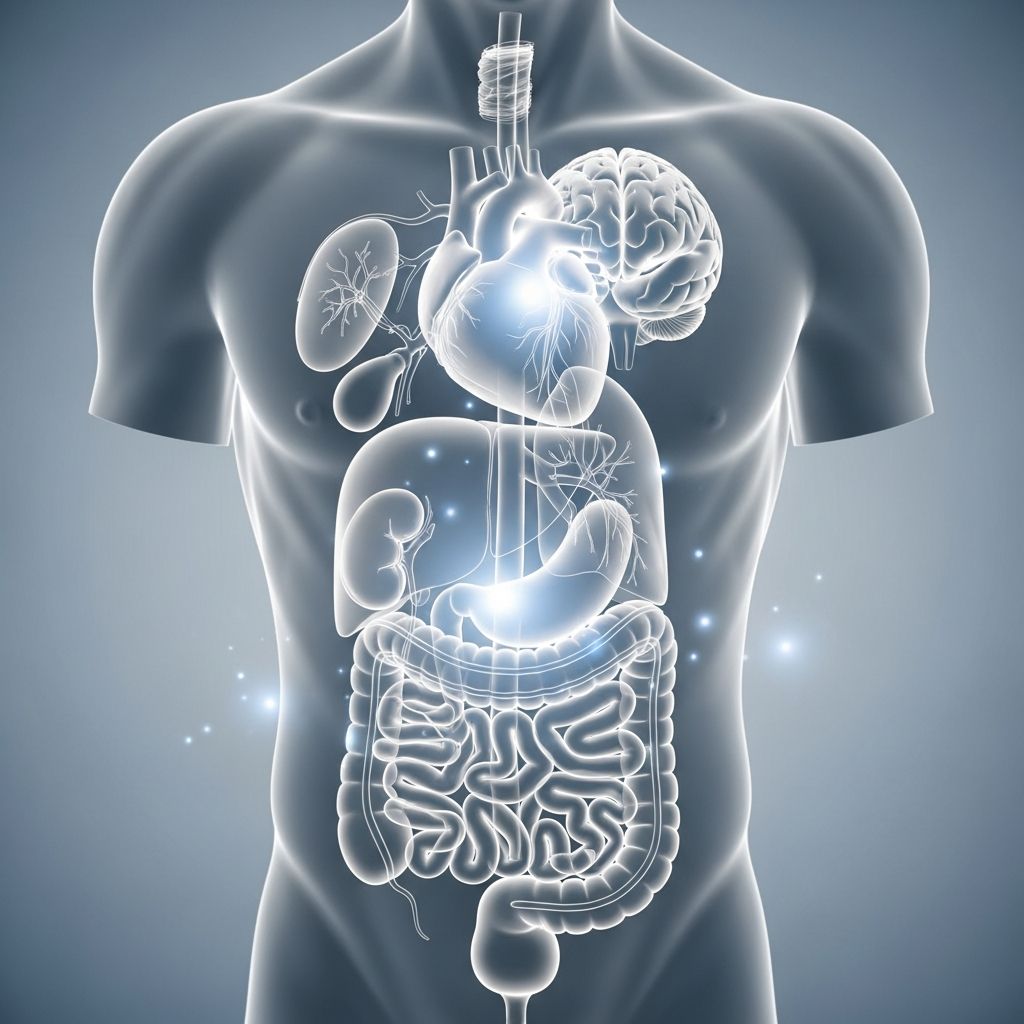
Throughout human evolution, our bodies have developed remarkably complex systems designed for survival and optimal function. However, not every structure we possess serves an equally critical purpose. Medical experts have long debated which body parts are truly essential and which ones we could afford to lose without significantly impacting our health and longevity. This exploration into human anatomy reveals surprising insights about organs many of us take for granted, challenging conventional wisdom about what we actually need to thrive.
The Appendix: A Vestigial Mystery
Perhaps the most frequently cited candidate for expendable body parts is the appendix. This small, tube-like structure attached to the large intestine has puzzled medical professionals for generations. According to anatomical research, the appendix performs minimal essential functions in modern humans, though it does contain lymphoid tissue that may provide some immune support.
Dr. Marianne Conway, assistant professor of neurobiology and anatomical sciences, notes that if the appendix is removed, “nothing really happens. You live on.” The structure becomes problematic primarily when it becomes inflamed or infected, leading to appendicitis—a painful condition that typically requires surgical removal. Millions of appendectomies are performed annually, and patients consistently report normal, healthy lives afterward.
While some researchers suggest the appendix may play a role in maintaining beneficial gut bacteria, the evidence remains inconclusive. What remains clear is that removal of the appendix has no demonstrable negative impact on survival or quality of life.
The Gallbladder: Useful but Replaceable
The gallbladder serves as a storage facility for bile, a digestive fluid produced by the liver. This pear-shaped organ concentrates bile and releases it into the small intestine to help break down fats during digestion. However, the gallbladder is far from irreplaceable.
When the gallbladder is removed—typically due to gallstones or other complications—the liver compensates by adjusting its bile production. Patients who undergo cholecystectomy (gallbladder removal) can adapt by modifying their dietary habits, particularly by reducing fat and protein intake. Most people live normal, healthy lives without experiencing significant digestive problems post-surgery, making the gallbladder another candidate for the expendable list.
Wisdom Teeth: Evolutionary Remnants
Modern humans rarely use their wisdom teeth effectively, yet we develop them as inherited remnants from our evolutionary past. These third molars served important functions for our ancestors who consumed tougher, rawer foods requiring more chewing power. In contemporary society, they frequently become impacted, infected, or misaligned, prompting extraction.
The removal of wisdom teeth typically poses no functional difficulty for mastication or digestion. Contemporary humans chew effectively with their remaining teeth, suggesting that wisdom teeth represent evolutionary baggage rather than necessary components of modern anatomy. Millions of people worldwide function perfectly well without them.
Tonsils and Immune Function
Related Stories



The tonsils, small lymphoid tissues located at the back of the throat, play a role in immune defense by filtering pathogens from air and food. However, their importance varies significantly depending on environmental and healthcare factors. In regions with advanced medical systems, access to antibiotics and vaccines diminishes the tonsils’ protective significance.
Tonsillectomies remain among the most common surgical procedures worldwide. While tonsil removal eliminates one layer of immune defense, the body compensates through other immune mechanisms. Research suggests that individuals living in developed nations with excellent healthcare can live without tonsils without experiencing substantial immune compromise, though recent studies indicate potential long-term consequences for immune function in some cases.
Hair: An Underappreciated Organ
Hair qualifies as a biological organ, though this classification might seem counterintuitive given its simple appearance. Hair provided crucial thermoregulation and protection for our ancestors, but modern humans rely on clothing and shelter for temperature maintenance. The selective distribution of hair on the human body—dense on the head and sparse elsewhere—suggests we’ve already evolved beyond needing extensive body coverage.
People living with alopecia or those who choose to shave regularly demonstrate that humans function adequately without significant hair coverage. While hair offers some protective and sensory benefits, it is hardly essential for survival, making it another candidate on the expendable body parts list.
Secondary Bones and Muscles
The human skeleton and muscular system contain redundancy built into their design. Some muscles perform functions that can be adequately handled by neighboring structures. For example, the coracobrachialis, a small muscle in the upper arm, works in conjunction with the bicep. The bicep can manage the workload quite effectively if the coracobrachialis is absent or damaged.
Similarly, certain bones provide structural support that can be distributed among remaining skeletal elements. Athletes and accident survivors who lose small bones or experience muscle damage often adapt remarkably well, demonstrating the body’s impressive capacity for compensation and functional recovery.
Partial Organ Loss and Adaptation
The human body demonstrates remarkable plasticity in its ability to function with partial organ loss. The liver, with its exceptional regenerative capabilities, can function effectively with half its mass removed. Similarly, individuals can live with one kidney instead of two, breathing adequately with one lung instead of two. The small intestine can be substantially shortened through surgical intervention or disease without completely compromising nutritional absorption.
This redundancy and adaptability reflect millions of years of evolutionary refinement, creating biological systems robust enough to withstand considerable damage while maintaining essential functions. The body’s design prioritizes survival with generous safety margins built into critical systems.
The Spleen: Uncommon But Manageable
The spleen, a fist-shaped organ roughly the size of an eggplant, sometimes requires surgical removal following traumatic injury. This organ filters blood and participates in immune function, yet people can survive and thrive without it. The liver assumes additional filtering responsibilities, and other immune structures compensate for the spleen’s absence.
Individuals who have undergone splenectomy require vaccinations against certain pathogens they can no longer effectively fight, and they must remain vigilant about potential infections. However, with appropriate medical precautions, a splenless life remains entirely viable and functional.
Contextual Necessity: How Location and Lifestyle Matter
The importance of certain body parts varies depending on geographic location, healthcare access, diet, and lifestyle factors. In regions with limited medical infrastructure, organs like tonsils provide more significant immune benefits. In developed nations with advanced healthcare, they become increasingly optional.
Similarly, dietary habits influence organ importance. People consuming high-fat diets derive greater benefit from an intact gallbladder, while those with high-sugar consumption place greater metabolic demands on the pancreas. Heavy alcohol consumers require robust liver function more than abstainers. These contextual factors demonstrate that “essential” and “expendable” exist on a spectrum rather than as absolute categories.
The Thymus: Challenging Previous Assumptions
Recent research has challenged long-held medical assumptions about the thymus gland, a butterfly-shaped organ located between the collarbones. Medical professionals historically considered the thymus expendable in adults, sometimes removing it during chest surgery to access the heart more easily. However, contemporary research from Harvard immunologists reveals this assumption may be dangerously incorrect.
Studies analyzing medical records from nearly 2,300 patients who underwent chest surgery found that those with thymus removal experienced nearly three times higher mortality rates from various causes during the following five years, along with twice the cancer risk. This groundbreaking research indicates that adult thymus function remains significantly more important than previously believed, producing new types of immune T cells essential for disease prevention and longevity. These findings underscore the necessity for reassessing which organs truly qualify as expendable.
The Reality Behind the Myth
Harvard rheumatologist Robert Shmerling emphasizes that the popular belief that “half of all body parts are unnecessary” represents a significant oversimplification. While certain structures can be removed without immediate life-threatening consequences, this does not necessarily render them truly expendable. Many organs that can be surgically removed still provide measurable health benefits during normal circumstances.
The distinction between “can live without” and “truly expendable” proves crucial. Humans can survive kidney removal, yet two kidneys provide superior health outcomes. We can live without our appendix, yet it likely serves some immune function. Understanding this nuance prevents unnecessary medical procedures and helps preserve organs that, while not absolutely essential, contribute meaningfully to long-term health and resilience.
Why Evolution Left Us These Parts
The presence of seemingly redundant or expendable body parts reflects evolutionary history rather than design inefficiency. Structures that once provided crucial survival advantages—like extensive body hair for thermoregulation or wisdom teeth for processing tough foods—persist even as human lifestyle and environment changed dramatically. Evolution operates through natural selection on existing variations; it doesn’t eliminate structures simply because they’ve become less useful.
Additionally, the redundancy and overcapacity built into many biological systems provides survival insurance. Possessing more structure than minimally necessary increases resilience to injury, disease, and environmental stress. This biological conservatism has enabled human survival through countless challenges.
Frequently Asked Questions
Q: Is it safe to have your appendix removed preventatively?
A: No. While appendicitis can be serious, the risk doesn’t justify preventative removal. Most people never develop appendicitis, and removing healthy tissue carries surgical risks without compensating benefits. Surgical intervention should only occur when the appendix becomes problematic.
Q: Can you lose significant kidney or liver function and survive?
A: Yes. Humans can function with one kidney and approximately half normal liver function. However, survival requires careful management and may necessitate lifestyle modifications or medical interventions to maintain health.
Q: Do I need my gallbladder if I eat a healthy diet?
A: While the gallbladder provides digestive advantages, particularly for fat digestion, its absence can be effectively managed through dietary modifications and the liver’s compensatory responses. A healthy diet actually reduces gallbladder problems.
Q: Should wisdom teeth be removed?
A: Extraction should depend on specific circumstances—impaction, infection, crowding, or decay. Routine preventative removal isn’t necessary. Some dentists recommend extraction of problematic wisdom teeth, while others suggest removal only when complications actually develop.
Q: Why do doctors still remove organs once considered expendable?
A: Often because these organs become diseased or problematic. Appendicitis, gallstones, or infected tonsils justify removal. Additionally, outdated medical training may perpetuate assumptions about expendability. Contemporary practice increasingly favors preserving organs when possible.
Q: Can the thymus be regrown if removed?
A: Current medical science cannot reliably regenerate the thymus in adults. Research into potential gene and cell therapies continues, but regeneration remains experimental. This underscores why unnecessary thymus removal should be avoided.
Conclusion: Rethinking Medical Necessity
The concept of “expendable body parts” requires careful reconsideration in light of advancing medical knowledge. While certain structures can technically be removed without immediate death, this does not mean they serve no purpose or that removal carries no consequences. Recent research, particularly regarding the thymus, demonstrates how previous medical assumptions about organ importance can prove dangerously incorrect.
Moving forward, medical professionals should exercise greater caution regarding organ removal, preserving structures whenever possible unless they pose active threats to health. Simultaneously, patients should understand that their bodies, shaped by millions of years of evolution, possess remarkable resilience and redundancy—allowing survival of serious injury or illness—while also maintaining systems designed for optimal long-term health and functionality.
References
- Can you name the least essential, most expendable body parts? — University of Mississippi Medical Center. 2019-05. https://umc.edu/news/Miscellaneous/2019/May/May%20CONSULT/CON052019A.html
- Doctors have long considered the thymus expendable. Could removing it be fatal? — Science Magazine. 2019. https://www.science.org/content/article/doctors-have-long-considered-thymus-expendable-could-removing-it-be-fatal
- The Myth of Unnecessary Body Parts — My Little Bird. 2024-10. https://mylittlebird.com/2024/10/the-myth-of-unnecessary-body-parts/
Similar Articles








Read full bio of medha deb