Expert Q&A: Biologics as COVID-19 Treatments?
Unraveling the paradox: Why biologics for arthritis may also combat severe COVID-19 inflammation.
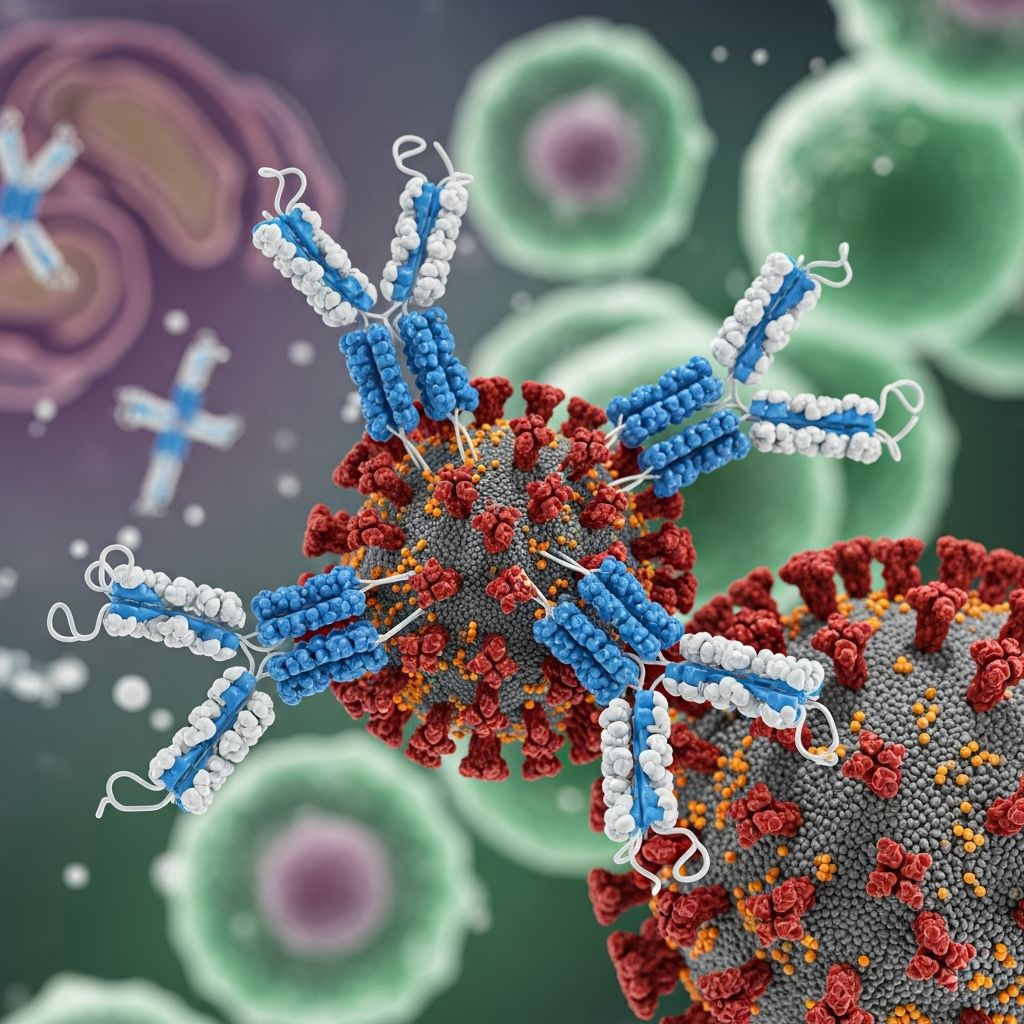
An expert explains the paradox of why
biologics
are being tested for COVID-19 treatments, even though they can increase infection risk.What Are Biologics and How Do They Relate to Arthritis?
Biologics are powerful medications derived from living organisms, designed to target specific components of the immune system. For people with inflammatory arthritis conditions like rheumatoid arthritis (RA), psoriatic arthritis, or ankylosing spondylitis, biologics such as tumor necrosis factor (TNF) inhibitors (e.g., etanercept, adalimumab), interleukin (IL)-17 inhibitors, IL-23 inhibitors, and others block overactive immune pathways that cause joint damage and pain.
These drugs have revolutionized arthritis treatment by reducing inflammation more effectively than traditional disease-modifying antirheumatic drugs (DMARDs) alone. However, by dampening immune responses, biologics carry an inherent risk of increasing susceptibility to infections, including viral ones like COVID-19. This raises a critical question during the pandemic: Should arthritis patients continue or pause their biologics?
The Paradox: Biologics Increase Infection Risk But May Treat COVID-19
Here’s the intriguing paradox at the heart of this topic. Biologics suppress parts of the immune system, potentially making users more prone to infections. Yet, in severe COVID-19 cases, the virus triggers a dangerous
cytokine storm
—a hyperinflammatory response where cytokines like TNF, IL-6, and IL-1 flood the body, leading to organ damage, acute respiratory distress syndrome (ARDS), and high mortality.Because many biologics precisely target these same cytokines, researchers hypothesized they could mitigate the cytokine storm in COVID-19 patients. Clinical trials and real-world data have tested this dual-edged nature. For instance, TNF inhibitors do not appear to heighten COVID-19 infection risk or worsen outcomes in arthritis patients, and in some cases, they may even protect against severe disease by curbing inflammation.
Evidence from Clinical Trials and Real-World Data
Extensive data from psoriasis, hidradenitis suppurativa (HS), and atopic dermatitis (AD) patients—conditions also treated with biologics—mirror findings in arthritis. Studies show no increased COVID-19 risk with TNF inhibitors, IL-12/23, IL-17, or IL-23 inhibitors. A Verona, Italy, study of 980 psoriasis patients on biologics found hospitalization and death rates comparable to the general population.
In arthritis contexts, similar patterns emerge. The risk of serious infections rises with biologics added to DMARDs, but uncontrolled arthritis poses greater harm via joint destruction. Real-world evidence indicates biologics like adalimumab (for HS and arthritis) do not elevate COVID-19 severity.
| Biologic Class | Examples | COVID-19 Infection Risk | Severe Outcome Risk | Potential Protective Effect |
|---|---|---|---|---|
| TNF Inhibitors | Etanercept, Adalimumab | No increase | No increase | May attenuate cytokine storm |
| IL-17 Inhibitors | Secukinumab | No increase | No increase | Possible in hyperinflammation |
| IL-23 Inhibitors | Guselkumab | No increase | No increase | Limited data, promising |
| IL-4/13 Inhibitors | Dupilumab | No increase | Mild cases reported | Th2 modulation potential |
Guidelines for Continuing Biologics During COVID-19
Major organizations like the American College of Rheumatology (ACR), American Academy of Dermatology (AAD), and International Eczema Association (IEC) provide clear guidance.
- For non-infected patients: Continue biologics to manage moderate-to-severe arthritis or skin conditions. Pausing risks flares and joint damage.
- Symptomatic mild COVID-19: Hold biologics temporarily; monitor closely.
- Severe COVID-19: Discontinue until recovery, but consider repurposing for cytokine storm under medical supervision.
- High-risk patients: Assess individually—vaccination, boosters, and precautions are essential.
Related Stories



The ACR emphasizes balancing infection risk with disease control. Infection rates remain low and manageable by dose adjustment or switching agents.
Biologics in Active COVID-19 Treatment Trials
Beyond continuation, biologics are frontline candidates for COVID-19 therapy. TNF inhibitors blunt hyperinflammation without impairing viral clearance. Dupilumab targets excess Th2 cytokines observed in fatal cases.
Other COVID-19 treatments like monoclonal antibodies (e.g., for prevention in immunocompromised), antivirals (Paxlovid, remdesivir), and dexamethasone complement biologics but have limitations—interactions, access, rebound infections. Biologics offer targeted relief for the inflammatory phase.
Risks Specific to Arthritis Patients
Arthritis patients on biologics face compounded risks from comorbidities (e.g., lung involvement in RA). Yet, data shows no disproportionate COVID-19 severity. Vaccines remain crucial, though efficacy may wane in immunosuppressed individuals—pair with masking and Evusheld-like prophylactics when effective.
Frequently Asked Questions (FAQs)
Q: Should I stop my biologic if I test positive for COVID-19?
A: For mild symptoms, hold the dose and consult your doctor. Severe cases warrant pause until recovery. Guidelines prioritize continuation if no infection.
Q: Do biologics make COVID-19 worse?
A: No—current data shows no increased risk of infection or severe outcomes compared to the general population.
Q: Can biologics protect against severe COVID-19?
A: Potentially yes, by targeting the cytokine storm. Trials are ongoing, with promising signals from TNF and IL inhibitors.
Q: What about vaccines on biologics?
A: Get vaccinated/boosted—they prevent severe disease even if response is muted. Time doses away from biologics if possible.
Q: Are there safer alternatives during the pandemic?
A: Methotrexate monotherapy is first-line, but biologics are essential for many. Risks are manageable.[10]
Long-Term Considerations Post-Pandemic
As COVID-19 evolves, biologics remain a cornerstone for arthritis management. Ongoing research refines their role in viral illnesses. Patients should stay informed via rheumatologists and monitor for flares.
In summary, the biologic paradox resolves through nuance: They modestly raise general infection risk but do not worsen COVID-19 and may help treat it. Prioritize vaccination, hygiene, and personalized medical advice.
References
- The Use of Biologics During the COVID-19 Pandemic — PMC / J Clin Aesthet Dermatol. 2021-05-04. https://pmc.ncbi.nlm.nih.gov/articles/PMC8166518/
- Expert Q&A: Biologics as COVID-19 Treatments? — Arthritis Foundation. 2023. https://www.arthritis.org/health-wellness/about-arthritis/related-conditions/other-diseases/expert-q-a-biologics-as-covid-19-treatments
- Arthritis and Infection Risk — Arthritis Foundation. 2024. https://www.arthritis.org/health-wellness/about-arthritis/related-conditions/other-diseases/arthritis-and-infection-risk
- COVID-19 FAQs: Medications and Treatments — Arthritis Foundation. 2024. https://www.arthritis.org/health-wellness/about-arthritis/related-conditions/other-diseases/covid-19-faqs-testing
- COVID-19 FAQs: Infection Risk and Prevention — Arthritis Foundation. 2024. https://www.arthritis.org/health-wellness/about-arthritis/related-conditions/other-diseases/covid-19-faqs-infection-risk-and-prevention
- Are Biologics and DMARDs Protective Against COVID-19? — Arthritis Foundation. 2023. https://www.arthritis.org/health-wellness/about-arthritis/related-conditions/other-diseases/expert-q-a-are-biologics-and-dmards-protective
Similar Articles








Read full bio of medha deb