Osteoarthritis Pain And COVID-19: Expert Q&A
Can COVID-19 infection worsen osteoarthritis pain? Expert insights on managing OA symptoms during and after the pandemic.
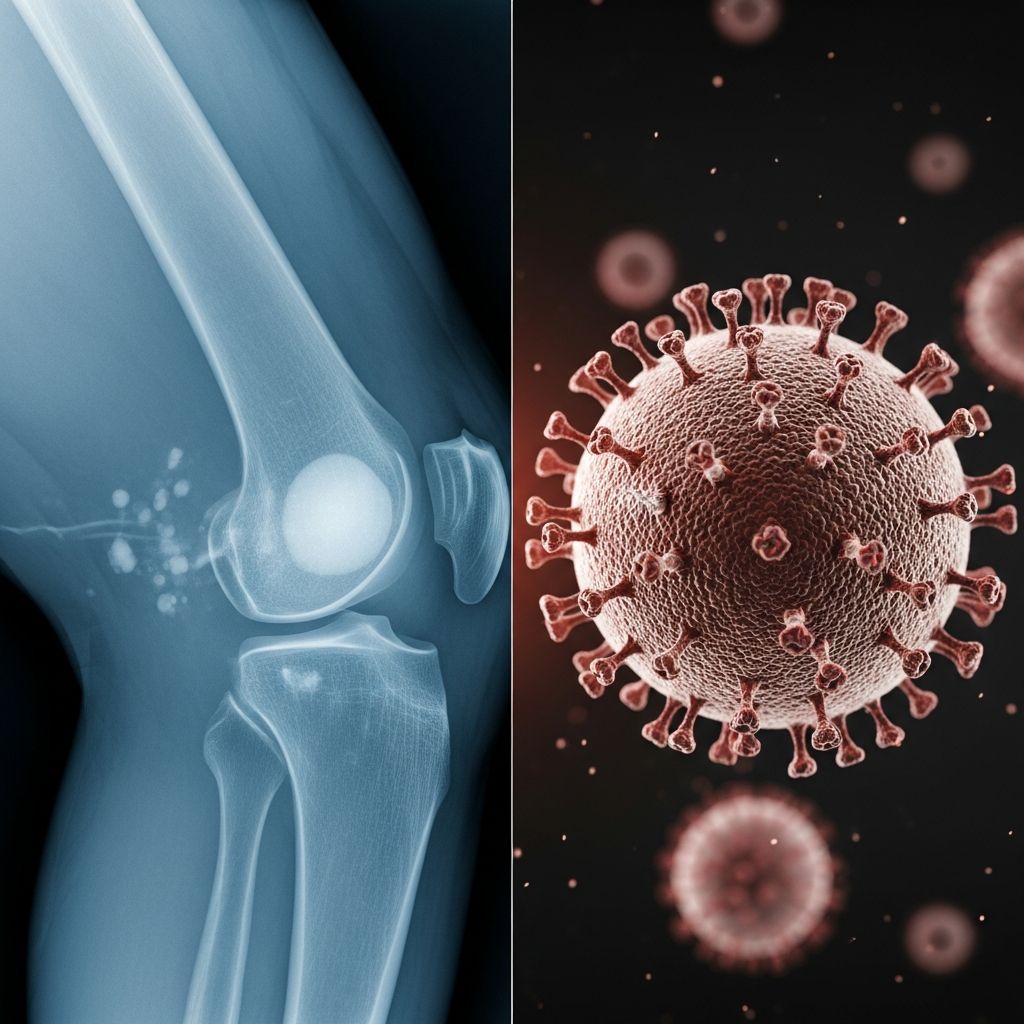
Can a COVID-19 infection cause more osteoarthritis (OA) pain? This expert Q&A addresses key concerns for the millions affected by OA, the most common form of arthritis impacting over 32.5 million adults in the U.S. alone. Drawing from clinical perspectives and patient surveys, we explore how the pandemic disrupted care, exacerbated symptoms, and influenced recovery. While OA itself does not increase COVID-19 hospitalization risk beyond general population levels, comorbidities like obesity and diabetes—common in OA patients—elevate vulnerability. The pandemic led to canceled elective surgeries, reduced physical activity, and worsened pain, but also accelerated telemedicine adoption.
Does COVID-19 Infection Increase Osteoarthritis Pain?
Yes, evidence indicates that COVID-19 infection can lead to increased OA pain. A Canadian survey of 170 arthritis patients found that nearly 40% reported moderately or severely heightened pain post-infection, alongside 50% experiencing more fatigue and 42% increased breathlessness. Cross-sectional studies confirm the pandemic’s broad negative impact on OA patients, even without infection. For instance, the REUMAVID study across seven European countries surveyed 1,800 patients with rheumatic diseases, including 17.3% with OA, revealing over 50% faced healthcare disruptions and 75% reported worsening pain.
Mechanisms include inflammation from the virus exacerbating joint pain, reduced mobility during lockdowns causing muscle wasting and stiffness, and psychological stress amplifying symptoms. A study of 63 end-stage knee/hip OA patients awaiting postponed arthroplasty showed significant rises in Visual Analog Scale (VAS) and WOMAC pain scores due to decreased activity. Patients with OA often have comorbidities like cardiovascular disease and obesity, which are risk factors for severe COVID-19 and further complicate pain management.
Impact of COVID-19 on OA Management and Healthcare Access
The pandemic profoundly disrupted OA care. Elective joint replacements were canceled globally, leading to delays that, while not progressing OA structurally, caused secondary issues like weight gain, deconditioning, and quality-of-life declines. Over 50% of REUMAVID participants had canceled rheumatology appointments, correlating with poor well-being, anxiety, and depression risks.
Positively, telemedicine and telerehabilitation surged. Many non-urgent services shifted remote, with patients willing to accept infection risks for surgery resumption. Physical therapy (PT) adapted to virtual formats, though with limitations in exercise instruction and assessment. A multimodal approach—combining education, neuromuscular exercises like the Good Life with OsteoArthritis Denmark (GLA:D) program, and pain meds—proved effective in reducing symptoms and analgesic use.
- Healthcare Disruptions: Canceled surgeries and appointments led to pain escalation and mental health declines.
- Telehealth Boom: Accelerated remote care delivery for follow-ups and rehab.
- Patient Willingness: Majority ready to proceed with joint replacements despite risks.
OA Medications and COVID-19 Risk
Early pandemic fears suggested nonsteroidal anti-inflammatory drugs (NSAIDs), common for OA, might worsen COVID-19 outcomes. However, the World Health Organization (WHO), American College of Rheumatology (ACR), and European League Against Rheumatism (EULAR) confirmed no evidence supports this. Patients should continue prescribed NSAIDs. Other OA meds like acetaminophen or topical agents pose no increased risk. For those with autoimmune arthritis (distinct from OA), outcomes improved over time with better protocols, though rheumatic patients face higher severe disease risks.
Related Stories



OA patients match general population hospitalization risks from COVID-19, but comorbidities elevate odds. A December 2020 study of 8,540 rheumatic patients showed declining ICU admissions, ventilation, and mortality from January to April 2020, thanks to evolving treatments. Reinfections pose greater risks, especially for immunocompromised individuals, underscoring vaccination and control importance.
Managing OA Symptoms During COVID-19 Outbreaks
Maintaining OA management amid outbreaks requires adaptation. Dr. Sharon Kolasinski, OA expert from Penn Musculoskeletal Center, advises continuing meds, home exercises, and addressing anxiety.
| Strategy | Benefits | Tips |
|---|---|---|
| Home Exercise | Preserves joint function, reduces stiffness | Daily walks, seated leg lifts; follow PT videos |
| Mind-Body Techniques | Lowers anxiety, improves sleep/pain | Mindfulness apps, deep breathing 10 min/day |
| Weight Management | Eases joint load | Anti-inflammatory diet: fish, veggies, limit sugar |
| Tele-PT | Access without exposure | Schedule virtual sessions for form checks |
Arthritis Foundation surveys highlight ongoing pain management challenges, with patients facing isolation and function loss. Stay active safely: indoor yoga, resistance bands. Discuss anxiety with doctors; techniques like visualization help.
Long COVID and OA: Emerging Risks
Long COVID—symptoms persisting beyond 4 weeks—affects arthritis patients disproportionately. The CDC reports over 25% of long COVID cases involve severe activity limitations. In arthritis cohorts, post-COVID poor status ratings doubled from under 20% to 50%. Fatigue, breathlessness, and pain intensification mimic OA flares, complicating differentiation. Those with rheumatic diseases face higher long COVID odds, though OA-specific data emphasizes comorbidity roles. Vaccination reduces long COVID risk, vital for OA patients.
Recovery and Outcomes for OA Patients with COVID-19
OA does not independently heighten severe COVID-19 or mortality risks versus the general population. However, shared risk factors like age over 55 (affecting 80% with OA) and metabolic conditions do. Outcomes improved progressively: later-hospitalized rheumatic patients had lower complication rates. Post-infection, prioritize rehab to counter deconditioning. Evidence-based programs like GLA:D reduce pain and sick leave.
- Lower Risk Groups: Isolated OA without comorbidities.
- Higher Risk: OA plus diabetes/obesity/CVD.
- Protective Steps: Vaccines/boosters, masks in crowds, arthritis control.
Frequently Asked Questions (FAQs)
Can COVID-19 cause more OA pain?
Yes, surveys show up to 40% of arthritis patients report worsened pain post-infection due to inflammation and inactivity.
Do OA pain meds increase COVID-19 risk?
No, WHO and ACR confirm NSAIDs are safe to continue as prescribed.
Are OA patients more likely to be hospitalized with COVID-19?
Risk matches general population; comorbidities drive higher odds.
How to manage OA during lockdowns?
Use telehealth, home exercises, mind-body practices, and maintain meds.
Does long COVID affect OA patients more?
Evidence suggests higher risk, with doubled poor status ratings post-infection.
Will delayed surgeries worsen my OA?
No structural progression, but pain and deconditioning increase; multimodal care helps.
References
- Did COVID-19 impact osteoarthritis – clinical perspective? — Endstrasser F et al., National Library of Medicine. 2021-11-01. https://pmc.ncbi.nlm.nih.gov/articles/PMC8635080/
- Expert Q&A: OA Pain and COVID-19 — Arthritis Foundation. 2022-07-29. https://www.arthritis.org/health-wellness/about-arthritis/related-conditions/other-diseases/expert-q-a-oa-pain-and-covid-19
- Seeking Clues to Long COVID — Arthritis Foundation. 2023-01-01. https://www.arthritis.org/health-wellness/about-arthritis/related-conditions/other-diseases/seeking-clues-to-long-covid
- FAQ: Managing Osteoarthritis During COVID-19 Outbreak — Arthritis Foundation. 2022-07-29. https://www.arthritis.org/health-wellness/about-arthritis/related-conditions/other-diseases/managing-osteoarthritis-during-covid-19-outbreak
- COVID-19 FAQs: Recovery and Outcomes — Arthritis Foundation. 2022-07-29. https://www.arthritis.org/health-wellness/about-arthritis/related-conditions/other-diseases/covid-19-faqs-recovery-and-outcomes
Similar Articles








Read full bio of Sneha Tete