Extended-Duration Birth Control Methods: Complete Guide In 2025
Discover how extended-duration contraceptives provide years of pregnancy prevention
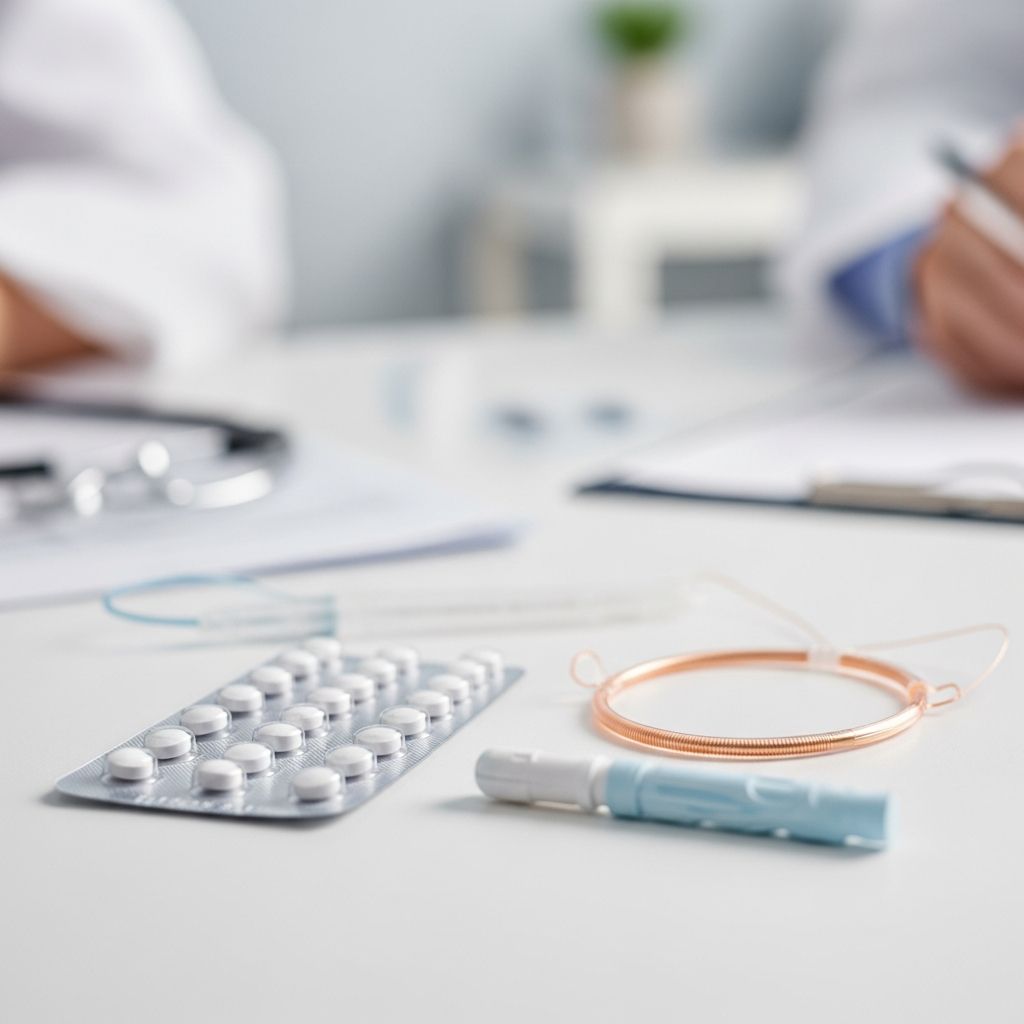
When selecting a contraceptive method, many individuals prioritize convenience, effectiveness, and minimal maintenance. Extended-duration contraceptive methods, commonly referred to as LARC (long-acting reversible contraception), represent one of the most reliable approaches to pregnancy prevention available today. Unlike daily pills, weekly patches, or monthly injections, these methods require a single insertion procedure followed by years of continuous protection without additional user action.
Extended-duration contraceptives have transformed reproductive healthcare by offering women and individuals significant flexibility in family planning. The ability to maintain protection for multiple years while remaining fully reversible addresses a critical gap in contraceptive options, bridging the gap between short-term methods and permanent procedures.
Understanding Extended-Duration Contraceptive Technology
Extended-duration contraceptive methods fall into two primary categories: intrauterine devices (IUDs) and subdermal implants. Both mechanisms operate independently of user compliance once inserted, meaning their effectiveness does not diminish due to missed doses, incorrect application, or user error.
The fundamental advantage of extended-duration methods lies in their separation of contraceptive effectiveness from behavioral factors. Traditional birth control methods rely on consistent user action—taking pills daily, applying patches weekly, or obtaining injections on schedule. Extended-duration methods eliminate this variable, resulting in effectiveness rates that closely mirror perfect-use scenarios in real-world conditions.
Intrauterine Devices: Hormonal and Non-Hormonal Options
Hormonal Intrauterine Devices
Hormonal IUDs represent a T-shaped plastic device approximately the size of a matchstick that healthcare providers insert directly into the uterus. These devices release a synthetic progestin directly into the reproductive tract, creating multiple barriers to pregnancy simultaneously.
The mechanism of action involves three primary pathways: progestin thickens cervical mucus to prevent sperm penetration, suppresses ovulation in many users, and alters the uterine lining to prevent implantation if fertilization occurs. This multi-mechanism approach contributes to the exceptional efficacy of hormonal IUDs.
Several hormonal IUD formulations exist with varying durations and hormone doses:
- Extended-capacity devices can provide protection for up to 8 years, representing the longest-lasting hormonal IUD options
- Mid-range devices typically offer 5-year protection periods
- Lower-dose variants provide 3-year coverage with reduced systemic hormone exposure
The reduction in menstrual bleeding represents one of the most significant clinical benefits of hormonal IUDs. Many users experience dramatically lighter periods or complete menstrual cessation after a few months of use, which can be particularly beneficial for individuals with heavy or painful menstruation.
Copper Intrauterine Devices
The copper IUD operates through an entirely different mechanism than hormonal devices. Rather than releasing hormones, copper creates a hostile chemical environment that immobilizes sperm and prevents fertilization.
Copper IUDs offer the extended protection duration among all reversible contraceptive methods, with some formulations maintaining efficacy for up to 12 years. This extended duration results from the sustained release of copper ions that maintain contraceptive effectiveness throughout the device’s lifespan.
A unique advantage of copper IUDs involves their function as emergency contraception. When inserted within five days of unprotected intercourse, copper IUDs prevent pregnancy with over 99% effectiveness, making them valuable for preventing unintended pregnancy after contraceptive failure or unprotected sexual activity.
Related Stories



The primary tradeoff with copper IUDs involves menstrual bleeding patterns. Rather than reducing menstrual flow like hormonal devices, copper IUDs may increase menstrual bleeding volume and cramping, particularly during the initial insertion months. Some users report that bleeding patterns normalize within several months, while others experience persistently heavier periods throughout use.
Subdermal Contraceptive Implants
Subdermal contraceptive implants represent a distinct extended-duration method utilizing a different insertion site and mechanism compared to IUDs. These devices consist of a single flexible rod, approximately the size of a matchstick, inserted just beneath the skin of the upper arm.
The implant releases a steady dose of synthetic progestin directly into the bloodstream, preventing ovulation and thickening cervical mucus. Unlike IUDs that function locally within the reproductive tract, implants work through systemic hormone delivery.
Current formulations provide three years of continuous protection before requiring replacement. The implant demonstrates the highest effectiveness rate among all contraceptive methods, with fewer than 1 pregnancy per 2,000 users annually.
Subdermal implants offer particular advantages for individuals seeking maximum discretion, as the device remains entirely invisible when inserted under the arm skin. The upper arm location remains easily accessible for healthcare provider removal without surgical intervention.
Effectiveness Comparison: Extended-Duration Methods Versus Traditional Contraceptives
Extended-duration contraceptives consistently outperform traditional contraceptive methods when evaluated across real-world conditions. The critical distinction between “perfect use” and “typical use” failure rates becomes apparent when examining contraceptive effectiveness:
- Perfect use represents theoretical effectiveness when users follow all instructions precisely and consistently
- Typical use reflects real-world effectiveness including user error, missed applications, and inconsistent use patterns
Extended-duration methods eliminate the gap between these categories entirely. Once inserted, these methods function identically regardless of user behavior or compliance patterns. The first-year failure rates for extended-duration methods are remarkably low, ranging from approximately 0.05% to 0.8% depending on the specific device.
For comparison, traditional hormonal methods demonstrate substantially higher typical-use failure rates. Birth control pills show approximately 7% failure rates with typical use, despite having less than 1% failure rates with perfect use. This discrepancy reflects the reality that missed pills, timing errors, and other user-dependent factors significantly impact contraceptive effectiveness in practice.
Advantages of Choosing Extended-Duration Contraception
Extended-duration contraceptive methods provide numerous benefits beyond simple pregnancy prevention:
- Simplified life logistics eliminate the need for ongoing prescription refills, pharmacy visits, or remembering medication schedules
- Reduced healthcare interactions minimize the frequency of medical appointments required for contraceptive management
- Cost-effectiveness when calculated across multi-year protection periods, can reduce overall reproductive healthcare expenses by nearly one-third compared to short-term methods
- Discretion allows contraceptive use without partner knowledge or visibility
- Rapid fertility return enables prompt conception attempts following device removal, with fertility typically returning within 1-2 menstrual cycles
- Therapeutic benefits for hormonal IUDs include reduction or elimination of menstrual bleeding and cramping
Considerations and Potential Disadvantages
While extended-duration contraceptives offer significant advantages, they are not universally appropriate for all individuals. Important considerations include:
- Insertion procedure requirements necessitate healthcare provider involvement and office visits
- Irregular bleeding patterns occur initially with many devices, though typically normalize within several months
- Systemic side effects from hormonal devices may include mood changes, acne, breast tenderness, or headaches
- Inadequate pregnancy testing before insertion can lead to device placement during early pregnancy
- Removal complexity requires trained healthcare provider expertise, particularly for difficult removals
- No protection against sexually transmitted infections, requiring concurrent barrier method use for STI prevention
- Increased cramping with copper IUDs, particularly during initial months following insertion
Determining Candidacy for Extended-Duration Contraception
Extended-duration contraceptive methods represent excellent options for specific populations and reproductive situations:
- Individuals not planning pregnancy for multiple years ahead
- Those prioritizing convenience and minimal maintenance contraception
- People with histories of contraceptive non-compliance with traditional methods
- Individuals seeking to reduce or eliminate menstrual bleeding (hormonal IUD candidates)
- Breastfeeding individuals requiring contraception during lactation
- Those in relationships where male partners could pursue vasectomy, as extended-duration methods and vasectomy are among the most cost-effective contraceptive combinations
Conversely, extended-duration contraceptives may be less suitable for individuals with:
- Plans to conceive within the next 1-2 years
- Specific health conditions contraindicating IUD insertion or hormone exposure
- Severe anxiety regarding medical procedures or device insertion
- Significant concerns regarding potential side effects
- Current or suspected pregnancy
The Insertion Process and What to Expect
Extended-duration device insertion occurs in an office-based setting without general anesthesia. Healthcare providers insert IUDs through the cervix into the uterine cavity, a procedure typically requiring 5-10 minutes. Some individuals experience minimal discomfort, while others report cramping or brief sharp sensations during insertion.
Subdermal implant insertion involves a minor surgical procedure creating a small incision under the arm skin, with the device placed beneath the skin surface. Local anesthesia ensures comfort during the procedure, with insertion requiring approximately 10-15 minutes.
Post-insertion care typically involves activity restriction for 24-48 hours and monitoring for infection signs or device expulsion. Most individuals resume normal activities within several days.
Frequently Asked Questions About Extended-Duration Contraceptives
What is the most effective extended-duration contraceptive?
All extended-duration methods exceed 99% effectiveness; however, subdermal implants demonstrate marginally superior efficacy, with fewer than 1 pregnancy per 2,000 users annually. Copper IUDs provide the longest protection duration, extending to 12 years in some formulations.
How quickly does fertility return after device removal?
Fertility typically returns immediately following device removal. Most individuals can attempt conception in the first menstrual cycle after removal, with ovulation resuming within days of IUD removal or implant extraction.
Can extended-duration contraceptives be used immediately after delivery?
Yes, healthcare providers can insert extended-duration contraceptives immediately following delivery, including during the postpartum period while breastfeeding. This approach prevents rapid successive pregnancies and provides convenience for recently postpartum individuals.
Do extended-duration contraceptives protect against sexually transmitted infections?
No, extended-duration contraceptives prevent pregnancy but provide no protection against sexually transmitted infections. Concurrent barrier method use (condoms) remains necessary for STI prevention.
Are extended-duration contraceptives appropriate for adolescents?
Yes, professional medical organizations support extended-duration contraceptive use in adolescents, as these methods eliminate compliance barriers particularly relevant to younger users.
Cost-Effectiveness and Long-Term Value
When evaluating contraceptive expenses across multiple years, extended-duration methods demonstrate superior cost-effectiveness compared to traditional approaches. Research indicates that levonorgestrel-releasing IUDs can reduce contraceptive costs by up to 31% compared to non-LARC methods including pills, patches, rings, and injections when calculated across their entire duration of use.
Copper IUDs and levonorgestrel IUDs rank among the most cost-effective contraceptive options available, with per-year expenses declining substantially as the duration of use extends. For individuals using contraception for multiple years, the upfront insertion costs become negligible when distributed across the device’s lifespan.
Conclusion: Evaluating Extended-Duration Contraceptive Fit
Extended-duration contraceptive methods represent transformative approaches to pregnancy prevention, offering exceptional effectiveness combined with minimal maintenance requirements and rapid reversibility. By eliminating user-dependent factors that diminish traditional contraceptive effectiveness, these methods provide reliable multi-year protection suitable for diverse reproductive intentions and lifestyle circumstances.
The choice between hormonal and copper IUDs versus subdermal implants depends on individual medical history, menstrual preferences, duration requirements, and personal comfort with different insertion locations. Healthcare provider consultation enables individualized evaluation of benefits and risks, ensuring selection of the optimal extended-duration method for each person’s unique reproductive health circumstances.
References
- Lonasa Asser OB/GYN — Lonasa Asser OB/GYN. 2024. https://www.lonasasserobgyn.com/long-acting-reversible-contraception/
- Long-acting reversible contraceptives — Wikipedia. 2025. https://en.wikipedia.org/wiki/Long-acting_reversible_contraceptives
- Which long-acting reversible contraceptive is right for you? — Texas Children’s Hospital. 2024. https://www.texaschildrens.org/content/wellness/which-long-acting-reversible-contraceptive-right-for-you
- LARC (Long-Acting Reversible Contraceptive): Overview — Cleveland Clinic. 2024. https://my.clevelandclinic.org/health/treatments/23269-larc
- Contraceptive Options and Effectiveness – Long-Acting Reversible Contraceptives — U.S. Department of Health and Human Services, Office of Population Affairs. 2024. https://www.opa.hhs.gov/long_contraceptive-options-and-effectiveness-highlight2-text-only
Similar Articles








Read full bio of medha deb