Extended-Spectrum Beta-Lactamases (ESBLs)
Understanding ESBLs: Enzymes produced by bacteria like E. coli that resist common antibiotics, complicating treatment of infections.
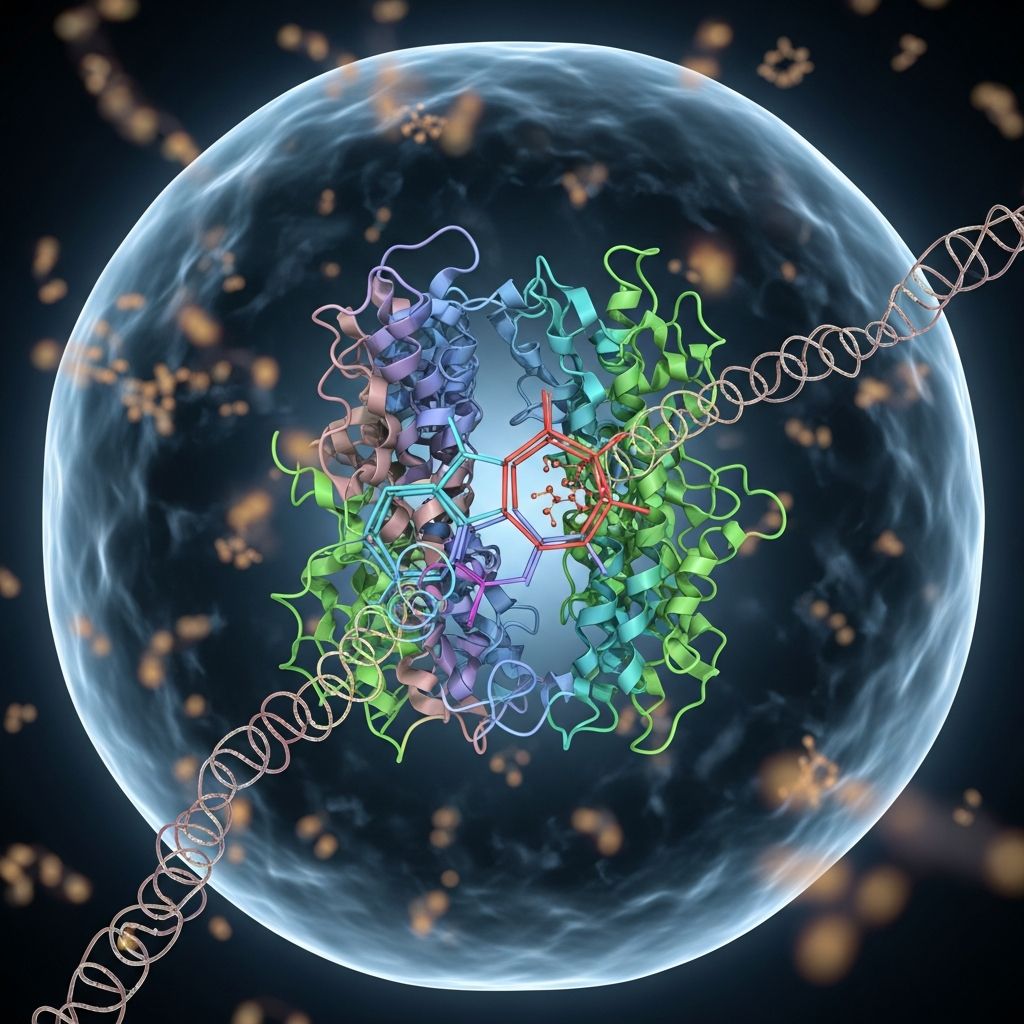
Extended-spectrum beta-lactamases (ESBLs) are enzymes produced by certain bacteria, primarily Gram-negative species like E. coli and Klebsiella, that break down beta-lactam antibiotics, leading to resistance and harder-to-treat infections.
What are extended-spectrum beta-lactamases?
ESBLs function as enzymes that bacteria produce to defend against antibiotics such as penicillins and cephalosporins, rendering them ineffective and allowing infections to persist and worsen. This resistance mechanism exemplifies the broader crisis of antimicrobial resistance, where bacteria evolve to survive common treatments, complicating clinical management.
These enzymes specifically target the beta-lactam ring, a critical structure in many antibiotics, hydrolyzing it and preventing the drug from inhibiting bacterial cell wall synthesis. While ESBLs were first identified in the 1980s, their prevalence has surged globally, driven by antibiotic overuse in healthcare, agriculture, and communities. In the United States alone, ESBL-producing Enterobacterales caused an estimated 197,400 cases among hospitalized patients in 2017, with 9,100 associated deaths, highlighting the public health threat.
Bacteria harboring ESBLs often reside harmlessly in the gut as colonizers but can cause opportunistic infections, particularly in vulnerable individuals like the elderly, immunocompromised patients, or those with recent antibiotic exposure. Common sites include the urinary tract, wounds, abdomen, and bloodstream, where they lead to urinary tract infections (UTIs), pneumonia, or sepsis.
What are ESBL-producing E. coli?
Escherichia coli (E. coli), a frequent gut commensal, is the most common producer of ESBLs, accounting for the majority of reported cases. Certain strains of E. coli have acquired genes encoding these enzymes via plasmids—mobile genetic elements that spread resistance rapidly between bacteria, even across species.
ESBL-producing E. coli typically cause UTIs, which are among the most frequent community- and hospital-acquired infections. Symptoms include painful urination, frequent urges, lower abdominal pain, and sometimes fever or blood in urine. In hospitals, these bacteria pose risks for more severe conditions like bacteremia or surgical site infections, especially post-procedure.
Risk factors for acquiring ESBL-E. coli include prior antibiotic use (which selects for resistant strains), hospitalization, travel to high-prevalence regions (e.g., parts of Asia and the Middle East), and close contact with carriers. Colonization often occurs asymptomatically in the intestines, but subsequent infections arise when bacteria translocate to sterile sites.
Can ESBL-producing E. coli be treated?
Yes, infections from ESBL-producing E. coli remain treatable, though options are limited compared to susceptible strains. Most are resistant to first- and third-generation cephalosporins, amoxicillin, and piperacillin-tazobactam, necessitating susceptibility testing via culture and sensitivity.
Effective alternatives include:
- Nitrofurantoin and fosfomycin for uncomplicated UTIs, as they concentrate in urine and retain activity.
- Carbapenems (e.g., meropenem, ertapenem) for severe infections like bacteremia or pyelonephritis, though rising carbapenem resistance (CRE) is a concern.
- Aminoglycosides (e.g., gentamicin) or trimethoprim-sulfamethoxazole if susceptible.
- Intravenous options like ceftazidime-avibactam for multidrug-resistant cases.
Treatment duration varies: 3-7 days for cystitis, 10-14 days for complicated UTIs or systemic infections. Hospitalization may be required for IV therapy, with close monitoring to avoid complications. Importantly, not all ESBL carriers need treatment—only symptomatic infections warrant antibiotics to curb further resistance.
Related Stories



| Antibiotic Class | Commonly Ineffective Against ESBLs | Potential Alternatives |
|---|---|---|
| Penicillins | Amoxicillin, Ampicillin | Carbapenems, Nitrofurantoin |
| Cephalosporins | Cefalexin, Ceftriaxone | Fosfomycin, Aminoglycosides |
| Others | Co-amoxiclav | Trimethoprim (if sensitive) |
Post-treatment, repeat cultures confirm clearance, especially in recurrent cases.
How can ESBL-producing E. coli infection be prevented?
Preventing ESBL spread requires multifaceted strategies at individual, healthcare, and community levels. Antibiotic stewardship—prescribing only when necessary, at correct doses, and for full courses—is paramount to slow resistance evolution.
- Hand hygiene: Wash hands thoroughly with soap, especially after toilet use and before eating; use alcohol sanitizers.
- Infection control in hospitals: Isolation of carriers, contact precautions (gloves, gowns), and environmental cleaning.
- Avoid unnecessary antibiotics: Complete courses only as prescribed; never share or save leftovers.
- Food safety: Cook meats thoroughly, wash produce, as ESBLs occur in food animals.
- Travel precautions: Avoid tap water, raw foods in endemic areas.
Healthcare facilities screen high-risk patients (e.g., recent admissions, antibiotic history) via rectal swabs for colonization, enabling targeted interventions. Public health efforts, like the UK’s UKHSA guidelines, emphasize surveillance and education.
What does it mean for me?
If diagnosed with ESBL-producing E. coli, your infection is treatable with tailored antibiotics, though it may differ from standard regimens. Contact your doctor if urine infection symptoms persist despite treatment, as resistance may require switching drugs.
Transmission risk is low in healthy individuals but higher via fecal-oral route during gastroenteritis. Hospitalized patients may need isolation to protect vulnerable peers. Past ESBL history should be noted for future care, as recolonization occurs.
Patients may carry ESBLs lifelong in the gut without symptoms (colonization vs. infection). Inform future providers, avoid probiotics unless advised, and practice meticulous hygiene. Recurrent UTIs? Consider low-dose prophylaxis if susceptible drugs exist.
Empower yourself: Adhere to treatments, report prior ESBLs, and advocate for stewardship. Collectively, prudent antibiotic use preserves these vital drugs.
Frequently Asked Questions (FAQs)
What causes ESBL resistance?
ESBLs are enzymes encoded by genes on plasmids, acquired through antibiotic selective pressure and horizontal transfer.
Is ESBL contagious?
Primarily via poor hygiene; not person-to-person casually, but possible in healthcare settings.
Do I need to isolate at home?
No, unless caring for high-risk individuals; focus on handwashing.
Can ESBL be cured permanently?
Colonization may persist; antibiotics treat infections, not carriage.
How common are ESBL infections?
Rising; ~197,400 US hospitalized cases in 2017.
References
- Extended-spectrum beta-lactamases (ESBLs) — Patient.info. 2023-03-16. https://patient.info/infections/antibiotics-leaflet/extended-spectrum-beta-lactamases-esbls
- Extended Spectrum Beta-Lactamases (ESBL) — UCLH NHS. Accessed 2026. https://www.uclh.nhs.uk/patients-and-visitors/patient-information-pages/extended-spectrum-beta-lactamases-esbl
- About ESBL-producing Enterobacterales — CDC. Accessed 2026. https://www.cdc.gov/esbl-producing-enterobacterales/about/index.html
- Extended Spectrum Beta Lactamases (ESBL) — SWBH NHS. 2012. https://www.swbh.nhs.uk/wp-content/uploads/2012/07/Intranet_ML5004.pdf
- Extended Spectrum Beta-Lactamase (ESBL) producing Organism — Wye Valley NHS. Accessed 2026. https://www.wyevalley.nhs.uk/about-us/our-performance/infection-prevention/extended-spectrum-beta-lactamase-esbl-producing-organism.aspx
Similar Articles








Read full bio of Sneha Tete