External Cephalic Version (ECV): Procedure & Risks
Learn about ECV, a safe procedure to turn a breech baby for a vaginal delivery.
What Is External Cephalic Version (ECV)?
External cephalic version (ECV) is a medical procedure used to turn a baby from a breech position (bottom-first) to a head-down position in the uterus. This is typically done around 37 weeks of pregnancy and is performed by a healthcare provider, usually an obstetrician. The goal of ECV is to increase the likelihood of a vaginal delivery, which is generally safer and less invasive than a cesarean section.
Why Is ECV Performed?
Most babies naturally turn head-down by the end of pregnancy, but about 3 out of every 100 babies remain in a breech position after 36 weeks. A breech presentation can complicate delivery and increase the risk of complications for both the mother and baby. ECV is offered to help avoid the need for a cesarean section, which carries higher risks than vaginal birth.
How Is ECV Performed?
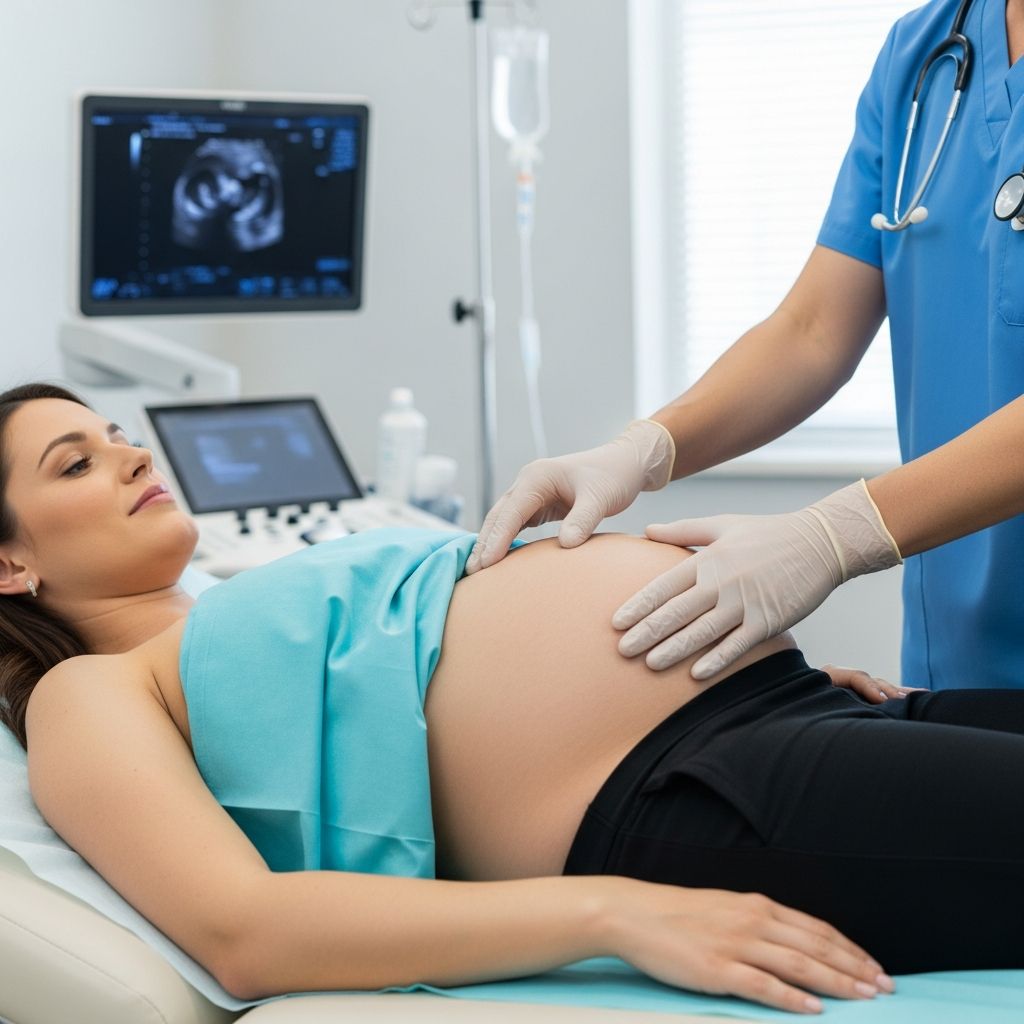
The ECV procedure is noninvasive and is performed externally. The healthcare provider will place their hands on the mother’s abdomen and apply firm pressure to gently turn the baby. The procedure typically lasts several minutes and may cause some cramping or discomfort. ECV is usually performed near an operating room in case an emergency cesarean section becomes necessary.
When Is ECV Done?
ECV is typically performed between 36 and 38 weeks of pregnancy. This timing allows the baby enough space to move while still being close enough to term for a safe delivery. If ECV is not successful, the provider may recommend a cesarean section.
What Are the Success Rates of ECV?
The average success rate of ECV is about 58%. This means that a little more than half of all ECV procedures result in the baby turning to a head-down position. Success rates can vary depending on factors such as the mother’s parity (whether she has given birth before), the position of the baby, and the experience of the provider.
What Are the Risks of ECV?
While ECV is generally safe, there are some potential risks, including:
- Fetal heart abnormalities
- Premature rupture of the membranes
- Emergency cesarean birth
- Cord prolapse
- Placental abruption
- Fetomaternal hemorrhage
- Stillbirth
- Vaginal bleeding
- Premature labor
These complications are rare, but ECV is always performed in a setting where an emergency cesarean section can be performed if needed.
What Happens If ECV Is Not Successful?
If ECV does not turn the baby, the provider will likely recommend a cesarean section. Some providers may be comfortable delivering a breech baby vaginally, but this depends on their expertise and the mother’s health history. It’s important to discuss all delivery options with your healthcare provider.
What Should You Expect During ECV?
Before the procedure, your provider will check your baby’s position and heart rate. During ECV, you may feel some discomfort or cramping. Many providers will give you medication to relax your uterus, which can make it easier to turn the baby. Pain medication is optional. After the procedure, your provider will monitor your baby’s heart rate to ensure everything is okay.
Related Stories



Can ECV Cause Labor?
Yes, ECV can sometimes cause labor to start. For this reason, the procedure is typically performed near an operating room in case an emergency cesarean section is needed.
What Are the Benefits of ECV?
The main benefit of ECV is that it can help avoid the need for a cesarean section, which carries higher risks than vaginal birth. ECV is a noninvasive procedure that can be performed in a hospital setting, making it a safe option for many pregnant women.
What Are the Contraindications for ECV?
ECV is not recommended in certain situations, including:
- Placenta praevia
- Vasa praevia
- Recent antepartum hemorrhage
- Abnormal cardiotocography
- Major fetal or uterine anomalies
- Ruptured membranes
- Hyperextended fetal head
- Growth restriction of the fetus
- Small-for-gestational-age fetus
- Proteinuric preeclampsia
- Oligohydramnios
- Major fetal anomalies
- Multiple pregnancy, except delivery of a second twin
What Factors Influence the Success of ECV?
Several factors can influence the success of ECV, including:
- Multiparity (having given birth before)
- Presenting fetal part not being engaged into the birthing parent’s pelvis
- Relaxed uterus
- Fetal head being easily palpable
- Birthing parent weight below 65 kg
- An amniotic fluid index over 10 cm
- Posterior placenta
- A lateral fetal spine position
- A complete breech fetal presentation
What Should You Discuss With Your Healthcare Provider?
It’s important to discuss the procedure with your healthcare provider to understand the risks and benefits. Your provider will listen to your concerns and help you make an informed decision about your birth plan. Delivering your baby healthy and safe is always their top priority.
Frequently Asked Questions (FAQs)
Q: Is ECV painful?
A: ECV can cause some discomfort or cramping, but many providers offer medication to relax the uterus and reduce discomfort.
Q: How long does ECV take?
A: The procedure itself lasts several minutes, but the entire process, including monitoring before and after, may take about two hours.
Q: Can ECV be repeated if it doesn’t work the first time?
A: Yes, ECV can be repeated, but the decision to do so depends on the provider’s assessment and the mother’s health.
Q: What happens if ECV is not successful?
A: If ECV is not successful, the provider will likely recommend a cesarean section.
Q: Is ECV safe?
A: ECV is generally safe when performed by experienced practitioners in a hospital setting with emergency facilities available.
References
- External Cephalic Version (ECV): Procedure & Risks — Cleveland Clinic. 2022. https://my.clevelandclinic.org/health/treatments/22979-ecv
- Breech Baby: Causes, Complications, Turning & Delivery — Cleveland Clinic. 2022. https://my.clevelandclinic.org/health/diseases/21848-breech-baby
- Fetal Positions For Birth: Presentation, Types & Function — Cleveland Clinic. 2022. https://my.clevelandclinic.org/health/articles/9677-fetal-positions-for-birth
Similar Articles








Read full bio of Sneha Tete