Extracorporeal Membrane Oxygenation (ECMO): Life Support for Critical Care
Advanced life support technology that oxygenates blood when heart and lungs fail.
What is ECMO?
Extracorporeal membrane oxygenation (ECMO) is an advanced form of life support technology used for patients whose heart and lungs are too sick or weak to perform their normal functions. The term “extracorporeal” refers to processes occurring outside the body, while “membrane oxygenation” means adding oxygen to the blood and removing carbon dioxide. ECMO acts as a modified heart-lung bypass machine, allowing blood to bypass the damaged organs temporarily while they have a chance to heal.
Unlike traditional heart-lung bypass machines used during surgery, ECMO can be used for extended periods, making it an invaluable tool for critically ill patients. The system works by pumping blood out of the body through specially placed tubes called cannulas, circulating it through a machine that adds oxygen and removes carbon dioxide, and then returning the oxygenated blood to the body. This external support allows the heart and lungs to rest and recover from serious illness or injury.
How ECMO Works
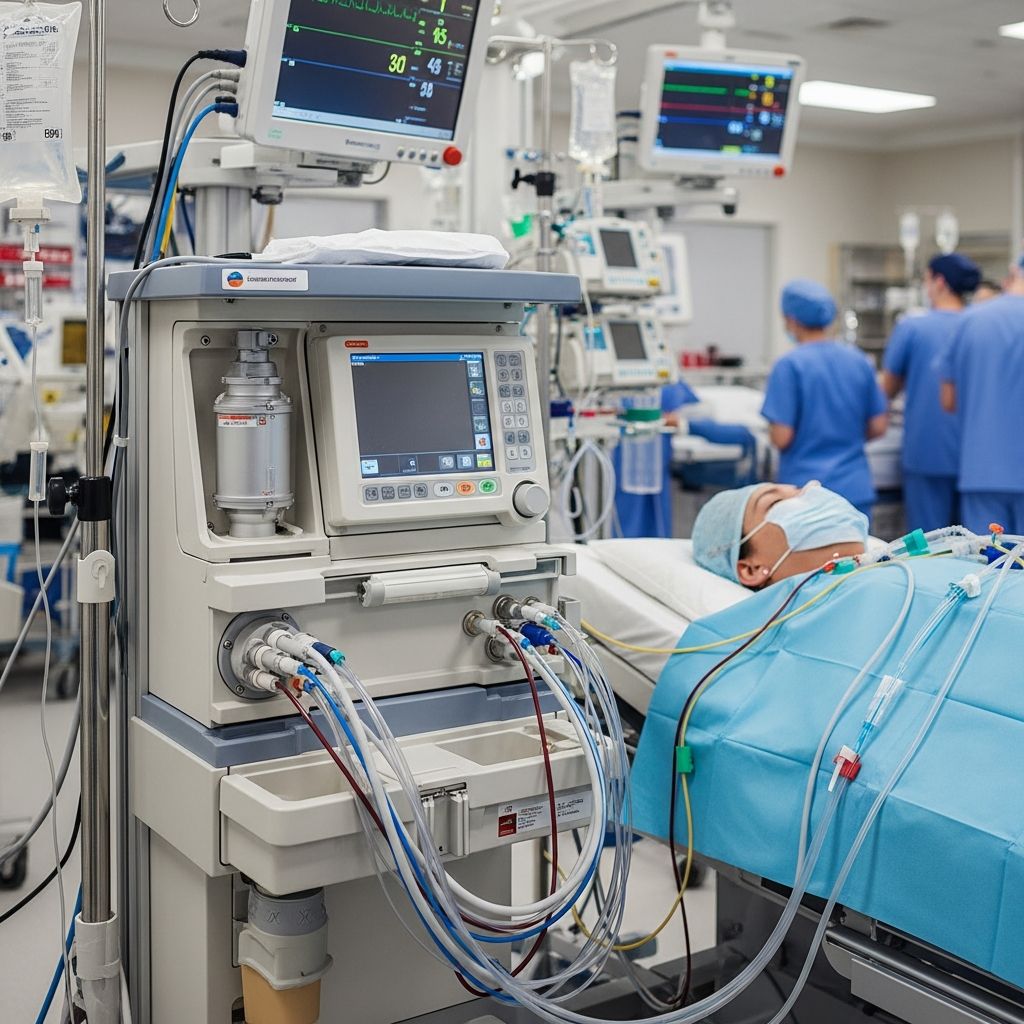
The ECMO system consists of several key components that work together to support critically ill patients. The pump performs the work of the heart, while the oxygenator performs the work of the lungs. These components are connected using transparent plastic tubing that links to the patient’s circulatory system through cannulas—small tubes inserted into blood vessels.
During ECMO treatment, blood is withdrawn from the body through a catheter inserted into a blood vessel, typically in the neck, chest, or groin. The blood then flows into the ECMO machine, where it passes through an oxygenator that adds oxygen and removes excess carbon dioxide—essentially performing the gas exchange that healthy lungs normally accomplish. A heat exchanger within the system helps maintain proper body temperature. Once treated, the oxygen-rich blood is pumped back into the patient’s body, ensuring vital organs receive adequate oxygen-rich blood circulation even when the heart and lungs cannot function properly.
Types of ECMO Support
There are two main types of ECMO systems, each designed to address different clinical needs. The appropriate type is selected based on the patient’s specific condition and what organ support is required.
Venoarterial (VA) ECMO
Venoarterial ECMO provides support for both the heart and lungs. In this configuration, blood is taken out of a large vein and returned into a large artery, allowing oxygen-rich blood to circulate through the body even if the heart is too weak to pump effectively. VA ECMO requires two cannulas to be placed, typically in either the neck or groin area. This type is particularly valuable for patients experiencing cardiogenic shock or severe cardiac dysfunction who need circulatory support in addition to respiratory support.
Venovenous (VV) ECMO
Venovenous ECMO provides lung support only, making it suitable for patients whose hearts still function adequately but whose lungs cannot effectively oxygenate blood or remove carbon dioxide. Two cannulas are placed into veins in spots close to or inside the heart. This approach is less invasive than VA ECMO and is often used for patients with primary respiratory failure conditions.
Indications for ECMO
ECMO is considered for patients with life-threatening cardiorespiratory failure who have not responded to conventional medical therapies. Physicians typically recommend ECMO only after exhausting standard treatment approaches, including mechanical ventilation with optimized settings and medical management with appropriate medications.
Related Stories



Common conditions treated with ECMO include:
- Acute Respiratory Distress Syndrome (ARDS), which restricts oxygen entry into the blood and prevents proper carbon dioxide removal
- Severe pneumonia and acute lung infections
- Trauma with severe lung injury
- Cardiogenic shock following heart attacks
- Acute decompensated heart failure
- Bridge to transplantation for patients awaiting heart or lung transplants
- Support during and after complex heart and lung surgeries
- Bridge to recovery for potentially reversible cardiac or pulmonary conditions
ECMO can also be used to maintain organ donors in stable condition to maximize transplant viability and to support patients undergoing complex surgical procedures who cannot tolerate standard anesthesia and cardiopulmonary bypass techniques.
The ECMO Procedure
Placement Procedure
Initiating ECMO is a specialized surgical procedure requiring general anesthesia so patients are completely asleep and unable to feel pain during cannula insertion. Trained surgeons, typically cardiothoracic specialists, carefully place one or two cannulas into appropriate blood vessels. The specific placement location—neck, chest, or groin—depends on the patient’s anatomy and the type of ECMO support needed.
Once cannulas are properly positioned and connected to the ECMO circuit, the machine is activated. Medical staff carefully monitor all system parameters to ensure proper functioning. Initial blood flow rates are gradually increased to achieve adequate tissue perfusion and oxygenation while minimizing complications.
Management During ECMO Support
Patients receiving ECMO require intensive around-the-clock care from a multidisciplinary team of highly skilled caregivers. This team typically includes critical care physicians, surgeons, nurses, perfusionists, respiratory therapists, and other specialists. Continuous monitoring of blood gases, circuit function, anticoagulation levels, and patient vital signs is essential.
Early mobilization and rehabilitation are important components of ECMO management. Even while on ECMO support, patients receive physical therapy and, when clinically appropriate, may be encouraged to ambulate. Early feeding is attempted whenever possible to maintain nutritional status. Blood products and transfusions are administered according to protocol based on the patient’s hemoglobin levels and clinical requirements.
Sedation and Comfort Management
As patients begin to wake after the initial procedure, medical teams provide appropriate sedation, pain medications, and anti-anxiety medicines to ensure comfort throughout ECMO support. The goal is to keep patients comfortable while allowing them to participate in rehabilitation activities as their condition permits.
Weaning and Decannulation
As the patient’s underlying heart and lung function gradually improves, the ECMO team assesses readiness for weaning—progressively reducing support levels. This process is gradual and carefully monitored to ensure the patient’s organs can sustain adequate function independently.
Once it is determined that the patient no longer requires ECMO support, a surgeon performs the decannulation procedure—removal of the cannulas. For venovenous ECMO patients, this typically occurs at the bedside in the Intensive Care Unit. For venoarterial ECMO patients, decannulation often takes place in the operating room. Following cannula removal, stitches and dressings are placed at the insertion sites to prevent bleeding.
Patients typically remain on a mechanical ventilator after ECMO removal until their lungs have sufficiently recovered. As respiratory function improves, ventilator settings are gradually decreased. Once settings are minimal and the patient is performing most or all of the work of breathing independently, the endotracheal tube is removed.
Risks and Complications of ECMO
While ECMO is a lifesaving intervention, it carries certain risks and potential complications that patients and families should understand. Common complications include:
- Bleeding at cannula insertion sites or throughout the body
- Blood clots within the ECMO circuit or in the patient’s blood vessels
- Infection, including sepsis or localized infections at cannula sites
- Hemolysis (destruction of red blood cells)
- Stroke or neurological complications
- Limb ischemia (reduced blood flow to extremities)
- Renal failure requiring dialysis
- Cardiac arrhythmias
- Air bubbles in the circuit
- Equipment malfunction or circuit failure
The ECMO team implements strict protocols to minimize these risks through careful anticoagulation management, continuous circuit monitoring, regular system checks, and close patient surveillance. Despite these precautions, complications can occur, and patients on ECMO require constant vigilance and expert management.
Recovery After ECMO
Recovery following ECMO support varies significantly depending on the patient’s underlying condition, duration of ECMO support, and overall health status before ECMO initiation. Some patients experience relatively complete recovery, while others may face ongoing physical, cognitive, or psychological challenges.
Physical rehabilitation typically begins during ECMO support and continues intensively after decannulation. Patients may experience weakness and deconditioning from prolonged critical illness and sedation. Occupational and physical therapists work with patients to regain strength, mobility, and independence in daily activities.
Post-ECMO outpatient clinics are designed to address not only physical recovery but also cognitive and psychological impairments that can result from critical illness. Many patients experience post-traumatic stress disorder, anxiety, depression, or cognitive dysfunction following prolonged ICU stays on life support. Comprehensive follow-up care addresses these concerns alongside physical rehabilitation.
Patient Selection and Contraindications
Careful patient selection is critical for ECMO success. Ideal candidates have potentially reversible or treatable acute diseases with reasonable likelihood of recovery if their heart and lungs are given time to heal. Physicians consider factors such as age, overall health status, other organ function, presence of malignancy, and likelihood of meaningful recovery.
Relative contraindications may include advanced age with multiple comorbidities, irreversible organ damage, active uncontrolled sepsis, severe neurological disease, or conditions unlikely to benefit from ECMO support. However, these are not absolute contraindications, and each case must be evaluated individually by the multidisciplinary ECMO team.
The ECMO Team
Successful ECMO programs require a multidisciplinary team with diverse expertise and specialized training. This team typically includes:
- Cardiothoracic surgeons with ECMO expertise
- Critical care intensivists
- Anesthesiologists
- Perfusionists trained in ECMO circuit management
- Specialized ICU nurses
- Respiratory therapists
- Physical and occupational therapists
- Palliative care specialists
- Ethics consultants
- Social workers and mental health professionals
This collaborative approach ensures comprehensive patient care and addresses not only the medical aspects of ECMO but also the psychological, ethical, and social dimensions of critical illness.
ECMO as a Bridge to Transplantation
ECMO plays an important role in transplant programs, serving as a bridge to transplantation for patients with end-stage heart or lung disease. Patients awaiting cardiac or pulmonary transplants may deteriorate to the point where they cannot survive without mechanical support. ECMO provides this crucial support, keeping patients alive and in optimal condition for transplantation while they await donor organ availability.
Additionally, ECMO may be used perioperatively to support patients during complex transplant procedures, allowing surgeons to work in a more controlled hemodynamic environment.
Frequently Asked Questions
Q: How long can a patient stay on ECMO?
A: ECMO support duration varies widely depending on the underlying condition and recovery trajectory. Some patients require support for days to weeks, while others may require weeks to months of support. The ECMO team continuously assesses readiness for weaning based on organ recovery and clinical status.
Q: Is ECMO painful?
A: The initial placement procedure is performed under general anesthesia, so patients do not experience pain during cannula insertion. As patients awaken during ECMO support, appropriate pain medications and sedatives are provided to ensure comfort.
Q: What is the survival rate for ECMO patients?
A: ECMO survival rates vary depending on the underlying condition, patient age, overall health status, and whether ECMO is used for cardiac or pulmonary support. Generally, survival rates range from 40-60%, though outcomes can be higher in specific patient populations or with early initiation of therapy.
Q: Can patients talk while on ECMO?
A: Most ECMO patients have an endotracheal tube for mechanical ventilation, which prevents normal speech. However, as they recover and the tube is removed, patients can communicate normally. Communication devices or writing materials can be used while intubated.
Q: What happens if the ECMO machine fails?
A: ECMO programs have strict quality control and monitoring protocols, and backup equipment is always available. The medical team is trained to respond immediately to any circuit problems, and manual support can be provided while equipment is replaced.
Q: How much does ECMO cost?
A: ECMO is an intensive, resource-intensive procedure, and costs reflect the specialized equipment, skilled personnel, and intensive care required. Specific costs vary by institution and should be discussed with hospital financial counselors, as insurance coverage varies.
Q: Can patients ambulate on ECMO?
A: Yes, mobile ECMO programs encourage early mobilization and ambulation when clinically appropriate. This promotes physical rehabilitation, reduces deconditioning, and may improve outcomes. However, mobilization depends on the patient’s clinical stability and the ECMO team’s assessment.
Q: What causes ECMO to be recommended?
A: ECMO is recommended when patients have severe cardiac or respiratory failure that has not improved with conventional medical therapies, mechanical ventilation, and medications. The decision typically occurs at a critical juncture when further manipulation of standard therapies would cause additional harm rather than benefit.
References
- Extracorporeal Membrane Oxygenation (ECMO) — ELSO (Extracorporeal Life Support Organization). 2025. https://www.elso.org/extracorporeal-membrane-oxygenation.aspx
- Medical Extracorporeal Membrane Oxygenation (ECMO) Program — Cleveland Clinic. 2025. https://my.clevelandclinic.org/departments/respiratory/outcomes/1147-medical-extracorporeal-membrane-oxygenation-ecmo-program
- Extracorporeal Membrane Oxygenation (ECMO): Benefits & Risks — Cleveland Clinic Abu Dhabi. 2024. https://www.clevelandclinicabudhabi.ae/en/health-hub/health-resource/treatments-and-procedures/emco
- ECMO: Extracorporeal Life Support — Cleveland Clinic Respiratory Inspirations Podcast. 2025. https://my.clevelandclinic.org/podcasts/respiratory-inspirations/ecmo-extracorporeal-life-support
- Extracorporeal membrane oxygenation in adults: A practical guide — Cleveland Clinic Journal of Medicine. 2014. https://www.ccjm.org/content/83/5/373
- ECMO and Nurse-Led Mobilization — American Nurses Association. 2023. https://www.nursingworld.org/continuing-education/AN2305-ECMO/
- Surgical Fellowship in Extracorporeal Membrane Oxygenation — Cleveland Clinic Florida. 2025. https://my.clevelandclinic.org/florida/medical-professionals/education/graduate-medical-education/surgical-fellowship-extracorporeal-membrane-oxygenation
Similar Articles








Read full bio of Sneha Tete