Extracorporeal Shock Wave Lithotripsy for Kidney Stones
Understanding ESWL: A non-invasive treatment option for breaking up kidney stones.
Extracorporeal Shock Wave Lithotripsy (ESWL)
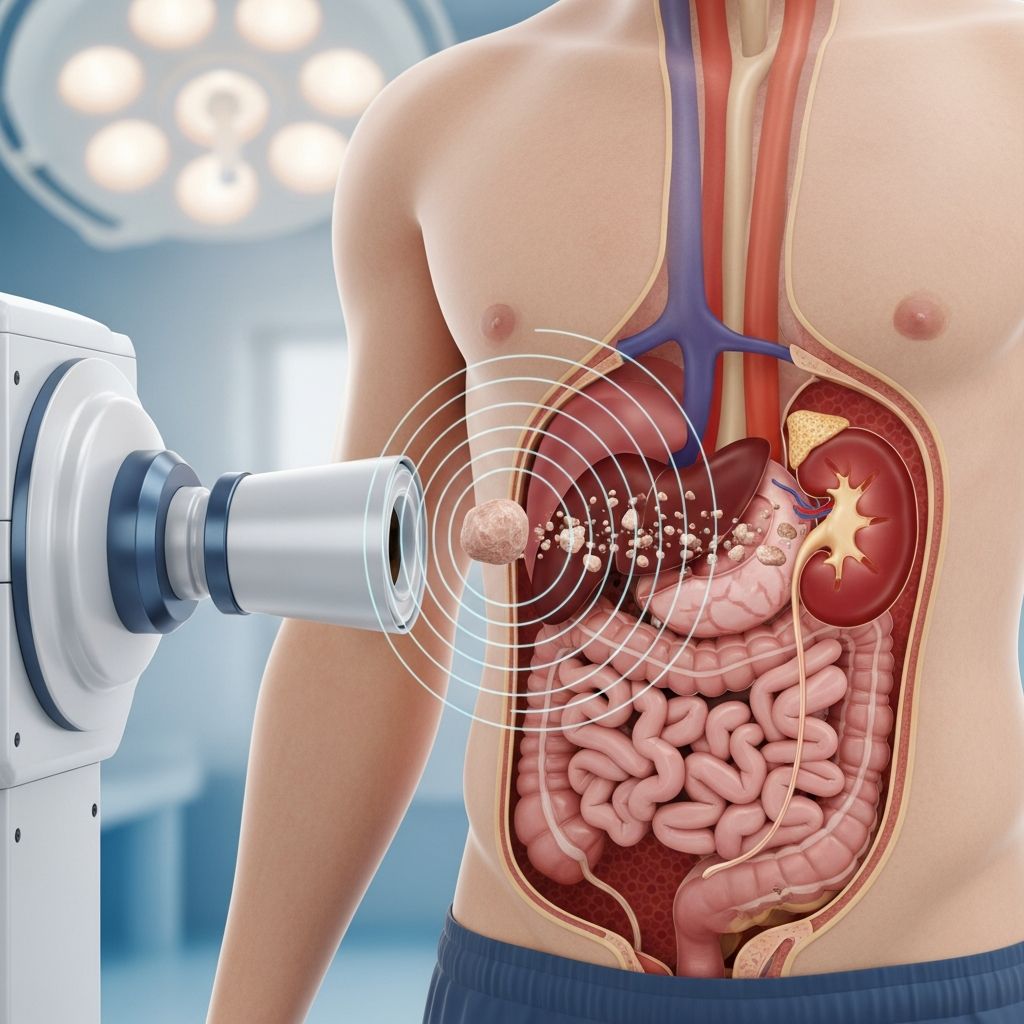
Extracorporeal shock wave lithotripsy, commonly known as ESWL, is a non-invasive medical procedure designed to treat kidney stones by using shock waves to break them into smaller fragments. These smaller pieces can then pass through the urinary system more easily, reducing pain and complications associated with kidney stone disease. ESWL has been a cornerstone of kidney stone treatment for decades and remains one of the most widely used approaches for managing this common urological condition.
What Are Kidney Stones?
Kidney stones are hard mineral deposits that form in the kidneys when certain substances in urine crystallize. These stones can vary significantly in size, ranging from tiny grains to larger objects that may cause severe pain and urinary obstruction. Kidney stones develop due to a combination of factors, including dehydration, dietary habits, family history, and certain medical conditions. While some stones pass naturally through the urinary tract, others become lodged and require medical intervention to prevent complications such as infection or permanent kidney damage.
How ESWL Works
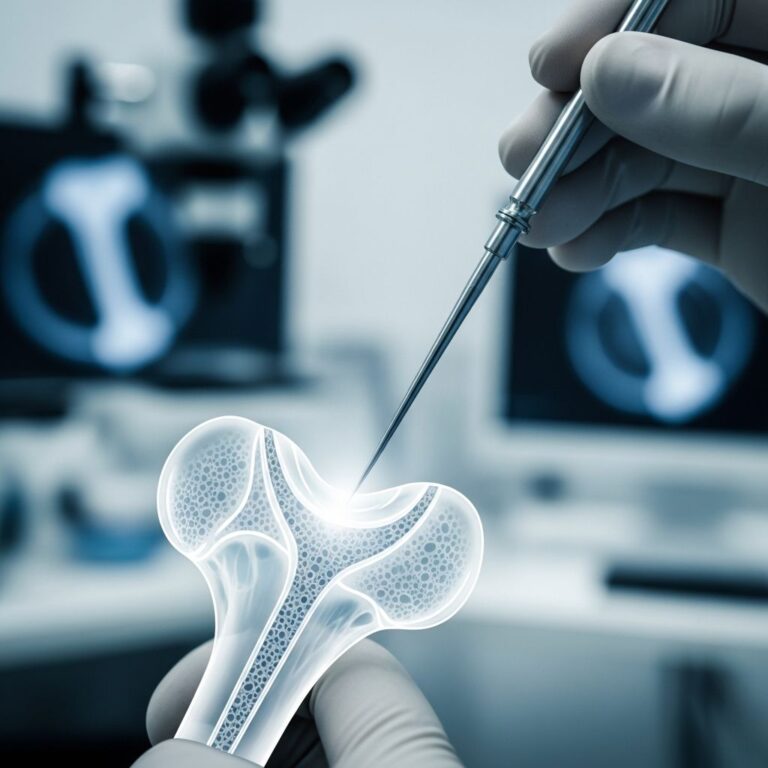
The ESWL procedure utilizes focused shock waves generated outside the body to target and fragment kidney stones. During the treatment, you lie on a special table while a machine called a lithotripter delivers precisely aimed shock waves through the skin to reach the stone. These high-energy waves create vibrations that fracture the stone into smaller pieces, similar to how sound waves can shatter glass. The procedure is performed under sedation or local anesthesia, making it relatively comfortable for patients.
The shock waves are carefully calibrated and targeted using imaging techniques such as ultrasound or fluoroscopy to ensure accuracy. Typically, a single ESWL session involves hundreds to thousands of shock wave pulses, though the exact number depends on the stone’s size, composition, and location. The entire procedure usually takes between 30 to 60 minutes to complete.
Candidates for ESWL
ESWL is most effective for patients with specific types of kidney stones. Ideal candidates typically have:
– Stones smaller than 2 centimeters in size- Stones composed of calcium-based materials visible on X-rays- Stones located in the kidney or upper portion of the ureter- Good kidney function with no significant obstruction- Stones that are softer or more crystalline in composition
Patients with certain conditions may not be suitable candidates for ESWL. These include individuals with severe obesity, uncontrolled bleeding disorders, active urinary tract infections, or significant anatomical abnormalities of the urinary system. Additionally, pregnant women should not undergo ESWL due to potential risks to the developing fetus. Your urologist will evaluate your specific situation to determine whether ESWL is the most appropriate treatment option for you.
Preparation for ESWL
Before undergoing ESWL, several preparatory steps ensure the procedure’s success and safety. Your healthcare provider will likely request imaging studies such as X-rays, ultrasound, or CT scans to precisely locate the kidney stone and assess its characteristics. Blood tests may be performed to evaluate kidney function and ensure you are healthy enough for the procedure.
Related Stories



Approximately one week before ESWL, you may be advised to discontinue certain medications, particularly blood thinners, to reduce bleeding risk. It is essential to follow all preoperative instructions carefully, including fasting requirements if sedation will be used. Arrange for someone to drive you home after the procedure, as the sedation used during treatment will impair your ability to drive safely. Wear loose, comfortable clothing on the day of your procedure to facilitate easy access to the treatment area.
The ESWL Procedure
On the day of your ESWL treatment, you will arrive at the outpatient facility and undergo final preparations. An intravenous line will be placed to administer sedation or anesthesia, which helps you remain calm and comfortable throughout the procedure. You will then be positioned on the lithotripter table, with the stone-bearing kidney aligned with the shock wave generator.
Your medical team will use imaging guidance to precisely target the kidney stone. Once the stone is properly positioned, the lithotripter begins delivering shock waves. You may feel tapping sensations or slight discomfort during the procedure, though the sedation minimizes pain perception. The number of shock wave pulses delivered varies based on stone characteristics, typically ranging from 1,000 to 4,000 pulses per session.
Throughout the procedure, your vital signs including heart rate, blood pressure, and oxygen saturation are continuously monitored. The medical team adjusts the shock wave intensity and frequency as needed to optimize stone fragmentation while minimizing trauma to surrounding tissues. After the appropriate number of pulses, imaging is repeated to assess the degree of stone fragmentation.
Recovery and Aftercare
Following ESWL, most patients experience minimal recovery time and can return home the same day. However, you will need several hours to recover from sedation, which is why arranging transportation is essential. It is normal to experience mild side effects in the days following the procedure, including:
– Mild back or abdominal pain or bruising at the shock wave site- Blood in the urine- Mild nausea or discomfort- Temporary increase in urinary frequency
To facilitate stone fragment passage, your healthcare provider will recommend drinking plenty of fluids—typically at least 8 to 10 glasses of water daily—to maintain adequate urine output. Most patients can resume normal activities within a few days, though strenuous exercise should be avoided for approximately one to two weeks. Pain management with over-the-counter medications such as acetaminophen or ibuprofen is usually sufficient for post-procedure discomfort.
Follow-up imaging such as X-rays or ultrasound will be scheduled approximately two to four weeks after your ESWL to confirm that the stones have passed or fragmented sufficiently. Your urologist may also perform additional imaging if you experience persistent symptoms or if follow-up imaging shows residual stone fragments.
Effectiveness of ESWL
The success rate of ESWL varies depending on multiple factors, particularly stone characteristics. For calcium-based stones smaller than 2 centimeters, ESWL achieves stone-free rates of approximately 44 to 50% after a single treatment session. However, research indicates that when compared to other minimally invasive techniques, ESWL may have lower effectiveness rates. For instance, studies show that retrograde intrarenal surgery (RIRS) and micro-percutaneous nephrolithotomy (m-PCNL) demonstrate higher stone clearance rates than ESWL for stones smaller than 2 centimeters.
Factors influencing ESWL success include stone composition, with calcium oxalate and calcium phosphate stones responding better than harder stones such as uric acid or struvite stones. Stone location also matters significantly; stones in the kidney’s lower pole are more difficult to treat with ESWL than those in other locations. Additionally, patient factors such as obesity, kidney anatomy, and overall health status can affect treatment outcomes.
Risks and Complications
While ESWL is generally considered safe, potential risks and complications exist. Common side effects include bruising at the shock wave entry site, hematuria (blood in urine), and mild renal colic-type pain. Most of these effects resolve spontaneously within days.
More serious, though rare, complications may include:
– Infection of the urinary tract or kidneys- Obstruction of the ureter by stone fragments- Temporary decrease in kidney function- Perforation of nearby organs- Hypertension or arrhythmias in susceptible individuals
The risk of complications increases with certain factors such as anticoagulant use, coagulopathy, or anatomical abnormalities. Your healthcare provider will thoroughly discuss these risks during the consent process and take appropriate precautions to minimize complications.
ESWL Versus Other Treatment Options
Several treatment modalities exist for kidney stones, each with distinct advantages and limitations. ESWL offers the advantage of being completely non-invasive with minimal anesthesia requirements and rapid recovery. However, its effectiveness is limited to specific stone types and sizes.
Ureteroscopy with laser lithotripsy involves passing a thin instrument through the urethra and bladder into the ureter to directly visualize and fragment the stone using laser energy. This approach provides higher stone-free rates—approaching 90% or higher—particularly for larger or harder stones. However, it is more invasive than ESWL and may require temporary ureteral stent placement.
Percutaneous nephrolithotomy (PCNL) involves creating a small channel through the skin directly into the kidney to remove stones. Studies indicate that PCNL achieves stone-free rates of approximately 95% and may reduce the need for secondary interventions compared to other techniques. However, PCNL carries higher complication rates and typically requires hospitalization.
Your urologist will recommend the most appropriate treatment based on stone characteristics, your medical history, and treatment goals.
Prevention of Recurrent Kidney Stones
After ESWL treatment, preventive measures become crucial to reduce recurrence risk. Maintaining adequate hydration by consuming sufficient water daily—ideally enough to produce 2.5 liters of urine per day—is the most important preventive strategy. Dietary modifications may include reducing sodium intake, limiting animal protein consumption, and ensuring adequate calcium intake through dietary sources rather than supplements.
Certain medications may be prescribed to prevent stone recurrence depending on stone composition. For example, potassium citrate may be recommended for patients with recurrent calcium oxalate stones. Regular follow-up appointments with your urologist help monitor for early signs of new stone formation.
Frequently Asked Questions
Is ESWL painful?
ESWL is performed under sedation or anesthesia, so you should not experience significant pain during the procedure. Some patients report mild discomfort or pressure sensations. After the procedure, mild pain or bruising at the treatment site is normal and typically manageable with over-the-counter pain medications.
How long does ESWL take?
The actual shock wave delivery typically lasts 30 to 60 minutes. Including preparation and recovery time, plan for approximately 2 to 3 hours at the treatment facility.
When can I return to normal activities?
Most patients can resume light activities within a few days. Strenuous exercise and heavy lifting should be avoided for approximately one to two weeks to allow proper healing.
What is the success rate of ESWL?
Success rates vary based on stone characteristics, typically ranging from 40 to 50% for achieving complete stone clearance after a single session. Multiple treatments may be necessary for some patients.
Will I need follow-up treatment?
Follow-up imaging will determine whether additional treatment is needed. Some patients achieve complete stone clearance after one session, while others may require repeat ESWL or alternative treatments.
Can ESWL prevent future kidney stones?
ESWL treats existing stones but does not prevent new stone formation. Following preventive measures such as maintaining hydration and dietary modifications significantly reduces recurrence risk.
References
- Comparison of Percutaneous Nephrolithotomy and Retrograde Intrarenal Surgery for Renal Stones: A Cochrane Systematic Review — Cochrane Library. 2023. https://www.cochrane.org/evidence/CD013445_comparison-two-treatment-options-kidney-stones
- Kidney stones: Learn More – Treatment options — National Center for Biotechnology Information, NIH. https://www.ncbi.nlm.nih.gov/books/NBK348939/
- Shockwave Therapy Versus Laser Lithotripsy for Kidney Stones — Georgia Urology. https://www.gaurology.com/comparing-shockwave-therapy-to-laser-lithotripsy-for-kidney-stones/
- The Evaluations of ESWL, RIRS and m-PCNL Treatments in Kidney Stones — Medical Science Discovery. https://medscidiscovery.com/index.php/msd/article/view/366/
- Kidney Stones: Treatment and Prevention — American Academy of Family Physicians. 2019. https://www.aafp.org/pubs/afp/issues/2019/0415/p490.html
Similar Articles








Read full bio of medha deb