Extravasation: Symptoms, Causes & Treatment
Understanding chemotherapy extravasation: risks, prevention, and immediate care strategies.
Understanding Extravasation
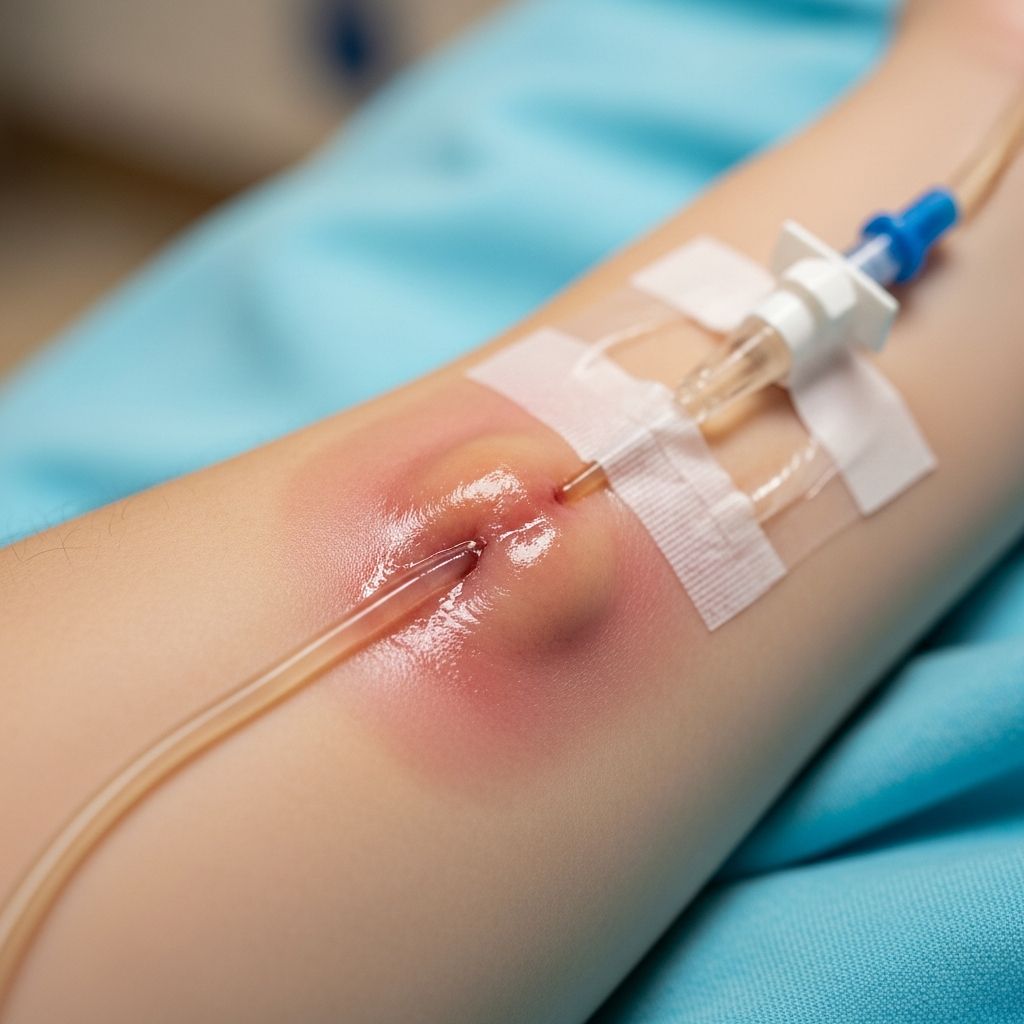
Extravasation is a medical condition in which blood, lymph, or other fluids leak from blood vessels or tubes into the surrounding tissue. In the context of cancer treatment, extravasation occurs when chemotherapy drugs leak into tissue during an infusion instead of staying in your blood vessels. These powerful medications are designed to destroy cancer cells, but when they escape into healthy tissue, they can cause pain, discomfort, and potentially serious damage to the injection site.
During chemotherapy treatment, intravenous (IV) lines deliver medications directly into a vein, or a healthcare provider may place a small tube called a cannula in your arm or hand that delivers chemotherapy through a drip. However, when extravasation happens, the drugs leak into surrounding tissue instead of flowing through the bloodstream as intended. While this complication is rare, occurring in approximately 6 out of every 100 people who receive chemotherapy infusions, it is important to understand what it is, recognize the signs, and know how to respond.
Symptoms and Severity Grades
Extravasation symptoms can develop right away or within a few days of treatment. Healthcare professionals classify these symptoms into four grades based on their severity. Understanding these grades helps determine the appropriate level of care needed.
Grade 1 (Minimal): This grade presents with minimal swelling and pain at the infusion site. Treatment at this level involves stopping the infusion, removing the cannula and tapes, and elevating the site.
Grade 2 (Mild): Pain at the infusion site with mild swelling, no skin-blanching, minimal redness, and normal capillary refill time characterize this grade. Care includes stopping the infusion, removing the cannula, elevating the limb, applying a non-occlusive dressing, and potentially considering a plastic surgery consultation.
Grade 3 (Moderate): This grade features more significant symptoms including moderate to severe pain, moderate to severe swelling, skin-blanching present, decreased perfusion, and sluggish capillary refill time. Grade 3 typically requires an antidote injection.
Grade 4 (Severe): The most serious grade involves severe pain, severe swelling, skin-blanching, blistering or ulceration, decreased perfusion, and tissue necrosis. This grade may involve permanent tissue damage and can impact limb function in severe cases.
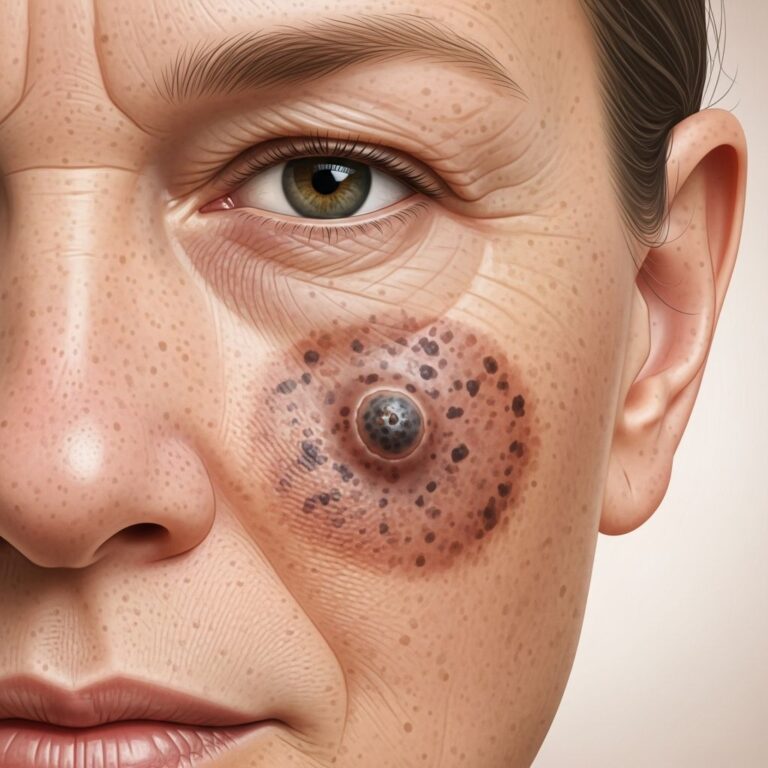
Common signs of extravasation at the injection site include swelling, redness, discomfort, pain or stinging sensations, and in more serious cases, blistering, ulceration, or tissue damage. It is crucial to inform your healthcare provider immediately if you notice any of these symptoms during or after chemotherapy treatment.
Causes of Extravasation
Several factors can contribute to the development of extravasation during chemotherapy administration. Understanding these causes can help both healthcare providers and patients work together to prevent complications.
IV Line Complications: Extravasation commonly occurs due to problems with the IV line itself. This can include improper IV placement, a dislodged IV catheter, a kinked or bent IV line, or a needle that punctures through the vein wall. Each of these situations allows chemotherapy drugs to escape into surrounding tissue.
Vein-Related Issues: Certain conditions affecting the veins themselves can increase extravasation risk. These include fragile or weak veins, veins that are difficult to access, inflammation of the vein (phlebitis), or veins that are scarred from previous treatments or injections.
Related Stories



Patient-Related Factors: Some characteristics of the patient can increase the likelihood of extravasation. Patients who move their arm excessively during treatment, have poor circulation, or experience swelling or inflammation at the injection site face higher risks.
Type of Chemotherapy: Certain chemotherapy drugs are more likely to cause serious damage if they leak. These vesicant chemotherapy agents are particularly concerning because they have the potential to break down and damage tissue significantly.
Risk Factors for Extravasation
You may be at increased risk of experiencing extravasation if you have certain characteristics or conditions. Identifying these risk factors allows your healthcare team to implement additional preventive measures and monitor you more closely during treatment.
Patients with compromised immune systems, poor circulation, or vascular compromise face higher risks. Additionally, individuals undergoing multiple chemotherapy treatments over extended periods may develop scarring or damage to veins from repeated needle sticks. Elderly patients or those with certain medical conditions affecting blood vessels may also be at increased risk. Previous extravasation events increase the likelihood of future occurrences. Patients who have difficulty communicating with their healthcare team or those who cannot remain still during treatment also face elevated risks.
The Importance of Immediate Treatment
Delays in treating extravasation can result in serious and potentially permanent complications. Chemotherapy drugs are powerful enough to destroy cancer cells, which means they can also cause significant harm to healthy tissue. When these medications leak from the IV into surrounding tissue, the damage can be extensive if not addressed promptly.
Leakage from an IV during treatment may cause immediate pain and discomfort, but it can also lead to permanent tissue damage, scarring, reduced mobility, or in severe cases, loss of limb function. This is why cancer care providers receive special training to act quickly if they suspect extravasation is occurring. Rapid intervention can minimize tissue damage and prevent serious complications.
Prevention and Monitoring Strategies
Your cancer care team implements multiple strategies to prevent extravasation from occurring in the first place. Members of your care team who administer chemotherapy receive special training in prevention techniques and rapid response protocols.
Preventive Measures:
Hospital systems have established procedures and guidelines designed to prevent extravasation. These include careful IV placement and verification, regular monitoring of the infusion site throughout treatment, use of appropriate IV sizes and materials, and administration of chemotherapy through central venous catheters when appropriate. Healthcare providers verify IV placement before beginning chemotherapy administration and continuously observe the site during infusion.
Your Role in Prevention:
You play an important role in preventing extravasation. If you notice any unusual symptoms during your chemotherapy treatment—such as pain, swelling, redness, or discomfort at the injection site—inform a member of your care team immediately. Do not wait until after treatment ends; communicate any concerns right away. The faster your healthcare team responds to potential problems, the better the outcome.
Treatment and Management of Extravasation
Immediate Interventions:
When extravasation is suspected or confirmed, your cancer care team will take immediate action. They will stop the administration of chemotherapy drugs right away. The IV line will be managed carefully—the tubing is disconnected, but the catheter or needle may be left in place temporarily to allow for aspiration of fluid from the extravasation site and administration of an antidote if needed.
The line will not be flushed, as this would push more medication into the tissue. If an antidote is indicated, it will be injected through the catheter to ensure it reaches the extravasation site effectively. After antidote administration, the catheter is removed. The affected site will be elevated and treated with warm or cold compresses depending on the specific chemotherapy drug involved.
Imaging and Assessment:
Your healthcare team may use imaging studies to determine exactly which tissue has been affected by the extravasation. This helps guide treatment decisions and allows providers to monitor the area for potential complications.
Ongoing Care:
Your healthcare provider will give you specific instructions for caring for yourself at home. This may include recommendations to elevate your arm, apply appropriate compresses, take pain medication as directed, monitor the site for changes, keep the area clean and dry, and wear loose clothing that doesn’t put pressure on the affected area. Follow-up appointments will be scheduled to monitor your recovery and ensure proper healing.
Continuing Chemotherapy After Extravasation
Whether you can continue chemotherapy treatment after an extravasation event depends on your specific situation. Most people are able to continue their cancer treatment following an extravasation. In many cases, healthcare providers may restart treatment very soon after the incident, choosing a different site to insert the IV line on your other arm or using an alternative access method. In other situations, your treatment may need to be delayed until your symptoms have resolved completely, allowing the affected tissue to begin healing. Your provider will explain what to expect in your particular case and discuss the best approach for continuing your cancer treatment safely.
Is Prevention Always Possible?
While hospital systems have comprehensive procedures and guidelines to prevent extravasation, it is important to understand that extravasation is not always completely preventable. Despite the best efforts of trained healthcare professionals and implementation of prevention strategies, extravasation can still occur. This is why your care team monitors you closely during every treatment and responds immediately at the first sign of a potential issue. Vigilant monitoring and rapid response are key to minimizing harm if an extravasation does occur.
Frequently Asked Questions
What should I do if I notice symptoms of extravasation during my infusion?
Alert a member of your care team immediately. Do not wait until after your treatment ends. Let them know about any pain, swelling, redness, or discomfort at the injection site. Your care team is trained to respond quickly to these symptoms and can take immediate action to prevent further complications.
How common is extravasation?
Extravasation is relatively uncommon, occurring in approximately 6 out of every 100 people who receive chemotherapy infusions. While this means it is not a frequent occurrence, it is important to be aware of the signs and symptoms.
Can extravasation cause permanent damage?
In most cases, with prompt treatment, permanent damage is minimal or can be avoided entirely. However, in rare severe cases where treatment is delayed, extravasation can cause permanent tissue damage, scarring, or reduced limb function. This is why immediate reporting of symptoms and rapid healthcare provider response are so important.
Will I need to stop my cancer treatment if I experience extravasation?
In most cases, no. Most people can continue their chemotherapy treatment after an extravasation event. Your healthcare team may restart treatment soon after, using a different injection site. In some situations, treatment may be delayed briefly to allow healing, but your provider will discuss the best plan for your specific situation.
What types of chemotherapy drugs are most likely to cause extravasation?
Vesicant chemotherapy agents are those most likely to cause significant tissue damage if extravasation occurs. Your healthcare provider can inform you whether you are receiving any vesicant chemotherapy drugs and what precautions will be taken.
Are there any risk factors that increase my chances of extravasation?
Yes. Risk factors include poor circulation, compromised veins from previous treatments, difficulty remaining still during infusion, communication barriers with your healthcare team, and certain medical conditions. If you have any of these risk factors, inform your healthcare provider so they can implement additional preventive measures.
Key Takeaways
Extravasation during chemotherapy is a manageable complication that requires awareness and rapid response. While the thought of powerful chemotherapy drugs leaking into tissue can feel concerning, remember that extravasation is rare, your care team is specially trained to prevent it, and they know exactly what to do if it occurs. Your role is equally important—communicate any unusual symptoms to your healthcare provider immediately. By working together with your cancer care team and staying alert to potential warning signs, you can help ensure your chemotherapy treatment remains as safe and effective as possible. Trust in your healthcare team’s expertise and training, and do not hesitate to speak up if you have any concerns about your treatment or symptoms.
References
- Extravasation: Symptoms, Causes & Treatment — Cleveland Clinic. 2024. https://my.clevelandclinic.org/health/articles/24925-extravasation
- What is the optimal approach to infiltration and extravasation of nonchemotherapy medications? — Cleveland Clinic Journal of Medicine. 2021. https://www.ccjm.org/content/90/5/292
- Managing Chemotherapy Extravasation Across Transitions of Care — PubMed Central, National Institutes of Health. 2021. https://pubmed.ncbi.nlm.nih.gov/33394869/
- ONS/ASCO Guideline on the Management of Antineoplastic Extravasation — American Society of Clinical Oncology. 2025. https://ascopubs.org/doi/10.1200/OP-25-00579
Similar Articles








Read full bio of Sneha Tete