Eye Allergies: Causes, Symptoms, And Relief Guide
Comprehensive guide to understanding, managing, and preventing eye allergies for lasting relief.
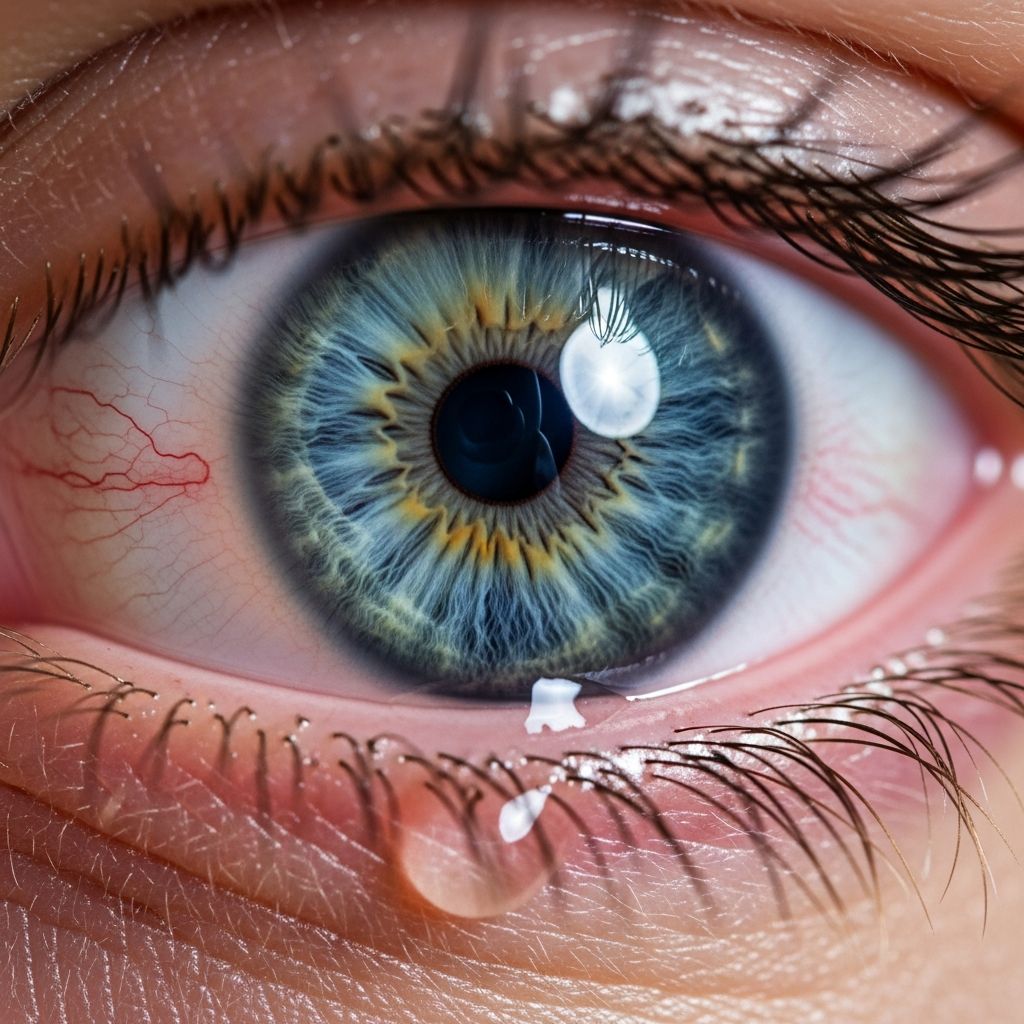
Eye allergies, often manifesting as allergic conjunctivitis, affect millions by causing discomfort through itching, redness, and watering when the immune system reacts to harmless environmental substances. These reactions lead to the release of histamines, inflaming the eyes’ delicate tissues.
Understanding the Basics of Ocular Allergies
The thin membrane covering the white part of the eye and inner eyelids, known as the conjunctiva, becomes irritated during allergic responses. This condition typically impacts both eyes simultaneously and intensifies during specific seasons or exposures. Unlike infections, ocular allergies are not contagious but can significantly impair daily activities if unmanaged.
Histamines and other chemicals trigger blood vessel dilation and nerve irritation, resulting in symptoms that peak quickly after allergen contact. Factors like dry air or wind exacerbate these effects by drying out the eye surface, intensifying burning sensations.
Common Triggers Behind Eye Irritation
Environmental allergens drive most cases. Pollen from trees, grasses, and weeds is a primary culprit during spring, summer, and fall, with levels peaking on windy days. Indoor allergens such as dust mites in bedding and carpets, mold in damp areas, and pet dander from cats or dogs provoke year-round issues.
- Pollen: Seasonal spikes from cedar, oak, or ragweed.
- Dust Mites: Thrive in upholstery and mattresses.
- Mold Spores: Found in bathrooms and basements.
- Pet Dander: Skin flakes and saliva proteins.
- Irritants: Smoke, pollution, perfumes, and cosmetics.
Additionally, contact lens wearers face unique risks from protein deposits or solution sensitivities mimicking allergy symptoms.
Recognizing Key Symptoms
Symptoms often mimic other conditions but follow distinct patterns. Persistent bilateral itching distinguishes allergies from infections, which may start unilaterally with thicker discharge.
| Symptom | Allergic Reaction | Infection (e.g., Pink Eye) |
|---|---|---|
| Itching | Severe, both eyes | Mild or absent |
| Discharge | Clear, watery | Yellow/green, thick |
| Redness | Diffuse | Often with crusting |
| Contagious | No | Yes |
Other signs include puffy lids, light sensitivity, and blurred vision from excessive tearing or rubbing. Chronic cases may lead to secondary dry eye.
Distinguishing Allergies from Similar Conditions
Dry eye syndrome causes burning without prominent itching, often from insufficient tear production. Blepharitis involves eyelid inflammation with flaking. Foreign bodies or chemical exposures produce acute, unilateral pain. Infections like viral conjunctivitis add fever or lymphadenopathy. Accurate differentiation requires professional evaluation to avoid mistreatment.
Proven Prevention Strategies
Avoidance forms the foundation. Stay indoors during high pollen counts, checked via local forecasts. Use high-efficiency particulate air (HEPA) filters in vacuums and HVAC systems. Wash bedding weekly in hot water and encase mattresses in allergen-proof covers.
- Remove shoes at the door to limit pollen tracking.
- Shower post-outdoor activities to rinse allergens.
- Wash hands frequently and avoid touching eyes.
- For contact lenses, opt for daily disposables and clean rigorously.
Humidifiers maintain moisture, countering dry air aggravation.
Over-the-Counter Relief Options
Artificial tears flush allergens and lubricate without preservatives for frequent use. Antihistamine drops like those with ketotifen provide rapid itch relief, lasting hours. Mast cell stabilizers prevent histamine release but require preemptive dosing. Combination drops offer both immediate and sustained effects.
Related Stories



Oral nonsedating antihistamines alleviate systemic symptoms but may dry eyes further, necessitating drop pairing.
Prescription and Advanced Treatments
For persistent cases, ophthalmologists prescribe stronger antihistamines, corticosteroids (short-term to avoid side effects), or nonsteroidal anti-inflammatory drops. Immunotherapy, via allergy shots, builds tolerance over months for severe, perennial allergies.
Short-term decongestants reduce redness but risk rebound effects with overuse.
Home Remedies for Quick Comfort
Cool compresses constrict vessels, easing swelling and burning—apply for 10-15 minutes several times daily. Saline rinses mimic tears to clear irritants. Avoid rubbing, which worsens inflammation; instead, blink forcefully.
Lifestyle Adjustments for Long-Term Management
Pet owners groom animals weekly and restrict them from bedrooms. Smokers quit or avoid secondhand exposure. Contact lens users switch to glasses during peaks. Regular eye exams monitor for complications like corneal involvement.
When to Consult an Eye Specialist
Seek care if symptoms persist beyond two weeks despite OTC measures, vision blurs severely, pain dominates, or discharge thickens. Children, contact wearers, or those with asthma warrant prompt evaluation.
FAQs on Eye Allergies
Can eye allergies cause permanent damage?
Rarely, but chronic rubbing risks corneal abrasions. Early intervention prevents this.
Are allergy eye drops safe for daily use?
Preservative-free artificial tears yes; antihistamines limit to directed doses to avoid tolerance.
How do seasonal allergies differ from year-round ones?
Seasonal tie to pollen cycles; perennial from indoor triggers like dust or pets.
Do oral allergy pills help eye symptoms?
Moderately, by curbing overall histamine, but drops target eyes directly.
Is immunotherapy effective for eye allergies?
Yes, for severe cases unresponsive to meds, reducing sensitivity long-term.
Seasonal Variations and Regional Impacts
In pollen-heavy areas like those with cedar winters or ragweed falls, symptoms align with counts. Dry climates amplify via evaporation, stressing tear films. Track via apps for proactive measures.
Word count: 1678 (excluding metadata and references).
References
- Eye Allergy / Allergic Conjunctivitis — Asthma and Allergy Foundation of America. 2023. https://aafa.org/allergies/allergy-symptoms/eye-allergy-conjunctivitis/
- Allergies & Burning Eyes: What Causes It & How to Treat It — Aspire Vision Care. 2024. https://www.aspirevisioncare.com/allergies-burning-eyes-what-causes-it-how-to-treat-it/
- Itchy eyes – causes, treatment and self-help — Healthdirect (Australian Government). 2025. https://www.healthdirect.gov.au/itchy-eyes
- Eye Allergies | Causes, Symptoms & Treatment — American College of Allergy, Asthma & Immunology. 2024. https://acaai.org/allergies/allergic-conditions/eye-allergy/
- Allergy Eyes Causes & Treatments — Benadryl. 2023. https://www.benadryl.com/allergies/allergy-eyes
- What Are Eye Allergies? Symptoms and Treatments — Dr. McDevitt EyeCare. 2024. https://drmcdevitteyecare.com/articles/default/602231-what-are-eye-allergies-symptoms-and-treatments
Similar Articles








Read full bio of Sneha Tete