Eye Aneurysms: Recognition and Clinical Management
Understand vascular abnormalities affecting ocular structures and their treatment approaches.
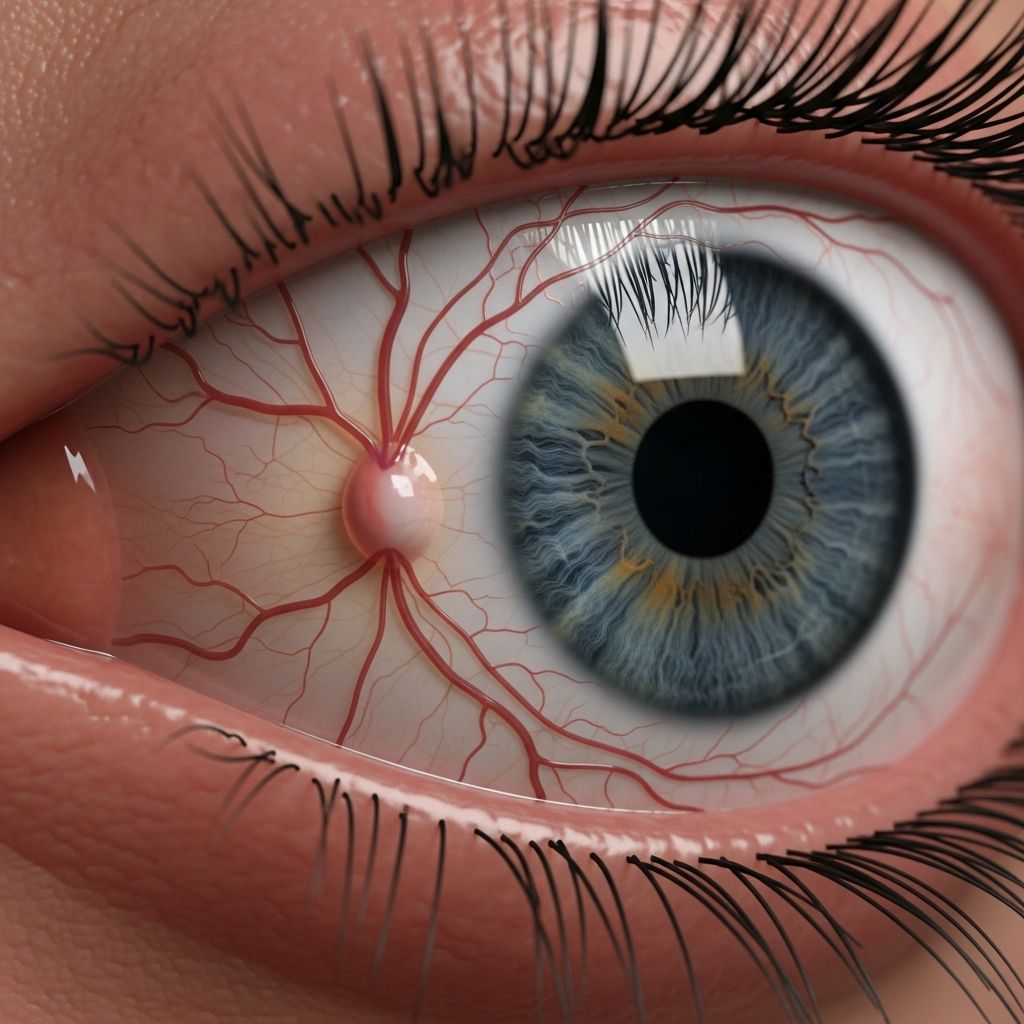
Vascular abnormalities affecting the eye represent a specialized class of medical conditions that require careful evaluation and individualized management strategies. Among these conditions, aneurysms—defined as localized dilations of blood vessel walls—can occur in various anatomical locations within and around the ocular system. These lesions range from small, asymptomatic findings discovered incidentally during routine eye examinations to larger, clinically significant abnormalities that substantially compromise vision and require urgent intervention.
Understanding the characteristics, clinical presentations, and management options for eye-related aneurysms is essential for both patients and healthcare providers. Early recognition of warning signs can facilitate timely diagnosis and prevent serious complications including permanent vision loss and life-threatening hemorrhage.
Anatomical Variations and Classification
Eye aneurysms manifest in different anatomical locations, each with distinct clinical implications. Intracranial aneurysms positioned near the optic pathways represent one category of concern, as their proximity to visual structures creates the potential for vision-affecting compression or rupture. The anterior communicating artery, a common site for intracranial aneurysm formation, carries particular significance due to its anatomical relationship with the optic nerve.
Intraorbital ophthalmic artery aneurysms constitute another distinct category, occurring within the orbital space and presenting with unique symptomatology. Retinal macroaneurysms, defined as localized dilations of retinal arteries, represent a third classification affecting the neurosensory layer of the eye.
This anatomical diversity explains why presentations vary considerably among patients. The specific location of an aneurysmal lesion determines which visual structures face compression or compromise, ultimately influencing both symptoms and treatment approaches.
Clinical Manifestations and Warning Indicators
The presence of an eye aneurysm may be entirely asymptomatic, or it may produce a constellation of vision-related and systemic complaints. Distinguishing between symptomatic and asymptomatic presentations helps guide the urgency and type of intervention required.
Asymptomatic Presentations
Many eye aneurysms, particularly smaller lesions with minimal mass effect, remain completely silent and are discovered incidentally during imaging performed for unrelated reasons. The absence of symptoms does not necessarily indicate harmlessness; some asymptomatic lesions require monitoring to detect growth or rupture risk, while others may safely be observed over extended periods without intervention.
Vision-Related Symptoms
Decreased visual acuity represents the most frequently reported symptom among patients with clinically evident eye aneurysms, occurring in the majority of affected individuals. This reduction in visual sharpness may begin subtly and progress gradually as the lesion enlarges, or it may develop acutely if hemorrhage occurs.
Visual field defects develop when aneurysmal lesions compress the optic nerve or optic chiasm. These defects may appear as localized blind spots (scotoma), loss of peripheral vision, bitemporal hemianopsia (loss of outer visual fields bilaterally), or homonymous hemianopsia (loss of the same side of visual field in both eyes). The specific pattern of field loss depends on which segment of the visual pathway experiences compression.
Blurred or double vision frequently accompanies eye aneurysms, either from direct refractive changes, corneal involvement, or misalignment of the eyes caused by mass effect on extraocular muscles.
Ocular appearance changes include exophthalmos (abnormal forward protrusion of the eye), occurring in approximately 47 percent of patients with intraorbital aneurysms. A drooping eyelid (ptosis) may indicate nerve compression, while a dilated pupil that fails to respond normally to light suggests involvement of the parasympathetic fibers within the oculomotor nerve.
Related Stories



Pain and discomfort may manifest as dull, persistent aching or sharp, episodic pain localized above and behind the affected eye, particularly with movement or pressure changes.
Systemic and Neurological Symptoms
When eye aneurysms are intracranial in location, rupture or significant mass effect may produce broader neurological manifestations. These include sudden, severe headache often described as the worst headache experienced by the patient, neck stiffness, sensitivity to light, nausea and vomiting, confusion, weakness or numbness in extremities, seizure activity, and loss of consciousness.
Diagnostic Evaluation and Imaging Modalities
Establishing a diagnosis of eye aneurysm relies on advanced imaging technology combined with careful clinical history and examination findings. Multiple imaging approaches exist, each offering specific advantages depending on the suspected location and characteristics of the lesion.
Computed Tomography (CT) and CT Angiography
CT imaging provides rapid detection of intracranial pathology and is particularly valuable in acute settings when ruptured aneurysm is suspected. CT angiography, which involves imaging during intravenous contrast administration, offers superior visualization of vascular structures and can detect both unruptured and ruptured aneurysms.
Magnetic Resonance Imaging (MRI) and MR Angiography
MRI provides exceptional soft tissue detail and can characterize the relationship between aneurysmal lesions and surrounding neural structures. MR angiography specifically visualizes blood vessel anatomy without requiring invasive catheterization.
Cerebral Angiography
Conventional cerebral angiography, considered the gold standard for intracranial vascular imaging, involves injection of contrast material into cerebral arteries followed by serial radiographic imaging. This invasive procedure provides the most detailed assessment of aneurysm anatomy, size, neck characteristics, and relationship to adjacent vessels, information critical for surgical planning. It carries small but measurable risks of stroke and other complications.
Ophthalmologic Examination Findings
Dilated fundus examination may reveal hemorrhage in the retina, subhyaloid space, or vitreous when rupture has occurred. Ophthalmologists may observe abnormal pupillary responses, restricted eye movements, or optic nerve compression signs. Visual field testing documents any deficits in peripheral or central vision.
Risk Factors and Natural History
Certain patient characteristics and medical conditions increase the likelihood of aneurysm development or rupture. Advanced age, hypertension, and connective tissue disorders constitute recognized risk factors. Smoking history and family history of aneurysm disease also influence risk stratification.
The natural history of unruptured eye aneurysms varies considerably. Some lesions remain stable over years or decades without producing symptoms or requiring intervention, while others enlarge progressively. Progression often occurs in cycles, with periods of stability alternating with intervals of growth. Regular monitoring through imaging surveillance helps identify lesions at risk of rupture or symptomatic growth.
Treatment Approaches and Clinical Decision-Making
Management strategies for eye aneurysms depend on multiple factors including lesion location, size, symptoms, rupture risk, and patient age and comorbidities. Treatment decisions represent a balance between the risks of intervention and the risks of progressive untreated disease.
Observation and Conservative Management
Many small, asymptomatic aneurysms are managed conservatively with serial imaging to monitor for growth or rupture signs. This approach recognizes that small lesions carry lower rupture risk and that intervention itself carries procedural risks. Regular follow-up imaging with MRI or CT angiography establishes whether lesions remain stable, grow slowly, or demonstrate rapid enlargement requiring more aggressive intervention.
Surgical Intervention
Surgical clipping represents a traditional approach to aneurysm management, particularly for ruptured lesions or those at high rupture risk. The procedure involves direct visualization of the aneurysm through craniotomy and placement of a clip across the aneurysm neck to exclude it from the circulation. Surgical outcomes for vision-related aneurysms show encouraging results, with approximately 80 percent of patients experiencing improvement in vision-related symptoms within six months following clipping.
Endovascular Intervention
Minimally invasive endovascular techniques offer alternatives to open surgery. These procedures involve advancing catheters through the vascular system to deliver coils, stents, or other devices that occlude the aneurysm from within the vessel. Endovascular approaches generally carry lower morbidity than open surgery, though long-term durability may differ between techniques.
Medical Management
Medical therapies primarily address modifiable risk factors that promote aneurysm growth or rupture. Blood pressure control remains paramount, as hypertension accelerates aneurysm progression. Smoking cessation, antiplatelet therapy in selected cases, and management of underlying connective tissue or vascular disorders support overall vascular health.
Prognosis and Recovery Expectations
Outcomes following aneurysm diagnosis and treatment vary based on multiple variables. Patients with small, asymptomatic lesions managed conservatively often experience excellent long-term prognosis with maintained visual function. Those undergoing intervention for symptomatic or rupture-prone aneurysms show variable recovery patterns.
Recovery of vision following treatment depends partly on the duration and severity of prior compression. Nerve structures demonstrate some capacity for recovery following relief of mechanical compression, with vision improvements often becoming apparent weeks to months after intervention. However, chronic compression may produce irreversible damage, limiting recovery potential.
When to Seek Specialized Evaluation
Patients experiencing any combination of vision changes, eye pain, eyelid drooping, pupil abnormalities, or other ocular symptoms warrant comprehensive evaluation. Those with sudden, severe headache accompanied by vision changes require urgent medical assessment to exclude ruptured aneurysm. Patients with known aneurysms require ongoing ophthalmologic and neurosurgical surveillance to monitor for progression or complications.
Frequently Asked Questions
Can an eye aneurysm cause permanent vision loss?
Yes, untreated aneurysms causing chronic compression of visual structures can result in permanent vision loss if treatment is delayed. However, many patients experience vision improvement after intervention, particularly if compression is relieved before irreversible nerve damage occurs.
Are all eye aneurysms symptomatic?
No. Many aneurysms remain completely asymptomatic and are discovered incidentally during imaging performed for unrelated reasons. Asymptomatic lesions may not require immediate intervention but typically require monitoring.
What is the rupture risk for eye aneurysms?
Rupture risk varies based on aneurysm size, location, patient age, and other factors. Smaller aneurysms generally carry lower rupture risk than larger ones, but rupture risk increases over time with lesion growth. Individual risk stratification guides treatment recommendations.
How often should aneurysms be monitored?
Monitoring intervals depend on aneurysm characteristics and rupture risk. Small, stable lesions may be imaged annually or biennially, while larger or riskier aneurysms may require more frequent surveillance.
Conclusion
Eye aneurysms represent a diverse group of vascular abnormalities requiring individualized assessment and management. Recognition of warning signs facilitates early diagnosis, while advances in imaging and intervention have substantially improved treatment outcomes. Patients experiencing vision changes, eye pain, or other suspicious symptoms should pursue prompt ophthalmologic evaluation. Those with diagnosed aneurysms benefit from regular surveillance and specialist consultation to optimize visual preservation and overall health outcomes.
References
- Warning Signs & Symptoms — Brain Aneurysm Foundation. 2024. https://www.bafound.org/understanding-brain-aneurysms/warning-signs-symptoms/
- Anterior Communicating Artery Aneurysm Related to Visual Symptoms — National Center for Biotechnology Information. PubMed Central. https://pmc.ncbi.nlm.nih.gov/articles/PMC2764022/
- Intraorbital Ophthalmic Artery Aneurysm: A Systematic Review — Surgical and Neurological International. 2024. https://surgicalneurologyint.com/surgicalint-articles/intraorbital-ophthalmic-artery-aneurysm-a-systematic-review/
- Retinal Macroaneurysm — MD Searchlight. 2024. https://mdsearchlight.com/eye-health/retinal-macroaneurysm/
- Aneurysm: What It Is, Types, Symptoms, Diagnosis & Treatment — Cleveland Clinic. 2024. https://my.clevelandclinic.org/health/diseases/22769-aneurysm
Similar Articles








Read full bio of Sneha Tete