Eye Bumps: Types, Causes, and Treatments
Discover common eye bumps like styes, chalazia, and milia, their causes, symptoms, and effective treatments for relief.
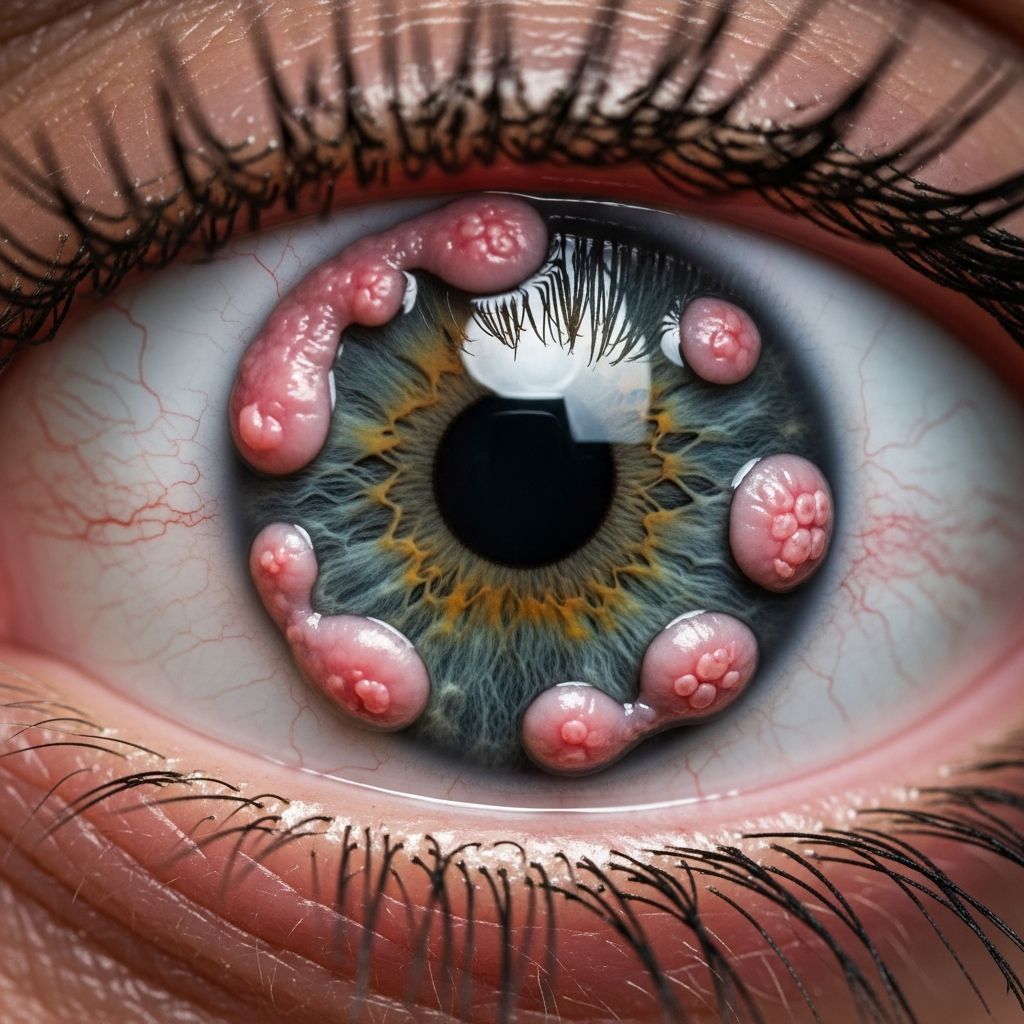
Eye bumps are common conditions that appear as small lumps or swellings around the eyelids or on the eye surface. While most are harmless and resolve on their own, some may signal underlying health issues requiring medical attention. These bumps can cause discomfort, cosmetic concerns, or vision impairment if left untreated.
Understanding the different types of eye bumps—their causes, symptoms, and treatments—is crucial for proper management. This comprehensive guide covers the most frequent eye bumps, including styes, chalazia, milia, and others, drawing from expert medical sources to help you identify and treat them effectively.
What Causes Eye Bumps?
Eye bumps typically result from blocked glands, infections, or skin conditions affecting the delicate eyelid area. The eyelids contain numerous oil-producing meibomian glands that can become clogged with debris, bacteria, or excess oil, leading to inflammation and swelling.
Common triggers include:
- Bacterial infections: Staphylococcus bacteria often cause styes.
- Oil gland blockage: Leads to chalazia and milia.
- Skin conditions: Blepharitis or rosacea can contribute.
- High cholesterol: Associated with xanthelasma.
- Trauma or allergies: Irritation from rubbing or cosmetics.
Anyone can develop eye bumps, but risk factors include poor eyelid hygiene, contact lens wear, makeup use, and chronic conditions like diabetes or blepharitis.
Stye (Hordeolum)
A stye is a painful, red bump on the eyelid edge resembling a pimple. It forms when an oil gland or hair follicle becomes infected, usually by staph bacteria.
Symptoms
- Tender, red swelling at the base of eyelashes
- Pus-filled center (after 2-3 days)
- Eye watering and light sensitivity
- Crusting of eyelids
Treatment
Most styes resolve within 1-2 weeks with conservative care:
- Warm compresses: Apply for 10-15 minutes, 4 times daily to promote drainage.
- Eyelid hygiene: Gently clean with baby shampoo solution.
- Over-the-counter pain relief: Ibuprofen for discomfort.
- Antibiotic ointment: If prescribed by a doctor.
Avoid squeezing or popping the stye, as this spreads infection. If it persists beyond 2 weeks or affects vision, seek medical drainage.
Chalazion
A chalazion develops when a meibomian gland becomes blocked, forming a painless, slow-growing lump deeper in the eyelid. Unlike styes, chalazia lack acute infection.
Symptoms
- Firm, painless swelling (2-4 weeks to develop)
- Visible eyelid bump
- Mild blurring if large
- Occasional tenderness
Treatment
Treatment mirrors styes initially:
- Warm compresses 4x daily for 10-15 minutes
- Massage gently after compresses
- Steroid injections for persistent cases
- Surgical incision if unresponsive after 4-6 weeks
Up to 50% recur if underlying blepharitis isn’t managed. According to the American Academy of Ophthalmology, consistent eyelid hygiene prevents recurrence.
Milia
Milia are tiny, hard white cysts (1-2mm) filled with keratin under the skin surface. Common around the eyes, they affect newborns and adults alike.
Symptoms
- Small white or yellowish bumps
- No pain or redness
- Clusters near eyes, cheeks, nose
Related Stories



Treatment
Milia often resolve spontaneously in months. For cosmetic removal:
- Professional extraction: Dermatologist uses lancet after exfoliation.
- Topical retinoids: Promote skin turnover.
- Chemical peels: For multiple lesions.
- Laser therapy: Ablates cysts precisely.
Avoid home extraction to prevent scarring or infection.
Xanthelasma
Xanthelasma appears as soft, yellowish cholesterol deposits on or around eyelids, often linked to high lipid levels though not always.
Symptoms
- Yellow-orange plaques near inner eye corners
- Soft, velvety texture
- Bilateral (both eyes)
- Cosmetic concern primarily
Treatment
| Method | Pros | Cons |
|---|---|---|
| Laser ablation | Precise, minimal scarring | Costly, multiple sessions |
| TCA chemical peel | Affordable | Pigmentation changes |
| Surgical excision | Definitive | Scar risk |
| Radiofrequency | Quick healing | Equipment limited |
Address underlying hyperlipidemia via diet, exercise, or statins. Recurrence common without lipid control.
Other Common Eye Bumps
Blepharitis-Related Bumps
Chronic eyelid inflammation causes flaky, red bumps from clogged glands. Treatment: Eyelid scrubs, omega-3 supplements, prescription drops.
Molluscum Contagiosum
Viral pearly bumps with central dimple. Common in children. Self-resolve or treat with cryotherapy, curettage.
Basal Cell Carcinoma
Warning: Pearly nodule with rolled edges, telangiectasia, or ulceration. Biopsy essential. Most common eyelid cancer.
Eye Bump Pictures
(Note: In a full article, high-resolution images would show comparative visuals of stye vs. chalazion, xanthelasma plaques, milia clusters, and warning signs of skin cancer.)
When to See a Doctor
Seek immediate care if:
- Bump grows rapidly or ulcerates
- Vision changes or double vision
- Severe pain unresponsive to OTC treatment
- Recurrent bumps or eyelid malposition
- Systemic symptoms (fever, fatigue)
- Suspected skin cancer features
Prevention Tips
- Remove eye makeup nightly
- Wash hands before touching eyes
- Use preservative-free artificial tears
- Maintain eyelid hygiene routine
- Control underlying conditions (rosacea, high cholesterol)
- Avoid sharing towels/eye products
Frequently Asked Questions (FAQs)
Can I pop a stye at home?
No. Popping spreads infection and delays healing. Use warm compresses instead.
How long do chalazia last?
Most resolve in 1-2 months with treatment. Surgery for persistent cases after 4-6 weeks.
Are milia dangerous?
No, they’re benign but may need cosmetic removal if persistent.
Does xanthelasma mean heart disease?
It indicates high cholesterol in 50% of cases. Get lipid panel testing.
Can eye bumps affect vision?
Yes, large chalazia or tumors can distort cornea or block vision.
References
- External Hordeolum (Stye) — American Academy of Ophthalmology. 2024-01-15. https://www.aao.org/eye-health/diseases/what-is-stye
- Chalazion — Mayo Clinic. 2025-03-22. https://www.mayoclinic.org/diseases-conditions/chalazion/symptoms-causes/syc-20353790
- Xanthelasma: What It Is, Causes, Treatment — Cleveland Clinic. 2024-08-10. https://my.clevelandclinic.org/health/diseases/23385-xanthelasma
- Meibomian Gland Dysfunction and Associated Ocular Surface Disease — National Eye Institute. 2023-11-05. https://www.nei.nih.gov/learn-about-eye-health/eye-conditions-and-diseases/dry-eye/meibomian-gland-dysfunction
- Eyelid and Orbital Tumors — American Academy of Ophthalmology. 2024-06-18. https://www.aao.org/eye-health/diseases/eyelid-tumors
Similar Articles








Read full bio of medha deb