Eye Cancer: 5 Types, Symptoms, And Treatments
Discover the types, symptoms, detection methods, and modern treatments for eye cancer to empower early intervention and vision preservation.
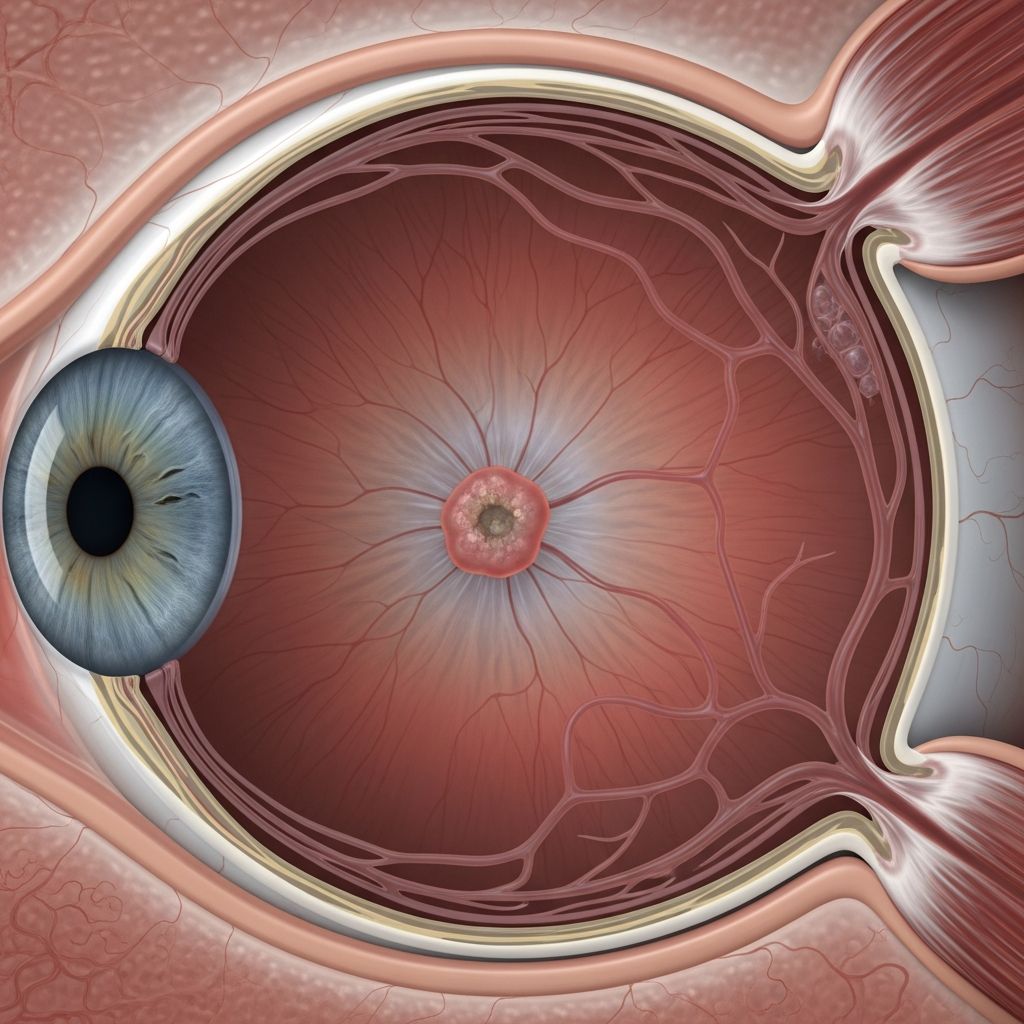
Eye cancer encompasses rare malignancies that originate in various eye structures or surrounding tissues, affecting vision and requiring prompt medical attention. These tumors, though uncommon, demand specialized care to preserve sight and manage spread.
Primary Categories of Ocular Malignancies
Ocular cancers are classified by their location and cell origin, with intraocular types being most prevalent in adults and specific forms dominant in children. Understanding these distinctions guides diagnosis and therapy selection.
- Intraocular Melanoma (Uveal Melanoma): The leading adult eye cancer, arising in the uvea—which includes the choroid, ciliary body, and iris. It primarily impacts the choroid and can silently grow before symptoms emerge.
- Retinoblastoma: Predominantly a childhood cancer targeting the retina, this hereditary or sporadic tumor often appears in young children under age five, potentially affecting both eyes.
- Conjunctival Melanoma: Develops on the conjunctiva, the eye’s outer membrane, presenting as pigmented lesions that may enlarge over time.
- Orbital Tumors: Including rhabdomyosarcoma and lacrimal gland cancers like adenoid cystic carcinoma or lymphoma, these cause proptosis or swelling in the eye socket.
- Intraocular Lymphoma: A rare non-Hodgkin lymphoma variant within the eye, often linked to systemic disease.
Recognizing Warning Signs
Many eye cancers are asymptomatic initially, detected during routine exams, but noticeable changes warrant immediate evaluation. Symptoms vary by tumor site but commonly involve visual disturbances or physical alterations.
| Tumor Type | Common Symptoms |
|---|---|
| Uveal Melanoma | Blurred vision, flashes of light, shadows in peripheral vision |
| Conjunctival Melanoma | Dark patches on sclera, raised bumps on eye surface |
| Retinoblastoma | White pupil reflex (leukocoria), strabismus, red painful eye |
| Orbital Cancers | Eye bulging, eyelid droop, pain, swelling |
| Lymphoma | Vision loss, floaters, redness |
Persistent vision changes, eye pain, discharge, iris color shifts, or eyelash loss signal potential issues. Early optometric checks can uncover hidden threats.
Diagnostic Processes
Diagnosis combines clinical exams with advanced imaging to confirm malignancy, assess size, and check metastasis. Ophthalmologists employ non-invasive tools first.
- Comprehensive dilated eye exam to visualize internal structures.
- Ultrasound (A-scan/B-scan) for tumor dimensions and composition.
- Fluorescein angiography or optical coherence tomography (OCT) for vascular and retinal details.
- Biopsy or fine-needle aspiration for genetic profiling, especially in uveal melanoma to predict spread risk.
- Systemic imaging like MRI/PET-CT or lumbar puncture for lymphoma staging.
Genetic tests, such as monosomy 3 in uveal melanoma, inform prognosis and tailor therapies.
Therapeutic Approaches
Treatments prioritize tumor eradication while maximizing vision retention, customized to cancer type, size, location, and patient health. Local therapies dominate for primary tumors.
Radiation-Based Interventions
Brachytherapy, implanting a radioactive plaque near the tumor, delivers targeted radiation over days, then removal. It’s effective for small-to-medium uveal melanomas, sparing healthy tissue.
Surgical Options
Procedures range from tumor resection to enucleation (eye removal) for advanced cases. Local excision suits conjunctival tumors; cryotherapy or laser ablation aids surface lesions.
Laser and Thermal Therapies
Transpupillary thermotherapy (TTT) uses infrared heat to shrink tumors, often post-radiation. Photodynamic therapy (PDT) combines light-activated drugs with lasers for small melanomas.
Related Stories



Systemic and Emerging Treatments
For metastatic disease, immunotherapy (e.g., tebentafusp for uveal melanoma), targeted therapies against BRAF mutations, or chemotherapy address spread. Eye drops deliver localized chemo/immuno agents for conjunctival cases.
Active surveillance monitors indolent tumors, with intervention if growth occurs.
Handling Metastatic and Recurrent Disease
Eye cancers, particularly uveal melanoma, metastasize to liver (90% of cases), lungs, or bone. Advanced stages employ systemic agents; surgical debulking targets isolated metastases. Local recurrence may necessitate enucleation or lymph node dissection.
Outlook and Prognosis Factors
Survival hinges on early detection: 95% five-year survival for localized uveal melanoma versus 20% if metastatic. Retinoblastoma cure rates exceed 95% with timely care. Favorable factors include small tumor size, no extrascleral extension, and low-risk genetics.
Preventive Measures and Risk Insight
No proven prevention exists, but fair skin, light eyes, UV exposure, and genetic predispositions (e.g., RB1 mutation for retinoblastoma) elevate risk. Routine eye exams, UV-protective eyewear, and family history awareness aid early detection.
Lifestyle Support During Treatment
Patients benefit from balanced nutrition, light exercise, and emotional support. Vision rehab, counseling, and support groups enhance quality of life post-therapy.
Frequently Asked Questions
Is eye cancer hereditary?
About 40% of retinoblastomas are hereditary due to RB1 gene mutations; uveal melanoma has familial links but is mostly sporadic.
Can eye cancer spread quickly?
Primary tumors grow slowly, but uveal melanoma often has dormant micrometastases detectable years later.
Does treatment always save the eye?
Modern techniques preserve the eye in 90% of cases; enucleation is reserved for irreparable damage.
What follow-up is needed post-treatment?
Lifelong imaging and liver function tests monitor for recurrence, especially in high-risk profiles.
Are there clinical trials for eye cancer?
Yes, trials explore novel immunotherapies and gene therapies; consult specialists for eligibility.
References
- Types of eye Cancer — Cancer Research UK. 2023. https://www.cancerresearchuk.org/about-cancer/eye-cancer/stages-types/types
- Eye Cancer: Symptoms, Types & Treatment — Cleveland Clinic. 2024-01-15. https://my.clevelandclinic.org/health/diseases/17292-eye-cancer
- Eye cancer (ocular melanoma) — Macmillan Cancer Support. 2024. https://www.macmillan.org.uk/cancer-information-and-support/melanoma/eye-cancer
- Eye Cancer – Symptoms, Diagnosis and Treatments — UC Health. 2023-11-20. https://www.uchealth.com/en/conditions/eye-cancer
- Ocular (Eye) Cancer – Symptoms and Causes — Penn Medicine. 2024. https://www.pennmedicine.org/conditions/ocular-eye-cancer
- Treatments for eye cancer — Canadian Cancer Society. 2024-02-10. https://cancer.ca/en/cancer-information/cancer-types/eye/treatment
Similar Articles








Read full bio of medha deb