Eye Cancer: Symptoms, Causes, Treatments, Essential Guide
Comprehensive guide to eye cancer: understanding symptoms, types, and modern treatment options.
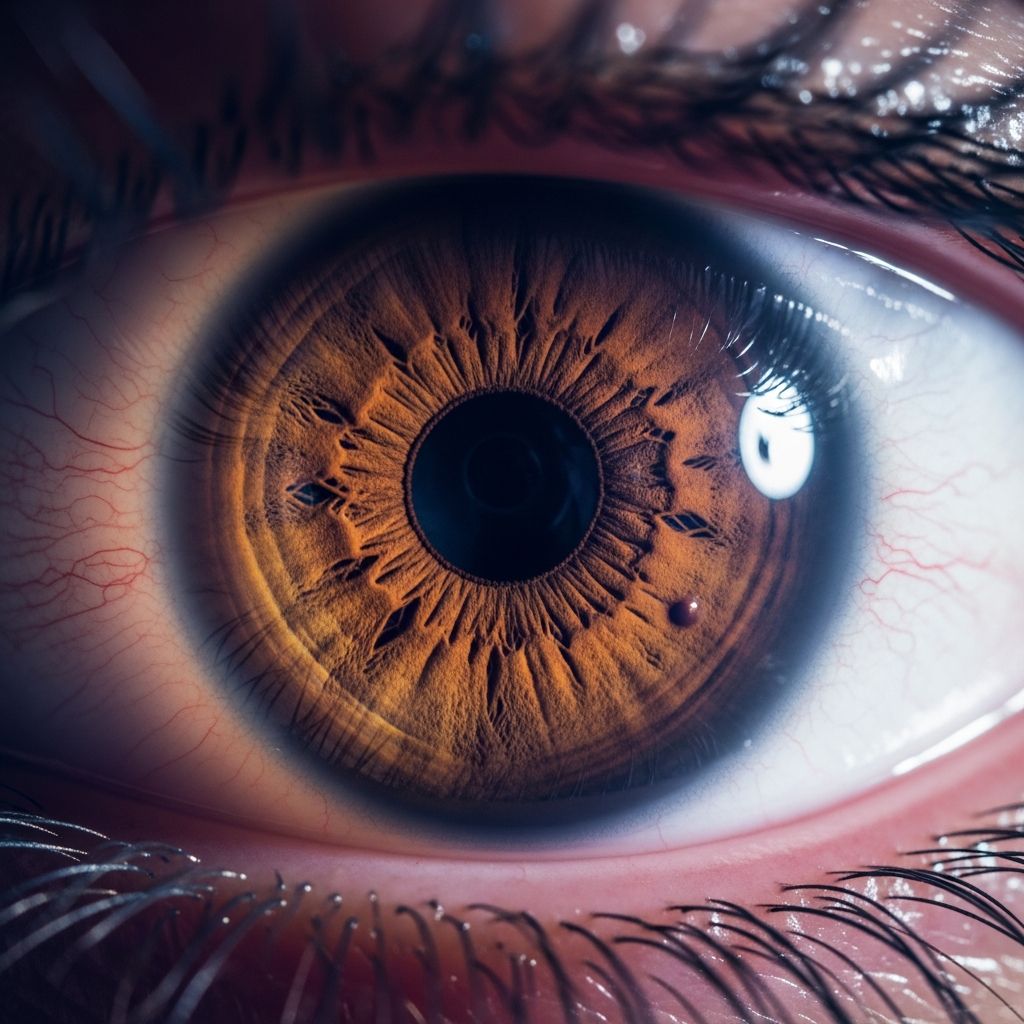
Understanding Eye Cancer
Eye cancer represents a group of rare malignancies that originate in the cells within your eyeball and in nearby structures, including your eyelids and tear ducts. While all forms of eye cancer are extremely uncommon, early detection and treatment can often prevent the spread of disease and preserve vision. The most prevalent types include uveal melanomas, which develop in the middle portion of your eye called the uvea, and retinoblastoma, a cancer that typically affects young children.
Healthcare providers categorize eye cancers based on where the cancer starts, its specific location within your eye, and the types of cells involved. Understanding these distinctions is crucial for determining the appropriate treatment strategy and predicting patient outcomes.
Types of Eye Cancer
Eye cancer encompasses several distinct types, each with unique characteristics and treatment considerations:
Uveal Melanoma (Intraocular Melanoma)
Intraocular melanoma is the most common form of eye cancer in adults. This rare cancer affects the uvea, which is the middle part of the eye. The disease causes melanocytes—the cells that produce pigment or color—to grow out of control. The uvea consists of three components where melanoma can develop: the iris (the colored part of the eye), the ciliary body (the muscle fibers behind the iris), or the choroid (the tissue within the eye’s blood vessels).
Intraocular melanoma is caused by a mutated gene that causes melanocytes within the eye to grow and mutate, leading to tumor formation. The cancer can lead to changes in vision or vision loss, and in some cases, it can spread to other parts of the body, particularly the liver.
Retinoblastoma
Retinoblastoma is another significant type of eye cancer, particularly affecting children. This malignancy develops in the retina, the light-sensitive tissue at the back of the eye, and represents one of the most common eye cancers in pediatric populations.
Other Eye Cancers
Additional eye cancer types treated by specialized oncologists include iris melanoma, ocular melanoma, and retinal cancer. Cleveland Clinic’s ophthalmic oncology specialists treat all types of eye tumors, ranging from benign conditions to malignant cancers and metastatic disease.
Risk Factors for Eye Cancer
Several factors may increase your risk of developing intraocular melanoma. Most of these risk factors cannot be controlled, including age and race. However, understanding these factors can help you take preventive measures:
- Age: Risk typically increases with advancing age
- Race: Certain racial backgrounds show higher incidence rates
- Genetic predisposition: Family history of melanoma or eye cancer
- Eye color: Lighter eye colors may be associated with increased risk
- Occupational exposure: Prolonged exposure to certain chemicals or radiation
- Personal history: Previous melanoma or other skin cancers
Frequent eye examinations with an ophthalmologist remain the best protective measure you can take to safeguard your eyes.
Related Stories



Symptoms of Eye Cancer
Many individuals with eye cancer experience no symptoms during the early stages of disease. This is why regular eye examinations are particularly important for early detection. When symptoms do appear, they may include:
- Vision changes or blurred vision
- A dark spot or shadow on the iris or white of the eye
- Changes in eye shape or appearance
- Changes in eye color or unusual pigmentation
- Eye pain or discomfort
- Floaters or flashing lights in vision
- Partial or complete vision loss
- Bulging of the eye
Any vision changes or unusual eye symptoms should be evaluated immediately by an eye care professional. Irregular findings during routine eye exams are usually the first sign of eye cancer for many patients.
Diagnosis of Eye Cancer
Accurate diagnosis is essential for developing an effective treatment plan. If eye cancer is suspected, your doctor will perform a comprehensive evaluation:
Initial Examination
Your healthcare provider will first evaluate your symptoms and medical history. A thorough eye examination will then be performed, during which your vision will be checked and the inside of your eye and its surrounding structures will be examined closely. Your pupils may be dilated with special eye drops to help your doctor see the structures at the back of the eye.
Advanced Diagnostic Tests
Additional diagnostic tests may include photography to document any changes from prior exams, angiograms to visualize blood flow, OCT scans (laser-based scans measuring thickness and depth), and ultrasonographic scans to assess depth, shape, and size of lesions. These advanced imaging techniques allow accurate measurement and characterization of tumors.
Cancer Staging
If cancer is detected, further diagnostic tests will be performed to stage the cancer. Cancer staging helps providers determine how advanced cancer is and uses this information to plan treatments and gauge your prognosis—the likely outcome of your condition.
There are two common staging systems for eye cancer. Providers stage cancer by assessing various factors including tumor size, location, and extent of spread. They consider this information together to assign eye cancer a stage between I and IV, with I being the least advanced and IV meaning the cancer is more advanced.
Treatment Options for Eye Cancer
Treatment for eye cancer varies depending on tumor size, location, and whether it has spread beyond the eye. Small intraocular melanomas that are not impairing vision may sometimes be monitored before treatment is recommended.
Radiation Therapy
Radiation therapy is one of the most common treatments for eye cancer. Brachytherapy, a specialized type of radiation therapy, involves placing radioactive material directly against the tumor to deliver high doses of radiation while minimizing exposure to surrounding healthy tissue. This treatment approach has proven highly effective, eliminating 95% of small and medium intraocular melanomas.
Radioactive plaque therapy represents a cutting-edge advancement that may be used to save the eye while treating the cancer. This technique uses blood biomarkers to guide surveillance and treatment of melanoma.
Surgical Interventions
Surgery is a common treatment option, especially for small tumors that haven’t spread beyond your eyeball. Surgical procedures may include:
- Tumor resection: Removal of the cancerous tissue
- Enucleation: Removal of the entire eye (typically reserved for advanced cases)
- Iridectomy: Removal of the iris portion affected by cancer
- Vitrectomy: Removal of the gel-like substance in the eye
Laser Therapy
Laser therapy uses heat to destroy eye cancer cells. The most common type is transpupillary thermotherapy (TTT). During this procedure, infrared light delivers concentrated heat toward the tumor, destroying cancer cells. Providers may use this treatment on its own or after brachytherapy to prevent cancer from returning.
Multidisciplinary Treatment Approach
At specialized treatment centers like Cleveland Clinic, multidisciplinary teams meet daily to discuss each patient’s needs, their progress, and to determine the best treatment plan. This collaborative approach ensures that patients receive comprehensive, personalized care addressing their unique circumstances.
Prognosis and Outcomes
Your prognosis, or likely treatment outcome, depends on many factors, including the tumor’s size, location, and how much it has spread. With the most common types of eye cancer, treatment success depends significantly on early diagnosis.
While eye cancer may not always be curable, its growth within your eyeball can often be contained. The advancement of modern treatment techniques has improved survival rates and vision preservation outcomes substantially.
Side Effects and Vision Considerations
Side effects of eye cancer treatment depend on the type of treatment your provider recommends. As these treatments target your eye, it is possible that you will experience vision changes. One of the most significant risks is partial or complete vision loss. Some vision loss is common with intraocular melanoma, but the amount of vision loss depends on the size of the melanoma and how long you have had it. Long-term melanomas may cause complete vision loss.
These risks should be thoroughly discussed with your healthcare provider before beginning treatment to allow for informed decision-making.
Prevention and Early Detection
Since most eye cancers don’t cause symptoms in the early stages, irregular findings during an eye exam are usually the first sign of eye cancer. Regular eye examinations are crucial for detecting vision problems and other conditions affecting your eyes.
Follow your vision care provider’s guidance on how often you need regular eye exams. For individuals with known risk factors or a family history of eye cancer, more frequent examinations may be recommended. Early detection dramatically improves treatment outcomes and the possibility of vision preservation.
When to Seek Professional Help
Contact an eye care professional immediately if you experience any of the following:
- Sudden vision changes or blurred vision
- Persistent eye pain
- Visible changes in eye appearance or color
- Shadows or dark spots in your field of vision
- Floaters that appear suddenly or in large numbers
- Any unusual symptoms affecting your eyes
Questions to Ask Your Healthcare Provider
When diagnosed with eye cancer, you may have several questions about your condition and treatment options. Important questions to consider asking your healthcare provider include:
- What type of eye cancer do I have, and what is its stage?
- What treatment options are available for my specific condition?
- What are the benefits and risks of each treatment option?
- Will treatment affect my vision?
- How often will I need follow-up appointments?
- What is my prognosis with recommended treatment?
- Are there clinical trials available for my condition?
- What support resources are available for patients and families?
Frequently Asked Questions
What is the most common type of eye cancer in adults?
Intraocular melanoma (uveal melanoma) is the most common form of eye cancer in adults. It affects the uvea, the middle part of the eye, and causes melanocytes to grow out of control.
Can eye cancer be cured?
While eye cancer may not always be curable, its growth within the eyeball can often be contained through modern treatment techniques. Early detection and treatment significantly improve outcomes and increase the possibility of vision preservation.
Does eye cancer always cause symptoms?
No. Most eye cancers do not cause symptoms in early stages. This is why regular eye examinations are crucial for early detection, as irregular findings during routine exams are usually the first sign of eye cancer.
How effective is brachytherapy for treating eye cancer?
Brachytherapy is highly effective, eliminating 95% of small and medium intraocular melanomas. This specialized radiation therapy delivers high doses of radiation directly to the tumor while minimizing exposure to surrounding healthy tissue.
What is the recovery time after eye cancer treatment?
Recovery time varies depending on the type of treatment received. Your healthcare provider will provide specific guidance on recovery expectations and any activity restrictions following your particular treatment.
Can eye cancer spread to other parts of the body?
Yes, eye cancer, particularly intraocular melanoma, can spread to other parts of the body, with the liver being a common site of metastasis. This underscores the importance of early detection and comprehensive treatment.
How often should I have eye exams if I’m at risk for eye cancer?
Individuals with risk factors or family history of eye cancer should follow their vision care provider’s recommendations for examination frequency. Generally, more frequent exams may be recommended for those at higher risk.
What makes Cleveland Clinic’s eye cancer treatment unique?
Cleveland Clinic offers specialized knowledge and advanced training in treating all types of eye tumors. Eye specialists throughout the country and around the world send patients to Cleveland Clinic for treatment of rare eye tumors, utilizing cutting-edge techniques like radioactive plaque therapy.
References
- Ophthalmic Oncology: Eye & Retinal Cancer — Cleveland Clinic. https://my.clevelandclinic.org/departments/eye/services/ophthalmic-oncology
- Intraocular Melanoma Program — Cleveland Clinic Abu Dhabi. https://www.clevelandclinicabudhabi.ae/en/cancercenter/cancer-programs/eye-cancer/intraocular-melanoma-program
- Eye Cancer Treatment — Cleveland Clinic. https://my.clevelandclinic.org/services/eye-cancer-treatment
- Advances in Diagnosing and Treating Iris Melanoma — Cleveland Clinic Cancer Advances Podcast. https://my.clevelandclinic.org/podcasts/cancer-advances/advances-in-diagnosing-and-treating-iris-melanoma
- Eye Cancer: Symptoms, Types & Treatment — Cleveland Clinic. https://my.clevelandclinic.org/health/diseases/17292-eye-cancer
- Intraocular Melanoma: Treatment, Symptoms & Definition — Cleveland Clinic. https://my.clevelandclinic.org/health/diseases/6134-intraocular-melanoma
Similar Articles








Read full bio of medha deb