Eye Discharge: Causes, Types & Treatment
Understanding eye discharge: Learn about causes, symptoms, and effective treatment options for eye health.
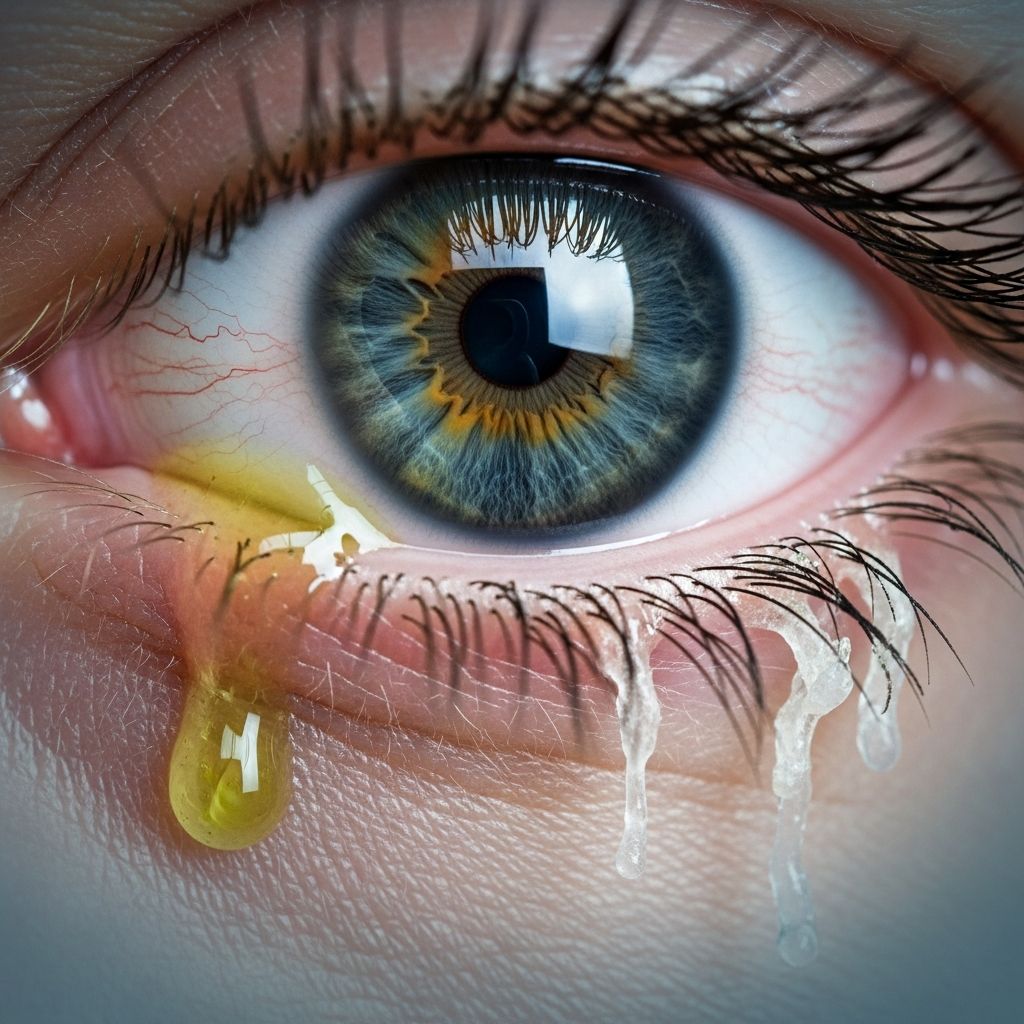
Eye discharge, commonly known as eye mucus or “sleep” in your eyes, is a natural part of eye function. Your eyes continuously produce a protective layer consisting of water, oil, and mucus that keeps them lubricated and healthy. However, when discharge becomes excessive, changes color, or develops an unusual texture, it may indicate an underlying condition that requires attention. Understanding the differences between normal and abnormal eye discharge is essential for maintaining optimal eye health and recognizing when professional care is needed.
What is Eye Discharge?
Eye discharge is a normal secretion produced by your eyes to maintain moisture and protection. The tear film covering your eyes consists of three layers: an outer oily layer, a middle watery layer, and an inner mucous layer. This combination keeps your eyes lubricated, removes debris, and protects against infection. Normal eye discharge typically appears as a small amount of clear or slightly cloudy material, often noticed upon waking or after prolonged eye closure.
However, excessive or abnormal eye discharge differs significantly from this natural process. Abnormal discharge may indicate that your eye is irritated, inflamed, or dealing with an infection or other health issue. The key differences include changes in texture, color, or volume that are unusual for you personally. If you notice your eyes producing more discharge than typical, or if the discharge appears thick, colored, or stringy, these may be warning signs requiring professional evaluation.
Types of Eye Discharge
Watery Discharge
Watery eye discharge often indicates excessive tear production in response to irritation, allergies, or dry eye conditions. Paradoxically, dry eye disease can trigger excessive watery discharge as your eye attempts to compensate for inadequate tear film. This type of discharge is typically clear and flows easily, distinguishing it from thicker, more viscous discharge associated with infections.
Sticky or Stringy Discharge
Sticky, stringy discharge is often associated with dry eye disease. When your eyes lack sufficient oil or water in the tear film, the remaining mucus becomes concentrated and forms a sticky residue. This type of discharge can feel uncomfortable and may temporarily blur vision when it accumulates on the eye surface.
Thick, Colored Discharge
Yellow, green, or white thick discharge frequently indicates bacterial infection, such as bacterial conjunctivitis or pink eye. This discharge often crusts over the eyelashes and eyelids, particularly after sleeping, and may require antibiotic treatment. The presence of colored, purulent drainage is a classic sign of bacterial infection requiring professional evaluation.
Clear or Mucoid Discharge
Clear discharge may accompany viral infections, allergies, or environmental irritation. While often less concerning than thick, colored discharge, this type still warrants attention if it persists or is accompanied by other symptoms like redness or itching.
Common Causes of Eye Discharge
Infections
Eye infections are among the most common causes of abnormal discharge. Bacterial conjunctivitis produces thick, purulent drainage that persists throughout the day and may lead to crusting on the eyelashes and eyelids. Viral infections typically cause watery or clear discharge and are often self-limiting. Fungal infections, though less common, can also produce discharge and require specific antifungal treatment.
Related Stories



Dry Eye Disease
Dry eye disease is a chronic condition affecting the eye’s surface tissue. It occurs when your eyes don’t produce enough tears or when tears lack sufficient oil to prevent rapid evaporation. This condition produces sticky, stringy mucus discharge as your eye attempts to protect itself. The tear film requires proper balance of water, oil, and mucus; without adequate oil content, tears evaporate too quickly, leaving concentrated mucus behind.
Allergies
Allergic reactions cause the eyes to produce excess discharge as a protective response. Allergens trigger histamine release, leading to itching, redness, and watery or mucoid discharge. Seasonal allergies, pet allergies, and reactions to environmental irritants commonly cause this type of discharge.
Tear Duct Blockage (Dacryocystitis)
Dacryocystitis involves inflammation of your tear duct system, typically beginning with a blockage that traps bacteria and causes infection. This condition produces a painful bump on the inside of your eyelid and may result in watery or sticky eye discharge. Babies can be born with tear duct blockages, which often resolve independently but sometimes require professional treatment.
Environmental Irritants
Smoke, dust, chlorine, and other environmental substances can irritate your eyes and trigger discharge production. These irritants may also cause redness, burning sensations, and a gritty feeling in the eyes.
Contact Lens Issues
Poor contact lens hygiene, prolonged wear, or allergic reactions to lens solutions can cause discharge. Contact lens wearers should maintain strict hygiene practices and follow their eye care professional’s recommendations for wear schedules and solution changes.
Symptoms Associated with Eye Discharge
Beyond the discharge itself, several symptoms may accompany abnormal eye secretions:
- Redness or bloodshot appearance
- Itching or burning sensations
- Foreign body sensation, feeling like something is stuck in your eye
- Blurred or hazy vision
- Crusting on eyelashes or eyelids
- Swelling of the eyelids
- Light sensitivity
- Eye pain
- Matting of eyelashes
The presence of multiple symptoms alongside abnormal discharge increases the likelihood of a significant underlying condition requiring professional treatment.
When to Seek Professional Care
You should contact an eye care specialist if you experience any of the following:
- Excessive eye discharge with an unusual texture or color
- Eye discharge accompanied by pain, swelling, or redness
- Vision changes or decreased vision
- Recent eye injury
- Discharge that doesn’t improve with home care within a few days
- Symptoms affecting only one eye that don’t resolve
- Discharge that affects your daily activities or comfort
- Signs of infection, such as thick yellow or green discharge
While some conditions resolve independently with home care, others require medication or professional intervention. Certain infections can become dangerous if left untreated, making professional evaluation important when symptoms persist or worsen.
Diagnostic Process
Eye care specialists employ several methods to diagnose the cause of abnormal discharge. A comprehensive eye examination includes assessment of visual acuity, external eye examination, and evaluation of the eyelids and tear drainage system. Your eye care professional may use specialized lighting to examine the eye surface and interior structures.
For suspected bacterial infections, a soft-tipped swab collects fluid from your eye for laboratory testing. This culture and sensitivity testing identifies the specific bacteria causing infection and determines which antibiotics will be most effective. Your provider may also perform allergy testing if allergies appear to be the underlying cause.
Treatment Options
Home Care Measures
For mild cases of eye discharge, several home care strategies can provide relief:
- Warm compresses applied to closed eyelids reduce discomfort and help soften crusted discharge
- Gentle eyelid cleaning with a clean, soft cloth removes debris and discharge
- Artificial tears provide lubrication and comfort
- Avoiding eye rubbing prevents further irritation
- Good hygiene practices, including handwashing before touching eyes
Artificial Tears
Over-the-counter artificial tears help lubricate your eyes and provide relief from discomfort associated with dry eyes and irritation. These drops come in various formulations, with some containing lubricating ingredients like carboxymethylcellulose, hydroxypropyl methylcellulose, glycerin, castor oil, polyethylene glycol, or polyvinyl alcohol. Not all artificial tear brands work equally for every person; you may need to try different formulations to find the most effective option for your specific needs.
Topical Antibiotics
For bacterial infections, topical antibiotic eye drops or ointments represent the first-line treatment for most cases of bacterial conjunctivitis. These medications often include components to address eye pain and discomfort alongside the infection. Antibiotic selection depends on the bacteria identified through culture testing.
Antihistamines
Over-the-counter antihistamines help manage eye discharge related to allergies by reducing histamine-mediated inflammation and discharge production. These medications address the underlying allergic response rather than just treating symptoms.
Systemic Antibiotics
Certain bacterial infections, particularly gonococcal and chlamydial conjunctivitis, require systemic antibiotic treatment in addition to or instead of topical medications. These infections can have serious systemic implications if not appropriately treated.
Tear Duct Treatments
When tear duct blockage causes discharge, treatments may include warm compresses, gentle massage, or in some cases, surgical procedures to clear blockages. For dacryocystitis, antibiotic treatment addresses the bacterial infection component.
Eye Irrigation and Flushing
If an irritant gets in your eye, immediate flushing is essential. Rinse your eyes with warm water for at least five minutes, allowing water to flow across the eye surface and remove the irritant. If a strong acid or alkaline substance enters your eye, perform the same flushing procedure but seek immediate emergency medical attention afterward, as chemical burns require urgent professional care.
Prevention Strategies
Maintaining good eye health can help prevent many causes of abnormal discharge:
- Practice excellent hand hygiene, washing hands before touching your eyes
- Avoid sharing eye makeup, eye drops, or personal eye care items
- Clean and replace contact lenses according to professional recommendations
- Remove contact lenses if your eyes become uncomfortable or irritated
- Protect your eyes from environmental irritants with appropriate eyewear
- Maintain proper eyelid hygiene, especially if prone to dry eye or blepharitis
- Ensure adequate indoor humidity, particularly in dry climates or during heating seasons
- Take regular breaks from screen time to reduce eye strain
- Follow recommended allergy management strategies during high pollen seasons
Frequently Asked Questions
Is eye discharge always a sign of infection?
No, eye discharge is not always indicative of infection. While thick, colored discharge often suggests bacterial infection, clear or watery discharge may result from allergies, dry eye, or environmental irritation. Normal eye discharge also occurs naturally as part of your eye’s self-cleaning process. However, any significant change in your discharge pattern warrants professional evaluation.
Can eye discharge resolve on its own?
Some eye discharge causes do resolve independently with home care and time. Viral conjunctivitis, for example, typically clears within one to two weeks without specific treatment. However, bacterial infections usually require antibiotic treatment, and persistent discharge may indicate a condition requiring professional intervention.
Should I avoid wearing contact lenses if I have abnormal discharge?
Yes, you should remove contact lenses if experiencing abnormal eye discharge and consult your eye care professional before reinserting them. Contact lenses can trap bacteria and irritants against your eye, worsening infection or irritation. Wait until your condition resolves before resuming lens wear.
How long does it take for eye discharge to improve with treatment?
Response time depends on the underlying cause. Bacterial infections typically begin improving within one to two days of starting appropriate antibiotics, with symptoms often resolving within a week. Viral infections may take several days to two weeks. Your eye care professional can assess your progress and adjust treatment if needed.
Can I use the same eye drops in both eyes?
If both eyes are affected by the same condition, you may use the same eye drops. However, if only one eye is infected or irritated, use separate bottles or droppers to prevent spreading infection or contamination to the unaffected eye.
What should I do if eye discharge worsens despite treatment?
If your condition worsens or doesn’t improve within several days of treatment, contact your eye care specialist. This may indicate that the initial diagnosis was incorrect, the infection isn’t responding to the prescribed medication, or a different underlying condition is present. Your provider may order additional testing or adjust your treatment plan.
References
- Eye Discharge (Eye Mucus): Causes, Types & Treatment — Cleveland Clinic. 2024-04-24. https://my.clevelandclinic.org/health/symptoms/eye-discharge
- Bacterial conjunctivitis: a review for internists — National Institutes of Health/PubMed. 2008. https://pubmed.ncbi.nlm.nih.gov/18646586/
- Pink Eye (Conjunctivitis): Symptoms, Treatment & Causes — Cleveland Clinic. 2024. https://my.clevelandclinic.org/health/diseases/pink-eye-conjunctivitis
- Eye Infection: Symptoms, Causes & Treatment — Cleveland Clinic. 2024. https://my.clevelandclinic.org/health/diseases/25000-eye-infection
- Dry Eye Symptoms & Treatment in Cleveland, Ohio — Cleveland Eye Clinic. https://clevelandeyeclinic.com/dry-eye-ohio/
Similar Articles








Read full bio of Sneha Tete