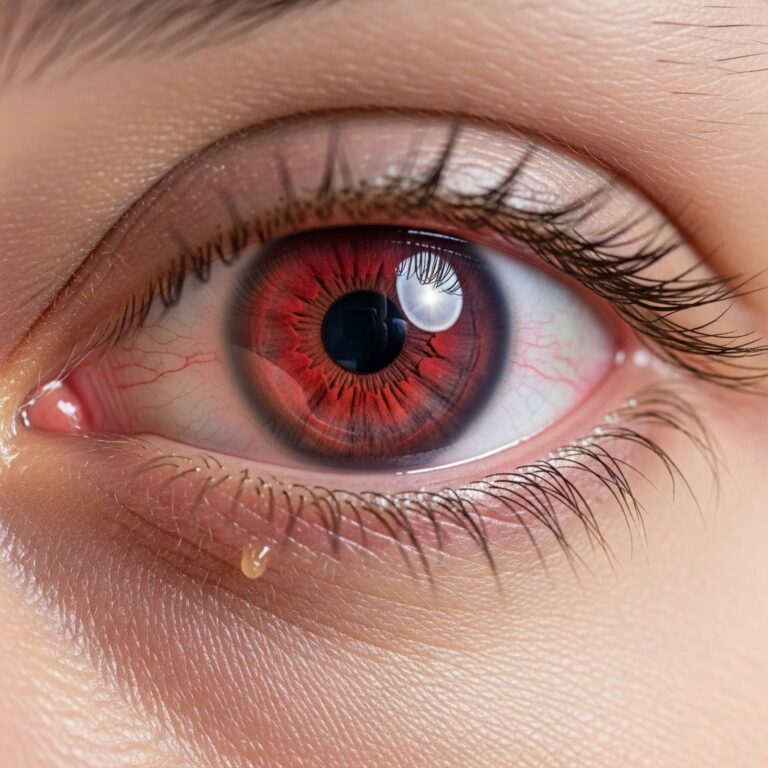
Eye Drops Guide: Types, Use, Storage, And Safety
Discover types, safe usage, and expert tips for eye drops to relieve dryness, allergies, and more effectively.

Eye drops serve as a vital tool for managing various ocular discomforts, from everyday dryness to more serious conditions requiring medical intervention. Available in over-the-counter and prescription forms, they target specific symptoms while promoting overall eye comfort. This guide explores their categories, application methods, storage needs, and essential safety measures to help users make informed choices.
Understanding the Role of Eye Drops in Eye Care
Eye drops deliver medication or lubrication directly to the eye’s surface, offering rapid relief for issues like irritation, inflammation, or infection. Over-the-counter options address mild problems, while prescription varieties tackle complex conditions under professional supervision.
Common applications include supplementing natural tear production, reducing allergic responses, combating bacterial growth, and controlling intraocular pressure. Selecting the appropriate type depends on the underlying cause, ensuring effective treatment without unintended side effects.
Categories of Over-the-Counter Eye Drops
Most eye drops purchased without a prescription focus on symptomatic relief for non-serious issues. These products mimic natural tears or neutralize irritants, providing quick comfort.
Lubricating Drops for Dryness
**Artificial tears** stand out as the primary solution for dry eyes, a condition affecting millions due to age, environment, or hormonal shifts. These drops replicate the composition of natural tears, coating the eye to prevent friction and maintain hydration.
- Preservative-containing versions suit occasional use in multi-dose bottles.
- Preservative-free options, often in single-use vials, benefit frequent applications (more than four times daily) to avoid irritation.
For evaporative dry eye, lipid-based formulas reduce tear evaporation by enhancing the oily layer. Aqueous-deficient types boost tear volume directly.
Decongestants for Red Eyes
Redness-relief drops constrict blood vessels, temporarily whitening the eyes. Ideal for minor irritation from fatigue or environment, but overuse leads to rebound redness, worsening the issue.
Experts advise limiting use to a few days and consulting a doctor if symptoms persist.
Antihistamine Drops for Allergies
Allergic reactions trigger histamine release, causing itchiness, redness, and watering. Antihistamine drops block this response, easing discomfort from pollen, dust, or pets.
Combination formulas also lubricate, addressing dryness secondary to allergies.
Rewetting Solutions for Contact Lens Wearers
Designed specifically for lens users, these drops hydrate contacts and eyes, countering dryness from prolonged wear.
Prescription Eye Drops: Targeted Therapies
When over-the-counter options fall short, prescription drops provide stronger interventions, prescribed after diagnosis.
Antibiotics for Infections
Bacterial conjunctivitis (pink eye) and post-surgical prevention require antibiotic drops to eliminate pathogens. Not available over-the-counter, these target specific bacteria effectively.
Anti-Inflammatory and Immunosuppressant Options
Severe dry eye or inflammation may need steroid or cyclosporine drops to reduce swelling and modulate immune responses.
Glaucoma Medications
These lower intraocular pressure by decreasing fluid production or improving drainage, safeguarding the optic nerve from damage. Consistent daily use is crucial, as glaucoma often progresses silently.
Related Stories



Dilating and Numbing Agents
Cycloplegic drops relax eye muscles for exams; anesthetics numb for procedures. Color-coded caps aid identification.
Mastering the Art of Eye Drop Application
Proper technique maximizes benefits and minimizes contamination risks.
- Wash hands thoroughly.
- Tilt head back, pull down lower lid to form a pocket.
- Avoid touching the dropper tip to the eye or lid.
- Instill prescribed drops, close eye gently, and press inner corner for 1-2 minutes to prevent drainage.
- Wait 5 minutes between different drop types.
For contacts, remove lenses first unless specified otherwise.
Storage and Shelf Life Essentials
Maintain efficacy by storing drops properly:
- Keep at room temperature, away from heat or direct light.
- Refrigerate if instructed, but avoid freezing.
- Discard opened bottles after 28 days or per label; single-use vials immediately after use.
| Drop Type | Storage Temp | Shelf Life Post-Opening |
|---|---|---|
| OTC Lubricants | Room temp | 1 month |
| Prescription | As labeled | Per instructions |
| Refrigerated | 2-8°C | Check expiry |
Potential Risks and Side Effects
While generally safe, misuse poses risks. Overuse of decongestants causes dependency; preservatives irritate sensitive eyes. Contaminated drops risk infection, as seen in rare CDC alerts for specific brands.
Prescription drops may sting initially or cause blurred vision. Always report persistent effects to a provider.
When to Seek Professional Advice
Consult an eye care specialist if symptoms include:
- Severe pain, vision changes, or light sensitivity.
- Discharge, swelling, or symptoms lasting over 3 days.
- No improvement from OTC use.
Annual exams detect underlying issues early.
Advanced Treatments Beyond Drops
For chronic conditions, options like OptiLight (IPL therapy) improve gland function, or PROKERA bandages promote healing.
Frequently Asked Questions
Can I use eye drops with contacts?
Yes, with rewetting drops; remove lenses for other types.
Are preservative-free drops better?
Preferred for frequent use to minimize irritation.
How often can I use artificial tears?
Up to 4 times daily for preserved; more with preservative-free.
What if drops sting?
Common initially; persistent stinging warrants medical review.
Do eye drops expire?
Yes; check dates and discard outdated products.
References
- Types of Eye Drops: Learning the Difference — Pinnacle ASC. 2023. https://pinnacleasc.com/news/types-of-eye-drops-learning-the-difference
- 4 Types of Eye Drops and How to Use Them Safely — AARP. 2024-01-25. https://www.aarp.org/health/conditions-treatments/types-of-eye-drops-and-how-to-use-them/
- How to Choose the Right Eye Drops for Dry Eye Relief — Chesapeake Eye Care. 2023. https://www.chesapeakeeyecare.com/blog/how-to-choose-the-right-eye-drops-for-dry-eye-relief
- How to find the best eye drops for your symptoms — All About Vision. 2024. https://www.allaboutvision.com/eye-care/eye-drops/how-to-choose/
- Understanding the Different Types of Eye Drops — ReFocus Eye Doctors. 2023. https://stamford.refocuseyedoctors.com/article/understanding-the-different-types-of-eye-drops/
- Artificial tears: How to select eye drops for dry eyes — Mayo Clinic. 2024. https://www.mayoclinic.org/diseases-conditions/dry-eyes/expert-answers/artificial-tears/faq-20058422
- Eye Drops: Types, Uses, Potential Risks & Benefits — Cleveland Clinic. 2024-02-01. https://my.clevelandclinic.org/health/treatments/eye-drops
Similar Articles








Read full bio of Sneha Tete