Eye Exams: A Complete Step-By-Step Guide For Your Next Visit
Master the fundamentals of eye exams: from preparation tips to detailed procedures and lifelong vision care strategies for optimal eye health.
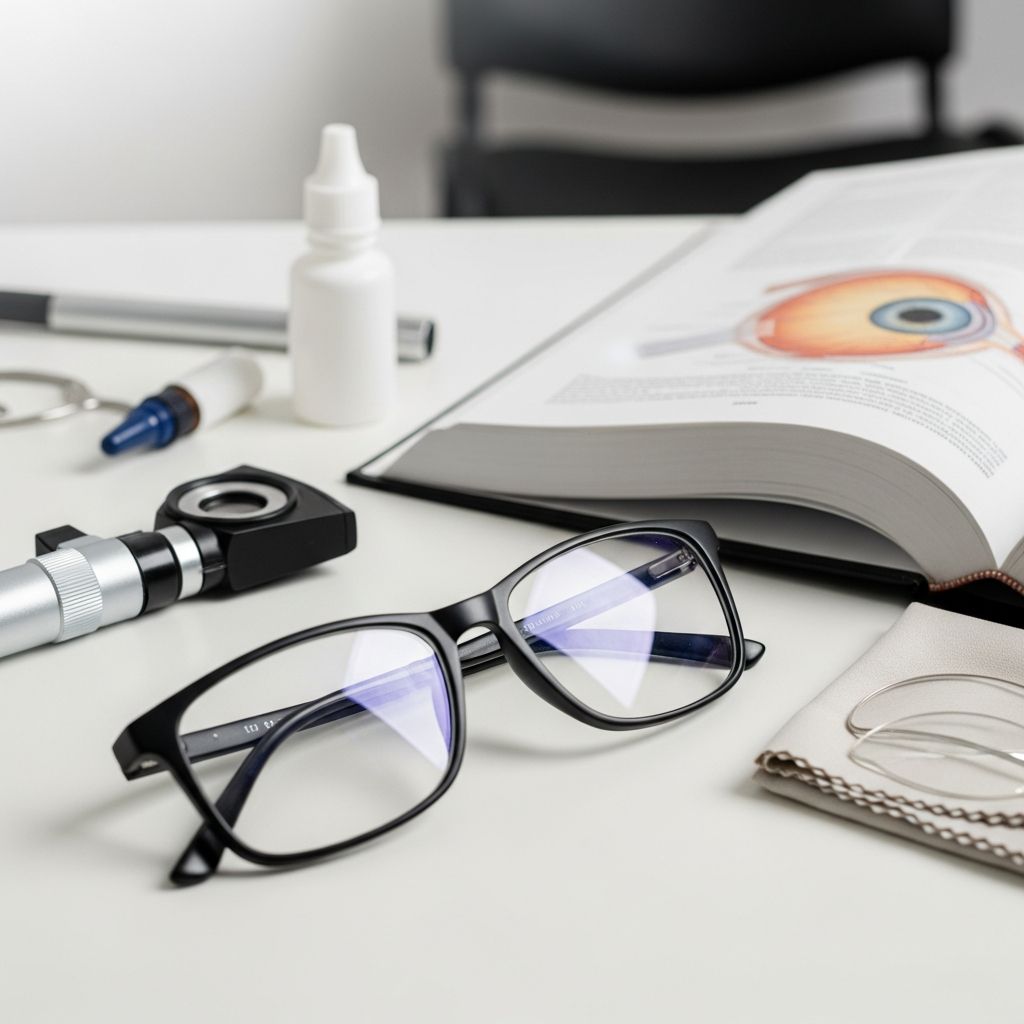
Regular eye examinations serve as a cornerstone of preventive healthcare, enabling early detection of vision impairments and systemic diseases. These assessments go beyond simple sight checks, evaluating overall ocular integrity and linking it to broader health indicators.
Why Prioritize Routine Eye Checkups
Eye exams play a pivotal role in maintaining clear vision and identifying potential health risks before symptoms manifest. They can reveal conditions such as diabetes, high blood pressure, and neurological issues through observable changes in the eye’s structures.
Professionals emphasize that many eye diseases progress silently; for instance, glaucoma often shows no early warning signs, yet routine exams measure intraocular pressure to catch it early. Similarly, diabetic retinopathy, a complication of diabetes, becomes detectable via retinal scans during these visits.
- Early intervention preserves vision and prevents irreversible damage.
- Updates to prescriptions ensure comfort in daily activities like reading or driving.
- Systemic health insights prompt referrals to other specialists when needed.
Ideal Timing for Your Next Exam
Frequency varies by age, risk factors, and existing conditions. Children under 3 years should have initial screenings, followed by exams before school entry. School-aged kids benefit from annual or biennial checks to monitor development.
Adults aged 20-39 typically need exams every 2-3 years unless risks like family history of eye disease exist. Those 40 and older should attend annually to screen for age-related issues like presbyopia or cataracts.
| Age Group | Recommended Frequency | Key Considerations |
|---|---|---|
| Children (0-3) | At least once | Developmental milestones |
| Children (3-5) | Prior to school | Amblyopia screening |
| Adults (20-39) | Every 2-3 years | Risk factors apply |
| Adults (40+) | Every 1-2 years | Glaucoma, macular degeneration |
| High-risk individuals | Annually | Diabetes, hypertension |
Individuals with diabetes or family histories of glaucoma merit more frequent visits, as per guidelines from optometric associations.
Preparing Effectively for Your Appointment
Arrive with a list of current medications, health conditions, and vision complaints. Note any recent changes like headaches or blurriness using the FOLDA framework: Frequency, Onset, Location, Duration, Associations.
Discontinue soft contact lenses 24 hours prior and rigid ones a week before to allow corneal recovery. Bring current eyewear for baseline comparisons. Plan for post-exam light sensitivity if dilation is involved, avoiding driving immediately after.
Detailed Walkthrough of the Exam Process
A full eye evaluation unfolds in structured phases, combining patient input with precise instrumentation.
Initial Consultation and History Review
The session begins with a discussion of your medical background, family eye history, and lifestyle demands. This informs customized testing, highlighting risks for hereditary conditions.
Measuring Visual Sharpness
Standard charts assess clarity at distance and near. You read progressively smaller lines to establish baseline acuity, identifying needs for correction.
Determining Refractive Errors
Using a phoropter, the examiner flips lenses while you compare clarity. This pinpoints nearsightedness, farsightedness, astigmatism, or presbyopia. Autorefractors may provide initial measurements.
Evaluating Eye Coordination
Tests check focusing, teaming, and tracking. Cover tests detect misalignment, while near-point assessments reveal convergence issues causing strain.
Related Stories



Assessing Corneal Shape
Keratometry or topography maps the cornea’s curvature, essential for contact lens fitting and detecting irregularities like keratoconus.
Peripheral Field and Pupil Checks
Visual field tests map side vision for defects signaling glaucoma. Pupil responses to light gauge nerve function.
Intraocular Pressure Screening
Tonometry via air puff or probe measures pressure, a glaucoma indicator. Normal ranges guide further evaluation.
Anterior Segment Inspection
A slit lamp biomicroscope magnifies eyelids, cornea, iris, and lens for signs of dry eye, cataracts, or infections.
Posterior Segment Analysis
Dilation allows scrutiny of retina, macula, optic nerve, and vessels. Techniques include direct ophthalmoscopy or fundus photography to spot retinopathy or degeneration.
Advanced tools like optical coherence tomography (OCT) may supplement for detailed retinal layering.
Understanding Exam Outcomes
Results detail prescription needs, health status, and recommendations. A clean bill might mean routine follow-up; anomalies trigger specialist referrals.
Common findings include updated prescriptions or early cataracts. Lifestyle advice often accompanies, like screen breaks for digital eye strain.
Special Exams for Unique Needs
Children require pediatric-focused tests for lazy eye. Contact lens seekers undergo topography and tear film analysis. Low vision patients get functional assessments.
Post-surgical or disease monitoring involves repeat imaging for progression tracking.
FAQs on Eye Examinations
How long does a comprehensive exam last?
Typically 30-60 minutes, depending on tests and dilation.
Is dilation painful?
No, but expect temporary blur and light sensitivity for hours.
Can I drive after?
Arrange a ride if dilated; effects last 4-6 hours.
What if I have no symptoms?
Silent diseases necessitate regular checks regardless.
Do I need exams if I see fine?
Yes, for disease detection beyond acuity.
Advancing Your Eye Wellness
Beyond exams, protect eyes with UV sunglasses, balanced nutrition, and hygiene. Digital habits warrant the 20-20-20 rule: every 20 minutes, view 20 feet away for 20 seconds.
Stay proactive; eye health integrates with total wellness, empowering sharp sight through life’s stages.
References
- Comprehensive eye exams — American Optometric Association. 2023. https://www.aoa.org/healthy-eyes/caring-for-your-eyes/eye-exams
- Comprehensive Eye Exams: A Step-by-Step Guide — Princeton Eyes. 2024. https://www.princetoneyes.com/comprehensive-eye-exams-a-step-by-step-guide/
- Understanding Comprehensive Eye Exams — Advanced Eye. 2023. https://advancedeyenj.com/article/comprehensive-eye-exams/
- What to expect during a comprehensive eye exam — All About Vision. 2024. https://www.allaboutvision.com/eye-care/eye-exam/what-to-expect/
- Step-by-Step Guide to Your Eye Examination — Northwestern Medicine. 2023. https://www.nm.org/healthbeat/healthy-tips/Step-by-Step-Guide-to-Your-Eye-Examination
- Comprehensive Adult Eye and Vision Examination, Second Edition — American Optometric Association. 2015 (authoritative guideline). https://www.aoa.org/AOA/Documents/Practice%20Management/Clinical%20Guidelines/EBO%20Guidelines/Comprehensive%20Adult%20Eye%20and%20Vision%20Examination,%20Second%20Edition.pdf
Similar Articles








Read full bio of medha deb