Eye Floaters And Flashes: What To Know And When To See A Doctor
Discover the causes, symptoms, and treatments for eye floaters and flashes to protect your vision effectively.
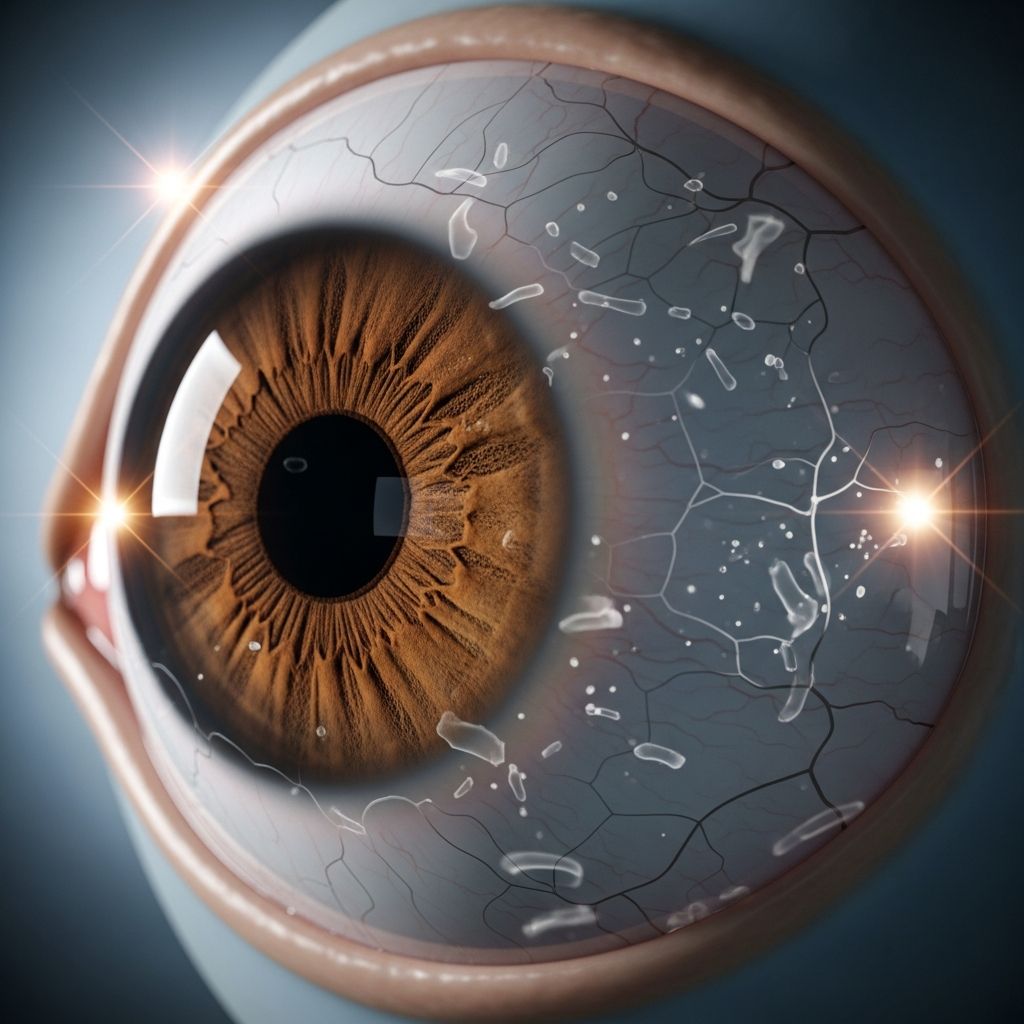
Eye floaters and flashes are common visual disturbances that many people experience at some point. Floaters appear as small spots, threads, or cobweb-like shapes drifting across your field of vision, while flashes manifest as brief bursts of light, often at the periphery. These phenomena arise primarily from changes in the vitreous humor, the gel-like substance filling the eye. Understanding them is crucial for distinguishing benign occurrences from potential vision-threatening conditions.
Understanding the Anatomy Behind Floaters and Flashes
The eye’s interior is filled with vitreous humor, a clear, jelly-like material that maintains the eye’s shape and optical clarity. As we age, this vitreous undergoes liquefaction, forming clumps of collagen fibers that cast shadows on the retina, perceived as floaters. Flashes occur when the shrinking vitreous tugs on the retina, stimulating it like a camera flash.
This process is part of posterior vitreous detachment (PVD), where the vitreous separates from the retina. PVD affects about 75% of people over 65 and is usually harmless, but it can sometimes lead to complications like retinal tears.
Primary Causes of Floaters
- Aging and Vitreous Changes: The most frequent cause, as the vitreous liquifies and contracts, creating visible debris.
- Nearsightedness (Myopia): Individuals with longer eyeballs experience earlier vitreous changes, increasing floater risk.
- Eye Inflammation or Bleeding: Conditions like uveitis or diabetic retinopathy introduce cells or blood into the vitreous, mimicking floaters.
- Post-Surgical Effects: After cataract surgery or injections, air bubbles or residual materials can appear as floaters.
Primary Causes of Visual Flashes
- Vitreous Traction: During PVD, the vitreous pulls on the retina, producing photopsia or light bursts.
- Migraines: Ocular migraines can cause zigzag flashes without structural eye issues.
- Trauma or Pressure: Rubbing eyes vigorously or head injuries may trigger temporary flashes.
Symptoms That Demand Immediate Attention
While occasional floaters and flashes are normal, a sudden increase—especially with a shower of new floaters, persistent flashes, or vision loss—signals potential emergencies. These may indicate retinal tears or detachment, where fluid seeps behind the retina, risking permanent damage if untreated.
| Symptom | Benign Indicator | Warning Sign |
|---|---|---|
| Floaters | Few, stable over time | Sudden increase or shower |
| Flashes | Brief, occasional | Frequent, in dark rooms |
| Vision Changes | None | Shadow, curtain effect |
Risk factors amplifying concern include age over 50, diabetes, high blood pressure, and prior eye surgery.
Diagnosing Floaters and Flashes
Eye specialists use dilated fundus exams to inspect the retina and vitreous. Optical coherence tomography (OCT) or ultrasound may visualize detachments or tears precisely. Early detection during routine exams prevents progression.
Management and Treatment Strategies
Most cases require no intervention; floaters often fade as the brain adapts. Monitoring is key for PVD-related issues.
Conservative Approaches
- Observation: Regular follow-ups track changes.
- Lifestyle Adjustments: Avoid eye rubbing; manage blood sugar for diabetics.
Interventional Options
For retinal tears, laser photocoagulation seals edges, preventing detachment. Cryotherapy freezes tears similarly. Advanced cases like detachments may need:
Related Stories



- Vitrectomy: Surgical vitreous removal and replacement with saline.
- Pneumatic Retinopexy: Gas bubble injection to push retina back.
- Scleral Buckle: Banding the eye to support retina adhesion.
Laser vitreolysis targets bothersome floaters but carries risks like cataract formation.
Preventive Measures for Eye Health
- Annual dilated eye exams, especially post-50 or with risk factors.
- Control systemic conditions: diabetes, hypertension.
- Protect eyes from injury with safety gear.
- Maintain UV protection via sunglasses.
FAQs on Eye Floaters and Flashes
Are floaters and flashes always serious?
No, they often result from benign PVD, but sudden onset warrants evaluation.
Can floaters disappear completely?
Many become less noticeable as the brain ignores them, though some persist.
Do children get floaters?
Rarely; usually linked to inflammation or injury, not aging.
Is laser treatment safe for floaters?
It can be effective but risks retinal damage; discuss with a specialist.
How quickly should I see a doctor for new flashes?
Immediately, same day if accompanied by floaters or vision loss.
Long-Term Outlook and Vision Preservation
With prompt care, most individuals retain full vision. Untreated retinal detachment leads to blindness in affected areas. Education empowers timely action, ensuring these visual quirks don’t escalate.
Floaters and flashes highlight the eye’s dynamic nature. Aging alters the vitreous, but vigilance safeguards sight. Consult professionals for personalized advice.
References
- What Causes Eye Floaters and Flashes? — The EyeDoctors. Accessed 2026. https://www.theeyedoctors.net/eye-care-resources/eye-health/what-causes-floaters-and-flashes-in-the-eye
- Eye Flashes & Floaters Treatment — Southeastern Retina Associates. Accessed 2026. https://www.southeasternretina.com/retina-conditions/floaters-flashes
- Flashes & Floaters Symptoms Treatments — NH Eye Associates. Accessed 2026. https://nheyeassociates.com/flashes.html
- Eye floaters – Symptoms and causes — Mayo Clinic. 2024-07-02. https://www.mayoclinic.org/diseases-conditions/eye-floaters/symptoms-causes/syc-20372346
- Eye Floaters: What They Are, Causes & Treatment — Cleveland Clinic. Accessed 2026. https://my.clevelandclinic.org/health/symptoms/14209-eye-floaters-myodesopias
Similar Articles








Read full bio of Sneha Tete