Eye Infection: Symptoms, Causes & Treatment
Complete guide to eye infections: Learn causes, symptoms, treatments, and when to seek medical care.
Understanding Eye Infections
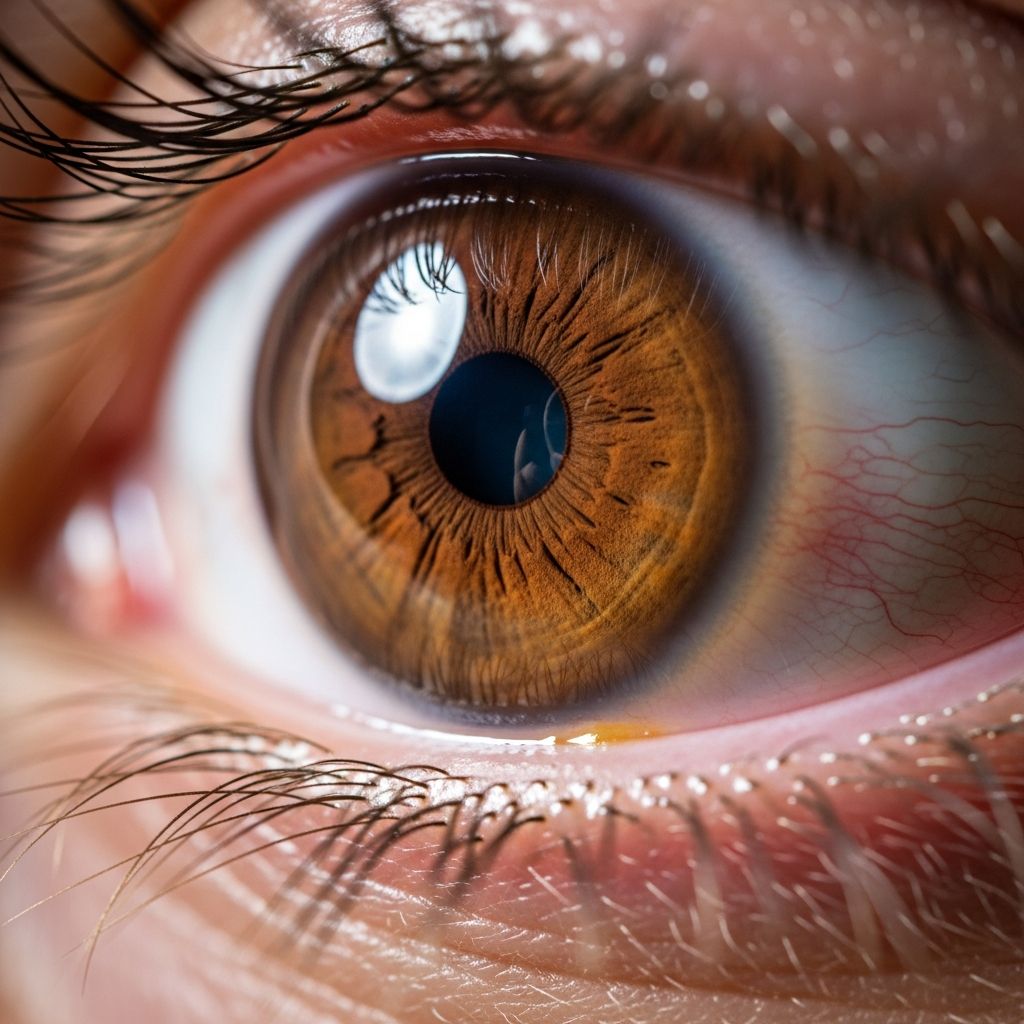
An eye infection is a disease of the eye that occurs because of a microorganism such as a bacterium, virus, or fungus. Eye infections are remarkably common health concerns affecting millions of people annually. In the United States alone, approximately 1 million people visit healthcare providers or hospitals each year due to eye infections. The most frequently diagnosed eye infection is pink eye, medically known as conjunctivitis, which can result from various causes and affect different parts of the eye.
Eye infections can develop in one eye or both eyes simultaneously. While some infections are minor and resolve on their own, others represent medical emergencies that can potentially cause permanent vision loss if left untreated. The severity and outcome of an eye infection largely depend on its underlying cause and how quickly appropriate treatment is initiated.
What Causes Eye Infections
Eye infections arise from various microorganisms and environmental factors. Understanding the specific cause is essential for determining the appropriate treatment approach. Infections can affect multiple parts of the eye, including the eyelid, conjunctiva, cornea, and external eye structures.
Bacterial Causes
Both gram-negative and gram-positive bacteria can cause eye infections. Gram-negative bacteria are not visible during a Gram stain test but can be detected through bacterial culture testing. Gram-positive bacteria are visible during Gram stain testing. Common bacterial pathogens include Staphylococcus and Streptococcus species, which frequently cause conjunctivitis and other ocular infections. Contact lens wearers face elevated risk, particularly those who sleep in their contact lenses or fail to maintain proper lens hygiene.
Viral Causes
Viruses cause the majority of pink eye cases. Common viral culprits include adenovirus, which resembles the common cold virus in its transmission and symptom profile. Viral eye infections are highly contagious and typically spread through direct contact with infected eye secretions or contaminated surfaces.
Fungal Causes
Fungal eye infections, while less common than bacterial or viral infections, can occur through direct contact or bloodstream dissemination. Fungal species such as Fusarium can cause serious eye infections, particularly in immunocompromised individuals or those with corneal injuries.
Contact Lens-Related Risk
Contact lens wearers represent a significant portion of eye infection cases. One of the most common pathways to developing an eye infection is sleeping while wearing contact lenses. Additionally, improper contact lens cleaning and maintenance substantially increases infection risk. Poor hygiene practices with contact lenses create an ideal environment for bacterial and fungal growth.
Recognizing Eye Infection Symptoms
Identifying the symptoms of an eye infection allows for timely medical intervention. Symptoms vary depending on the underlying cause and can help healthcare providers determine the infection type.
Common Symptoms
Most eye infections produce characteristic symptoms including redness or pinkness of the eye, itching and irritation, discharge from the eye, and discomfort when exposed to light. The conjunctiva, which is the thin transparent membrane covering the white part of the eye and lining the inner eyelids, becomes inflamed when infected, causing the characteristic redness.
Type-Specific Symptoms
| Infection Type | Primary Symptoms | Discharge Characteristics | Duration |
|---|---|---|---|
| Viral | Watery discharge, burning sensation, light sensitivity, often starts in one eye and spreads | Watery or serous | Up to two weeks |
| Bacterial | Thick pus-like discharge, crusty eyelids especially upon waking, discomfort | Yellow or green pus | Usually up to 10 days |
| Allergic | Intense itching, redness, tearing, often accompanied by sneezing and runny nose | Clear, watery | While exposed to allergen |
Related Stories



When to Seek Medical Care
While many eye infections resolve with home care, certain symptoms warrant immediate professional evaluation. Recognizing these warning signs prevents complications and ensures appropriate treatment.
Red Flag Symptoms
Severe Eye Pain: While mild discomfort is common with eye infections, intense pain suggests a more serious condition requiring professional evaluation.
Blurred Vision or Light Sensitivity: Vision changes or difficulty tolerating bright light may indicate corneal involvement or other serious complications.
Significant Discharge: Large amounts of pus or mucus, particularly if green or yellow, often indicate bacterial infection requiring antibiotic treatment.
Foreign Body Sensation: A persistent feeling that something is stuck in the eye could indicate a corneal scratch or foreign object requiring professional removal.
Persistent Symptoms: If symptoms don’t improve after several days of home treatment or worsen despite self-care, medical evaluation is necessary.
Diagnosing Eye Infections
Proper diagnosis is essential for effective treatment. Healthcare providers employ several diagnostic methods to identify the cause of eye infections and guide appropriate therapy.
Diagnostic Process
Medical professionals begin by taking a detailed medical history and asking specific questions about symptom onset, progression, and associated factors. A thorough eye examination follows, allowing providers to assess the extent of inflammation and identify affected eye structures.
For suspected bacterial infections, providers may collect fluid samples using a soft-tipped swab from the eye. These samples are sent to laboratory testing facilities for bacterial culture and sensitivity analysis, which identifies the specific bacterial pathogen and determines appropriate antibiotic therapy.
Follow-up appointments ensure proper healing progression and allow providers to monitor for complications. Laboratory test results guide treatment modifications and confirm infection resolution.
Treatment Options for Eye Infections
Treatment for eye infections depends on the underlying cause. Different infection types require different therapeutic approaches.
Bacterial Infection Treatment
Bacterial eye infections typically respond well to antibiotic therapy. Antibacterial medications are available in several formulations including eye drops, ointments, and oral tablets. Antibiotic eye drops represent the most common treatment, providing direct medication delivery to the infection site. Most antibacterial medications demonstrate effectiveness within 24 to 48 hours of initiation. Completing the full course of antibiotics, even if symptoms improve, prevents infection recurrence and antibiotic resistance development.
Viral Infection Management
Viral eye infections cannot be treated with antibiotics, as these medications only work against bacterial infections. Most viral infections resolve independently as the immune system eliminates the virus. Treatment focuses on symptom management and comfort measures while the infection runs its course.
Allergic Infection Treatment
Allergic eye infections respond to antihistamine and anti-inflammatory medications. These are not contagious and do not threaten vision. The most effective treatment involves identifying and avoiding the triggering allergen while using appropriate medications for symptom control.
Home Remedies and Comfort Measures
Several at-home strategies provide symptom relief and support healing:
- Apply warm or cool compresses to affected eyes for comfort
- Use artificial tears to soothe dryness and irritation
- Gently clean away discharge with clean, warm water
- Avoid wearing contact lenses until infection completely resolves
- Temporarily switch from contact lenses to eyeglasses
Duration of Recovery
Recovery timelines vary by infection type. Viral infections typically last up to two weeks, though some rare cases persist longer. Bacterial infections usually resolve within 10 days with appropriate antibiotic treatment. Allergy-related infections persist as long as exposure to the triggering allergen continues.
Prevention Strategies
Preventing eye infections is more effective than treating them. Implementing proper hygiene and care practices significantly reduces infection risk.
Contact Lens Care
Contact lens wearers should strictly follow care protocols. Never sleep while wearing contact lenses, as this dramatically increases infection risk. Clean and disinfect lenses according to manufacturer specifications using only approved solutions. Replace contact lens cases regularly, and never reuse old solution in lens cases.
Hand Hygiene
Regular handwashing represents one of the most effective infection prevention methods. Wash hands thoroughly with soap and warm water for at least 20 seconds, particularly after touching eyes, before applying makeup, or before handling contact lenses.
Avoiding Contagion
Eye infections due to bacteria, viruses, or fungi are contagious. Avoid close contact with others until treatment is underway. Do not share personal items that contact eyes, including towels, pillowcases, eye drops, makeup, or makeup applicators. Regularly clean frequently touched surfaces such as doorknobs, phones, and countertops.
Additional Precautions
Avoid rubbing eyes, as this can worsen irritation and spread infections to the other eye or to other individuals. Maintain proper pool hygiene by wearing appropriate eye protection and removing contacts before swimming. Clean eyeglasses and eye makeup applicators regularly.
Special Considerations for Eye Infection
Certain populations and situations require special attention regarding eye infections.
Contagiousness and Isolation
Eye infections caused by viruses, bacteria, or fungi are contagious to other people. Individuals with these infections should avoid close contact with others until appropriate treatment has begun. Allergic eye infections are not contagious and do not require isolation from others.
Vision Threat Assessment
Some eye infections pose serious threats to vision, particularly those involving corneal damage, eye injuries, or severe inflammation. Infections requiring immediate specialist attention include those with corneal involvement, traumatic eye injuries with infection, or infections showing signs of spreading to deeper eye structures. Professional evaluation by an eye care specialist ensures proper identification of serious conditions and appropriate treatment to preserve vision.
Contact Lens Wearers
People who wear contact lenses should exercise particular caution regarding eye infections. Contact lens use itself increases infection risk, making proper hygiene and care absolutely essential. Individuals experiencing eye infection symptoms should discontinue contact lens use immediately and switch to eyeglasses until complete resolution occurs.
Frequently Asked Questions
Q: How can I tell if I have a bacterial or viral eye infection?
A: Bacterial infections typically produce thick, yellow or green discharge with crusty eyelids upon waking. Viral infections cause watery discharge and often start in one eye before spreading to the other. However, only healthcare providers can definitively diagnose the infection type through examination and laboratory testing.
Q: Can I treat eye infections without seeing a doctor?
A: Mild cases may improve with home care including warm compresses and good hygiene. However, if symptoms don’t improve after several days, worsen, or include severe pain, vision changes, or significant discharge, professional medical evaluation is necessary to prevent complications.
Q: Are all eye infections contagious?
A: No. Bacterial and viral eye infections are contagious to others. Allergic eye infections are not contagious. Fungal infections vary in contagiousness depending on the specific fungus involved.
Q: What should I do if something gets in my eye?
A: Flush your eyes immediately with warm water for five minutes. Avoid rubbing, as this can cause further damage. If the substance is a strong chemical like drain cleaner, flush for five minutes and then seek immediate emergency medical attention.
Q: Can I wear makeup with an eye infection?
A: No, avoid makeup during eye infection treatment. Makeup can harbor bacteria and fungi, worsening infection and prolonging recovery. Also avoid sharing makeup applicators and eye products, which can spread infection to others.
Q: How long until antibiotics start working?
A: Antibacterial eye medications typically show improvement within 24 to 48 hours. However, complete the full prescribed course even if symptoms improve, to ensure complete infection elimination and prevent recurrence.
References
- Eye Infection: Symptoms, Causes & Treatment — Cleveland Clinic. 2023-05-11. https://my.clevelandclinic.org/health/diseases/25000-eye-infection
- Pink Eye (Conjunctivitis): Symptoms, Treatment & Causes — Cleveland Clinic. 2024-04-17. https://my.clevelandclinic.org/health/diseases/pink-eye-conjunctivitis
- Red Eye Infection Guide: Causes, Symptoms and Treatment — SOM Medical Practice. https://sommedicalpractice.com/eye-care/red-eye-infection-guide/
- How to Safely Flush Out Your Eye — Cleveland Clinic Health. https://health.clevelandclinic.org/how-to-flush-out-your-eye
- Eye Drops: Types, Uses, Potential Risks & Benefits — Cleveland Clinic. https://my.clevelandclinic.org/health/treatments/eye-drops
Similar Articles








Read full bio of Sneha Tete