Eye Injuries from Heat Exposure: Recognition and Recovery
Learn how to identify and treat thermal eye injuries safely
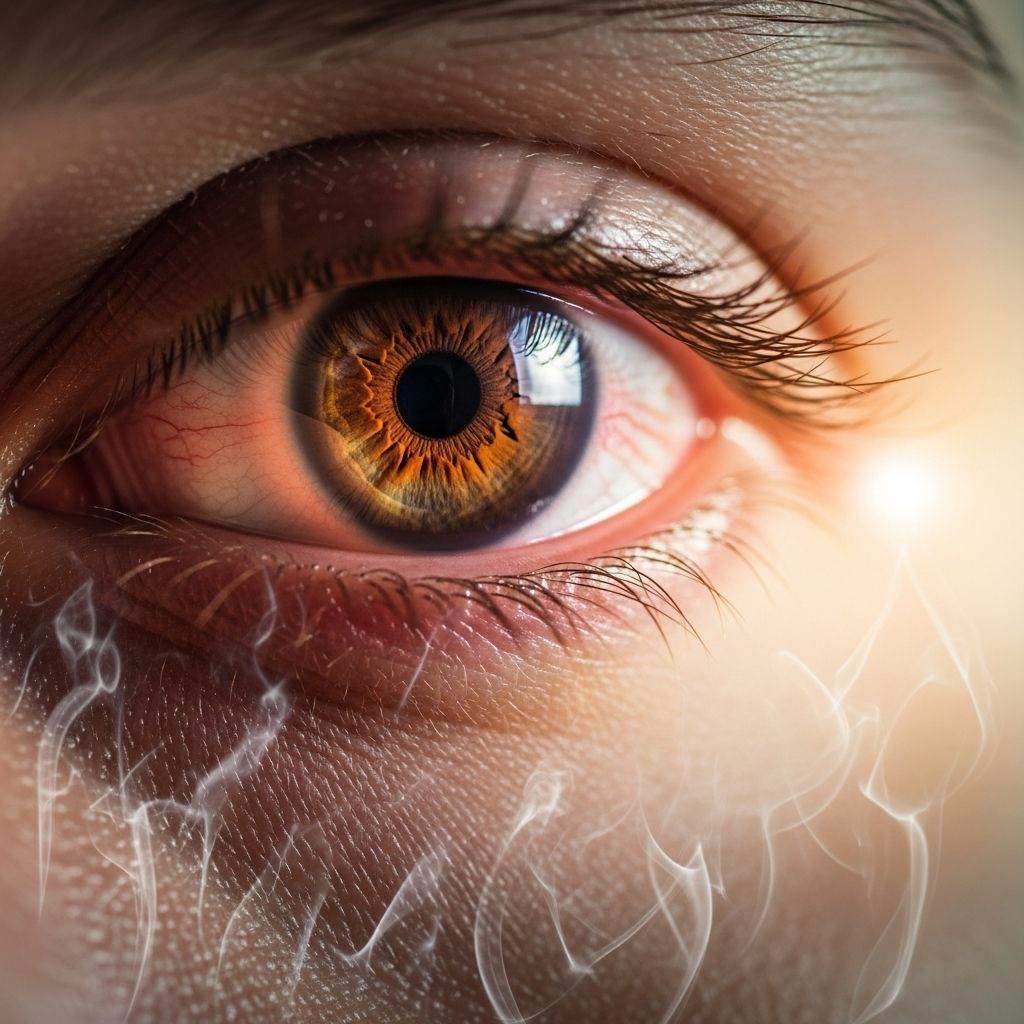
Heat-related eye injuries represent a significant yet often underestimated threat to vision health. Whether from exposure to hot appliances, steam, boiling liquids, or intense heat sources, thermal burns can cause ranging levels of damage from minor discomfort to permanent vision loss. Understanding how to recognize these injuries and respond appropriately can mean the difference between rapid recovery and lasting complications.
Understanding Thermal Eye Injuries
Thermal eye burns occur when heat, steam, hot liquids, or flames make direct contact with the eye’s delicate surface structures. The eye’s outer layer, the cornea, is particularly vulnerable to heat damage because it lacks the protective mechanisms found on other parts of the body. Unlike skin that can develop calluses and protective layers, the cornea remains consistently sensitive throughout life.
The severity of a thermal eye injury depends on several factors, including the temperature of the heat source, the duration of exposure, and how quickly cooling treatment is initiated. Even brief contact with extremely hot materials can cause serious damage, while prolonged exposure to moderately warm sources may result in less severe but still significant injuries.
Classifying Burns by Severity
Eye care professionals classify thermal burns into distinct categories to guide treatment decisions and predict healing timelines:
- First-degree burns involve only the superficial layers of the eye and surrounding tissues. These burns typically cause redness, mild pain, and watering but generally resolve within several days with appropriate care. The cornea remains clear and vision is rarely affected long-term.
- Second-degree burns penetrate deeper into the eye’s structural layers. These injuries may produce corneal clouding—a temporary or sometimes permanent loss of transparency—and can cause fluid-filled blisters on the eyelids. Healing typically requires several weeks, and careful medical monitoring is necessary.
- Third-degree burns destroy multiple tissue layers and represent serious ocular emergencies. These deep burns carry substantial risk of permanent scarring, vision loss, and eyelid complications. Surgical intervention is often necessary, and recovery can be prolonged and complex.
Recognizing Thermal Eye Injury Symptoms
Knowing what to look for is essential for obtaining timely medical care. Thermal eye injuries typically produce noticeable symptoms that appear immediately or within minutes of exposure:
- Intense pain or burning sensation in the affected eye
- Excessive tearing and eye watering
- Redness of the white of the eye and eyelid area
- Sensitivity to light (photophobia)
- Blurred or hazy vision
- Visible skin redness or blistering on eyelids
- Difficulty opening the eye due to pain or swelling
- Sensation of a foreign object in the eye
The presence of any of these symptoms following exposure to heat warrants immediate medical evaluation, even if the symptoms seem minor. Some thermal burns that appear superficial can involve deeper structures that are not immediately apparent.
Related Stories



Immediate First Aid Response
The first minutes after a thermal eye injury are critical. Proper immediate care significantly influences the extent of permanent damage and the speed of recovery.
Initial Cooling and Flushing
Begin treatment immediately by flushing the affected eye with clean, room-temperature or cool water for 15 to 20 minutes. This cooling and rinsing process serves multiple purposes: it removes any remaining heat from the eye surface, dilutes any potentially harmful substances, and helps reduce inflammation.
While flushing, hold the eyelid open gently to ensure water reaches all burned areas. Several techniques can accomplish this effectively:
- Stand under a shower with eyes open
- Position your face under a running faucet
- Use a kitchen sink sprayer on low pressure
- Immerse your face in a sink or bowl filled with water
- Pour water carefully from a pitcher over the eye
Avoid using high-pressure streams or forceful application, as this can further damage already-injured tissue. The goal is gentle, continuous flushing with clean water.
Contact Lens Removal
If you wear contact lenses, remove them before or during the flushing process if possible. However, do not force removal if the lens seems stuck to the eye, as aggressive removal could cause additional damage. Gentle flushing often loosens stuck lenses naturally. If removal remains impossible after several minutes of rinsing, leave the lens in place and proceed to professional care.
What NOT to Do
Certain common first aid approaches can cause additional harm to burned eye tissue and should be strictly avoided:
- Do not apply ice directly to the eye or eyelid
- Do not use petroleum jelly, butter, oils, or greasy substances
- Do not rub or touch the eye, even if it feels itchy
- Do not apply home remedies without professional guidance
- Do not close the eye for extended periods
These well-intentioned treatments can trap heat in the eye, introduce infection, or cause additional mechanical trauma to healing tissues.
Protective Measures After Flushing
After completing the initial 15-20 minute flush, cover the eye loosely with a clean, dry cloth. This protection serves multiple purposes: it shields the injured area from further contamination and irritation, reduces light exposure which can increase discomfort, and prevents the urge to rub the eye. Transport to medical care should happen promptly while maintaining this protective covering.
Professional Medical Evaluation
Once you reach an eye care facility, ophthalmologists use specialized diagnostic tools to assess the extent of thermal damage. A comprehensive examination reveals information not visible to the naked eye and guides treatment planning.
Diagnostic Procedures
Eye care professionals may employ several evaluation techniques:
- Fluorescent dye examination: Application of a specialized dye highlights areas of corneal damage, revealing the true extent of injury
- Intraocular pressure measurement: Testing helps identify whether the burn has affected the eye’s pressure-regulating systems
- Vision testing: Assessment of visual acuity determines whether the burn has immediately affected sight and establishes a baseline for monitoring recovery
- Photography: Detailed images document the injury for comparison during follow-up visits
Medical Treatment Strategies
Treatment for thermal eye burns typically involves multiple medications and therapies working together to promote healing, prevent infection, and preserve vision.
Pharmaceutical Interventions
Medical professionals typically employ several classes of medications:
- Preservative-free artificial tears: Frequent lubrication maintains moisture and comfort throughout healing. Preservative-free formulations prevent chemical irritation of already-damaged tissue.
- Antibiotic drops or ointments: These prevent bacterial infection in compromised tissue. Selection depends on burn severity and infection risk.
- Anti-inflammatory medications: Steroid drops reduce swelling and inflammation while minimizing the risk of excessive scarring that could impair vision.
- Cycloplegic (dilating) drops: These medications relax the eye muscles, significantly reducing pain from muscle spasms and allowing the eye to rest during healing.
- Pain management: Over-the-counter pain relievers may suffice for mild burns, while moderate to severe injuries typically require prescription-strength pain medication.
Advanced Protective Measures
For moderate to severe thermal burns, additional interventions accelerate healing and protect the corneal surface:
- Bandage contact lenses: These specialized medical lenses protect the vulnerable cornea during the healing phase while allowing oxygen permeability.
- Surgical interventions: In cases of severe damage, surgical repair, amniotic membrane grafting, or corneal transplantation may become necessary to restore the eye’s surface and preserve vision.
Eyelid-Specific Complications and Treatment
Thermal burns affecting eyelid skin can create unique complications beyond corneal damage. The eyelid is essential for protecting the eye through blinking and closure, and thermal injuries can compromise these protective functions.
Severe eyelid burns may cause scarring, tissue tightening, or positional changes that prevent proper eye closure. In some cases, the eyelid may turn inward or outward, leaving the cornea exposed and vulnerable to secondary damage. Early proper treatment of eyelid burns—including maintaining skin moisture and preventing infection—significantly reduces the likelihood of these permanent deformities.
Once acute healing has progressed, reconstructive surgery or other specialized procedures may improve eyelid function if complications have developed. These interventions are typically delayed until the initial healing phase is complete.
Supporting Healing and Recovery
Successful recovery from thermal eye injuries requires active participation and careful adherence to medical guidance beyond medication application.
Recovery Guidelines
During the healing phase, several precautions protect the recovering eye and promote optimal outcomes:
- Avoid contact and rubbing: Even if itchy or uncomfortable, touching the eye can damage delicate healing tissue.
- Skip cosmetics: Eye makeup and facial lotions should not be applied to the affected area until healing is complete.
- Avoid water exposure: Swimming and hot tubs introduce bacterial contamination risk to the healing eye.
- Minimize environmental irritants: Dusty or windy conditions can irritate healing tissue and should be avoided when possible.
- Restrict driving: If vision is blurry or medications affect visual clarity, driving should be postponed until safe vision returns.
Therapeutic Exercises and Techniques
Eye care providers often recommend specific exercises and techniques that facilitate healing:
- Blinking exercises: Prescribed blinking patterns maintain normal eyelid function and promote even tear distribution across the healing surface.
- Warm or cool compresses: When recommended by your ophthalmologist, compresses can reduce pain and promote comfort. However, these should only be applied as specifically directed, as improper application can interfere with healing.
- Vision therapy: If burns affect eye coordination or focusing ability after healing, specialized vision therapy may restore function.
Long-Term Vision Outcomes
The prognosis for thermal eye injuries varies significantly based on severity and treatment responsiveness. Most mild to moderate burns heal without lasting vision problems when treated promptly and properly. Severe burns affecting deeper corneal layers or causing significant scarring may result in permanent vision changes ranging from mild blur to more serious impairment.
However, vision problems that develop post-injury can often be addressed through specialty contact lenses or surgical procedures performed during later stages of recovery. Following all medical instructions carefully and attending follow-up appointments significantly improve the chances of maintaining normal vision even after serious burns.
Frequently Asked Questions
How long does it take to recover from a thermal eye burn?
Recovery time depends on burn severity. First-degree burns typically heal within days, second-degree burns may require several weeks, and third-degree burns can take months with potential ongoing complications.
Can thermal eye burns cause permanent blindness?
While serious third-degree burns carry risk of vision loss, most burns treated promptly and properly do not result in permanent blindness. However, some degree of vision changes may persist in severe cases.
Should I apply ice to a thermal eye burn?
No, ice should not be applied directly to the eye or eyelid. Instead, use cool water for flushing. Direct ice application can cause additional damage to delicate tissues.
When should I see an eye doctor after a thermal burn?
Seek medical attention immediately after any thermal eye injury, even if symptoms seem mild. Professional evaluation is essential to assess damage not visible to the naked eye.
Can I wear contact lenses while recovering from a thermal eye burn?
Regular contact lens wear should be avoided during recovery. Your ophthalmologist may prescribe special bandage contact lenses as part of treatment, but these are different from regular corrective lenses.
Prevention and Risk Awareness
While knowing how to respond to thermal eye injuries is important, preventing these injuries remains the ideal approach. Be aware of high-risk situations including cooking near boiling liquids, working with hot materials, and recreational activities involving heat sources. Appropriate eye protection, such as safety glasses or goggles, provides essential defense in high-risk environments.
Teaching family members—particularly children—about heat hazards and establishing safety protocols around potential burn sources creates a protective environment. Many thermal eye injuries are preventable through awareness and appropriate precautions.
References
- Eye Burns (Thermal Burns) — Bloomfield North Western Eye Doctors. 2024. https://bloomfield-nwestern.refocuseyedoctors.com/article/eye-burns-thermal-burns/
- Understanding Eye Burns: Causes, Symptoms & Treatment — Specialty Vision. 2024. https://specialty.vision/article/understanding-eye-burns-causes-symptoms-treatment/
- Eye Burn Treatment: What To Do If You Burn Your Eye — WebMD. 2023. https://www.webmd.com/eye-health/eye-burn-treatment
- Burns to the Eye Information & Treatment — Columbia Doctors. 2024. https://www.columbiadoctors.org/health-library/symptom/burns-eye/
- Eyes – Flash Burns — Better Health Victoria. 2023. https://www.betterhealth.vic.gov.au/health/conditionsandtreatments/eyes-flash-burns
Similar Articles








Read full bio of Sneha Tete