Eye Intraocular Pressure: What It Is & How It’s Measured
Understanding intraocular pressure: definition, measurement, causes, and treatment options.
Understanding Intraocular Pressure (IOP)
Intraocular pressure, commonly referred to as IOP or eye pressure, is the force exerted by fluid inside your eyes. This measurement is crucial for maintaining proper eye function and overall vision health. Your eyes naturally produce and regulate this pressure to ensure optimal performance. Understanding what intraocular pressure is and how it affects your vision is essential for early detection and prevention of serious eye conditions like glaucoma.
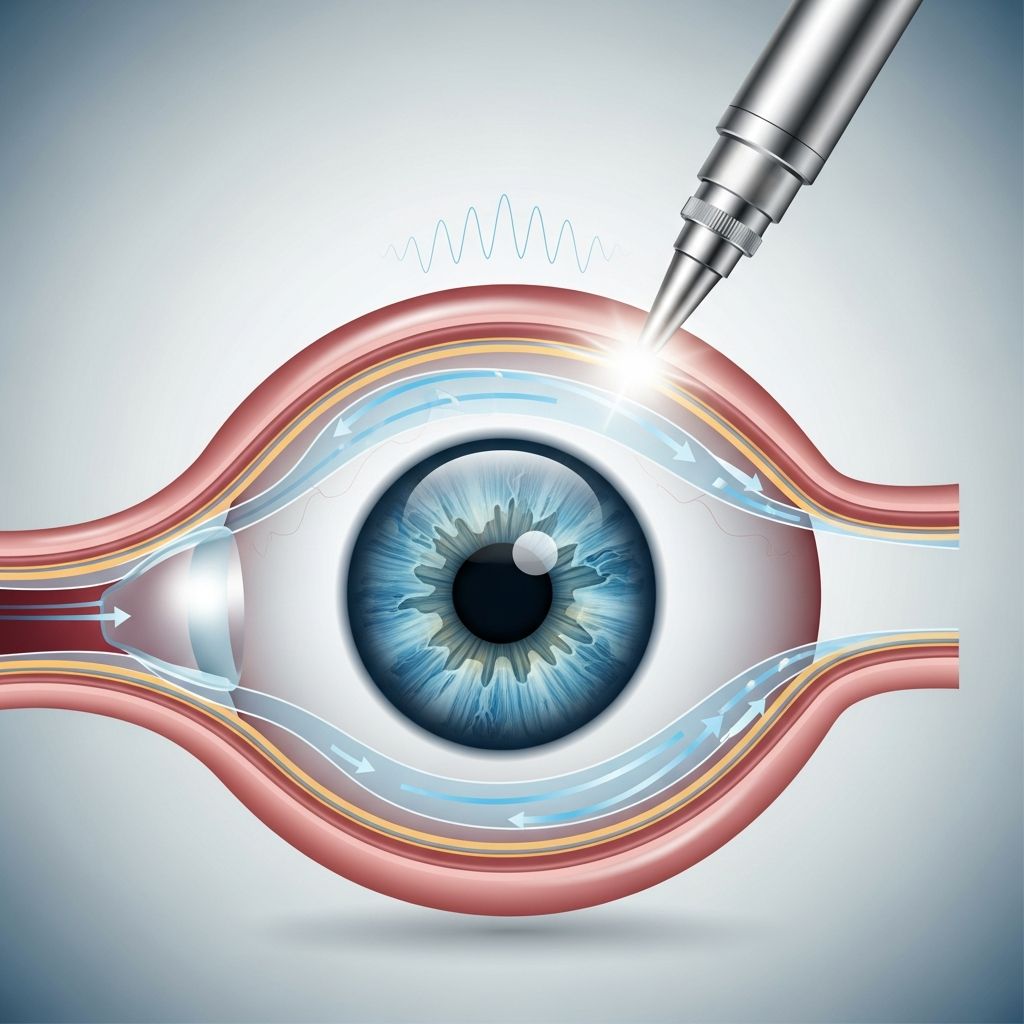
The eyes are complex organs filled with different types of fluids that serve specific purposes. At the back of your eye lies a thick, gel-like substance called vitreous humor, which fills the posterior chamber and helps maintain the eye’s shape. In contrast, the front portion of your eye contains a thinner, waterier liquid known as aqueous humor. This clear fluid fills the space between your cornea and iris and plays a vital role in nourishing the structures within the front of your eye while maintaining appropriate internal pressure.
How Your Body Regulates Eye Pressure
Your body has an intricate system for automatically regulating intraocular pressure. As your eyes continuously create new aqueous humor, an equal amount of older aqueous humor naturally leaves your eye through a specific pathway. This drainage occurs at the drainage angle, which is the precise location where your iris meets the sclera, the white part of your eye. This balanced system of production and drainage maintains consistent eye pressure throughout the day.
However, certain changes within the eye can affect intraocular pressure more rapidly than your body’s regulatory system can compensate. These changes include inflammation, increased fluid production, or blockages in the drainage system. When the delicate balance between fluid production and drainage is disrupted, intraocular pressure can rise to unhealthy levels, potentially causing damage to the sensitive structures within your eye.
What Happens with High Intraocular Pressure
High intraocular pressure is medically termed ocular hypertension. When eye pressure remains elevated, it creates additional stress on the delicate structures inside your eye, particularly the optic nerve. The optic nerve is responsible for transmitting visual information from your eye to your brain, allowing you to see. Prolonged exposure to high pressure can damage this nerve, potentially leading to permanent vision loss if left untreated.
One of the most concerning aspects of high eye pressure is that it typically produces no noticeable symptoms in its early stages. Many people with elevated eye pressure are completely unaware of their condition until an eye care specialist diagnoses it during a routine examination. This silent nature of ocular hypertension makes regular eye pressure monitoring essential, particularly for individuals with risk factors for glaucoma.
If high intraocular pressure is not managed and treated appropriately, it can progress to glaucoma, a serious eye disease characterized by optic nerve damage. Untreated glaucoma can result in progressive vision loss that eventually leads to permanent blindness. The transition from ocular hypertension to glaucoma often occurs gradually, making early detection through regular eye exams critically important.
Related Stories



Measuring Intraocular Pressure
Eye care specialists use a specialized test called tonometry to measure your intraocular pressure during routine eye examinations. Tonometry works by measuring the amount of pressure or force inside your eye through a specific technique. During this test, the eye care specialist uses an instrument that gently flattens your cornea, the clear outer layer at the front of your eye. The greater the amount of force required to flatten your cornea, the higher your intraocular pressure is determined to be.
This measurement provides your eye care specialist with a quantifiable value representing your eye pressure in millimeters of mercury (mmHg). Tonometry is a quick, painless procedure that typically takes only a few minutes. Most modern eye care practices use applanation tonometry or non-contact tonometry methods, both of which provide accurate and reliable measurements. Understanding your eye pressure readings helps your eye care specialist establish a baseline and monitor any changes over time.
Normal Eye Pressure Ranges and Risk Factors
While eye pressure varies somewhat from person to person, there are generally accepted normal ranges for intraocular pressure. Most individuals maintain eye pressure between 12 and 21 millimeters of mercury. However, some individuals naturally have slightly higher pressures while remaining healthy, while others may experience vision problems at pressures that fall within this range. This individual variation highlights why personalized eye care and regular monitoring are essential.
Several factors can influence your intraocular pressure and increase your risk of developing elevated eye pressure:
- Age: The risk of elevated eye pressure increases with age, particularly after age 40
- Family history: Having relatives with glaucoma or ocular hypertension significantly increases your risk
- Ethnic background: Certain populations have higher predisposition to elevated eye pressure
- Corneal thickness: Thinner corneas may be associated with higher pressure readings
- Medical conditions: Diabetes, high blood pressure, and other systemic conditions can affect eye pressure
- Eye conditions: Previous eye surgery, inflammation, or injury can alter drainage patterns
- Medications: Certain drugs, including some steroids, can increase intraocular pressure
- Stress: Recent studies indicate that stress can increase intraocular hypertension
Symptoms and Warning Signs
One of the most challenging aspects of ocular hypertension is that it typically produces no symptoms. Most people with high eye pressure do not experience any noticeable discomfort or vision changes until significant damage has already occurred. This absence of early warning signs means that many individuals are unaware they have elevated eye pressure until an eye care specialist diagnoses it during a comprehensive eye examination.
However, as ocular hypertension progresses to glaucoma, some symptoms may become apparent. These warning signs include eye pain or persistent pressure sensation, frequent headaches particularly around the brow area, red or bloodshot eyes, blurred vision, and gradually developing peripheral vision loss. In acute angle-closure glaucoma, symptoms appear suddenly and may include severe eye pain, sudden vision loss, seeing halos around lights, nausea, and vomiting. These acute symptoms represent a medical emergency requiring immediate professional attention.
Understanding the Relationship Between Blood Pressure and Eye Pressure
Although high blood pressure and high eye pressure share similar names, they are distinct medical conditions with different causes and effects. Having high blood pressure does not directly cause high intraocular pressure, and vice versa. However, individuals with high blood pressure do have an increased risk of developing glaucoma and related eye conditions. Additionally, blood pressure can significantly affect vision through its impact on the optic nerve’s blood supply.
If blood pressure becomes too high or too low, the optic nerve may not receive adequate blood supply necessary for proper function. When blood pressure issues remain untreated, they can eventually damage the optic nerve and compromise visual clarity. This connection between systemic blood pressure and ocular health underscores the importance of managing overall cardiovascular health as part of comprehensive vision care.
Treatment Options for High Intraocular Pressure
Treatment for elevated intraocular pressure depends on how high the pressure is and what underlying factors are causing the elevation. Your eye care specialist will develop a personalized treatment plan based on your specific situation and risk factors. Treatment approaches may include:
- Watchful waiting: For some patients with moderately elevated pressure but no sign of nerve damage, regular monitoring at scheduled appointments may be recommended
- Prescription eye drops: Medications that reduce eye pressure by either decreasing fluid production or improving fluid drainage
- Oral medications: In some cases, systemic medications may be prescribed to help reduce intraocular pressure
- Laser procedures: Laser trabeculoplasty uses focused laser energy to open blockages in the drainage system, improving fluid outflow
- Surgical procedures: In cases where medications and laser treatments are insufficient, traditional surgical interventions may be necessary
Medications commonly prescribed to lower eye pressure include prostaglandin analogs, beta-blockers, alpha-adrenergic agonists, and carbonic anhydrase inhibitors. Each medication class works through different mechanisms to reduce pressure, and your eye care specialist will select the most appropriate option based on your individual needs and medical history. As with all medications, these eye drops may cause side effects such as redness or irritation, which should be discussed with your eye care provider.
Importance of Regular Eye Examinations
Regular eye examinations are the cornerstone of maintaining eye health and preventing vision-threatening conditions. During a comprehensive eye exam, your eye care specialist will measure your intraocular pressure as part of the routine assessment. Early detection of elevated eye pressure allows for prompt intervention before significant damage occurs. The frequency of eye pressure checks depends on your individual risk factors and your eye care specialist’s recommendations.
If you have a family history of glaucoma, are over 40 years old, have high blood pressure, are taking certain medications, or have other risk factors, you should discuss with your eye care specialist how often you should have your eye pressure checked. More frequent monitoring may be appropriate for individuals at higher risk. Keeping a record of your pressure readings over time helps your eye care specialist identify trends and make informed decisions about treatment adjustments.
When to Seek Immediate Medical Attention
While gradual increases in eye pressure typically do not cause acute symptoms, sudden changes warrant immediate professional attention. You should visit an emergency room if you experience sudden vision loss or notice new floaters or flashes in your vision. You should also contact your eye care specialist promptly if you experience persistent eye pain, sudden blurred vision, seeing halos around lights, or severe headaches, particularly if accompanied by eye discomfort. These symptoms may indicate acute angle-closure glaucoma or other serious conditions requiring urgent treatment.
Living with Managed Eye Pressure
Successfully managing eye pressure requires ongoing partnership between you and your eye care specialist. Consistently using prescribed medications as directed, attending all scheduled eye exams, and promptly reporting any new symptoms are essential components of effective eye pressure management. Many people successfully maintain healthy eye pressure with medication alone, preserving their vision and quality of life. Compliance with treatment recommendations significantly improves outcomes and reduces the risk of vision loss.
Additionally, maintaining overall health through regular exercise, stress management, a balanced diet rich in antioxidants, and protection from eye trauma contributes to optimal eye health. While these lifestyle measures alone cannot prevent all cases of elevated eye pressure, they support overall wellness and may contribute to better eye health outcomes.
Frequently Asked Questions About Intraocular Pressure
Q: What is the normal range for intraocular pressure?
A: Normal intraocular pressure typically ranges between 12 and 21 millimeters of mercury (mmHg). However, some individuals naturally have slightly higher pressures while remaining healthy, and some may experience problems at pressures within this range. Your eye care specialist will evaluate your individual pressure in context with other factors.
Q: Can I feel if my eye pressure is high?
A: Most people cannot feel elevated eye pressure. Ocular hypertension typically produces no symptoms until it has caused significant damage to the optic nerve. This silent nature of the condition makes regular eye examinations essential for early detection.
Q: How is intraocular pressure measured?
A: Eye care specialists use a test called tonometry to measure intraocular pressure. This procedure gently flattens your cornea to determine how much pressure is inside your eye. The test is painless and takes only a few minutes.
Q: Does high blood pressure cause high eye pressure?
A: High blood pressure and high eye pressure are distinct conditions, and one does not directly cause the other. However, people with high blood pressure have an increased risk of developing glaucoma and related eye conditions.
Q: What happens if high eye pressure is left untreated?
A: Untreated high eye pressure can damage the optic nerve, leading to glaucoma and permanent vision loss. Early detection through regular eye exams and prompt treatment can prevent serious complications.
Q: How often should I have my eye pressure checked?
A: The frequency of eye pressure checks depends on your individual risk factors. Ask your eye care specialist how often you should have your intraocular pressure monitored based on your medical history and risk profile.
References
- Eye (Intraocular) Pressure: What It Is & How It’s Measured — Cleveland Clinic. 2024. https://my.clevelandclinic.org/health/symptoms/24552-eye-intraocular-pressure
- Ocular Hypertension: Causes, Symptoms & Treatment — Cleveland Clinic. 2024. https://my.clevelandclinic.org/health/diseases/24621-ocular-hypertension
- Glaucoma: What It Is, Symptoms, Causes, Types & Treatment — Cleveland Clinic. 2024. https://my.clevelandclinic.org/health/diseases/4212-glaucoma
- Open-Angle Glaucoma: What It Is, Symptoms & Treatment — Cleveland Clinic. 2024. https://my.clevelandclinic.org/health/diseases/open-angle-glaucoma
- Angle-Closure Glaucoma: Symptoms & Treatment — Cleveland Clinic. 2024. https://my.clevelandclinic.org/health/diseases/angle-closure-glaucoma
Similar Articles








Read full bio of medha deb