Strabismus In Children: Parent’s Guide To Detection And Care
Understanding causes, detection, and effective treatment options for childhood eye alignment disorders.

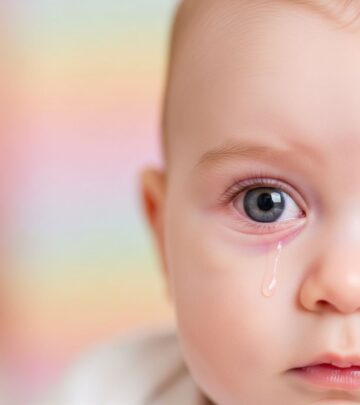
Eye misalignment, clinically known as strabismus, represents one of the most common vision disorders affecting children, occurring in approximately 3% of the pediatric population. This condition occurs when one or both eyes fail to maintain proper alignment, causing them to point in different directions when attempting to focus on the same object. Unlike minor vision concerns that parents might overlook, strabismus demands prompt attention from qualified eye care professionals to prevent serious and potentially permanent consequences for a child’s visual development and overall quality of life.
What Exactly Is Strabismus and Why Does It Matter?
Strabismus represents a fundamental breakdown in the coordination between the eyes. When both eyes function properly, they work together seamlessly—a process called binocular vision—allowing the brain to combine separate images from each eye into a single, three-dimensional view of the world. Children with strabismus experience a disruption in this coordinated function. One eye may turn inward toward the nose (esotropia), outward away from the nose (exotropia), upward, or downward, while the other eye maintains a forward gaze.
The significance of early detection cannot be overstated. When left untreated during critical developmental years, strabismus can trigger a cascade of vision problems that extend far beyond simple cosmetic concerns. Research indicates that approximately 50% of children with untreated strabismus develop some degree of vision loss caused by a condition called amblyopia, commonly known as lazy eye. Once the visual system matures—typically by age eight—the ability to correct these problems through treatment diminishes substantially.
Recognizing the Signs: How Parents Identify Strabismus
Parents often become the first to notice signs of eye misalignment in their children. The most obvious indicator is visual observation of abnormal eye positioning. A child’s eyes may appear to point in different directions, or one eye might seem to turn consistently while the other maintains forward focus. Some children exhibit intermittent misalignment that becomes more pronounced when they are tired or stressed.
Behavioral clues also warrant attention. Parents may observe their child squinting frequently, tilting their head to one side persistently, or deliberately covering one eye with their hand. These compensatory behaviors often represent the child’s unconscious attempt to manage the visual confusion caused by misaligned eyes.
Additional symptoms that should prompt professional evaluation include:
- Complaints of double vision, particularly in older children
- Excessive eye strain or fatigue, especially after reading or screen time
- Difficulty with depth perception, leading to clumsiness or hand-eye coordination problems
- Unusual neck or head positioning (torticollis) adopted to compensate for eye misalignment
- Social withdrawal or behavioral changes related to appearance concerns
Understanding Root Causes: Why Eye Misalignment Develops
The causes of strabismus vary widely and depend partly on the child’s age at onset. In very young infants under six months, risk factors include family history of strabismus, genetic syndromes such as Down syndrome, prematurity, birth defects affecting eye structure, and cerebral palsy. Maternal exposures during pregnancy—including alcohol consumption and certain medications—also increase the likelihood of strabismus in infants.
Related Stories



In children older than six months, the most common cause is refractive error, particularly excessive farsightedness (hyperopia). When the focusing system of the eye requires significant effort to maintain clarity, the muscles controlling eye alignment may become fatigued, leading to misalignment. Imbalances in the muscles that control eye movement also contribute to strabismus in this age group.
Additional causative factors include:
- Severe vision loss in one eye from cataracts, refractive errors, or retinopathy of prematurity
- Neurological conditions affecting the brain, including increased intracranial pressure, hydrocephalus, and brain tumors
- Trauma or head injury affecting eye muscles or nerves
- Weakness in the cranial nerves that control eye movement
- Genetic disorders such as Duane retraction syndrome and Brown syndrome
- Orbital fractures that physically obstruct eye movement
In many cases, no definitive cause can be identified; these instances are classified as idiopathic strabismus. The absence of an identifiable cause does not diminish the importance of treatment, as functional outcomes remain equally significant regardless of etiology.
The Critical Complication: Understanding Amblyopia
Amblyopia represents the most serious consequence of untreated strabismus and deserves detailed explanation. When the brain receives two different images from misaligned eyes, it faces a neurological conflict. Rather than attempting to reconcile these incompatible images, the developing brain implements a protective mechanism: it suppresses or ignores the input from one eye to prevent confusion and double vision.
This neural suppression, while temporarily solving the immediate problem of conflicting visual information, creates a long-term developmental disaster. The eye whose image the brain ignores fails to develop proper neural connections with the visual cortex. Over time, that eye becomes functionally weak—essentially a lazy eye—even if the eye structure itself is completely normal. The longer this suppression continues, the more difficult it becomes to reverse, as the critical period for visual development occurs primarily before age eight.
The consequences of unmanaged amblyopia extend throughout life. Children who develop lazy eye face restrictions in career choices requiring good vision in both eyes, including military service, certain healthcare professions, and commercial driving. Beyond occupational limitations, uncorrected amblyopia affects depth perception, impairing three-dimensional vision necessary for normal activities like sports, driving, and spatial navigation.
Diagnostic Approaches: How Eye Specialists Evaluate Strabismus
Professional diagnosis of strabismus involves more than simple observation. Eye care specialists employ multiple diagnostic techniques to characterize the type, severity, and cause of misalignment. During a comprehensive eye examination, the ophthalmologist or optometrist assesses the range of eye movements in all directions—upward, downward, left, right, and diagonally—to identify any movement restrictions or weaknesses.
Special testing procedures help quantify the degree of misalignment. The cover test, one of the most useful diagnostic tools, involves strategically covering each eye while observing how the uncovered eye moves to fixate on a target. This simple yet powerful test reveals whether misalignment is constant or intermittent and whether it affects one eye exclusively or both eyes.Refraction testing determines whether refractive errors such as farsightedness contribute to the alignment problem. In young children unable to respond verbally to standard refraction techniques, retinoscopy allows the eye specialist to measure the eye’s focusing power objectively.
Visual acuity assessment in each eye separately helps identify any existing vision loss from amblyopia or other causes. Specialized imaging and laboratory tests may be warranted if underlying neurological or genetic conditions are suspected based on the clinical presentation and history.
Treatment Options: Tailored Approaches for Different Presentations
Modern strabismus management employs multiple treatment modalities, with the specific approach depending on factors including the child’s age, the type and severity of misalignment, the presence of refractive error, and whether amblyopia has already developed.
Corrective Eyeglasses and Vision Aids
Eyeglasses represent the first-line treatment for many children with strabismus, particularly those with underlying refractive errors. When excessive farsightedness contributes to eye strain and misalignment, properly prescribed glasses can eliminate the focusing effort that triggers the misalignment. In some children, glasses alone fully correct strabismus. Even when surgical correction ultimately becomes necessary, addressing refractive error first through glasses frequently reduces the amount of surgical correction needed.
Prism lenses—specially crafted to bend light rays—represent another optical intervention. These lenses help reduce the amount of eye movement required for alignment, effectively making it easier for the eyes to work together. Prisms prove particularly useful for managing certain types of strabismus and may serve as a temporary solution while awaiting surgery or as a permanent option when surgical correction is not appropriate.
Amblyopia Management Through Patching and Pharmacological Approaches
When amblyopia accompanies strabismus, treatment of the lazy eye typically precedes or occurs simultaneously with alignment correction. The traditional and still widely used approach involves patching—covering the stronger eye with an adhesive patch to force the weaker eye to work and develop better vision. The duration of patching varies based on the child’s age and the severity of vision loss, but typically ranges from several hours daily to full-time coverage.
An alternative to patching involves using special eye drops in the stronger eye to temporarily blur vision, achieving the same goal of forcing the weaker eye to engage without the cosmetic concerns some families associate with patching. This approach, called penalization, works well for some children and may improve compliance in older children concerned about appearance.
Vision Therapy and Eye Exercises
Vision therapy encompasses structured eye exercises and training activities designed to improve the coordination and focusing ability of the eyes. These exercises help strengthen the neural connections between the eyes and the brain, promoting better binocular vision. Vision therapy proves most effective for certain types of strabismus and works best when started early. While not a standalone treatment for most strabismus cases, vision therapy can enhance outcomes when combined with other interventions.
Botulinum Toxin Injections
In selected cases, botulinum toxin injection into the eye muscles offers an alternative to traditional surgery. This approach works by temporarily weakening the overacting muscle, allowing the opposing muscle to achieve better alignment. The effect is temporary, typically lasting three to four months, requiring repeated injections over time. This treatment serves particularly well as an initial intervention or for children whose parents prefer a less invasive approach.
Surgical Correction
When conservative treatments fail to achieve adequate alignment, eye muscle surgery provides a definitive solution. The procedure involves carefully repositioning the eye muscles by weakening overacting muscles and strengthening underacting ones to restore proper alignment. Surgery requires general anesthesia and typically involves making small incisions in the conjunctiva (the transparent membrane covering the white part of the eye) to access the underlying muscles.
Surgical success rates exceed 80%, with most children achieving significantly improved or completely corrected alignment. However, approximately 20% of children require a second surgical procedure to achieve the desired outcome. The timing of surgery is critical—earlier intervention generally produces better results in terms of preserving and developing binocular vision.
Critical Timeline for Treatment: Why Early Intervention Matters
The window of opportunity for strabismus treatment is not infinite. The visual system undergoes rapid development during the first several years of life, with critical periods for establishing binocular vision and depth perception occurring primarily before age eight. After this age, the brain’s ability to reorganize visual processing pathways diminishes substantially, making treatment less effective.
This biological reality underscores the importance of early detection and prompt referral to an eye specialist. Children diagnosed and treated during the preschool years have dramatically better prognoses than those treated later. Early treatment not only prevents permanent vision loss from amblyopia but also offers the best chance of developing normal binocular vision and depth perception.
Professional organizations strongly recommend formal vision screening for all children during the preschool years to identify strabismus and other vision problems before critical developmental windows close. Parents who notice any signs of eye misalignment should seek evaluation promptly rather than adopting a “wait and see” approach, as strabismus does not resolve on its own in most cases.
Beyond Vision: Psychosocial Impacts of Untreated Strabismus
The consequences of strabismus extend beyond visual function. Children with obvious eye misalignment often experience social stigma and emotional challenges. Peer teasing about appearance can damage self-esteem and contribute to anxiety and depression. In some cases, children develop poor self-image and social withdrawal related to their visible eye condition.
These psychosocial effects highlight another compelling reason for early treatment. Correcting eye alignment during childhood, before social pressures intensify, helps prevent emotional and behavioral problems that could persist into adulthood. Treatment provides not just improved vision but also psychological benefits through restored confidence and social acceptance.
Frequently Asked Questions About Childhood Eye Misalignment
Will my child outgrow strabismus without treatment?
No. Most forms of strabismus do not resolve spontaneously. While some children show temporary improvement in eye alignment under certain conditions, permanent correction typically requires professional intervention. Waiting without treatment risks permanent vision damage.
Does strabismus always require surgery?
Not necessarily. Many children achieve adequate alignment with eyeglasses, vision therapy, or patching for amblyopia. However, if these conservative measures fail to achieve satisfactory alignment, surgery becomes necessary.
At what age can strabismus surgery be performed?
Eye muscle surgery can be performed at any age when strabismus is identified, even in infants. The timing depends on individual circumstances, but surgery is typically recommended once conservative treatments have been tried or when it becomes clear that surgery is the appropriate next step.
Will correcting strabismus improve depth perception?
Correcting strabismus during the critical developmental period can help establish normal depth perception. However, if treatment occurs after the visual system has matured, restoration of depth perception may be limited, though eye alignment improvement itself still provides significant benefits.
How long does recovery from strabismus surgery take?
Most children recover quickly from eye muscle surgery, typically returning to normal activities within one to two weeks. Complete healing and stabilization of eye alignment may take several weeks longer, with final results apparent after several months.
References
- Treatment for Strabismus in Children — UCSF Benioff Children’s Hospital. Accessed February 2026. https://medconnection.ucsfbenioffchildrens.org/news/treatment-for-strabismus-in-children
- Strabismus — Merck Manuals. By Leila M. Khazaeni, MD. Accessed February 2026. https://www.merckmanuals.com/home/children-s-health-issues/eye-disorders-in-children/strabismus
- Strabismus: Causes, Symptoms and Treatment — Orbis International. Accessed February 2026. https://www.orbis.org/en/avoidable-blindness/strabismus
- Strabismus: The importance of timely, specialized care — Mayo Clinic. Accessed February 2026. https://www.mayoclinic.org/medical-professionals/pediatrics/news/strabismus-the-importance-of-timely-specialized-care/mqc-20452790
- What is strabismus and how common is it? — American Association for Pediatric Ophthalmology and Strabismus (AAPOS). Accessed February 2026. https://aapos.org/glossary/strabismus
- Strabismus and Amblyopia — Boston Children’s Hospital. Accessed February 2026. https://www.childrenshospital.org/conditions-treatments/strabismus-and-amblyopia
- Pediatric strabismus, diagnosis & treatment — UW Health. Accessed February 2026. https://www.uwhealth.org/conditions/strabismus
Similar Articles








Read full bio of Sneha Tete