Eye Ointment: 5 Key Uses, Benefits, And Safe Application
Discover how eye ointments treat infections, dryness, and inflammation with safe application tips for optimal eye care.
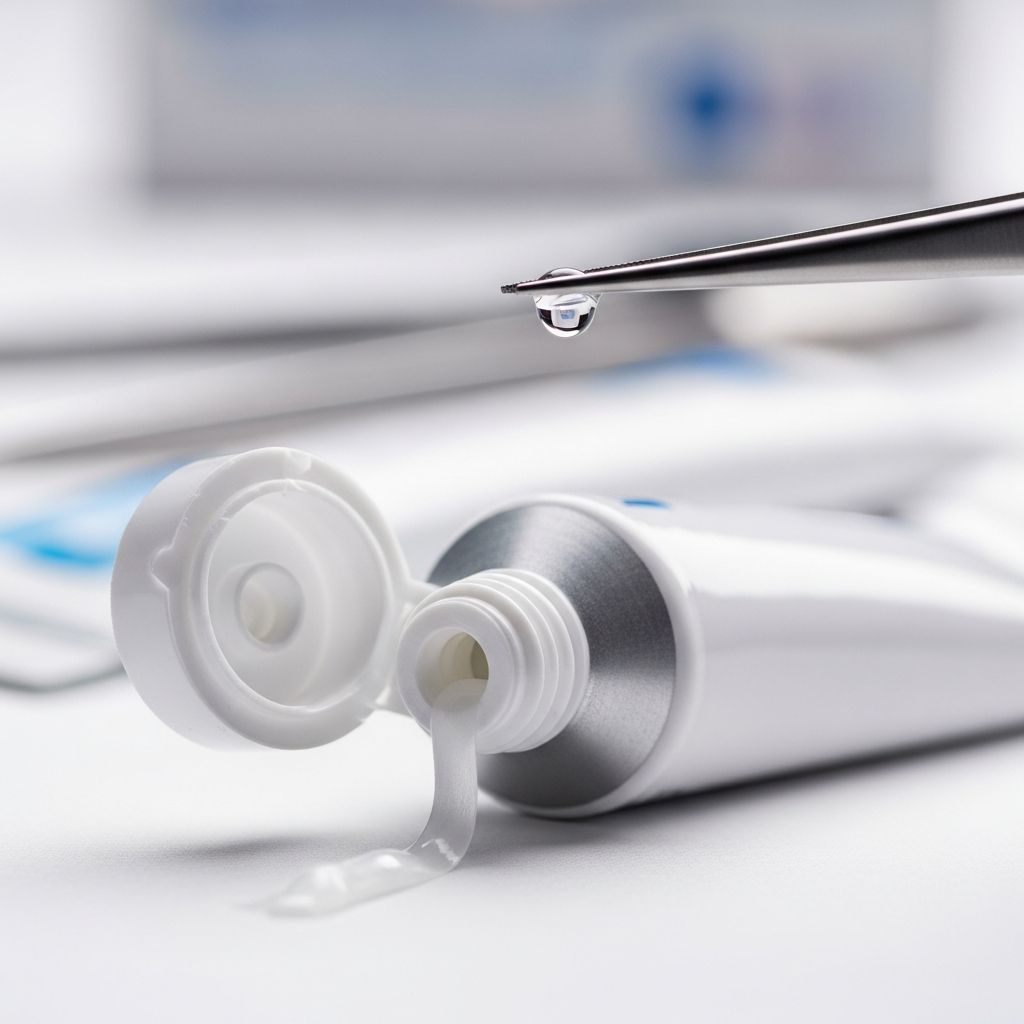
Eye ointments serve as a vital tool in managing various ocular conditions by delivering medication or lubrication directly to the eye surface. Their thick, greasy consistency allows for prolonged contact, making them ideal for overnight relief or severe symptoms.
Understanding the Role of Eye Ointments in Ocular Health
Ophthalmic ointments differ from liquid eye drops due to their semi-solid form, which adheres longer to the eye, providing sustained therapeutic effects. This extended residence time minimizes the need for frequent reapplication and enhances efficacy against conditions like persistent dryness or bacterial infections.
Healthcare professionals often recommend ointments when drops alone prove insufficient, particularly for patients experiencing nighttime discomfort or those requiring intensive moisture.
Primary Conditions Treated with Eye Ointments
Eye ointments address a range of issues from mild irritation to serious infections. Key applications include:
- Dry Eye Syndrome: Ointments create a protective barrier, preventing tear evaporation during sleep.
- Bacterial Infections: Such as conjunctivitis (pink eye) or keratitis, where antibiotics target pathogens directly.
- Inflammatory Conditions: Including blepharitis and meibomian gland dysfunction, reducing swelling and discomfort.
- Post-Surgical Care: Alleviating pain and promoting healing after procedures.
- Styes and Cysts: Softening blockages and fighting secondary infections.
These treatments help restore comfort and prevent complications, with many options available over-the-counter or by prescription.
Types of Eye Ointments and Their Specific Uses
Eye ointments vary by active ingredients, tailored to specific needs. Here’s a breakdown:
| Type | Key Ingredients | Primary Uses |
|---|---|---|
| Antibiotic Ointments | Erythromycin, Ciprofloxacin, Bacitracin/Polymyxin B/Neomycin | Bacterial infections, corneal ulcers, styes |
| Lubricating Ointments | Petrolatum-based (e.g., Lacri-Lube) | Dry eyes, overnight protection |
| Combination Ointments | Dexamethasone + Neomycin/Polymyxin B (e.g., Maxitrol) | Inflammation with infection, post-injury swelling |
| Hypertonic Ointments | Sodium chloride (e.g., Muro 128) | Corneal edema, excess fluid |
Selecting the right type requires professional guidance to match the underlying cause.
Comparing Eye Ointments to Drops and Gels
While eye drops offer quick relief, ointments provide longer-lasting effects due to their viscosity. Gels bridge the gap with moderate thickness.
- Drops: Best for daytime use; fast-acting but short duration. Ideal for mild dryness or allergies.
- Gels: Longer retention than drops, less blur than ointments; suitable for moderate symptoms.
- Ointments: Superior for severe cases or night; may cause temporary vision haze.
For bacterial pink eye, erythromycin ointment excels overnight, while drops suit daytime. Systane Nighttime variants highlight these differences: ointment for intense hydration, gel for lighter feel.
Step-by-Step Guide to Applying Eye Ointment
Proper technique ensures maximum benefit and minimizes contamination:
- Wash hands thoroughly with soap and water.
- Tilt head back and look up.
- Gently pull down lower eyelid to form a pocket.
- Squeeze a 1/4-inch ribbon of ointment into the pocket without touching the eye or lashes.
- Close eye for 1-2 minutes; blink gently to spread.
- Wipe excess from outer eye; avoid rubbing.
For multiple applications, wait 5-10 minutes between types. Use at bedtime for best results on dry eyes.
Potential Side Effects and Precautions
Most users tolerate ointments well, but common reactions include mild stinging, redness, or blurred vision that resolves quickly. Rare issues involve allergic responses or worsening infection—seek immediate care if symptoms persist.
Related Stories



- Do not share ointments to prevent cross-contamination.
- Avoid daytime driving if vision blurs significantly.
- Consult a doctor before use in children, pregnant individuals, or with contact lenses.
- Preservative-free options suit sensitive eyes.
Overuse of antibiotics can foster resistance; follow prescribed durations.
When to Seek Professional Medical Advice
Self-treatment suits mild cases, but consult an eye specialist if:
- Symptoms last over 48 hours.
- Vision changes, severe pain, or light sensitivity occur.
- Discharge is thick/pus-like, indicating infection.
Prescription ointments require evaluation for accurate diagnosis.
FAQs About Eye Ointments
Can eye ointments be used during the day?
Yes, but temporary blur makes them better for night; use drops for daytime.
Are all eye ointments prescription-only?
No, lubricating types like Lacri-Lube are OTC; antibiotics often need a script.
How do ointments help with pink eye?
Antibiotic versions eradicate bacteria, providing overnight relief.
What’s the difference between Muro 128 ointment and drops?
Ointment lasts longer for corneal edema; drops for quicker, frequent use.
Can ointments replace eye drops entirely?
Not usually; combine for comprehensive care—drops day, ointment night.
Lifestyle Tips to Complement Eye Ointment Therapy
Enhance treatment with habits like staying hydrated, using a humidifier, taking screen breaks (20-20-20 rule), and avoiding irritants like smoke. Omega-3 supplements may aid dry eye management.
For blepharitis, warm compresses paired with ointment clear blockages effectively.
Advances in Eye Ointment Formulations
Recent developments emphasize preservative-free, sustained-release formulas improving compliance and outcomes for chronic dry eye and infections. Studies highlight ointments’ role in meibomian gland dysfunction therapy.
Future innovations may include nanoparticle-enhanced delivery for precise targeting.
References
- Eye Ointment – What It Treats and How To Use It — WebMD. 2023. https://www.webmd.com/eye-health/what-is-eye-ointment
- Eye Drops vs. Gel vs. Ointment: What’s the Difference? — Queensway Optometric. 2023. https://queenswayoptometric.com/eye-drops-vs-gel-vs-ointment-whats-the-difference/
- Essential Guide to Choosing the Right Eye Drops and Eye Ointment — Your Health Magazine. 2024. https://yourhealthmagazine.net/article/vision-eye-care/essential-guide-to-choosing-the-right-eye-drops-and-eye-ointment-for-your-needs/
- Recent updates on ocular disease management with ophthalmic ointments — PMC (NCBI). 2024-07-15. https://pmc.ncbi.nlm.nih.gov/articles/PMC11285222/
- Ophthalmic Ointment: Definition & Uses — All About Vision. 2023. https://www.allaboutvision.com/treatments-and-surgery/drugs-medications/ophthalmic-ointment/
- Eye Problems: Using Eyedrops and Eye Ointment — Kaiser Permanente. 2023. https://healthy.kaiserpermanente.org/health-wellness/health-encyclopedia/he.eye-problems-using-eyedrops-and-eye-ointment.za1098
Similar Articles








Read full bio of Sneha Tete