Eye Pain: Causes, Conditions & Treatment Guide
Comprehensive guide to understanding eye pain, its causes, and effective treatment options.
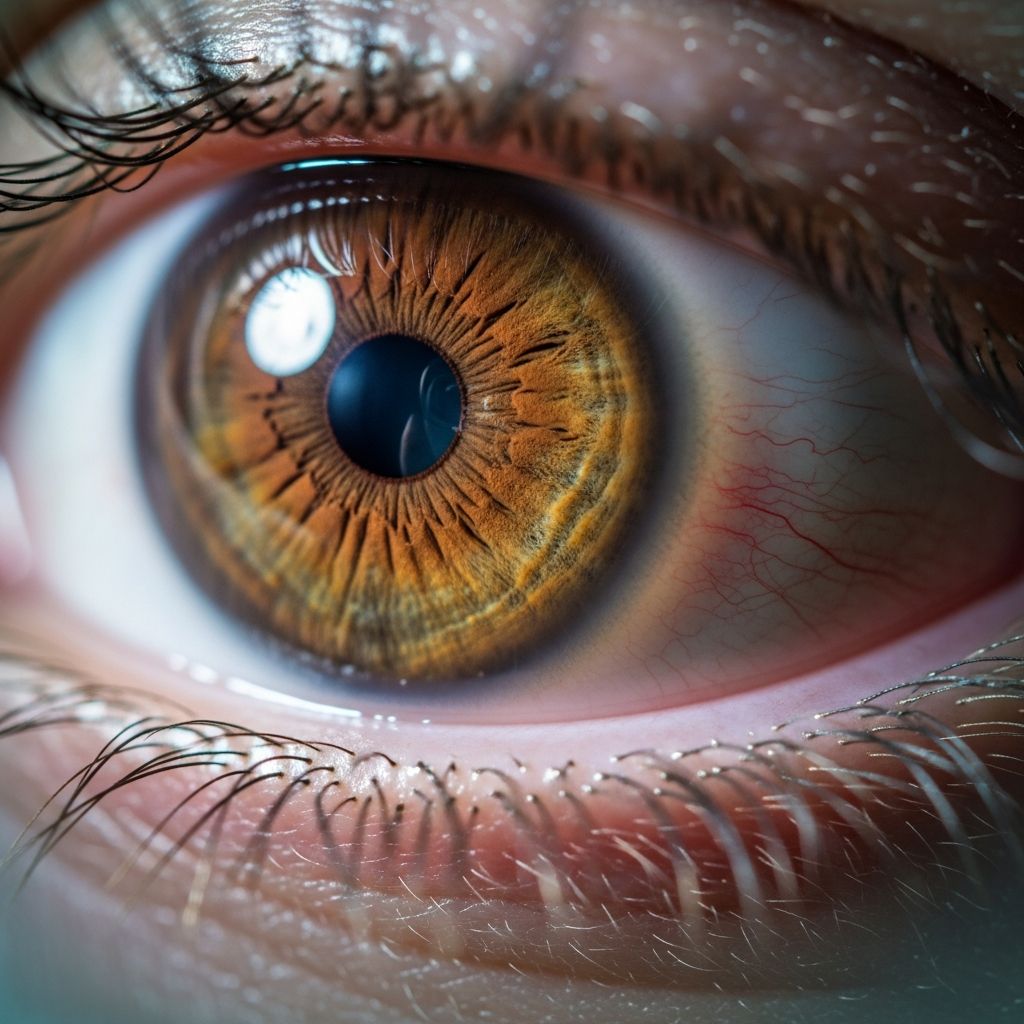
Understanding Eye Pain: A Comprehensive Guide
Eye pain is a common concern that affects many people and can range from mild discomfort to severe, debilitating pain. Whether you experience eye pain in one or both eyes, understanding its causes and treatment options is essential for maintaining your vision and overall eye health. Eye pain can result from various factors, including injuries, inflammation, infections, and underlying medical conditions. This guide provides detailed information about eye pain, helping you identify potential causes and determine when professional medical attention is necessary.
What Is Eye Pain?
Eye pain refers to discomfort or pain that can affect almost any part of your eyes. The sensation can manifest in different ways depending on the underlying cause. Pain can occur on the surface of your eye, inside your eye socket, or along the eyelids and surrounding tissues. Being able to pinpoint exactly where your eye hurts can significantly help your healthcare provider determine the cause and recommend appropriate treatment. Eye pain should never be ignored, as it can indicate a serious condition requiring immediate medical attention.
Types of Eye Pain Sensations
People describe eye pain in various ways, which can provide valuable clues about the underlying cause:
– Sharp, piercing pain that worsens with eye movement- Dull, aching discomfort in and around the eye- Burning or stinging sensations on the eye surface- Throbbing pain deep within the eye socket- Pressure or heaviness in the eye area- Gritty sensation, as if something is in your eye- Intense pain accompanying vision changes or eye redness
Common Areas Affected by Eye Pain
Understanding the location of your eye pain helps narrow down potential causes. Eye pain can affect several different regions:
– Surface of the eye (cornea): Pain here often feels scratchy or sharp- Inner eye structures: Deep, aching pain may indicate internal inflammation- Eye socket (orbit): Pain around the eye socket may suggest sinus issues or inflammation behind the eye- Eyelids and surrounding tissue: Pain in this area might relate to infections or inflammatory conditions- Back of the eye: Pain here could indicate optic nerve issues or retinal problems
Common Causes of Eye Pain
Many conditions and factors can cause eye pain. Understanding these causes helps you determine whether home care is appropriate or professional medical evaluation is necessary.
Injuries and Trauma
Eye injuries represent one of the most common causes of acute eye pain. These can include scratches to the cornea (corneal abrasions), foreign objects lodged in the eye, chemical burns, or blunt force trauma. Even minor scratches can cause significant pain and require immediate attention to prevent infection or permanent damage.
Infections
Various infections can affect different parts of the eye, causing pain and discomfort. Bacterial, viral, or fungal infections may involve the cornea, conjunctiva (the clear membrane covering the white of your eye), or other eye structures. Common eye infections include conjunctivitis (pink eye), keratitis, and uveitis. Infections typically accompany other symptoms such as discharge, redness, and vision changes.
Related Stories



Inflammatory Conditions
Inflammation of eye structures frequently causes pain. Conditions like scleritis (inflammation of the sclera, the white of your eye) cause piercing pain that worsens with eye movement and can lead to permanent damage and vision loss. Uveitis, inflammation of the uvea (the middle layer of the eye), also causes significant pain. Optic neuritis, inflammation of the optic nerve, causes eye pain along with vision loss and vision changes.
Dry Eyes
When your eyes don’t produce enough tears or produce poor-quality tears, you experience dry eye syndrome. This condition causes burning, stinging sensations and a gritty feeling. Dry eyes become more common with aging, certain medications, and extended screen time.
Eye Strain
Prolonged reading, driving long distances, and constant use of digital devices strain your eye muscles, causing discomfort and fatigue. Eye strain typically develops gradually and improves with rest and lifestyle modifications.
Glaucoma
Glaucoma involves increased intraocular pressure that damages the optic nerve. Acute angle-closure glaucoma causes sudden, severe eye pain along with vision changes, headache, and nausea. This condition requires emergency treatment to prevent permanent vision loss.
Contact Lens Problems
Improper contact lens fit, overwear, or poor hygiene can cause corneal scratches, infections, and irritation. Contact lens users face higher risk for certain types of eye pain and infections.
Allergies and Environmental Factors
Allergies, dust, smoke, and other environmental irritants trigger eye itching, burning, and watering. People with allergies or sinus issues are more prone to eye pain and irritation.
Underlying Medical Conditions
Systemic diseases and conditions can manifest as eye pain. These include autoimmune diseases, multiple sclerosis, and various inflammatory conditions that affect the optic nerve and other eye structures.
Diagnosing Eye Pain
Medical Evaluation Process
In most cases, a healthcare provider will start by asking about your medical history and current symptoms. Your provider will typically ask:
– When did the pain start?- Which eye or eyes are affected?- How would you describe the pain?- Does the pain worsen with eye movement or light?- Have you experienced recent eye injuries or infections?- Are you taking any new medications?- Do you have any allergies or chronic conditions?
Eye Examination
A complete eye exam is crucial for diagnosing eye pain causes. Your provider will use microscopes and specialized equipment to examine your eye carefully. The examination may include:
– Visual acuity testing to measure your vision clarity- Intraocular pressure measurement- Examination of eye structures using a slit lamp microscope- Pupil dilation with special drops for thorough internal evaluation- Assessment of eye movement and alignment- Evaluation of the optic nerve and retina
Additional Diagnostic Tests
Depending on your symptoms and initial examination findings, your healthcare provider may recommend additional tests. These could include imaging studies like MRI scans to detect inflammation or lesions, particularly if optic neuritis is suspected. Imaging helps identify brain lesions that could indicate multiple sclerosis or other neurological conditions.
Treatment Options for Eye Pain
General Treatment Approach
The first step to treating eye pain is generally determining the cause and then treating that specific cause. You may not need pain medications if the underlying condition is properly addressed. Treatment varies significantly based on what’s causing your pain.
Treating Infection-Related Eye Pain
When eye infections cause pain, treatment may include:
– Antibiotic eye drops for bacterial infections- Antiviral medications for viral infections- Antifungal treatments for fungal infections- Anti-inflammatory drops to reduce inflammation and pain- Oral antibiotics or antivirals for severe infections
Self-care measures for infection-related pain include:
– Applying warm or cool compresses to soothe discomfort- Using lubricating eye drops (artificial tears) frequently- Avoiding contact lenses until the infection clears- Not rubbing your eyes- Maintaining strict hygiene to prevent spreading infection- Using over-the-counter pain relievers as directed
Managing Inflammatory Eye Conditions
Inflammatory conditions like scleritis and uveitis typically require more aggressive treatment. Nonsteroidal anti-inflammatory drugs (NSAIDs) and corticosteroids are common treatment options. For optic neuritis, intravenous (IV) anti-inflammatory drugs (steroids) may be used to reduce inflammation, limiting damage to your optic nerve and helping reduce pain while addressing vision loss.
Addressing Eye Injuries
If you have an eye injury, follow these important guidelines:
– Seek immediate medical attention for severe injuries- Don’t rub your eye or attempt to remove objects stuck in your eye- Apply a protective eye shield without applying pressure- Avoid using eye medications unless prescribed- Limit eye movement to prevent further injury- For chemical exposure, rinse the eye carefully with water for several minutes
Treating Dry Eyes and Strain
You can usually treat eye strain with lifestyle changes, including:
– Wearing appropriate eyeglasses or contact lenses for your vision needs- Using lubricating eye drops frequently- Following the 20-20-20 rule: every 20 minutes, look at something 20 feet away for 20 seconds- Adjusting screen brightness and position- Taking regular breaks from digital devices- Ensuring adequate room lighting- Staying hydrated to support tear production
Risk Factors and Prevention
You may be more prone to eye pain if you wear contact lenses or have certain conditions like allergies or sinus issues. While some causes of eye pain cannot be prevented, you can reduce your risk through:
– Maintaining proper contact lens hygiene- Wearing protective eyewear during activities that pose injury risk- Managing allergies effectively- Taking breaks from screen time- Maintaining overall good health- Addressing sinus and allergy issues promptly
When to Seek Emergency Care
While not all eye pain requires emergency treatment, certain situations demand immediate medical attention. You should seek emergency care if you have eye pain along with any of the following symptoms:
– Sudden severe eye pain- Pain accompanied by sudden vision loss or vision changes- Eye pain with eye redness and discharge- Pain following a significant eye injury or trauma- Eye pain with severe headache, nausea, or vomiting- Pain with light sensitivity that’s extreme- Chemical or thermal burns to the eye- A foreign object embedded in your eye- Eye pain with a cloudy or hazy appearance to your vision- Pain accompanied by eye swelling that affects vision
If you injure your eye or experience intense eye pain, go to an emergency room or contact a healthcare provider immediately. A provider can make a diagnosis by performing an examination and asking detailed questions about your symptoms. In cases where eye pain stems from an underlying medical condition, treating that condition is necessary to find relief for your eye pain.
Frequently Asked Questions
Q: How long does typical eye pain last?
A: Eye pain duration depends on the underlying cause. Simple irritation or minor infections may resolve within days with appropriate treatment. More serious conditions may require weeks or longer. Optic neuritis, for example, typically involves pain that usually goes away within days to weeks with treatment, though vision recovery may take two weeks to three months or longer.
Q: Can eye pain be prevented?
A: While not all eye pain can be prevented, you can reduce your risk by practicing good eye hygiene, wearing protective eyewear, managing allergies, taking screen breaks, and maintaining overall health. Regular eye exams help catch problems early before they cause significant pain or damage.
Q: Should I use over-the-counter eye drops for all types of eye pain?
A: No. Using the wrong type of eye drops can worsen certain conditions. Lubricating drops help with dryness and irritation, but infections require specific antibiotic or antiviral drops. Always consult a healthcare provider before using medicated eye drops, especially if you’re unsure about the cause of your pain.
Q: What’s the difference between eye pain and eye discomfort?
A: Eye pain typically refers to more intense, acute sensations, while discomfort generally describes milder irritation. However, both warrant attention, especially if they persist for more than a few days or worsen over time.
Q: Can wearing sunglasses help eye pain?
A: Sunglasses can help reduce pain caused by light sensitivity or bright light exposure. However, for most eye pain conditions, addressing the underlying cause is more important than symptom management alone.
Q: Is it normal to have eye pain after eye surgery?
A: Some mild discomfort is normal after eye surgery, but severe pain is not. Contact your surgeon immediately if you experience severe pain after surgery, as this may indicate complications requiring urgent treatment.
Conclusion
Eye pain is a significant symptom that should never be ignored. Whether caused by minor irritation, infection, injury, or underlying medical conditions, proper diagnosis and treatment are essential for protecting your vision and maintaining eye health. Understanding the different types of eye pain, recognizing warning symptoms that require emergency care, and seeking appropriate medical evaluation when needed helps ensure the best possible outcomes. Your eyes are crucial to your quality of life, so taking eye pain seriously and seeking prompt professional care when necessary is essential for long-term eye health and vision preservation.
References
- Eye Pain: Causes, Common Conditions & Treatment — Cleveland Clinic. 2022-12-20. https://my.clevelandclinic.org/health/symptoms/17796-eye-pain
- Scleritis: What It Is, Causes, Symptoms & Treatment — Cleveland Clinic. https://my.clevelandclinic.org/health/diseases/24975-scleritis
- Optic Neuritis: Symptoms, Causes & Treatment Options — Cleveland Clinic. 2023-12-20. https://my.clevelandclinic.org/health/diseases/14256-optic-neuritis
- Eye Infection: Symptoms, Causes & Treatment — Cleveland Clinic. https://my.clevelandclinic.org/health/diseases/25000-eye-infection
- Eye Strain: Symptoms, Causes & Treatment — Cleveland Clinic. https://my.clevelandclinic.org/health/diseases/21059-eye-strain
- Chronic ocular pain — Cleveland Clinic Journal of Medicine. 2015. https://www.ccjm.org/content/92/11/652
Similar Articles








Read full bio of medha deb