Eye Removal Surgery: Procedures and Considerations
Understanding enucleation, evisceration, and exenteration procedures
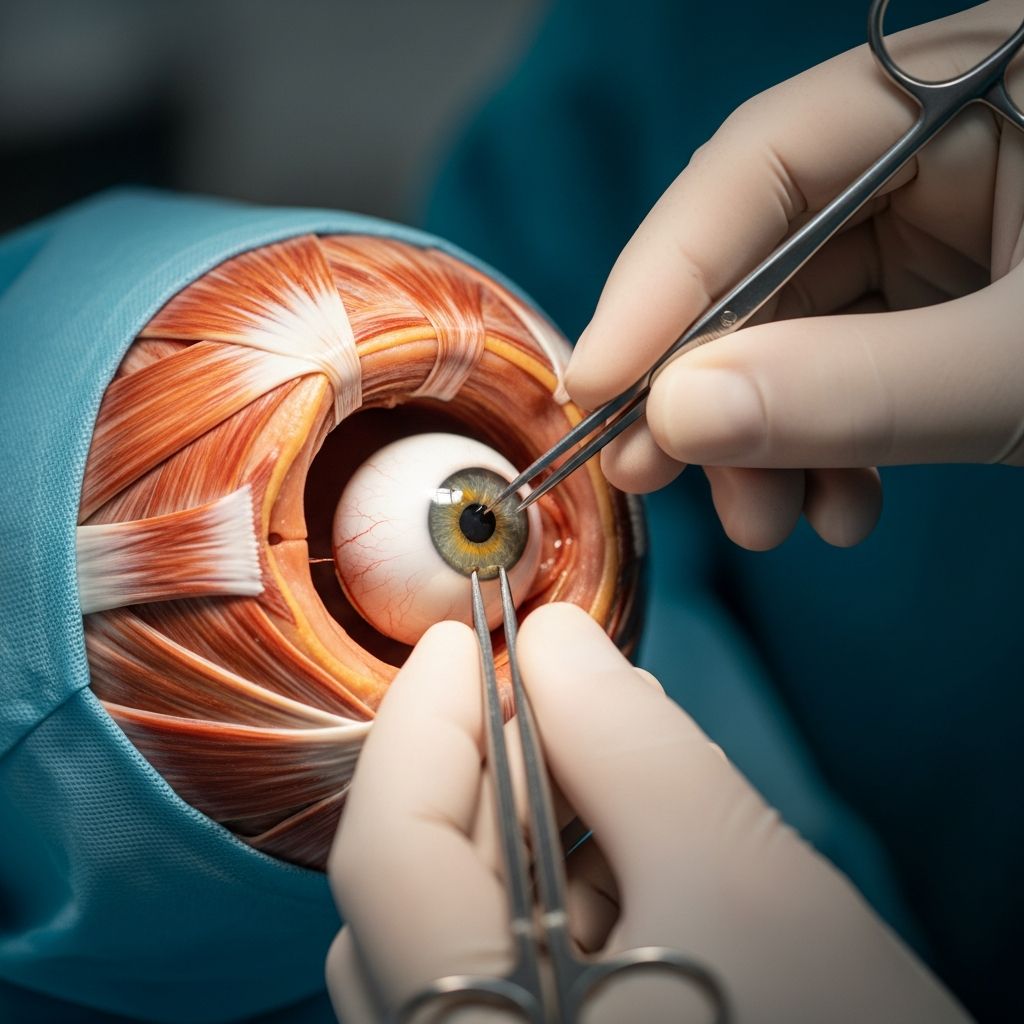
Eye removal surgery represents a significant medical intervention undertaken when preserving vision is no longer possible or when the eye poses a threat to the patient’s health and wellbeing. While the prospect of losing an eye can be emotionally challenging, modern surgical techniques and prosthetic innovations have made these procedures safer and have improved outcomes for patients requiring this intervention. Understanding the different surgical approaches, their indications, and the recovery process can help patients and families make informed decisions about their eye care.
Understanding Eye Removal Surgery
Eye removal surgery encompasses a group of procedures designed to extract or remove the contents of the eye when vision cannot be restored or when the eye has become a source of pain, infection, or other serious complications. These surgeries are not decisions made lightly; they are typically pursued only after all vision-preserving options have been exhausted or when medical conditions make preservation impossible or inadvisable.
The primary reasons for considering eye removal include severe trauma that has destroyed the eye beyond repair, advanced intraocular malignancies, chronic pain in a blind eye, severe infections or inflammations that cannot be controlled medically, and certain congenital or developmental conditions affecting the eye. Each patient’s situation is unique, requiring individualized assessment and careful discussion between the ophthalmologist and patient regarding the benefits and implications of surgery.
Primary Surgical Techniques
Enucleation: Complete Eye Extraction
Enucleation is the surgical procedure in which the entire eye, including the eyeball itself, is removed from the eye socket while the eye muscles and other supporting structures remain intact. This technique represents the most complete form of eye removal and is often preferred when malignancy is a concern, as it eliminates the risk of any malignant cells remaining in the orbit.
During an enucleation procedure, the surgeon makes an incision in the conjunctiva, the clear membrane covering the white of the eye. The eye muscles that control eye movement are carefully separated from the eye. These muscles will later be attached to an implant that allows the prosthetic eye to move in coordination with the remaining natural eye. The optic nerve is then severed, and the eye is carefully removed from the orbit. An implant, typically made of silicone or other biocompatible materials, is inserted into the eye socket to maintain its shape and volume.
Enucleation is particularly indicated when dealing with intraocular tumors, severe ocular trauma with irreversible damage, or when infection has spread extensively within the eye. The complete removal of the eye provides maximum assurance that any disease process affecting the eye has been entirely eliminated.
Evisceration: Preserving the Eye Shell
Evisceration is an alternative surgical technique in which the contents of the eye are removed while the sclera, the white outer coating of the eye, is preserved. In this procedure, the surgeon removes the internal structures of the eye, including the lens, vitreous gel, and retina, but leaves the scleral shell intact. An implant is then placed inside this remaining shell to restore volume to the eye socket.
This technique offers several potential advantages. Because the eye muscles can remain attached to the scleral shell, the prosthetic eye may achieve better movement compared to enucleation. The scleral shell provides additional structural support for the implant and prosthetic eye. Additionally, evisceration may result in less postoperative discomfort for some patients and can potentially preserve better aesthetic outcomes due to improved prosthetic mobility.
Related Stories



However, evisceration may not be appropriate in all situations. When malignancy is suspected, enucleation is typically preferred because it ensures complete removal of any potentially cancerous tissue. Evisceration is generally more suitable for cases involving severe trauma, chronic pain in a blind eye, or severe infection where malignancy is not a concern.
Exenteration: Comprehensive Orbital Removal
Exenteration is a more extensive surgical procedure in which the eye along with surrounding orbital tissues, including the eye muscles and fat, is removed. This procedure is reserved for cases where disease has extended beyond the eye into the surrounding orbital structures or where aggressive malignancies require removal of adjacent tissues to ensure complete disease eradication.
Exenteration represents the most extensive form of eye removal surgery and carries the greatest impact on the patient’s appearance and function. However, when medically necessary, it provides the most comprehensive treatment approach for advanced orbital disease. The decision to pursue exenteration is made only after careful consideration of the patient’s overall health, life expectancy, and quality of life considerations.
Indications and Patient Selection
The decision to proceed with eye removal surgery requires careful evaluation by experienced ophthalmologists. Several clinical scenarios may warrant consideration of these procedures:
- Ocular Trauma: Severe injuries that have caused irreversible damage to eye structures and function may necessitate removal, particularly when the eye cannot be safely preserved or when chronic pain results from the injury.
- Intraocular Malignancy: Cancers affecting the eye, most commonly retinoblastoma in children and uveal melanoma in adults, often require enucleation to prevent metastatic spread.
- Chronic Pain: Eyes that have become blind due to various causes, such as advanced glaucoma or retinitis pigmentosa, may develop chronic pain that cannot be adequately managed medically, making removal a compassionate option.
- Severe Infection: Uncontrolled infections or inflammations that threaten surrounding structures or systemic health may require eye removal when medical management has failed.
- Congenital Abnormalities: Some developmental conditions affecting the eye may warrant removal to optimize outcomes and prevent complications.
- Secondary Glaucoma: Eyes with severe, uncontrollable glaucoma from various causes may benefit from removal to alleviate pain and prevent further complications.
Surgical Preparation and Anesthesia
Prior to undergoing eye removal surgery, patients undergo comprehensive preoperative evaluation. This assessment includes detailed discussion of the procedure, its risks and benefits, and alternative options. Imaging studies, including magnetic resonance imaging or computed tomography, may be performed to evaluate the extent of disease and plan the surgical approach.
Eye removal surgeries are typically performed under general anesthesia, ensuring patient comfort throughout the procedure. In some cases, local anesthesia combined with sedation may be used. The anesthesiologist works closely with the ophthalmologist to monitor the patient’s condition throughout the operation.
Patients should discuss any medications they are taking with their surgical team, as certain medications may need to be adjusted before surgery. Pre-operative instructions typically include fasting requirements and guidance regarding medications to discontinue or continue.
Recovery and Postoperative Care
Recovery from eye removal surgery typically follows a predictable course, though individual experiences may vary. Most patients can return home the same day following surgery or after an overnight observation period. Pain is generally manageable with prescribed pain medications, and discomfort typically decreases significantly within the first week.
Postoperative care involves regular use of prescribed eye drops to prevent infection and promote healing. Patients are advised to avoid strenuous activity, heavy lifting, and contact sports during the initial recovery period. Protective eye patches or shields may be worn to prevent inadvertent trauma to the surgical site.
Follow-up appointments are scheduled at regular intervals—typically within the first week, then at two weeks, and continuing through several months of recovery. During these visits, the surgeon assesses wound healing, monitors for infection, and ensures proper implant placement and integration.
Most patients experience significant improvement in their condition within 4-6 weeks following surgery. The eye socket begins to stabilize, swelling decreases, and the overall appearance improves. Full healing of the surgical site typically takes 2-3 months.
Implants and Orbital Reconstruction
Modern eye removal surgery involves placement of orbital implants designed to maintain the volume and shape of the eye socket. These implants serve several important functions: they preserve the orbital anatomy, support the positioning of a future prosthetic eye, and help achieve better aesthetic results by preventing the sunken appearance that would otherwise occur.
Common implant materials include silicone, hydroxyapatite, and porous polyethylene. Each material has specific advantages regarding integration with surrounding tissues, infection resistance, and ability to support prosthetic eye movement. The surgeon selects the most appropriate implant based on the patient’s specific situation, the reason for eye removal, and anticipated postoperative needs.
Some implants are designed to be integrated with muscles during surgery, allowing the prosthetic eye to move in concert with the remaining natural eye. This integration can improve the functional and aesthetic outcome of the prosthetic eye, making it appear more natural and coordinated during normal eye movements.
Prosthetic Eyes and Rehabilitation
Following the completion of healing, typically 2-3 months after surgery, patients are fitted with a prosthetic eye, also called an ocular prosthesis. Modern prosthetic eyes are custom-fabricated to precisely match the appearance of the remaining natural eye, including iris color, size, and subtle variations in coloration and pattern.
Prosthetic eyes are carefully crafted by specialists called ocularists, who use advanced technology to ensure an exact match with the patient’s remaining eye. The prosthesis covers the implant and orbital tissues, restoring a natural appearance. While the prosthetic eye does not restore vision, it significantly improves cosmetic appearance and can help restore patient confidence.
Patients must learn proper care and maintenance of their prosthetic eye, including daily cleaning, appropriate storage, and regular replacement as needed. Many patients become comfortable wearing their prosthesis and report that most people do not notice they have a prosthetic eye, particularly when it has been expertly crafted to match their remaining eye.
Emotional and Psychological Considerations
The loss of an eye represents a significant life change that extends beyond the physical aspects of surgery. Many patients experience emotional responses ranging from grief to anxiety about their appearance and social interaction. Acknowledging and addressing these psychological dimensions of eye removal is an important aspect of comprehensive patient care.
Support resources, including counseling, support groups, and connection with other patients who have undergone similar procedures, can provide valuable perspective and coping strategies. Many patients report that their concerns about appearance and social acceptance are substantially alleviated once their prosthetic eye is fitted and integrated into their daily life.
Potential Complications and Risk Management
As with any surgical procedure, eye removal surgery carries potential risks and complications, though they occur infrequently when surgery is performed by experienced surgeons. Potential complications include infection, bleeding, implant displacement, and reactions to anesthesia. Persistent pain or discomfort may occasionally occur but is usually manageable with appropriate treatment.
The risk of complications is minimized through careful patient selection, meticulous surgical technique, appropriate implant selection, and comprehensive postoperative care. Patients should discuss specific risks and their individual risk factors with their surgical team prior to undergoing the procedure.
Frequently Asked Questions
What is the difference between enucleation and evisceration?
Enucleation involves removal of the entire eye, including the scleral shell, while evisceration preserves the scleral shell and removes only the internal contents of the eye. Enucleation is typically preferred when malignancy is a concern, while evisceration may be appropriate for benign conditions.
Will I be able to see with a prosthetic eye?
A prosthetic eye does not restore vision. However, your remaining natural eye continues to provide vision. The prosthetic eye primarily serves to restore appearance and help you feel more confident in social interactions.
How long after surgery can I have a prosthetic eye fitted?
Most patients can be fitted with a prosthetic eye approximately 2-3 months after surgery, once the orbital tissues have healed and stabilized. Your ophthalmologist will advise when you are ready for fitting.
How often do I need to replace my prosthetic eye?
With proper care, a well-made prosthetic eye can last several years. Replacement may be necessary due to surface scratching, discoloration, or changes in the orbital anatomy that affect fit. Your ocularist will advise on replacement timing.
Will others notice that I have a prosthetic eye?
Modern prosthetic eyes are custom-crafted to closely match your remaining eye. Most people will not notice the difference, particularly once you become comfortable wearing and caring for your prosthesis.
References
- Understanding the techniques of eye removal — Optometry Times. 2024. https://www.optometrytimes.com/view/understanding-techniques-eye-removal
- A comparison of primary and secondary eye removal after open globe injury — National Center for Biotechnology Information (NCBI). PMC10101944. https://pmc.ncbi.nlm.nih.gov/articles/PMC10101944/
- Different Types of Eye Surgery: An Overview — Healthline. 2024. https://www.healthline.com/health/eye-health/types-of-eye-surgery
- Eye Surgery: Definition, Types, Conditions and Preparation — Oscar Wylee. 2024. https://oscarwylee.ca/glasses/eye/surgery
- Eye Surgery: Types, Details & Risks — Cleveland Clinic. 2024. https://my.clevelandclinic.org/health/treatments/24546-eye-surgery
Similar Articles








Read full bio of Sneha Tete