Eye Surgery: 5 Types, Benefits, Risks, Recovery Guide
Comprehensive guide to eye surgery procedures, benefits, risks, and recovery.
Eye Surgery: Types, Details & Risks
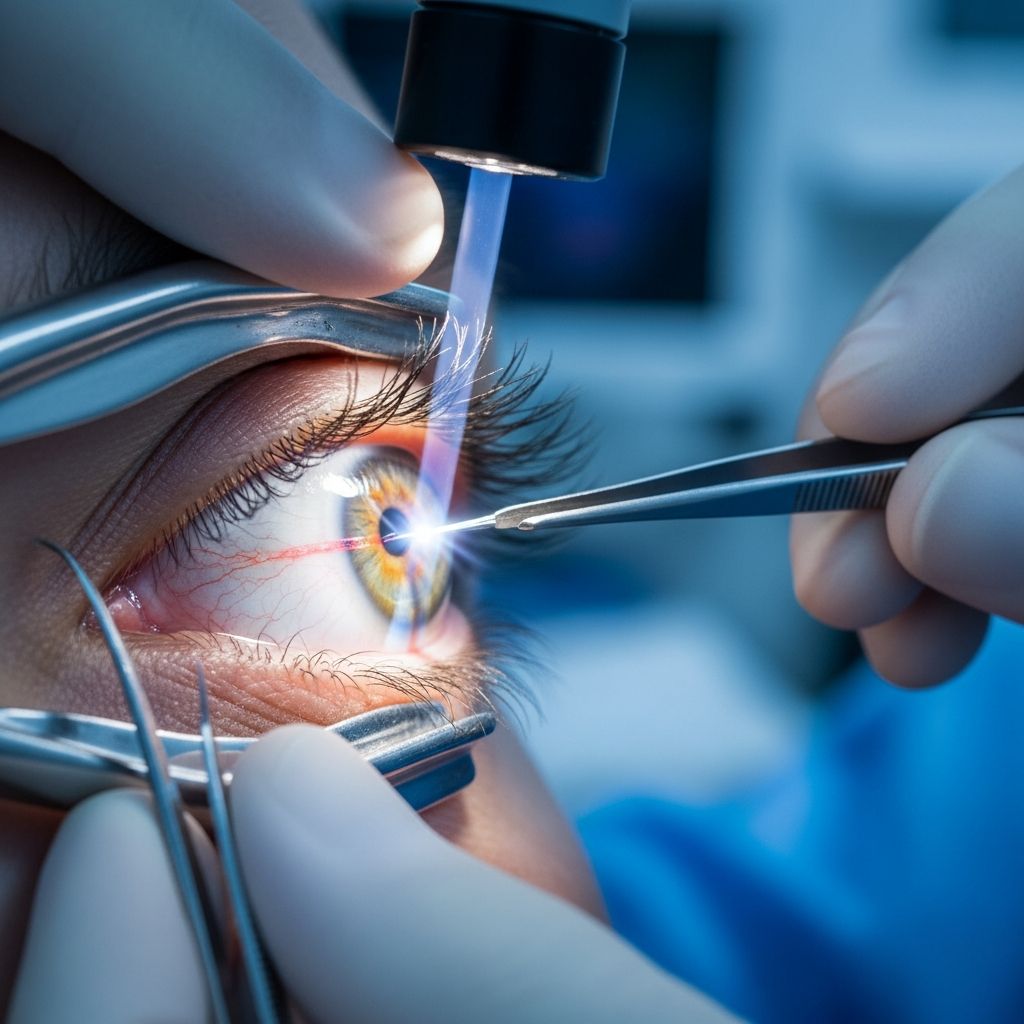
Eye surgery is a medical procedure designed to remove, repair, or manipulate your eye and its surrounding tissues. Whether you’re considering vision correction, treating an eye disease, or addressing structural problems, understanding the different types of eye surgery, their benefits, risks, and recovery processes is essential for making informed decisions about your eye care.
What Is Eye Surgery?
Eye surgery encompasses a broad range of surgical procedures performed on the eyes and the structures surrounding them. These procedures can be performed for several reasons: to correct refractive errors that affect how light enters your eye, to remove or repair damaged tissue, to treat diseases like cataracts or glaucoma, or to improve the overall function and appearance of the eyes. Modern eye surgery utilizes advanced technology and techniques to ensure precise outcomes and faster recovery times.
Types of Eye Surgery
Several different types of eye surgery are available today, each designed to address specific eye conditions and vision problems. Understanding the differences between these procedures can help you determine which option might be best for your situation.
Laser Vision Correction Surgery
Laser vision correction surgery is one of the most popular elective eye procedures performed today. This type of surgery corrects refractive errors—conditions where the eye cannot properly focus light onto the retina, resulting in blurred vision. By reshaping the cornea, laser surgery improves how light enters your eye and travels to the retina, allowing for clearer vision without dependence on glasses or contact lenses.
LASIK Surgery
LASIK, which stands for laser-assisted in situ keratomileusis, is the most widely performed laser vision correction procedure. During LASIK, your surgeon creates a thin flap in the top layer of your cornea using either a microkeratome or femtosecond laser. The underlying corneal tissue is then reshaped using an excimer laser, and the flap is replaced to act as a protective buffer. LASIK offers several advantages: the procedure typically takes less than 30 minutes, visual recovery is relatively rapid, and the protective flap allows for faster healing compared to other procedures. According to recent data, approximately 99% of people achieve uncorrected vision of 20/40 or better after LASIK surgery, with more than 90% achieving 20/20 vision.
PRK Surgery
Photorefractive keratectomy (PRK) is another common laser vision correction procedure. Unlike LASIK, PRK does not involve creating a corneal flap. Instead, the outer layer of the cornea is completely removed, and the underlying tissue is reshaped with a laser. The outer layer naturally regrows over approximately three to five days. Many surgeons recommend wearing a bandage contact lens during the healing period to protect the newly treated surface from irritants and provide comfort.
SMILE Surgery
Small-incision lenticule extraction (SMILE) represents the latest advancement in laser vision correction technology. This procedure uses a precise femtosecond laser to create a disc-shaped piece of tissue within the cornea, which is then removed through a very small incision. SMILE is less invasive than traditional LASIK and PRK, making it particularly suitable for patients with high myopic prescriptions who may not have been ideal candidates for standard procedures.
Related Stories



Cataract Surgery
Cataract surgery is one of the most commonly performed surgical procedures worldwide. A cataract develops when the lens of your eye becomes cloudy over time, typically as a result of aging, but also potentially due to injury, certain medications, or medical conditions. Once cataracts significantly affect your vision and impact your quality of life, surgical removal of the clouded lens and replacement with an artificial implant is the only effective treatment.
During cataract surgery, your surgeon removes the clouded natural lens and inserts an artificial lens implant to restore clear vision. The procedure can be performed using traditional techniques or with advanced femtosecond laser assistance, which allows for more precise incisions and lens softening, making removal easier and more controlled. Prior to surgery, your ophthalmologist will carefully select the best implant option for your specific eye to optimize vision correction and potentially reduce your dependency on glasses or contact lenses.
Glaucoma Surgery
Glaucoma surgery is performed when eye pressure cannot be adequately controlled through medications or laser treatments alone. Various surgical techniques are available, including trabeculectomy, glaucoma drainage devices, and minimally invasive glaucoma surgeries. These procedures work to improve drainage of fluid from the eye or reduce fluid production, thereby lowering intraocular pressure and preventing optic nerve damage.
Refractive Lens Exchange
Refractive lens exchange involves removing your eye’s natural lens and replacing it with an artificial intraocular lens, similar to cataract surgery but performed on a clear lens. This procedure is often recommended for patients with presbyopia (age-related loss of focusing ability) or very high refractive errors who may not be suitable candidates for corneal laser surgery.
Eyelid Surgery
Eyelid surgery, also known as blepharoplasty, can be performed for both functional and cosmetic reasons. Functional eyelid surgery addresses drooping eyelids that obstruct vision, while cosmetic eyelid surgery removes excess skin or fat to improve appearance and reduce signs of aging.
Benefits of Eye Surgery
Eye surgery offers numerous benefits depending on the specific procedure and your individual circumstances:
Improved Vision Quality
The primary benefit of most eye surgeries is significant improvement in vision quality. Laser vision correction procedures can reduce or eliminate your dependence on glasses and contact lenses, while cataract surgery restores clarity to a clouded lens. Many patients report dramatically improved quality of life after surgery.
Reduced Dependence on Corrective Devices
For those who have worn glasses or contacts for decades, the freedom from these devices can be life-changing. No more searching for glasses, dealing with uncomfortable contact lenses, or worrying about vision correction during physical activities.
Disease Prevention and Management
Certain eye surgeries, such as glaucoma procedures, help prevent progressive vision loss by managing underlying eye diseases and protecting your optic nerve.
Enhanced Cosmetic Appearance
Some eye surgeries, like blepharoplasty, can improve the appearance of your eyes and reduce visible signs of aging.
Risks and Complications
While modern eye surgery is generally safe and effective, like all surgical procedures, it does carry certain risks and potential complications that you should understand before proceeding.
Common Side Effects and Risks
Dry Eye Syndrome: Dry eye is the most common side effect following laser vision correction surgery. This occurs because the surgical procedure temporarily disrupts the corneal nerves involved in tear production. Most cases resolve within a few months with appropriate treatment, including artificial tears and lubricating ointments.
Infection: While rare when performed in sterile surgical environments, infection remains a potential risk following any eye surgery. Proper post-operative hygiene and adherence to prescribed antibiotic eye drops significantly reduce this risk.
Eye Damage: Depending on the type of surgery, there is a small risk of damage to corneal tissue, the retina, or other eye structures. Choosing an experienced, qualified surgeon significantly minimizes this risk.
Vision Problems: Some patients may experience temporary or, rarely, permanent changes in vision quality following surgery. This can include halos, glare, reduced contrast sensitivity, or under- or over-correction.
Flap Complications (LASIK-specific): In LASIK surgery, complications related to the corneal flap, such as incomplete flap creation, flap displacement, or epithelial ingrowth, can occur but are generally manageable with prompt treatment.
Rare Complications
Serious complications are rare but can include corneal ectasia (progressive thinning and bulging of the cornea), significant under- or over-correction requiring additional surgery, and temporary or permanent vision loss.
Preparing for Eye Surgery
Proper preparation is essential for achieving optimal surgical outcomes. Your eye surgeon will provide specific pre-operative instructions tailored to your procedure, but generally includes:
Comprehensive Eye Examination: Before any eye surgery, you’ll undergo thorough testing, including corneal mapping, refraction assessment, and detailed eye health evaluation. This helps your surgeon determine whether you’re a suitable candidate and plan your procedure accordingly.
Medical History Review: Your surgical team will review your complete medical history, current medications, and any allergies to ensure your safety during and after surgery.
Contact Lens Discontinuation: For laser vision correction procedures, you must stop wearing contact lenses for a period before surgery, as they can temporarily alter corneal shape and affect surgical measurements. Most surgeons recommend stopping hard contact lenses 2-3 weeks before surgery and soft contacts 1-2 weeks before.
Arrange Transportation: Since you’ll receive sedation or numbing medications that affect your ability to drive safely, arrange for someone to drive you home after your procedure.
The Surgical Procedure
Understanding what to expect during your eye surgery can help reduce anxiety and prepare you mentally for the experience.
Duration: Most eye surgeries are relatively quick. Laser vision correction procedures typically take less than 20 minutes total, with the laser itself active for less than a minute per eye. However, you should plan to spend 2-3 hours in the surgical suite for preparation, positioning, and post-operative assessment.
Anesthesia and Comfort: You’ll remain awake during most eye surgeries, but you won’t experience pain. Your eyes will be numbed with anesthetic drops, and you may receive a mild sedative to help you relax. Throughout the procedure, you’ll be asked to focus on a light or fixation point to help maintain proper eye positioning.
What You’ll Experience: During laser vision correction, you may notice mild pressure sensations, hear clicking sounds from the laser, and detect a faint burning smell as the laser reshapes the cornea. After the procedure is complete, your vision will be relatively clear but may seem like looking through a dirty window temporarily.
Recovery and Post-Operative Care
The recovery period varies depending on the type of eye surgery you undergo. Understanding what to expect during recovery helps ensure proper healing and optimal outcomes.
Immediate Post-Operative Period
Immediately after surgery, your eyes may feel slightly irritated, scratchy, or uncomfortable. This is normal and typically resolves within a few hours. Your surgeon may prescribe antibiotic and anti-inflammatory eye drops to prevent infection and reduce inflammation.
First Week Recovery
Most patients can return to normal activities within a few days after laser vision correction surgery. However, you should avoid strenuous activities, swimming, and contact sports for at least a week. You may experience some visual fluctuation during the first few days as your eyes heal.
Follow-Up Appointments
Scheduled follow-up appointments are crucial for monitoring your healing progress. For laser vision correction, typical follow-ups occur at one day after surgery, one week after surgery, and one to three months after surgery, with occasional six-month follow-up visits. The cost of these follow-up visits is typically included in your surgical fee. Cataract surgery patients usually have follow-ups at one week, one month, and three months post-operatively.
Long-Term Vision Changes
While LASIK and other refractive surgeries provide permanent corneal reshaping, your vision can still change over time due to natural aging processes. Many patients eventually develop presbyopia (age-related difficulty focusing on close objects) around age 40, potentially requiring reading glasses. Additionally, some patients may experience gradual regression where their vision gradually returns partially toward the original refractive error, though this typically stabilizes after the first year.
Candidate Selection
Not everyone is a suitable candidate for all types of eye surgery. Your ophthalmologist will evaluate several factors to determine your candidacy:
Age Considerations: Most refractive surgeries are performed on patients aged 18 and older. Younger patients often have more refractive instability, and prescriptions should be stable for at least two years before surgery.
Corneal Health: Your corneas must be healthy and of adequate thickness for laser vision correction. Conditions like keratoconus (progressive corneal thinning) or advanced corneal scarring may disqualify you.
Refractive Error Range: Different procedures correct different ranges of refractive errors. Your prescription must fall within the appropriate range for your chosen procedure.
Eye Health: Diseases like glaucoma, macular degeneration, diabetic eye disease, or significant cataracts may affect your suitability for certain procedures.
Pupil Size: Larger pupils increase the risk of certain side effects like halos and glare with some procedures.
Advanced Technology in Eye Surgery
Modern eye surgery incorporates cutting-edge technology to improve precision and outcomes. Advanced techniques include bladeless LASIK using femtosecond lasers for greater accuracy, topography-guided laser vision correction that maps and corrects individualized corneal irregularities, and wavefront-guided procedures that capture detailed eye data for customized treatment.
Cleveland Clinic’s Cole Eye Institute was among the first ophthalmology centers in Ohio to offer patient-specific, topography-guided laser vision correction, allowing surgeons to map corneal irregularities with unprecedented precision. Research has shown that 40% of patients treated with topography-guided procedures achieved one line or more improvement in best-corrected vision, with 30% achieving better uncorrected vision after surgery than their best-corrected vision before surgery.
Frequently Asked Questions
Q: Am I a candidate for LASIK surgery?
A: Suitable candidates for LASIK are generally at least 18 years old with stable vision prescriptions for at least two years. You need healthy corneas of adequate thickness, no significant eye disease, and realistic expectations about outcomes. A comprehensive eye examination will determine your specific candidacy.
Q: How long does vision improvement take after eye surgery?
A: Vision improvement varies by procedure. After LASIK, most patients notice significant improvement within 24-48 hours, though full stabilization may take 3-6 months. After PRK, healing takes slightly longer, typically 3-5 days before the outer corneal layer regrows. After cataract surgery, vision stabilizes within a few weeks.
Q: What is the success rate of eye surgery?
A: Success rates are high for modern eye surgery. Approximately 99% of LASIK patients achieve uncorrected vision of 20/40 or better, with over 90% achieving 20/20 vision. Cataract surgery has a very high success rate in restoring vision when performed by experienced surgeons.
Q: Will my vision change after eye surgery?
A: While corneal reshaping from LASIK is permanent, your vision can still change naturally as you age. Most people develop presbyopia around age 40, requiring reading glasses. Some patients experience slight regression of their refractive correction over time, though this typically stabilizes after the first year.
Q: Can both eyes be treated on the same day?
A: Yes, most surgeons perform both eyes during the same surgical session, with a brief interval between treating each eye. This means you have only one recovery period rather than two separate recoveries.
Q: What should I avoid after eye surgery?
A: After surgery, avoid strenuous activities, swimming, contact sports, and getting water in your eyes for at least one week. Avoid rubbing your eyes, as this can disrupt healing. Follow all post-operative instructions provided by your surgeon carefully.
Q: How much does eye surgery cost?
A: Costs vary depending on the procedure type, surgeon expertise, facility location, and technology used. LASIK typically ranges from $1,500-$3,500 per eye, while cataract surgery costs vary based on implant type selected. Many surgeries are customizable, affecting final cost. Discuss payment options during your consultation.
References
- Cataract Surgery – Eye Institute — Cleveland Clinic Abu Dhabi. 2025. https://www.clevelandclinicabudhabi.ae/en/institutes-and-specialties/integrated-surgical-institute/cataract-surgery
- Laser Vision Correction – Cole Eye Institute — Cleveland Clinic. 2025. https://my.clevelandclinic.org/departments/eye/services/laser-vision-correction
- LASIK Eye Surgery — Cleveland Clinic. 2023. https://my.clevelandclinic.org/health/treatments/21805-lasik-eye-surgery
- Refractive Surgery Guide — Cleveland Clinic Abu Dhabi. 2025. https://www.clevelandclinicabudhabi.ae/institutes-and-specialties/integrated-surgical-institute/refractive-surgery
- Cole Eye Institute: Eye Care Center — Cleveland Clinic. 2025. https://my.clevelandclinic.org/departments/eye
Similar Articles








Read full bio of Sneha Tete