Eye Symptoms: COVID vs Allergies vs Pink Eye
Distinguishing red, itchy eyes from COVID-19, seasonal allergies, or infectious pink eye to ensure proper care and prevent spread.
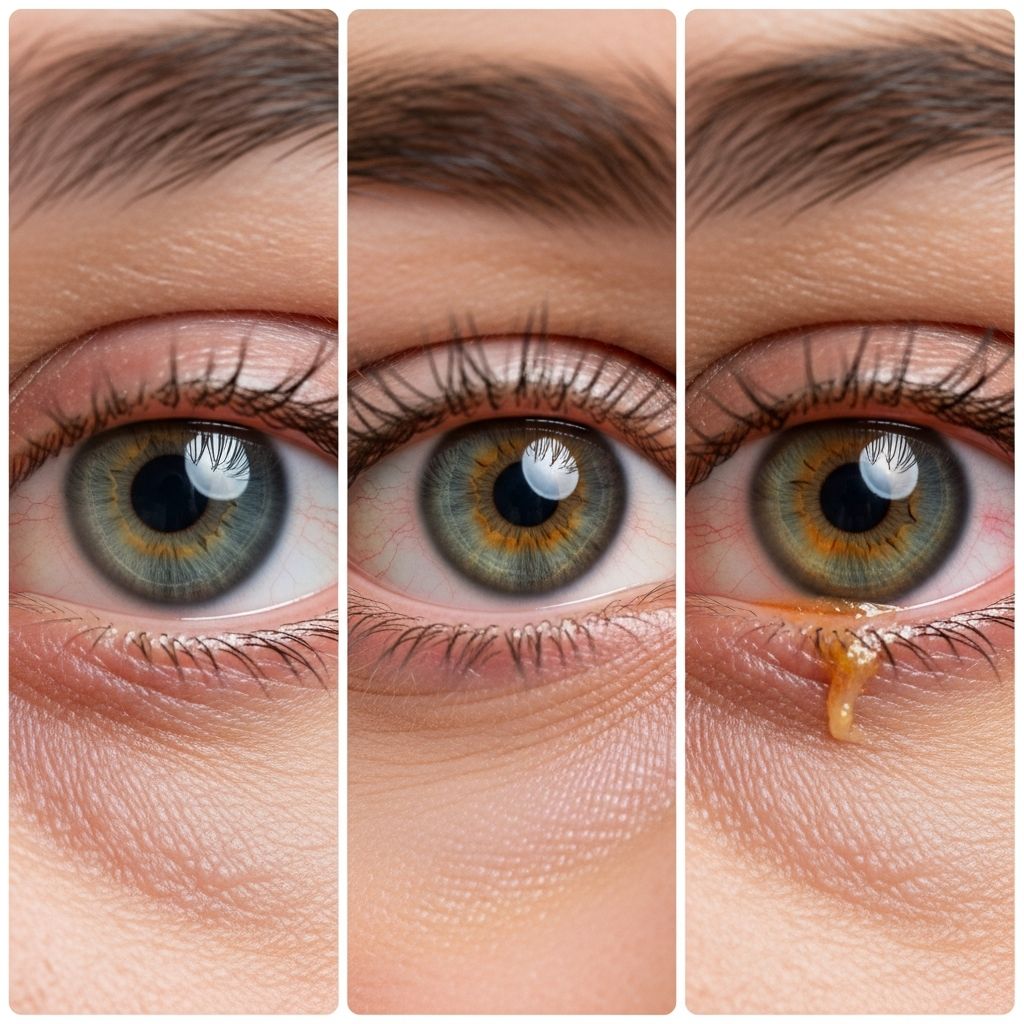
Red, irritated eyes can signal various conditions, including seasonal allergies, infectious pink eye, or even COVID-19. Understanding these differences is crucial for timely treatment and avoiding unnecessary worry. This guide breaks down the symptoms, causes, and management strategies for each, helping you navigate common eye complaints effectively.
Understanding Common Eye Irritations
The eyes are highly sensitive to environmental changes, infections, and immune responses. When they become red, watery, or itchy, it’s often due to inflammation of the conjunctiva—the thin membrane covering the white part of the eye and inner eyelids. This condition, known as conjunctivitis, manifests differently depending on the trigger.
Allergic reactions typically involve both eyes symmetrically, while infections might start in one eye and spread. Viral causes, including some COVID-19 strains, add layers of complexity with overlapping respiratory symptoms. Recognizing patterns early can guide self-care or prompt professional evaluation.
Symptoms of Allergic Conjunctivitis
Allergic conjunctivitis arises from the body’s overreaction to harmless substances like pollen, dust, or pet dander. It commonly affects both eyes and is accompanied by systemic allergy signs.
- Itching: Intense bilateral itching is a hallmark, often leading to rubbing that worsens irritation.
- Watery discharge: Clear, watery tears rather than thick mucus.
- Redness and swelling: Puffy eyelids and pinkish whites of the eyes.
- Associated symptoms: Runny nose, sneezing, and no fever.
These symptoms recur seasonally, peaking in spring or fall, and improve with allergen avoidance. Unlike infections, there’s no contagious risk.
Viral Conjunctivitis and Pink Eye Basics
Pink eye, or conjunctivitis, turns the eyes pink due to dilated blood vessels. Viral forms, caused by common cold viruses or adenoviruses, spread easily through contact.
- Redness: Prominent in one or both eyes, starting unilaterally often.
- Discharge: Watery to sticky, crusting overnight.
- Foreign body sensation: Gritty feeling without actual debris.
- Light sensitivity: Mild photophobia in some cases.
Viral pink eye resolves in 1-2 weeks without antibiotics, as they target bacteria only. Good hygiene prevents spread.
COVID-19’s Impact on the Eyes
Approximately 1 in 10 COVID-19 patients experience ocular symptoms, with conjunctivitis being most prevalent—up to 88% of eye cases. Variants like Omicron sublineages (e.g., Arcturus) show higher rates, especially in children.
SARS-CoV-2 enters via ACE2 receptors on ocular surfaces, potentially causing isolated eye issues or alongside respiratory illness.
| Symptom | Allergies | Viral Pink Eye | COVID-19 Related |
|---|---|---|---|
| Eye Involvement | Both eyes | One or both | One or both |
| Itching | Severe | Mild-moderate | Present in some |
| Discharge | Clear, watery | Watery/sticky | Mucoid or watery |
| Fever | No | Rare | Common |
| Contagious | No | Yes | Yes if active |
Differentiating Triggers Through Key Indicators
Related Stories



Distinguishing these requires noting patterns. Allergies lack systemic illness and respond to antihistamines. Viral pink eye isolates without fever, while COVID pairs eye signs with cough, fatigue, or taste loss.
Seasonal timing aids: Allergies align with pollen counts; standalone viral episodes follow exposure; COVID tracks outbreaks or contacts.
When COVID-19 Mimics Other Eye Issues
Early pandemic data showed 11% ocular involvement, with redness (13%), tearing (13%), and itching (13%) topping lists. Recent variants amplify this, urging tests for pink eye plus respiratory woes, particularly in kids.
Isolated conjunctivitis as COVID’s sole sign is rare but documented, featuring congestion, tearing, and lid swelling sans respiratory cues. Healthcare providers recommend screening.
Self-Care Strategies for Mild Cases
For suspected allergies:
- Use over-the-counter antihistamine drops or oral meds.
- Cold compresses soothe swelling.
- Avoid triggers via air purifiers, staying indoors on high-pollen days.
For viral pink eye or COVID eyes:
- Clean eyelids with baby shampoo dilutions.
- Artificial tears lubricate.
- Hand hygiene and no sharing towels.
Avoid contact lenses until resolved.
Seeking Professional Medical Advice
Consult a doctor if:
- Symptoms persist >1 week or worsen.
- Vision blurs, severe pain, or light sensitivity intensifies.
- Fever, breathing issues, or confusion accompany eye symptoms—test for COVID.
- Thick green discharge suggests bacteria, needing antibiotics.
Children merit prompt checks, as COVID eye signs heighten in young patients.
Preventive Measures for Eye Health
Minimize risks:
- Hygiene: Frequent handwashing, avoid eye touching.
- Allergy prep: Start meds pre-season, use protective eyewear outdoors.
- COVID safeguards: Masks, distancing, vaccinations reduce transmission.
- General tips: Humidifiers combat dry air; screen for exposures.
FAQs on Eye Symptoms
Can allergies cause pink eye?
No, allergies cause non-infectious inflammation. True pink eye is infectious.
Does COVID always cause eye problems?
No, only ~10% of cases; more with certain variants.
How long does viral conjunctivitis last?
Typically 7-14 days.
Is COVID pink eye contagious?
Yes, like other viral forms.
Should I test for COVID with eye symptoms?
Yes, if respiratory signs present, especially kids.
Long-Term Eye Health Considerations
Post-COVID, some report persistent dry eye or inflammation. Monitor vision changes; annual exams catch issues early. Hydration, breaks from screens aid recovery.
In summary, while symptoms overlap, context—season, companions, discharge type—clarifies causes. Empower yourself with knowledge for better outcomes.
References
- Pink eye? How to tell if it’s allergies, infection or coronavirus — Prisma Health Blog. 2023-04-12. https://blog.prismahealth.org/pink-eye-how-to-tell-if-its-allergies-infection-or-coronavirus/
- New COVID-19 Variant Arcturus May Present With Red, Itchy Eyes — All About Vision. 2024-05-15. https://www.allaboutvision.com/conditions/related/coronavirus/coronavirus-and-your-eyes/
- COVID Eye: Symptoms, Treatments, and Prevention — GoodRx. 2024-08-20. https://www.goodrx.com/conditions/covid-19/covid-19-eye-care
- Is COVID causing pink eye? Here’s what parents should know — Akron Children’s Hospital. 2023-05-23. https://www.akronchildrens.org/inside/2023/05/23/covid-pink-eye/
- Conjunctivitis as the only sign and symptom of COVID-19 — PMC (NIH). 2021-09-01. https://pmc.ncbi.nlm.nih.gov/articles/PMC8411033/
- COVID-19 and Pink Eye Are Possibly Connected — Cleveland Clinic. 2023-11-10. https://health.clevelandclinic.org/covid-pink-eye
- COVID and the Eye: What We’ve Learned 5 Years On — Pulmonology Advisor. 2025-01-15. https://www.pulmonologyadvisor.com/features/covid-and-the-eye-what-weve-learned-5-years-since-the-start-of-the-pandemiccovid-and-the-eye-short-and-long-term-interactions/
Similar Articles








Read full bio of Sneha Tete