Eye Tissue Transplants: 6 Key Corneal Procedures Explained
Discover how corneal and other eye transplants restore vision, alleviate pain, and improve eye function through advanced surgical techniques.
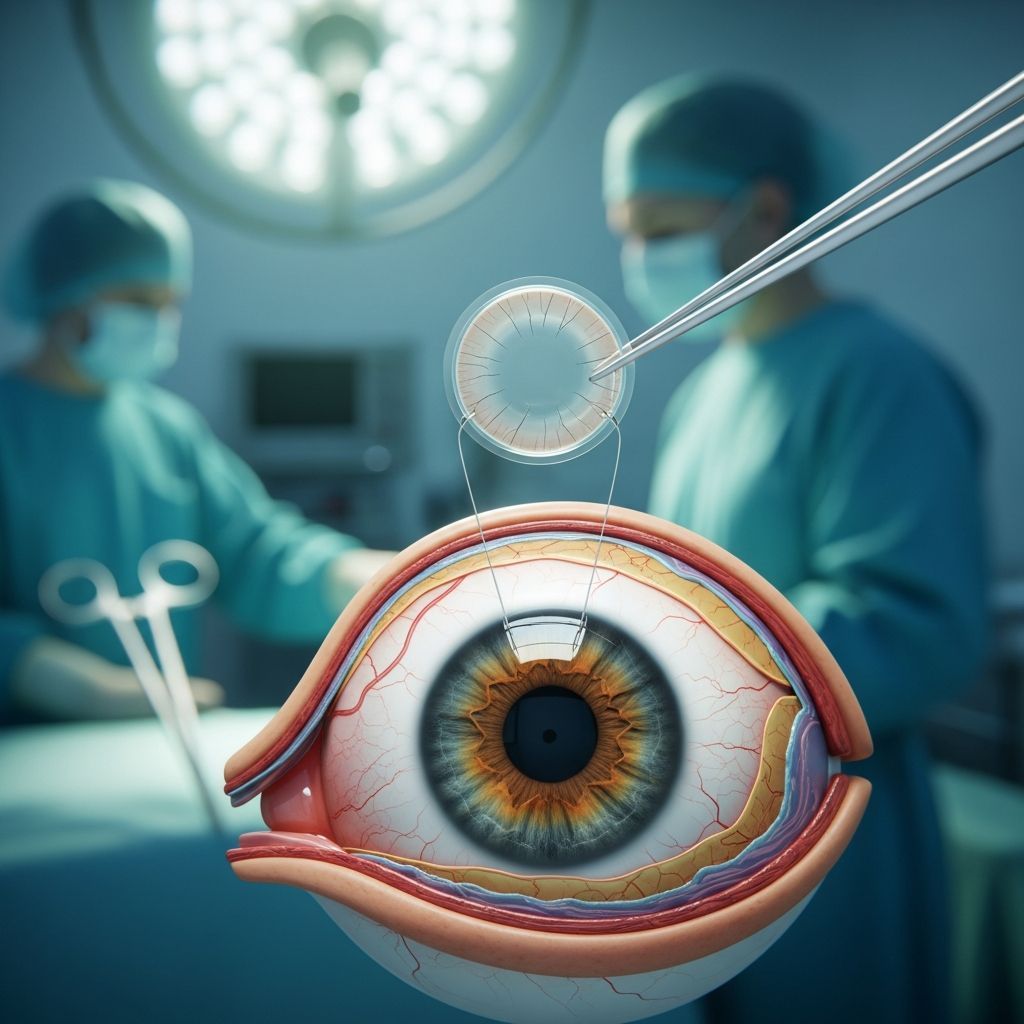
Eye tissue transplants, particularly those involving the cornea, represent a cornerstone of modern ophthalmology, offering hope to individuals suffering from severe vision impairment due to corneal damage or disease. These procedures involve replacing diseased or opaque corneal tissue with healthy donor material, dramatically improving visual clarity, reducing pain, and preventing further complications. Over the decades, surgical innovations have shifted from invasive full-replacement methods to precise, layer-specific techniques, minimizing recovery time and risks.
The Essential Role of the Cornea in Vision
The cornea serves as the eye’s clear, dome-like outermost layer, accounting for approximately two-thirds of the eye’s focusing power. It acts as a protective barrier while refracting light to create sharp images on the retina. When scarred, swollen, or thinned—often from infections, injuries, genetic conditions, or dystrophies—the cornea distorts vision, leading to blurriness, halos, or total light blockage. Conditions like keratoconus, Fuchs’ dystrophy, or post-trauma scarring necessitate transplantation to restore function.
Primary Types of Corneal Transplantation Procedures
Corneal transplants, collectively termed keratoplasty, vary based on the depth and location of damage. Surgeons select the approach to preserve healthy tissue, optimize outcomes, and reduce rejection risks. Key variants include full-thickness replacements and targeted partial-layer surgeries.
Full-Thickness Penetrating Keratoplasty (PKP)
In penetrating keratoplasty, surgeons excise a central ‘button’ of the entire cornea using a trephine—a precise cutting tool—and suture in a donor cornea slightly larger for a secure fit. This method suits cases of widespread damage across all layers. Performed under local or general anesthesia, the procedure lasts 1-2 hours. Fine, nylon sutures (thinner than a hair) secure the graft, often remaining for 12-18 months before selective removal to refine vision.
Partial-Thickness Lamellar Keratoplasty Techniques
Advancements allow selective replacement of damaged layers, sparing healthy ones. These include anterior and posterior approaches.
- Deep Anterior Lamellar Keratoplasty (DALK): Targets the front layers (epithelium and stroma) while preserving the endothelium. Techniques like the ‘big bubble’ method inject air to separate layers, enabling a suture-secured donor graft. Ideal for stromal diseases, DALK lowers rejection rates compared to PKP.
- Superficial Anterior Lamellar Keratoplasty (SALK): Addresses shallow opacities (up to 40% depth) with a thin donor graft fixed by fibrin glue—no sutures needed. This sutureless option accelerates healing.
Endothelial Keratoplasty for Back-Layer Disorders
Endothelial keratoplasty (EK) dominates for diseases like Fuchs’ dystrophy affecting the inner lining. Subtypes include:
- Descemet Stripping Automated Endothelial Keratoplasty (DSAEK): Replaces endothelium and a thin stromal layer via small incisions. Pre-cut donor tissue unfolds in the anterior chamber, held by an air bubble.
- Descemet Membrane Endothelial Keratoplasty (DMEK): Uses an ultra-thin donor membrane (just endothelium and Descemet’s membrane). Inserted through a 2-3mm incision, it’s positioned with trypan blue staining for visibility. Though technically demanding, DMEK yields superior visual recovery.
Artificial Options: Keratoprosthesis
For patients ineligible for donor tissue—due to prior rejections or severe dryness—a keratoprosthesis (artificial cornea) like the Boston KPro is implanted. This device combines a synthetic optic with patient tissue, performed in sterile operating rooms.
Related Stories



Preparation and Surgical Process
Candidates undergo thorough evaluations: corneal topography, pachymetry (thickness measurement), and endothelial cell counts to tailor the procedure. Donor corneas from eye banks are screened rigorously for viability and disease-free status. Pre-surgery, patients receive instructions on fasting, medications, and sterile eye drops.
During surgery, under microscopic guidance:
- The eye is numbed and stabilized with a speculum or ring.
- Incisions create access; viscoelastic gel protects internal structures.
- Diseased tissue is removed precisely.
- Donor graft is shaped, inserted, and fixated—sutured or bubbled into place.
- Antibiotics and shields complete the 60-120 minute operation.
Recovery Timeline and Post-Operative Care
Most patients go home same-day, with vision gradually improving over weeks to a year. Initial blurriness from swelling resolves as sutures tighten or are adjusted. Care essentials include:
- Shielding the eye at night.
- Topical steroids and antibiotics for 6-12 months to prevent rejection.
- Frequent follow-ups for suture management and refraction checks.
- Avoiding rubbing, swimming, or dusty environments.
Full-thickness grafts may take 12-18 months for stability; partial procedures recover faster, often with glasses or contacts for optimal acuity.
Potential Risks and Complications
While success rates exceed 90% for clear grafts at one year, risks persist:
| Complication | Description | Prevention/Management |
|---|---|---|
| Graft Rejection | Immune attack on donor cells (5-20% risk) | Immunosuppressants; early steroids |
| Infection | Bacterial/viral entry | Prophylactic drops; hygiene |
| Glaucoma | Pressure spikes from inflammation | Monitoring; pressure-lowering meds |
| Astigmatism | Irregular shaping | Suture adjustments; LASIK later |
| Graft Failure | Clouding over time | Regrafting if needed |
Endothelial procedures have lower rejection (under 10%) due to reduced stromal exposure.
Success Rates and Long-Term Outcomes
Modern keratoplasties boast 95% graft survival at five years for low-risk cases, with lamellar types leading in visual quality. A University of Toronto study found 61% of transplants were lamellar (DSAEK most common), versus 39% PKP, reflecting technique evolution. Patients often achieve 20/40 or better vision, transforming lives by restoring independence.
Who Qualifies and Donor Realities
Ideal candidates have healthy endothelium (for anterior procedures) and no active infections. Donor corneas—abundant via programs like Lions Eye Institute—come from deceased individuals post-consent, preserved up to 14 days. One donor aids eight transplants.
Future Horizons in Eye Transplantation
Emerging tech like femtosecond lasers for precise cuts, bioengineered corneas, and gene therapies promise even better results. Stem cell-derived endothelial cells may eliminate donor dependency.
Frequently Asked Questions (FAQs)
Is cornea transplant painful?
Anesthesia ensures no pain during surgery; post-op discomfort is mild, managed by drops.
How long until I drive after surgery?
Typically 1-4 weeks, pending vision clearance by your doctor.
Can I wear contacts after transplant?
Yes, often 3-6 months post-op to fine-tune vision.
What if my graft rejects?
Early signs (redness, pain) prompt steroids; 50% respond, others may need re-transplant.
Are artificial corneas permanent?
They last years but require lifelong lubrication and monitoring.
References
- Cornea transplant – Mayo Clinic — Mayo Clinic. 2023-10-12. https://www.mayoclinic.org/tests-procedures/cornea-transplant/about/pac-20385285
- Cornea Transplantation – StatPearls — NCBI Bookshelf. 2023-07-17. https://www.ncbi.nlm.nih.gov/books/NBK539690/
- Stages Of Corneal Transplant Surgery — Eye Bank Association of America. 2024-01-15. https://www.eyedonation.org/stages-of-corneal-transplant-surgery/
- Corneal Surgical Procedures — Wills Eye Hospital. 2024-05-20. https://www.willseye.org/corneal-surgical-procedures/
Similar Articles








Read full bio of Sneha Tete