Eye Twitching: Causes, Symptoms, and Treatment
Understanding eye twitching: Learn about causes, symptoms, and effective treatment options.
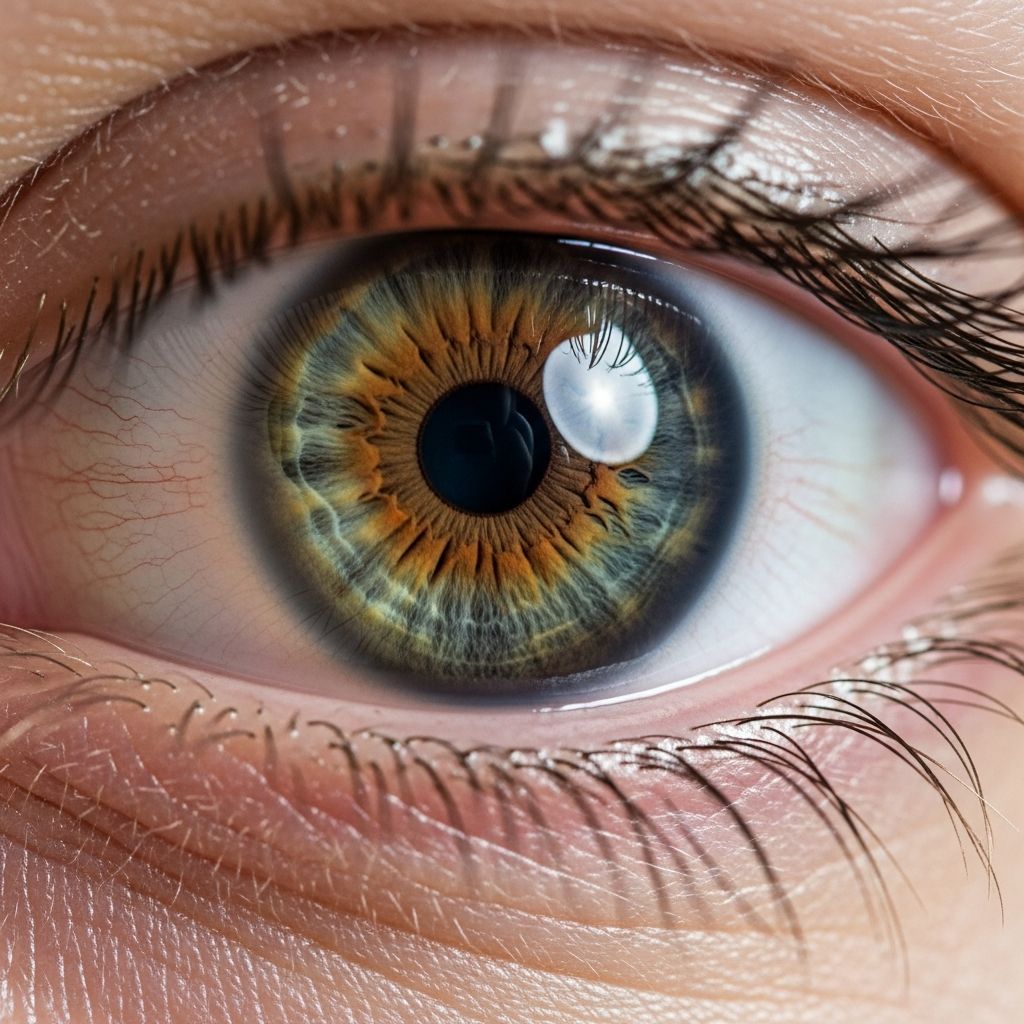
What Is Eye Twitching?
Eye twitching, also known as eyelid twitching or eyelid spasm, is a repetitive and involuntary contraction of the eyelid muscles. This involuntary movement can affect one or both eyes and ranges from barely noticeable to quite bothersome. Most cases of eye twitching are temporary and resolve on their own within a few days to weeks, though some individuals may experience persistent twitching that lasts longer.
The medical term for the most common type of eyelid twitching is ocular myokymia. This condition is generally benign and does not lead to serious complications or other health problems. However, in some cases, persistent eye twitching may indicate an underlying health condition that requires professional evaluation and treatment.
Common Causes of Eye Twitching
Eye twitching can be triggered by various factors, ranging from lifestyle habits to underlying medical conditions. Understanding these causes can help you identify why your eye is twitching and what steps you might take to address it.
Lifestyle and Environmental Factors
Several everyday factors can trigger eye twitching, particularly in individuals who are already stressed or fatigued:
– Fatigue and Lack of Sleep: One of the most common causes of eye twitching is insufficient sleep. When your body is tired, your muscles become more prone to involuntary contractions, including those in your eyelids.- Stress and Anxiety: Emotional stress can trigger eyelid twitching in many individuals. Stress hormones can affect muscle control and make your eyelids more susceptible to spasms.- Caffeine Consumption: Excessive caffeine intake is a well-documented trigger for eye twitching. Caffeine stimulates the nervous system and can increase muscle contractions.- Alcohol Consumption: Like caffeine, alcohol can trigger or worsen eye twitching, particularly when consumed in excess or combined with fatigue.- Smoking and Tobacco Exposure: Nicotine and other chemicals in tobacco smoke can irritate the eyes and trigger twitching.- Exercise: Intense physical activity or exercise, especially when combined with stress or fatigue, may trigger eye twitching.- Bright Light Exposure: Sensitivity to bright lights or prolonged exposure to bright environments can irritate the eyes and cause twitching.- Environmental Irritants: Wind, air pollution, and other environmental irritants can irritate your eye surface and trigger spasms.
Eye-Related Conditions
Several conditions affecting your eyes can contribute to twitching:
– Eye Strain: Prolonged screen time, reading, or other activities requiring sustained visual focus can cause eye strain, which may lead to twitching.- Dry Eyes: Insufficient tear production or poor tear quality can irritate the eyes and trigger twitching.- Eye Irritation and Corneal Abrasion: Direct irritation of the eye surface or the inner eyelids can cause involuntary spasms.- Blepharitis: Inflammation of the eyelid margins can cause eye irritation and twitching.- Conjunctivitis (Pink Eye): This viral or bacterial infection of the eye can cause irritation and trigger eyelid spasms.- Uveitis: Swelling of the middle layer of the eye (uvea) can cause discomfort and eye twitching.- Light Sensitivity: Individuals with heightened sensitivity to light may experience twitching more frequently.
Medical Conditions and Nervous System Disorders
While less common, persistent eye twitching can sometimes indicate a more serious underlying condition:
– Benign Essential Blepharospasm (BEB): This is a condition characterized by severe, frequent eye twitching that affects both eyes. The cause is not fully understood but may involve problems with the basal ganglia in the brain.- Multiple Sclerosis: Eye twitching may be one of several symptoms associated with multiple sclerosis, a neurological disorder.- Parkinson’s Disease: This neurodegenerative condition can cause eyelid twitching, and certain medications used to treat Parkinson’s disease may also trigger twitching as a side effect.- Bell’s Palsy: This condition causes sudden weakness on one side of the face and may be associated with eye twitching.- Hemifacial Spasm: Involuntary facial spasms, including eye twitching, may result from irritation of the facial nerve.- Meige Syndrome: This rare nervous system disorder involves involuntary contractions of muscles around the eyes and jaw.- Dystonia: Various forms of dystonia, including oromandibular dystonia and facial dystonia, can cause eye twitching.- Tourette Syndrome: This neurological condition may include eye twitching as one of its manifestations.- Brain or Nervous System Disorders: Rarely, brain damage from inflammation or stroke, particularly affecting the thalamus, basal ganglia, or brain stem, can cause eye twitching.
Related Stories



Medications and Other Factors
Certain medications can trigger eye twitching as a side effect. These include topiramate, clozapine, and flunarizine, as well as some medications used to treat mental health conditions. Additionally, magnesium deficiency has been associated with muscle contractions, though research on other vitamin and mineral deficiencies causing eye twitching is limited.
Symptoms and When to Seek Medical Attention
Most cases of eye twitching are mild and resolve without treatment. However, you should consult a healthcare professional if you experience any of the following symptoms alongside eye twitching:
– Your eye is red, swollen, or has unusual discharge- Your upper eyelid is drooping- Your eyelid completely closes each time it twitches- The twitching continues for several weeks- The twitching affects other parts of your face- You experience unusual vision changes or complete loss of vision- You suspect an eye injury, such as a corneal scratch
It’s important to note that while brain tumors are rarely associated with eyelid twitching, if you experience unusual vision changes or vision loss alongside eye twitching, seek medical attention promptly.
Treatment Options for Eye Twitching
Treatment for eye twitching depends on the underlying cause and severity of the condition.
Self-Care Measures
For most cases of eye twitching, simple lifestyle changes and self-care measures can effectively reduce or eliminate symptoms:
– Reduce Caffeine Intake: Decreasing your consumption of coffee, tea, and other caffeinated beverages may help reduce twitching.- Get Adequate Sleep: Ensuring you get sufficient sleep each night is one of the most effective ways to prevent and treat eye twitching.- Manage Stress: Practicing relaxation techniques such as meditation, yoga, or deep breathing can help reduce stress-related twitching.- Use Artificial Tears: Over-the-counter artificial tears or lubricating eye drops can help keep your eyes moist and reduce irritation-related twitching.- Apply Warm Compresses: Applying a warm compress to your eye when a spasm begins can provide relief and help relax the muscles.- Limit Screen Time: Reducing time spent on computers, phones, and other digital devices can decrease eye strain and twitching.- Protect Your Eyes: Wearing sunglasses in bright light and protecting your eyes from wind and environmental irritants can help prevent twitching.- Reduce Alcohol and Tobacco Exposure: Limiting alcohol consumption and avoiding tobacco smoke can reduce twitching triggers.
Medical Treatments
If self-care measures do not resolve persistent eye twitching, your healthcare provider may recommend more advanced treatments:
Medications: Various medications may be prescribed to reduce eye twitching symptoms. However, these tend to ease symptoms only in the short term and do not help everyone.
Botulinum Toxin Injections: For more severe cases, particularly benign essential blepharospasm, botulinum toxin (Botox) injections into the eyelid muscles can be highly effective. These injections temporarily paralyze the muscles causing the spasms, providing relief that typically lasts several months. However, as the effects wear off, repeat injections may be necessary.
Surgery: For severe, treatment-resistant cases of benign essential blepharospasm, a surgical procedure called myectomy may be recommended. During this procedure, some of the muscles and nerves in the eyelids are removed to stop the spasms. This surgical approach can effectively eliminate symptoms in many individuals.
Treatment of Underlying Conditions: If eye twitching is caused by an underlying medical condition such as Parkinson’s disease, blepharitis, or other health issues, treating these conditions may also help resolve the twitching.
Understanding Different Types of Eye Twitching
There are several different presentations of eye twitching that may indicate different underlying causes:
Ocular Myokymia: This is the most common type of eye twitching, typically affecting only the upper or lower lid of one eye. It is benign and usually resolves within days to weeks. Ocular myokymia is commonly triggered by fatigue, stress, caffeine, and eye irritation.
Benign Essential Blepharospasm: This more severe condition involves frequent and pronounced twitching of both eyes. The eyelids may partially or completely close with each spasm. This condition may have a genetic component and often requires professional treatment.
Hemifacial Spasm: This involves spasms of facial muscles on one side of the face, including the eyelid. It is often caused by irritation of the facial nerve, sometimes due to an abnormal blood vessel pulsating against the nerve. In rare cases (less than 1%), it may be caused by a tumor, and MRI imaging may be recommended.
Frequently Asked Questions
Q: How long does eye twitching typically last?
A: Most cases of eye twitching last between a few seconds and several hours, though some may persist for a few days or weeks. Chronic eye twitching may last longer and may require medical evaluation and treatment.
Q: Can screen time cause eye twitching?
A: Yes, increased screen time is a common cause of eye strain, which can trigger eyelid twitching, dryness, and other discomfort. Taking regular breaks from screens and practicing good eye hygiene can help prevent this.
Q: Does magnesium deficiency cause eye twitching?
A: Magnesium deficiency is known to cause muscle contractions and may potentially contribute to eyelid twitching. However, research does not currently support a strong link between other vitamin and mineral deficiencies and eye twitching. If you suspect a deficiency, consult a healthcare professional for testing and appropriate supplementation.
Q: Can brain tumors cause eye twitching?
A: Although brain tumors are rarely associated with eyelid twitching, unusual vision changes or complete vision loss are more concerning symptoms. If you experience significant vision changes alongside eye twitching, seek medical attention promptly.
Q: When should I see a doctor about eye twitching?
A: Consult a healthcare professional if your eye twitching is severe, persistent (lasting several weeks), affects multiple areas of your face, causes your eyelid to completely close with each twitch, or is accompanied by redness, swelling, discharge, drooping eyelid, or vision changes.
Q: What is the most effective treatment for benign essential blepharospasm?
A: Botulinum toxin injections are the most common and effective treatment for benign essential blepharospasm. For severe cases that don’t respond to injections, surgical myectomy may be recommended.
Prevention Strategies
While you cannot always prevent eye twitching, you can reduce the likelihood by implementing these preventive strategies:
– Maintain a regular sleep schedule and get 7-9 hours of sleep nightly- Limit caffeine and alcohol consumption- Manage stress through relaxation techniques or exercise- Take regular breaks from screen time, following the 20-20-20 rule (every 20 minutes, look at something 20 feet away for 20 seconds)- Protect your eyes from bright light and environmental irritants- Keep your eyes well-lubricated with artificial tears if prone to dry eyes- Avoid tobacco smoke and smoking- Maintain good eye hygiene and treat any eye infections promptly
The Bottom Line
Eye twitching is a common, usually benign condition that affects most people at some point in their lives. In the vast majority of cases, eye twitching resolves on its own within days to weeks without requiring treatment. Most cases are triggered by lifestyle factors such as stress, fatigue, caffeine consumption, and eye strain, all of which can be managed through simple lifestyle modifications.
However, if your eye twitching persists for several weeks, severely impacts your daily life, affects multiple areas of your face, or is accompanied by other concerning symptoms, it is important to consult a healthcare professional. They can determine the underlying cause and recommend appropriate treatment, whether that involves self-care measures, medications, botulinum toxin injections, or surgical intervention. By understanding the causes and treatment options for eye twitching, you can take proactive steps to manage this condition and maintain your eye health.
References
- Eyelid Twitch: Causes, Treatments, and Prevention — Healthline. 2024. https://www.healthline.com/health/eyelid-twitch
- Twitching Eyelid Causes & Symptoms — UCLA Health, Department of Ophthalmology. 2024. https://www.uclahealth.org/medical-services/ophthalmology/eye-signs-and-symptoms/twitching-eyelid
- Eye Twitching Causes — Mayo Clinic. 2024. https://www.mayoclinic.org/symptoms/eye-twitching/basics/causes/sym-20050838
- Eye Twitching — UMass Memorial Health. 2024. https://www.ummhealth.org/health-library/eye-twitching-0
- Eyelid Spasms — American Society of Ophthalmic Plastic Surgeons (ASOPRS). 2024. https://www.asoprs.org/eyelid-spasms
Similar Articles








Read full bio of Sneha Tete