Eye Twitching: Causes, Symptoms & Treatment Options
Understanding eye twitching: Learn what causes it, when to worry, and effective treatment strategies.
Understanding Eye Twitching: Causes and Solutions
Eye twitching is a common experience that affects many people at some point in their lives. While it can be annoying and distracting, eye twitching is rarely a sign of a serious health condition. The involuntary movement typically lasts from a few days to several weeks, causing temporary discomfort and inconvenience. However, understanding what causes eye twitching and learning effective treatment strategies can help you manage this condition and prevent future episodes.
What Is Eye Twitching?
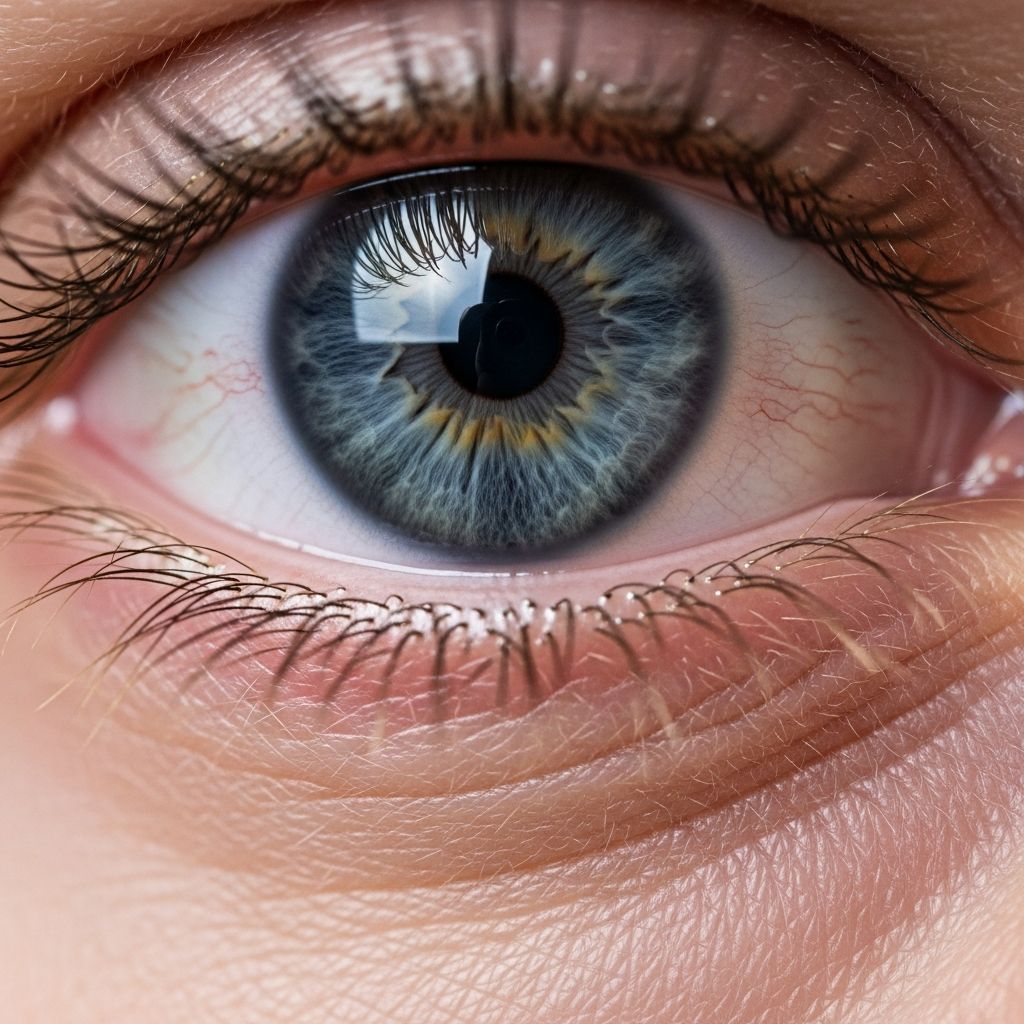
Eye twitching, medically known as myokymia, refers to involuntary spasms of the eyelid muscles. The condition occurs when the orbicularis oculi muscle, which controls eyelid movement, contracts repeatedly and uncontrollably. These spasms typically affect the lower eyelid but can also occur in the upper eyelid or both eyes simultaneously. Most cases of eye twitching are benign and resolve on their own without medical intervention.
Common Causes of Eye Twitching
Eye twitching can result from various factors, ranging from simple lifestyle habits to underlying health conditions. Understanding these triggers is essential for managing and preventing future episodes:
Primary Lifestyle and Environmental Triggers
Fatigue and Sleep Deprivation: One of the most common causes of eye twitching is inadequate sleep. When your body doesn’t get sufficient rest, the muscles around your eyes become fatigued, leading to involuntary spasms. Adults should aim for at least seven hours of quality sleep each night to maintain optimal health and reduce the risk of eye twitching.
Stress and Anxiety: Emotional stress and anxiety are significant contributors to eye twitching. When you’re under stress, your body releases hormones that can trigger muscle tension and involuntary contractions. The eyelid muscles are particularly susceptible to stress-related spasms.
Eye Strain: Prolonged use of digital devices, reading without adequate lighting, or focusing intently on tasks can cause eye strain. This strain puts additional pressure on the eye muscles, potentially triggering twitching episodes.
Caffeine and Alcohol Consumption: Excessive intake of caffeine, found in coffee, tea, soda, and energy drinks, can stimulate muscle contractions. Similarly, alcohol consumption may trigger or exacerbate eye twitching in some individuals.
Dry Eyes: Environmental factors such as low humidity, air conditioning, or reduced blinking while using screens can cause dry eyes. Dry eye syndrome is a common trigger for eyelid twitching and related symptoms.
Medical Conditions Associated with Eye Twitching
While most cases of eye twitching are benign, certain medical conditions can cause chronic or severe eye spasms. These include essential blepharospasm, hemifacial spasm, Meige syndrome, multiple sclerosis, and Parkinson’s disease. If you experience persistent or worsening eye twitching, consulting a healthcare provider is important to rule out underlying conditions.
When to Be Concerned About Eye Twitching
Although most eye twitching episodes are harmless and temporary, certain situations warrant medical evaluation. You should contact an eye care professional if you experience any of the following:
Related Stories



- Eye twitching that persists for more than three weeks
- Spasms that are severe enough to partially or completely close your eye
- Twitching that spreads to other facial muscles or areas
- Accompanying symptoms such as redness, swelling, or discharge
- Eyelid twitching combined with other uncontrollable facial movements
- Changes in vision or eye discomfort
Effective Home Remedies and Prevention Strategies
Most cases of eye twitching can be managed through simple lifestyle modifications and home-based treatments. Here are evidence-based strategies to stop eye twitching:
1. Prioritize Quality Sleep
Getting adequate sleep is one of the most effective ways to prevent and treat eye twitching. Establish a consistent sleep schedule, aiming for seven to nine hours per night. Quality sleep not only reduces eye twitching but also strengthens your immune system, improves mood, enhances focus, and supports overall health. To improve sleep quality, consider creating a relaxing bedtime routine, keeping your bedroom dark and cool, and avoiding screens for at least an hour before bed.
2. Manage Stress Effectively
Since stress is a significant trigger for eye twitching, implementing stress-reduction techniques is crucial. Consider these approaches:
- Practice deep breathing exercises or meditation for 10-15 minutes daily
- Engage in regular physical exercise such as walking, yoga, or swimming
- Set professional boundaries at work to prevent burnout
- Seek counseling or therapy if stress feels overwhelming
- Dedicate time to self-care activities you enjoy
- Practice mindfulness and present-moment awareness
3. Reduce Screen Time and Manage Eye Strain
Excessive use of digital devices can cause eye strain, which triggers twitching. Follow the 20-20-20 rule: every 20 minutes, take a 20-second break and focus on something 20 feet away. Ensure proper lighting when reading or working, position your screen at eye level, and consider wearing glasses with the correct prescription to minimize eye strain.
4. Limit Caffeine and Alcohol
Reducing your intake of caffeinated beverages and alcoholic drinks can help eliminate eye twitching. You don’t necessarily need to eliminate these substances entirely, but moderating consumption is beneficial. For example, if you typically drink four cups of coffee daily, try reducing to two, or switch to decaffeinated alternatives. Similarly, limiting alcohol to weekends or occasional consumption may help reduce twitching episodes.
5. Use Artificial Tears and Eye Drops
If dry eyes contribute to your eye twitching, using artificial tears throughout the day can provide relief. Over-the-counter eye drops moisturize the eyes, reduce inflammation, and alleviate irritation. Apply drops regularly, especially if you spend significant time on screens or in dry environments. Avoid rubbing your eyes when dry or irritated, as this can spread allergens and worsen symptoms.
6. Wear the Correct Prescription
An inaccurate prescription forces your eyes to work harder, causing strain and twitching. Ensure your glasses or contact lens prescription is up to date by visiting an eye care professional annually. Wearing the correct prescription significantly reduces eye strain and related twitching.
7. Protect Your Eyes from Environmental Factors
Wear sunglasses when spending extended time outdoors to protect your eyes from UV rays and environmental irritants. Use protective eyewear when working in dusty or hazardous environments. Maintain appropriate humidity levels in your home using a humidifier if necessary, especially during dry seasons.
Professional Treatment Options
If home remedies don’t resolve your eye twitching or if you experience severe, persistent symptoms, professional treatments are available:
Medical Evaluation and Diagnosis
An eye care professional can determine the underlying cause of your eye twitching through a comprehensive eye examination. They may use electromyography (EMG) testing if they suspect a more serious condition. This diagnostic approach ensures appropriate treatment recommendations.
Botulinum Toxin Injections
For chronic or severe eye twitching conditions like essential blepharospasm or hemifacial spasm, botulinum toxin injections are often the first-line treatment. These injections work by temporarily weakening the muscles responsible for involuntary spasms. Most patients experience symptom improvement three to six days after injection, with effects lasting three to four months. Repeat injections are necessary to maintain symptom relief.
Specialized Dry Eye Treatments
If dry eyes cause your twitching, several advanced treatments can provide lasting relief:
TearCare®: This personalized, open-eye procedure clears blockages in the meibomian glands that may cause dry eye discomfort and related twitching.
LipiFlow: This treatment uses gentle eyelid massage combined with controlled heat to remove blockages that cause eye irritation and inflammation.
Punctal Occlusion: A quick, painless procedure that blocks the tear drainage system, allowing your eyes to retain more natural tears and moisture.
Medications
For certain conditions like Meige syndrome, healthcare providers may prescribe medications such as clonazepam, trihexyphenidyl, diazepam, or baclofen to manage involuntary muscle contractions.
Surgical Options
Surgery is typically considered only for severe cases when conservative treatments have failed. Microvascular decompression is the most common surgical procedure, involving the release of the facial nerve from abnormally positioned blood vessels that compress it.
Frequently Asked Questions
Q: How long does eye twitching typically last?
A: Most cases of eye twitching resolve spontaneously within days to a few weeks. If twitching persists beyond three weeks or interferes with vision, consult an eye care professional.
Q: Can eye twitching indicate a serious health condition?
A: While eye twitching is rarely a sign of serious illness, it can occasionally be associated with neurological conditions like multiple sclerosis or Parkinson’s disease. If accompanied by other symptoms or facial movements, seek medical evaluation.
Q: Is eye twitching contagious?
A: No, eye twitching is not contagious. It results from individual factors such as stress, fatigue, or dry eyes rather than infectious agents.
Q: Can magnesium supplements help with eye twitching?
A: Some research suggests magnesium plays a role in muscle function. While magnesium supplements may help in certain cases, consult a healthcare provider before starting any supplement regimen.
Q: What should I do if my eye twitching is severe and bothersome?
A: Schedule an evaluation with an eye care professional to determine the underlying cause. Depending on the diagnosis, treatment options range from lifestyle modifications to Botox injections or other specialized procedures.
References
- Why You Have That Pesky Eye Twitch — and When to Seek Help — Cleveland Clinic Health Information. 2024. https://health.clevelandclinic.org/why-you-have-that-pesky-eye-twitch-and-when-to-seek-help
- Myokymia: What It Is, Causes, Symptoms & Treatments — Cleveland Clinic. 2024. https://my.clevelandclinic.org/health/diseases/myokymia
- Blepharospasm: Definition, Causes & Treatment Options — Cleveland Clinic. 2024. https://my.clevelandclinic.org/health/diseases/21546-blepharospasm
- Hemifacial Spasm (Face Twitching): Symptoms & Treatment — Cleveland Clinic. 2024. https://my.clevelandclinic.org/health/diseases/hemifacial-spasm
- Meige Syndrome: What It Is, Causes, Symptoms & Treatment — Cleveland Clinic. 2024. https://my.clevelandclinic.org/health/diseases/15783-meige-syndrome
- How To Stop My Eye From Twitching — Cleveland Eye Clinic. 2022. https://clevelandeyeclinic.com/2022/07/05/eye-twitch-causes-and-treatments
- Sleep and Health — Mayo Clinic. 2024. https://www.mayoclinic.org/healthy-lifestyle/adult-health/in-depth/sleep/art-20048379
Similar Articles








Read full bio of Sneha Tete