Eye Whitening Drops: 6 Safe Use Tips For Brighter Eyes
Discover how eye whitening drops work, their benefits, risks, safe usage tips, and when to see a doctor for red eyes.
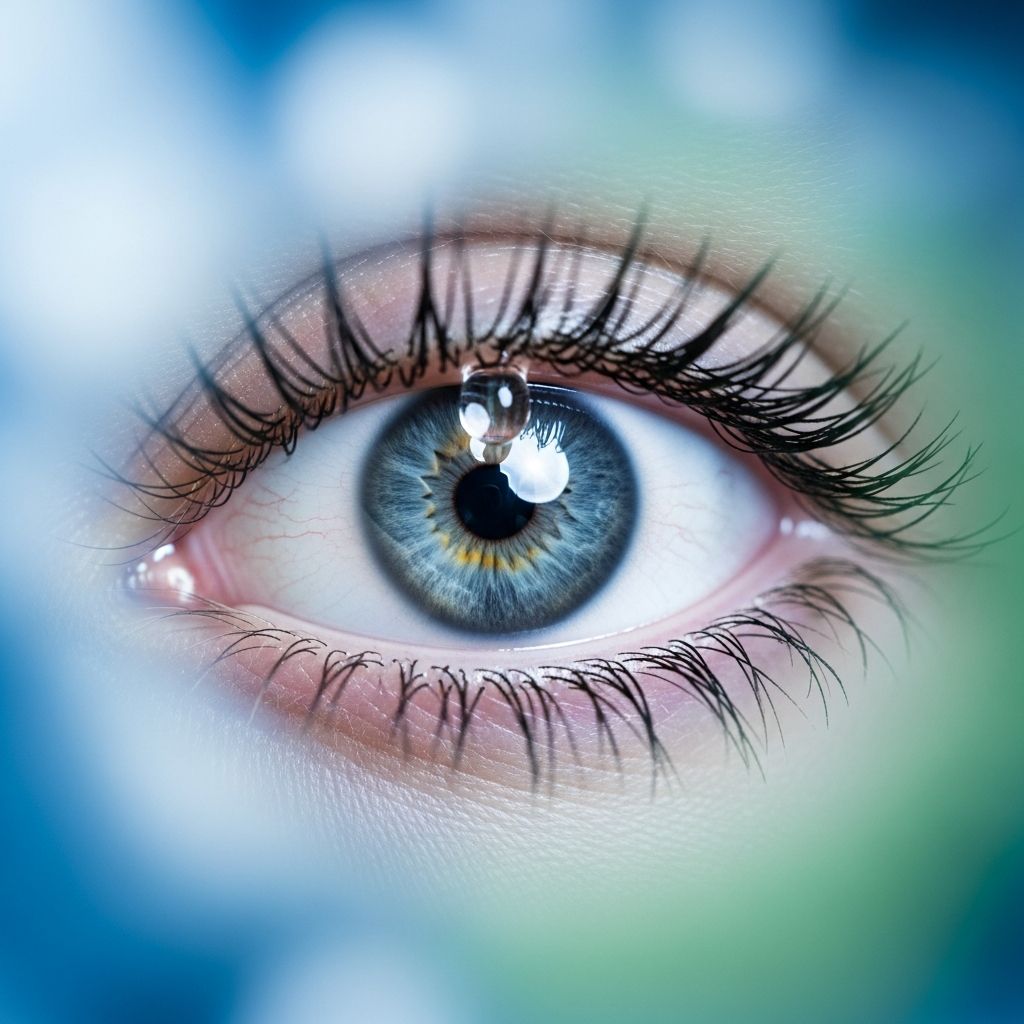
Eye whitening drops, also known as redness-relief drops, temporarily brighten the whites of your eyes by reducing redness caused by irritation, allergies, dryness, or fatigue. While popular for quick cosmetic improvement, they carry risks like rebound redness if overused, and may mask underlying conditions requiring medical attention.
What Experts Say About Eye Whitening Drops
Ophthalmologists caution that while these over-the-counter (OTC) drops provide fast relief, they are not intended for long-term use. The American Academy of Ophthalmology recommends limiting use to no more than 72 hours to avoid complications like rebound hyperemia, where eyes become redder after the effects wear off.
Dr. Ann Marie Griff, O.D., notes that whitening drops work by narrowing blood vessels but advises trying lubricating drops first for dryness-related redness. Eye care professionals emphasize consulting a doctor if redness persists, as it could signal infections, allergies, or more serious issues like uveitis or glaucoma.
What Are Eye Whitening Drops?
Eye whitening drops are medicated eye drops formulated to make the sclera—the white part of the eye—appear brighter by minimizing visible blood vessels and redness. They do not bleach or permanently alter eye color but provide temporary cosmetic enhancement.
Common triggers for red eyes that these drops target include environmental irritants, lack of sleep, screen time, contact lens wear, and mild allergies. Unlike artificial tears, which only lubricate, whitening drops contain active ingredients like decongestants to actively constrict vessels.
How Do Eye Whitening Drops Work?
These drops primarily induce vasoconstriction, narrowing the tiny blood vessels (capillaries) in the conjunctiva, the clear membrane covering the sclera. This reduces the pink or red hue, making eyes look whiter within minutes.
Effects typically last 4-8 hours, depending on the formula and individual factors like eye sensitivity. Some drops also hydrate to soothe dryness, a common redness culprit.
Key Ingredients in Eye Whitening Drops
- Decongestants: Tetrahydrozoline (e.g., Visine) or naphazoline (e.g., Rohto) constrict blood vessels for quick whitening.
- Lubricants: Such as polyethylene glycol or carboxymethylcellulose to moisturize and reduce irritation.
- Antihistamines: For allergy-induced redness, blocking histamine to prevent itching and watering (e.g., ketotifen).
- Preservatives: Like benzalkonium chloride (BAK) to prevent bacterial growth, though BAK can irritate with frequent use.
Popular Eye Whitening Drop Brands
| Brand | Key Ingredient | Products | Notable Features |
|---|---|---|---|
| Visine | Tetrahydrozoline | Red Eye Comfort, Hydrating Comfort, Total Comfort Multi-Symptom, A.C. Itchy Eye Relief | Hydration + redness relief; multi-symptom options. |
| Rohto | Naphazoline or Tetrahydrozoline | Optic Glow, Max Strength, Cool Relief, Digi Eye, All-In-One | Cooling sensation; digital eye strain formulas. |
| Other OTC | Phenylephrine (e.g., Prefrin) | Various generics | Prescription-strength alternatives available. |
Avoid tinted drops like those with methylene blue (e.g., banned Collyre Bleu), as the FDA deems them unsafe due to toxicity risks.
Risks and Side Effects of Eye Whitening Drops
While generally safe for short-term use, overuse leads to significant issues. Always follow label directions and FDA-approved guidelines.
Related Stories



Rebound Redness (Hyperemia)
The most common risk: frequent use desensitizes vessels, causing dilation and worse redness upon cessation. This cycle can become addictive, prompting chronic use. Limit to 72 hours max.
Preservative Toxicity
BAK and similar preservatives damage the corneal surface with repeated exposure, leading to dry eye syndrome or toxicity.
Temporary Side Effects
- Stinging or burning sensation
- Blurred vision (brief)
- Pupil dilation (rare)
Seek immediate care for: persistent pain, vision changes, swelling, or redness lasting >72 hours.
Contraindications
Do not use if you have narrow-angle glaucoma, as decongestants can trigger angle-closure attacks—a medical emergency. Pregnant individuals or those with heart conditions should consult a doctor.
Masking Serious Conditions
Drops hide symptoms of:
- Conjunctivitis (pink eye—infectious or allergic)
- Dry eye disease
- Uveitis or scleritis (inflammation)
- Corneal ulcers or foreign bodies
- Glaucoma onset
Redness from these requires targeted treatment, like antibiotics or steroids—not whitening drops.
Safe Ways to Use Eye Whitening Drops
To minimize risks:
- Wash hands thoroughly.
- Tilt head back, pull down lower lid to form a pocket.
- Instill 1-2 drops per eye (max 4x/day); avoid touching tip to eye.
- Close eyes 1-2 minutes; press inner corners to block drainage.
- Wait 5-10 minutes before other drops.
- Discard open bottles after 30 days or per label.
Opt for preservative-free versions if using frequently. Store at room temperature, away from sunlight.
Alternatives to Eye Whitening Drops
- Artificial Tears: Lubricate without meds; ideal for dryness (e.g., Refresh, Systane).
- Allergy Drops: Antihistamine/mast cell stabilizers like Zaditor for allergies.
- Lifestyle Changes: Blink exercises, 20-20-20 rule for screens, humidifiers, allergy management.
- Prescription Options: Steroids or anti-inflammatories for chronic issues.
When to See an Eye Doctor
Consult promptly if:
- Redness lasts >3 days despite drops
- Accompanied by pain, discharge, light sensitivity, or vision loss
- Sudden onset in one eye
- History of eye disease or recent injury
Routine exams detect underlying causes early.
Frequently Asked Questions (FAQs)
Are eye whitening drops safe for daily use?
No. Limit to 72 hours; daily use risks rebound redness and corneal damage.
Can eye whitening drops change eye color permanently?
No, they only temporarily constrict vessels for cosmetic effect.
What causes rebound redness from eye drops?
Overuse leads to vessel tolerance, causing dilation and worse redness.
Are there preservative-free whitening drops?
Yes, single-use vials reduce irritation risks.
Can children use eye whitening drops?
Only under pediatrician guidance; not typically recommended.
References
- Eye-Whitening Drops: Best Options for Brighter, Whiter Eyes — All About Vision. 2023 (accessed 2026). https://www.allaboutvision.com/eye-care/eye-drops/eye-whitening-drops/
- Which Whitening Eye Drops Work and Why? — Healthline (Medically reviewed by Ann Marie Griff, O.D.). 2019-11-25. https://www.healthline.com/health/eye-health/whitening-eye-drops
- Ask an Eye Doc: How Do I Keep My Eyes Bright? — VSP Vision Care. 2023 (accessed 2026). https://www.vsp.com/eyewear-wellness/ask-eye-doctor/eye-whitening-drops-safety
Similar Articles








Read full bio of Sneha Tete