Eyeball Tattooing Risks: What You Need To Know
Discover why injecting ink into your eye sclera can lead to blindness, infections, and irreversible damage—experts urge avoidance.
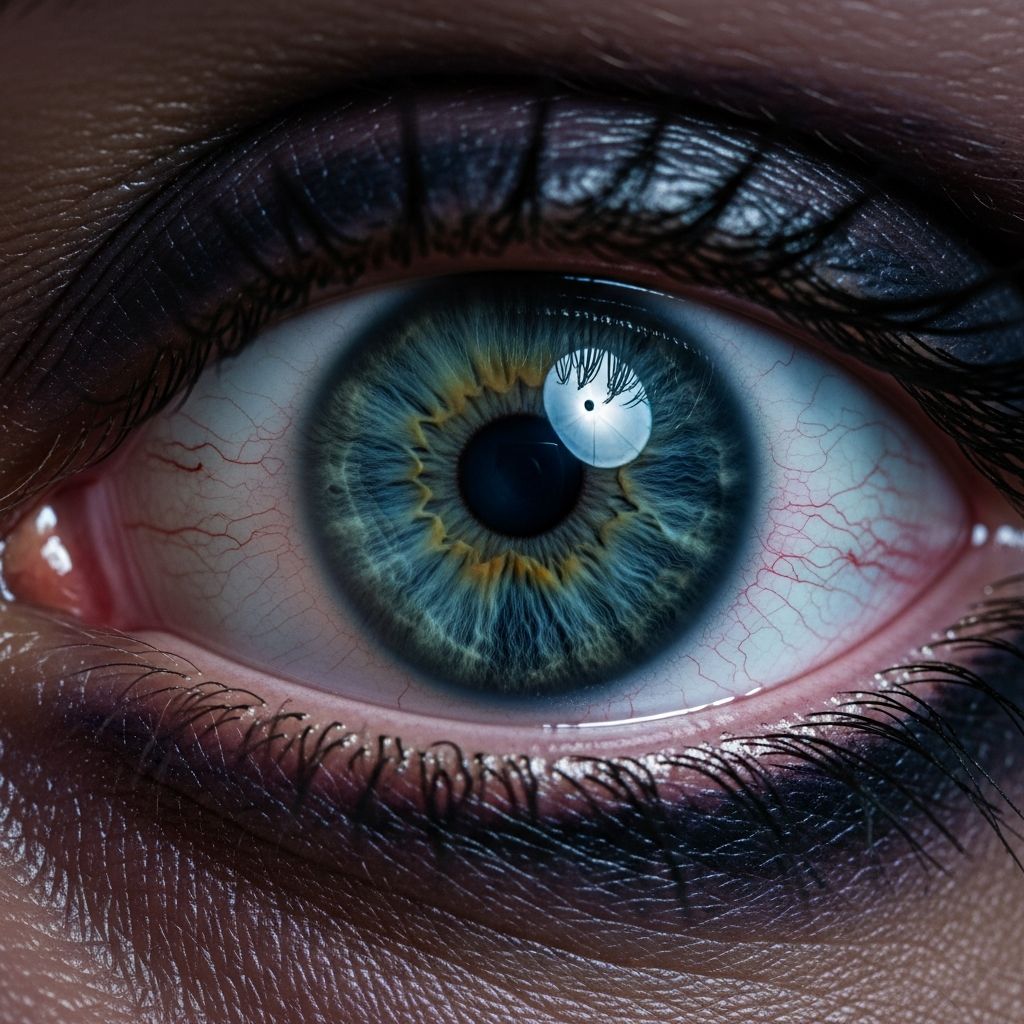
Eyeball tattooing, also known as scleral tattooing, is an extreme body modification where ink is injected into the white part of the eye, the sclera, to alter its color. This procedure has gained notoriety on social media for its dramatic visual effects but carries catastrophic health risks that far outweigh any aesthetic appeal. Medical professionals universally condemn it due to the potential for permanent vision impairment or complete loss of the eye.
The Allure and Reality of Scleral Ink Injections
What drives individuals to pursue eyeball tattooing? Proponents claim it offers a bold, permanent way to customize eye appearance, turning natural whites into vibrant hues like black, blue, or red. Social media influencers showcase “success stories,” fueling curiosity among those seeking unique looks. However, these displays mask the procedure’s unregulated nature—no standardized training exists for artists, and inks are not tested for ocular safety.
In reality, the process involves a needle piercing the thin conjunctival layer overlying the sclera. Even minor errors can puncture deeper structures, leading to immediate trauma. Unlike skin tattoos, the eye’s transparency and vascularity amplify dangers, as ink can spread uncontrollably or trigger immune responses.
Immediate Dangers During the Procedure
The injection itself is fraught with peril. The sclera’s proximity to the cornea, iris, and retina means a slight hand tremor could cause globe perforation—a tear in the eye’s outer wall. This can introduce bacteria directly into the vitreous humor, sparking endophthalmitis, a sight-threatening infection.
- Needle mishaps: Risk of scratching the cornea or penetrating the anterior chamber, causing acute pain and bleeding.
- Ink migration: Pigments may flow into unintended areas, obscuring vision or provoking allergic reactions.
- Vascular damage: Ruptured blood vessels lead to subconjunctival hemorrhage, distorting eye shape temporarily or permanently.
Patients often report intense discomfort, but numbing agents provide false security, hiding ongoing damage until it’s too late.
Short-Term Complications Post-Tattooing
Within days or weeks, inflammation sets in as the body rejects foreign pigments. Uveitis, or intraocular inflammation, is common, swelling delicate tissues and raising intraocular pressure. Photophobia—extreme light sensitivity—forces victims into darkened rooms, disrupting daily life.
| Complication | Symptoms | Potential Outcome |
|---|---|---|
| Infection | Redness, discharge, pain | Corneal ulcers, sepsis |
| Inflammation | Swelling, blurred vision | Glaucoma, cataracts |
| Allergic Reaction | Itching, tearing | Chronic conjunctivitis |
These issues often require aggressive antibiotics or steroids, but delays in seeking care exacerbate harm.
Long-Term Health Threats
The gravest risks emerge over months or years. Retinal detachment occurs when inflamed vitreous tugs on the retina, detaching it like wallpaper peeling from a wall. This demands urgent surgery, with success rates dropping if ink interferes.
Sympathetic ophthalmia, a rare but devastating autoimmune response, can inflame the untreated eye too, risking bilateral blindness. Ink particles act as antigens, fooling the immune system into attacking ocular tissues. Fading tattoos may prompt repeat procedures, compounding damage and hiding underlying diseases like tumors or glaucoma.
Related Stories



Case studies reveal horror stories: one self-tattooer suffered corneoscleral perforation, leading to inflammation and pressure spikes that threatened enucleation—surgical eye removal. Another developed chronic keratitis from ink toxicity, enduring persistent foreign body sensation.
Why Inks and Artists Pose Unique Hazards
Tattoo inks for skin aren’t formulated for eyes. Heavy metals and organic dyes can leach toxins, causing corneal endothelial damage or pigment dispersal into the trabecular meshwork, impairing fluid drainage. Non-sterile equipment transmits hepatitis or HIV, while artist inexperience—lacking ophthalmology knowledge—amplifies errors.
Legally, many regions ban scleral tattooing, classifying it as medical practice. Yet underground operators persist, prioritizing profit over safety.
Real-World Cases and Medical Warnings
Peer-reviewed reports document tragedies. A patient attempting DIY tattooing perforated their cornea, developing endophthalmitis and retinal risks. Eyelid tattoo variants caused ocular surface disease, with pigments migrating to induce dry eye and infections.
Ophthalmologists from bodies like the American Academy of Ophthalmology decry the trend, noting no safe protocol exists. Even “successful” cases show subclinical changes, like reduced tear stability or subclinical inflammation.
Regulatory Gaps and Global Perspective
Unlike FDA-approved cosmetics, eyeball tattoos evade oversight. Europe and parts of the US prohibit them, but enforcement lags. Public health campaigns stress education, as social media amplifies misinformation.
Medically indicated corneal tattooing—for iris defects or scars—differs vastly: performed by surgeons under sterile conditions using biocompatible dyes. Cosmetic versions pervert this, sans safeguards.
Safer Alternatives for Eye Enhancement
- Colored contacts: Reversible, FDA-regulated lenses mimic tattoo effects without invasion.
- Iridoctomy or implants: Surgical options for aniridia, done by specialists.
- Makeup and filters: Non-permanent ways to experiment with looks.
- Laser depigmentation: Risky but regulated for color change, unlike injections.
Consult ophthalmologists before any eye alteration. Routine exams detect issues early.
FAQs on Eyeball Tattooing
Is eyeball tattooing ever safe?
No. Even proponents admit high risks; long-term data is absent.
Can infections from eye tattoos be cured?
Some yes, but many lead to scarring or vision loss if untreated promptly.
How much does it cost, and is it reversible?
$500–$2000 per eye, irreversible without surgery that may fail.
Has anyone died from eyeball tattoos?
Not directly reported, but complications like sepsis can be fatal indirectly.
What should I do if considering this?
Avoid it. Seek professional eye health advice instead.
Conclusion: Prioritize Vision Over Vanity
Eyeball tattooing’s allure fades against irrefutable risks: from temporary agony to lifelong blindness. As trends evolve, remember eyes are irreplaceable. Choose health over hype.
References
- Eyeball Tattoos? Yes, Tattoo Trends are Going There — Medermis Laser Clinic. 2023. https://medermislaserclinic.com/blog/eyeball-tattoos/
- Ocular and Periocular Tattoo Adverse Effects: A Review — PMC – NIH. 2024-10-15. https://pmc.ncbi.nlm.nih.gov/articles/PMC11475837/
- What to Know About the Dangers of “Eye Tattoos” — WebMD. 2024. https://www.webmd.com/eye-health/what-to-know-dangers-eye-tattoos
- Experts warn against “eye tattoo” procedure growing in popularity — KENS 5 (YouTube Transcript). 2025. https://www.youtube.com/watch?v=xLuTLMIb5zQ
- Corneal tattooing — Wikipedia (sourced medical refs). 2025. https://en.wikipedia.org/wiki/Corneal_tattooing
Similar Articles








Read full bio of Sneha Tete