Eyelash Growth Treatment: Understanding Latisse
Discover how FDA-approved Latisse can transform your natural lashes
Introduction to Prescription Eyelash Enhancement
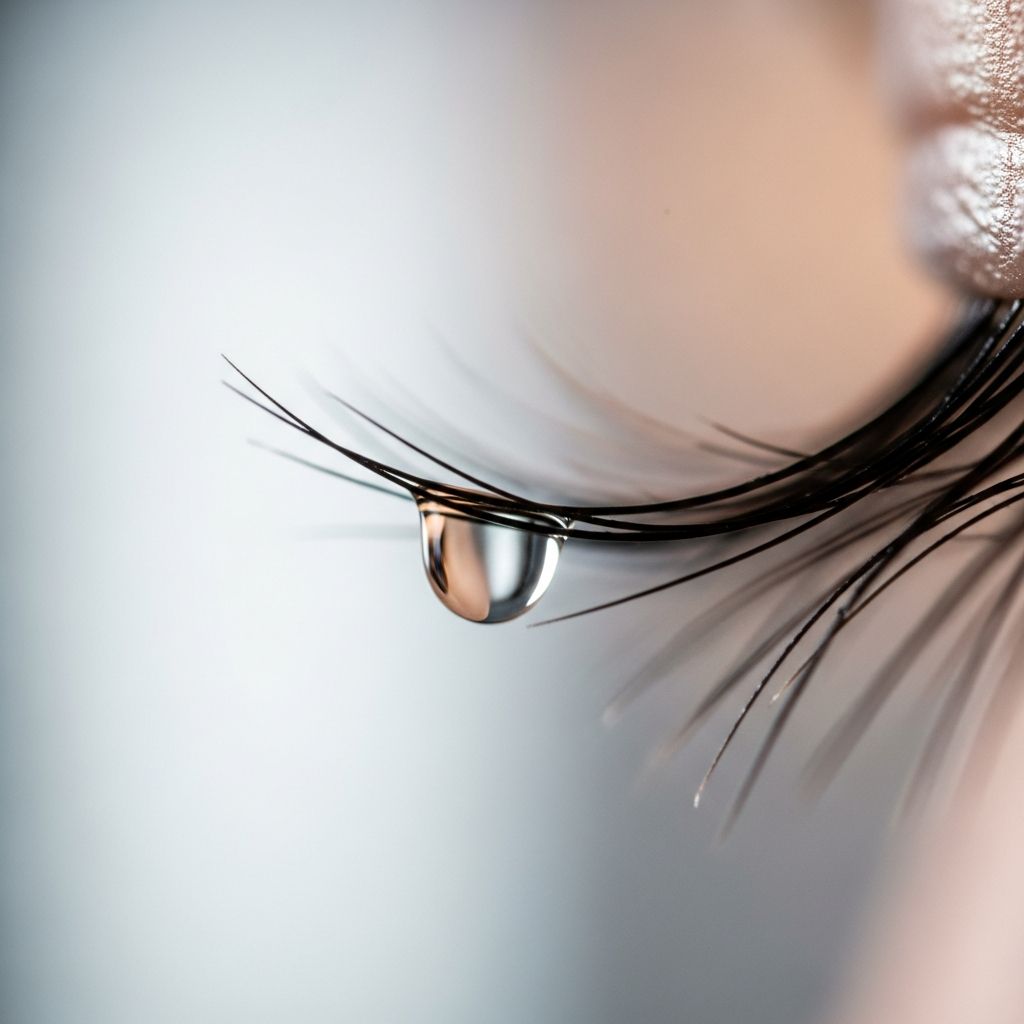
For individuals seeking naturally longer and fuller eyelashes without the commitment of daily mascara application or the expense and maintenance of lash extensions, prescription-strength treatments offer a scientifically-backed solution. Latisse stands as the only FDA-approved prescription medication specifically formulated to stimulate eyelash growth, representing a significant advancement in cosmetic eye care. Unlike temporary solutions that mask or add artificial lashes, Latisse works at the biological level to enhance your natural eyelashes over time, producing results that are genuinely yours and integrated into your natural lash cycle.
The Origin of Bimatoprost and Its Unexpected Discovery
The story behind Latisse demonstrates how scientific innovation sometimes emerges from serendipitous observations. Bimatoprost, the active ingredient in Latisse, was originally developed as a therapeutic medication to treat elevated intraocular pressure associated with glaucoma—a serious eye condition affecting millions worldwide. During clinical trials evaluating its effectiveness for this medical purpose, researchers noted an unexpected and remarkable side effect among participants: their eyelashes began to grow noticeably longer, thicker, and darker than before.
This accidental discovery sparked scientific interest in the cosmetic applications of bimatoprost. Recognizing the potential market for an eyelash enhancement product, pharmaceutical researchers conducted additional studies specifically examining how this compound could be reformulated and optimized for cosmetic eyelash growth. The result of this research pathway led to the development of Latisse as a dedicated cosmetic treatment, which received FDA approval and has since become the gold standard for prescription-based eyelash enhancement.
Mechanism of Action: How Latisse Stimulates Lash Growth
Understanding how Latisse produces its effects requires knowledge of the natural eyelash growth cycle. Each individual eyelash, like all hair on the body, progresses through distinct biological phases. The first phase, known as the anagen or growth phase, is when the lash actively extends in length and develops. This phase typically lasts several weeks for eyelashes. Subsequently, the lash enters the catagen or transition phase, a brief period of development slowdown. Finally, it progresses to the telogen or resting phase, after which the lash naturally sheds to make way for new growth.
Latisse works by extending and prolonging the anagen phase of this natural cycle. When applied consistently to the base of the upper eyelashes, bimatoprost influences the hair follicles to remain in their active growth state for an extended duration. This extended growth phase allows each lash to develop greater length and thickness than it would naturally achieve. Additionally, Latisse increases the number of lashes that progress through the growth phase, meaning not only do individual lashes grow longer, but more lashes overall participate in this growth process simultaneously.
The cumulative effect of these biological changes—both increased individual lash length and increased quantity of actively growing lashes—produces the dramatic visible improvements that users observe. This mechanism explains why Latisse produces genuine, lasting results rather than temporary cosmetic enhancement, and also explains why consistent daily application is necessary to maintain results.
Clinical Evidence and Quantifiable Results
The effectiveness of Latisse rests on solid clinical data from peer-reviewed research. Pharmaceutical manufacturers conducted rigorous clinical trials involving hundreds of participants to evaluate the treatment’s safety and efficacy before FDA approval. These trials established specific, measurable improvements in eyelash characteristics.
| Eyelash Characteristic | Improvement Percentage | Measurement Details |
|---|---|---|
| Lash Length | 25% increase | Average 1.4mm growth |
| Lash Thickness/Fullness | 106% increase | Doubling of lash density |
| Lash Darkness | 18% increase | Enhanced natural pigmentation |
| Patient Success Rate | 78% (16 weeks) | Noticeable results in over three-quarters of users |
Related Stories



These statistics represent average improvements across diverse patient populations. In clinical trials spanning 16 weeks of daily application, 78% of participants developed noticeably longer, thicker, and darker eyelashes. Even faster results were observed in some individuals, with approximately 50% of participants reporting visible improvements within just 8 weeks of consistent use.
Application Process and Daily Protocol
Latisse application is straightforward and designed to integrate seamlessly into existing nighttime routines. Each Latisse package includes sterile applicators—specialized brush-like instruments designed specifically for precise application along the lash line. Users apply a single drop of the solution to the applicator and gently brush it along the base of the upper eyelashes once daily, preferably in the evening.
The simplicity of this process represents one of Latisse’s significant advantages over alternative lash enhancement methods. Application requires only a few seconds and can be performed independently at home without professional assistance or salon appointments. The medication works overnight while the eyes are closed, allowing the bimatoprost to interact with the hair follicles undisturbed.
Critical to achieving results is consistency and adherence to the recommended protocol. Users should apply Latisse daily without skipping doses, as interrupted treatment delays results and reduces overall effectiveness. Additionally, applying more than the recommended single daily application does not accelerate results and simply wastes product without providing additional benefit.
Timeline to Visible Results and Expectations
Patience represents an essential attribute for individuals beginning Latisse treatment. Unlike cosmetic products such as mascara that produce immediate visual effects, Latisse requires time to influence the biological growth cycle of hair follicles. Initial visible results typically emerge between 30 to 60 days of consistent daily application, though some individuals may notice changes slightly earlier or later depending on individual variation in hair growth cycles.
Progressive improvements continue beyond the initial 30-60 day window. By 8 weeks of treatment, approximately half of users report noticeable enhancement. The most dramatic and comprehensive results manifest around the 16-week mark of consistent daily application. At this milestone, lashes typically reach their maximum length and fullness achievable during the initial treatment phase, and users experience the full cosmetic transformation that Latisse can provide.
Understanding this timeline helps users maintain realistic expectations and avoid discouragement during early treatment phases when changes are subtle. The gradual nature of improvement reflects the biological reality that hair growth is a naturally slow process, and eyelashes in particular have relatively long growth cycles compared to other body hair.
Maintenance Requirements and Long-Term Use
An important consideration for Latisse users involves understanding what happens if treatment is discontinued. The lashes that Latisse stimulates to grow remain your natural lashes and follow the normal biological shedding cycle. After approximately 7-9 weeks of discontinuing Latisse application, the enhanced lashes begin to naturally shed as part of their normal life cycle, and new lashes growing in the absence of the bimatoprost treatment will return to their pre-treatment characteristics.
To maintain the enhanced lash appearance achieved through Latisse treatment, continued application is necessary. However, maintenance application differs from the initial treatment protocol. Once desired lash appearance is achieved after the initial 16-week intensive treatment phase, many users transition to a reduced application schedule, typically applying Latisse 2-3 times weekly rather than daily. This maintenance schedule preserves the cosmetic improvements while reducing product consumption and application frequency.
The necessity for ongoing application represents a trade-off consideration when evaluating Latisse against alternative treatments. Unlike surgical procedures or certain semi-permanent cosmetic treatments, Latisse requires indefinite commitment to maintain results. However, this ongoing commitment is minimal compared to daily mascara application or recurring salon visits for lash extension maintenance.
Safety Profile and FDA Approval Status
Latisse underwent comprehensive safety and efficacy evaluation before receiving FDA approval as a prescription medication. The regulatory approval process involved clinical trials examining both efficacy and adverse event rates in diverse populations. Based on this evidence, the FDA determined that Latisse meets safety and effectiveness standards for prescription use.
The prescription-only status of Latisse reflects the regulatory classification of bimatoprost as a medication requiring medical oversight. Because Latisse contains a pharmacologically active substance that affects biological processes, FDA regulations require that it be dispensed only with a valid prescription from a licensed healthcare provider. This requirement ensures that individuals using Latisse have been evaluated for appropriate candidacy and receive proper instructions for use.
Healthcare providers typically assess basic eye health and medical history before prescribing Latisse to identify any contraindications or special considerations. This professional oversight adds an additional layer of safety assurance beyond the pre-approval clinical trials.
Comparative Advantages Over Alternative Lash Enhancement Methods
Several popular alternatives exist for individuals seeking fuller lashes, each with distinct advantages and disadvantages when compared to Latisse treatment.
Mascara offers immediate results and requires no medical oversight, but provides only temporary cosmetic coverage that washes away daily. Mascara requires daily application and must be removed carefully to prevent lash damage. Over time, frequent mascara application combined with mechanical removal can weaken natural lashes.
Lash extensions provide more dramatic lengthening than Latisse and persist for several weeks without daily application. However, extensions require expensive and time-consuming professional installation and maintenance appointments every 2-3 weeks. Extensions can stress natural lashes, potentially causing damage or temporary loss if applied or removed improperly. The cumulative costs of professional lash extension services substantially exceed Latisse treatment over extended periods.
Eyelash serums and over-the-counter growth products offer convenience and lower cost but typically lack the clinical evidence supporting Latisse’s effectiveness. Most such products contain conditioning ingredients that may improve lash appearance but do not biologically stimulate true growth like prescription bimatoprost does.
Latisse uniquely combines clinical proof of efficacy, natural lasting results that integrate with your own lashes, and relatively low maintenance compared to extensions. The results are genuinely yours rather than artificial additions, and the lashes remain healthy and normal once grown.
Frequently Asked Questions About Latisse Treatment
How much does Latisse cost?
Latisse pricing varies by geographic location and provider, typically ranging from $120-$200 per 5mL bottle. Since one bottle generally lasts approximately 6-8 weeks with daily application, monthly costs range approximately $60-$100. Insurance coverage is unlikely because Latisse is cosmetic rather than medically necessary, though specific coverage should be verified with individual insurance providers.
Can men use Latisse?
Yes, Latisse is appropriate for men desiring longer or fuller eyelashes. The bimatoprost mechanism operates identically regardless of gender, and clinical trials included male participants. Application and results follow the same timeline as for women.
Are there side effects associated with Latisse?
Common side effects are generally mild and localized, including slight eye irritation, redness, or itching at the application site. Some users report darkening of the skin around the eyes or slight darkening of the eye iris itself in rare cases. These effects typically resolve after discontinuing treatment. Individual responses vary, and healthcare providers should be consulted regarding any concerns.
Can Latisse be used on lower lashes?
Latisse is FDA-approved and clinically studied only for upper eyelash application. Application to lower lashes is not recommended without specific medical guidance, as safety and efficacy data do not exist for this use.
How quickly can I expect results?
Initial subtle changes typically appear after 4-6 weeks of daily application. More noticeable improvements emerge around 8 weeks, with optimal results achieved at approximately 16 weeks. Individual variation means some users may see faster or slower progression.
Consultation and Getting Started with Latisse
Individuals interested in Latisse treatment should schedule a consultation with an eye care professional, including ophthalmologists, optometrists, or dermatologists who offer the treatment. During consultation, the provider will review medical history, examine the eyes, discuss expectations, and explain the treatment protocol in detail. This professional interaction ensures that Latisse is appropriate for your specific circumstances and addresses any individual concerns.
Once a prescription is obtained, Latisse can be obtained through various pharmacy channels and delivered conveniently. Beginning treatment involves establishing a consistent daily application routine, setting realistic timeline expectations, and maintaining open communication with your healthcare provider regarding any questions or concerns that arise during the treatment process.
References
- FDA Approves Latisse for Hypotrichosis of the Eyelashes — U.S. Food and Drug Administration. 2008. https://www.fda.gov/news-events/press-announcements
- Bimatoprost: A Review of Its Use in Glaucoma and Ocular Hypertension — Drugs & Aging. 2006. https://pubmed.ncbi.nlm.nih.gov/
- Does Latisse Really Work for Eyelash Growth? — GoodRx Health. 2024. https://www.goodrx.com/latisse/does-latisse-work
- Latisse for Better Eyelash Growth: How It Works and What to Expect — Tiverton Eye Care. 2024. https://www.tivertoneyecare.com/eye-care-services/latisse/
Similar Articles








Read full bio of Sneha Tete