Eyelash Loss Causes And Solutions: Expert Guide To Regrowth
Discover why your eyelashes are shedding, from everyday irritants to serious health signals, and learn effective ways to restore them.
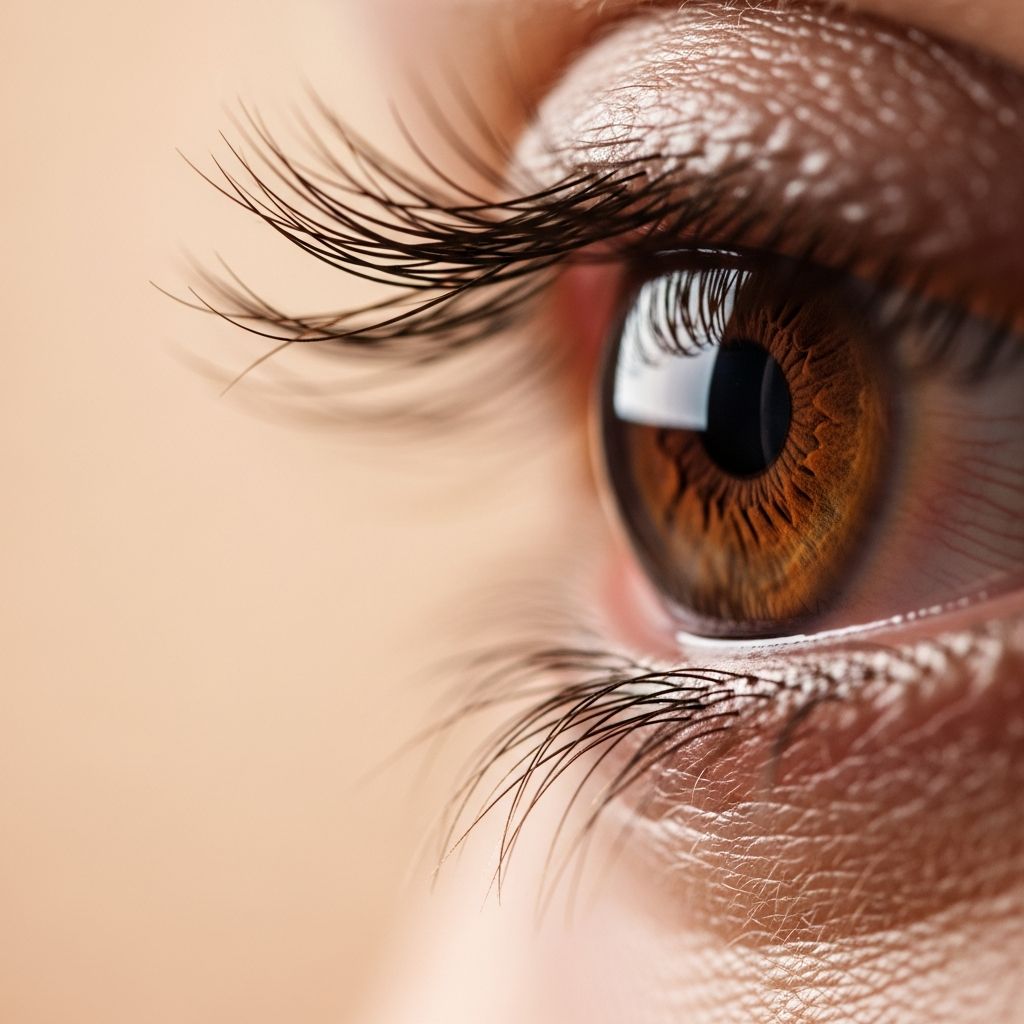
Eyelashes naturally shed and regrow in cycles, but excessive loss can signal underlying problems. This comprehensive guide examines the primary triggers of eyelash shedding, known medically as ciliary madarosis, and offers actionable strategies for addressing them.
Understanding the Eyelash Growth Cycle
Eyelashes follow a distinct growth pattern with three phases: anagen (growth), catagen (transition), and telogen (resting and shedding). Each lash lasts about 3-5 months before falling out to make way for new ones. Normal shedding involves 1-5 lashes daily per eye. When loss accelerates, it disrupts this balance, often due to follicle damage or external factors.
Factors like age, genetics, and overall health influence cycle speed. Disruptions push more lashes into telogen prematurely, causing noticeable thinning. Recognizing this helps differentiate normal turnover from pathological loss.
Common Inflammatory Conditions Behind Lash Shedding
Inflammation tops the list of eyelash loss culprits, primarily through blepharitis, an eyelid inflammation affecting lash roots.
Blepharitis: The Leading Offender
Blepharitis occurs in anterior (outer lid edge, often bacterial) and posterior (inner glands, linked to oil blockages) forms. Symptoms include itchy, red, swollen lids with crusty flakes. Posterior cases tie to meibomian gland dysfunction, sometimes from rosacea.
Demodex mites or seborrheic dermatitis exacerbate it, inflaming follicles and halting growth. Chronic cases lead to misdirected or absent lashes.
- Clean lids twice daily with warm compresses and mild cleansers.
- Avoid eye makeup during flares.
- Consult an ophthalmologist for prescription antibiotics or steroids if persistent.
Other Skin-Related Inflamations
Rosacea, styes, and allergic dermatitis irritate lid margins, prompting fallout. Contact allergies to mascara or lash extensions cause rapid shedding via immune reactions. Psoriasis or eczema flares near eyes similarly damage follicles.
Autoimmune and Systemic Disorders
Autoimmune conditions attack hair follicles, inducing alopecia areata, where patchy lash loss occurs. The immune system targets roots, causing inflammation and dormancy.
Broader diseases like lupus, rheumatoid arthritis, or scleroderma contribute via systemic inflammation. Thyroid imbalances—hypo- or hyperthyroidism—disrupt hormones vital for growth, often with symptoms like weight changes, fatigue, or temperature sensitivity.
| Condition | Lash Impact | Associated Symptoms |
|---|---|---|
| Alopecia Areata | Patchy or total loss | Bald spots on scalp/eyebrows |
| Hypothyroidism | Thinning | Fatigue, dry skin, hair loss elsewhere |
| Lupus | Episodic shedding | Rash, joint pain |
Nutritional and Hormonal Influences
Deficiencies in biotin, iron, zinc, protein, or vitamins A, C, D, E impair follicle health, slowing regrowth. Postpartum or menopausal hormone shifts force telogen entry, causing temporary thinning.
Correct via balanced diets rich in leafy greens, nuts, eggs, and lean proteins. Supplements require medical oversight to avoid excess.
Lifestyle and External Triggers
Mechanical Damage and Habits
Rubbing itchy eyes, aggressive makeup removal, or trichotillomania (compulsive pulling) mechanically uproot lashes. Extensions or tight curlers stress follicles if overused.
Medications and Treatments
Chemotherapy, radiation, blood thinners, or antidepressants list lash loss as side effects by targeting fast-dividing cells or altering cycles. Eye mites, bacterial/fungal infections, or improper contact lens hygiene add risks.
Related Stories



Stress and Aging
Chronic stress accelerates telogen effluvium, syncing shedding. Aging thins lashes naturally via slower cycles and drier skin.
Distinguishing Normal vs. Abnormal Loss
Monitor for bilateral loss, accompanying brow/scalp thinning, skin changes, or systemic signs like joint pain. Rapid clumping or one-sided loss warrants urgent evaluation to rule out scarring madarosis, where fibrosis prevents regrowth.
Diagnostic Approaches
Eye specialists use slit-lamp exams to inspect follicles, swab for infections, or biopsy persistent cases. Blood tests check thyroid, nutrients, or autoimmunity.
Treatment and Recovery Strategies
Treatments target causes:
- Blepharitis: Hypochlorous sprays, tea tree oil wipes, or oral doxycycline.
- Autoimmune: Corticosteroids, immunosuppressants, or JAK inhibitors for alopecia.
- Nutritional: Targeted supplements post-testing.
- Regrowth Aids: Bimatoprost (Latisse) stimulates follicles, prescription-only.
Home care includes hypoaallergenic makeup, lash serums with peptides, and gentle cleansing. Avoid extensions until resolved. Most non-scarring cases regrow in 4-8 weeks post-treatment.
Prevention Tips for Healthy Lashes
- Remove makeup nightly with oil-free removers.
- Use lash conditioners with castor oil or biotin.
- Protect from rubbing; use cool compresses for itch.
- Maintain lid hygiene with daily warm soaks.
- Eat nutrient-dense foods; manage stress via exercise/meditation.
When to Seek Professional Help
Consult promptly if loss persists >2 weeks, affects vision, or pairs with pain/redness. Early intervention prevents permanent damage.
Frequently Asked Questions (FAQs)
Do eyelashes grow back after falling out?
Yes, in non-scarring cases, regrowth takes 1-2 months. Persistent issues need cause-specific treatment.
Is eyelash loss a sign of serious disease?
Often benign, but it can flag thyroid issues, autoimmunity, or infections. Bilateral or rapid loss merits checking.
Can makeup cause permanent lash damage?
Prolonged irritation may scar follicles, but removal and care usually reverse it.
How does stress affect eyelashes?
It triggers telogen effluvium, syncing shedding; relief restores cycles.
Are lash growth serums safe?
Prescription ones like bimatoprost are effective but may darken irises; over-the-counter vary in efficacy.
Lash loss disrupts more than aesthetics—it’s a follicle health barometer. Proactive care and timely medical input safeguard lush fringes.
References
- Madarosis (Eyebrow & Eyelash Hair Loss) — Cleveland Clinic. 2023. https://my.clevelandclinic.org/health/symptoms/24820-madarosis
- Why am I losing my eyelashes? — Miami Lakes Eye Care Center. 2023. https://eyedoctorsite.com/blog/why-am-i-losing-my-eyelashes/
- 5 Reasons Why Your Eyelashes Are Falling Out — Cleveland Clinic Health. 2023. https://health.clevelandclinic.org/why-are-my-eyelashes-falling-out
- Madarosis: A Marker of Many Maladies — PMC (NCBI). 2012-04-01. https://pmc.ncbi.nlm.nih.gov/articles/PMC3358936/
- Madarosis — DermNet NZ. 2023. https://dermnetnz.org/topics/madarosis
Similar Articles








Read full bio of medha deb