Eyelash Pulling Disorder: Trichotillomania Explained
Discover the causes, impacts, and proven strategies to manage trichotillomania, the compulsive urge to pull eyelashes and restore eye health.
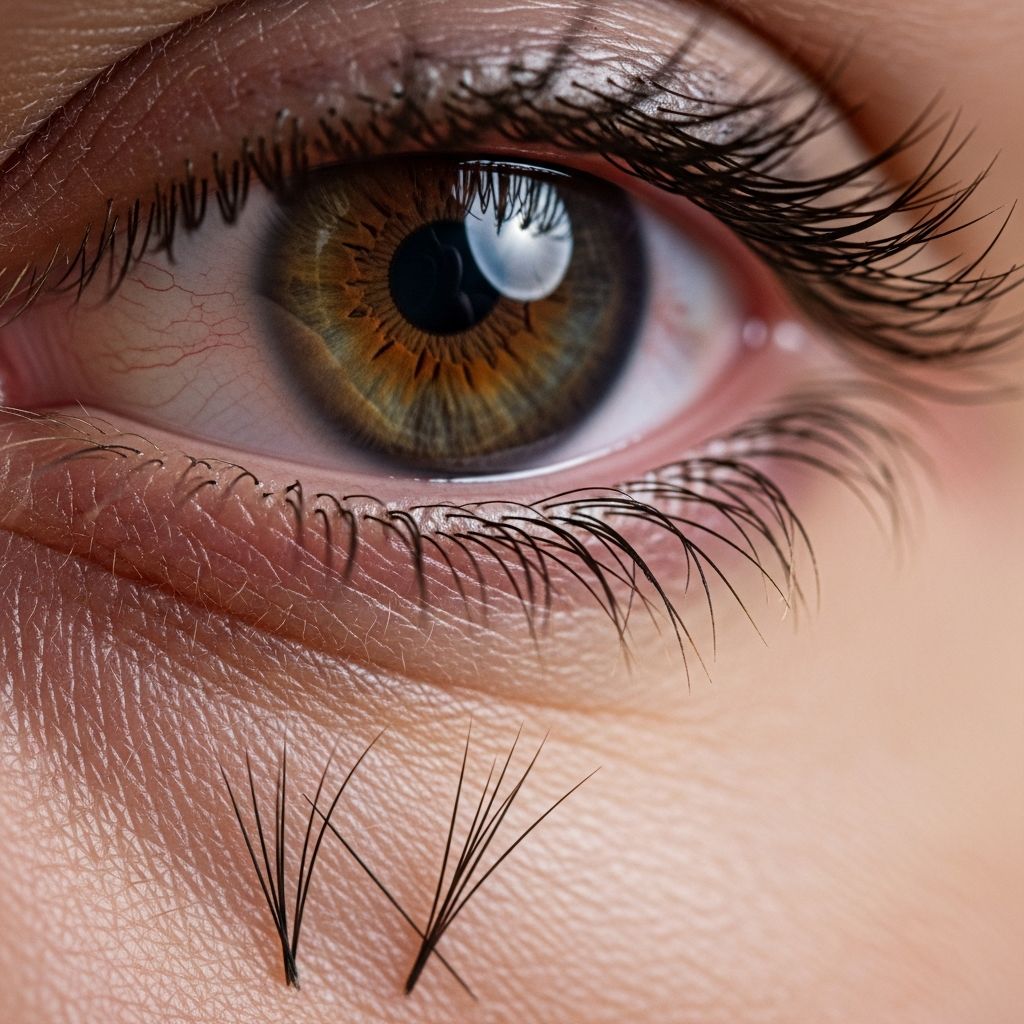
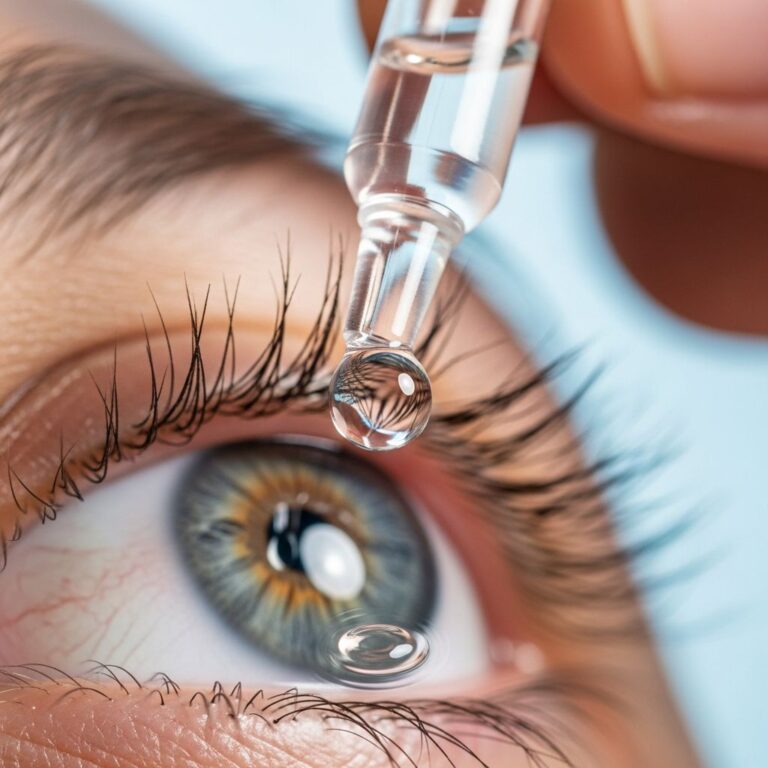
Trichotillomania, often called hair-pulling disorder, involves an overwhelming impulse to remove one’s own hair, frequently targeting delicate areas like the eyelashes. This condition affects eye protection and appearance, leading to both physical vulnerabilities and emotional challenges.
Defining Trichotillomania and Its Reach
At its core, trichotillomania is classified as a body-focused repetitive behavior (BFRB), where individuals experience mounting tension relieved only by pulling hair. While the scalp is commonly targeted, eyelashes and eyebrows are highly susceptible sites due to their accessibility and sensory prominence.
The disorder manifests in two primary forms: automatic pulling, occurring subconsciously during idle moments like watching television, and focused pulling, driven by conscious urges for relief. Eyelash involvement heightens the issue because these hairs serve as a natural barrier against dust and irritants, and their absence is immediately visible.
Prevalence: How Widespread Is Eyelash Pulling?
Contrary to assumptions that scalp hair dominates, surveys reveal eyelash and eyebrow pulling may be more common. One large-scale online poll of over 33,000 individuals found 73% pulling eyelashes and 72% eyebrows, compared to just 27% from the scalp. This suggests many cases go unnoticed because they avoid the head.
Trichotillomania typically emerges between ages 10 and 13, affecting people across genders, though it often begins as a stress response during puberty. Associated habits like nail biting or skin picking frequently coexist, amplifying the behavioral pattern.
Recognizing the Signs of Eyelash Trichotillomania
Key indicators include recurrent urges building to tension, followed by pleasure or relief post-pulling. Individuals may seek out ‘imperfect’ lashes felt during blinks, targeting one or both eyelids. Patterns vary: some focus on upper lids, others both eyes comprehensively.
- Visible gaps or total lash loss around eyes
- Increased eye irritation from debris entry
- Companions like eyebrow thinning
- Social hiding via makeup, falsies, or avoidance
- Failed attempts to resist the impulse
These symptoms extend beyond aesthetics, fostering shame and isolation.
Why the Urge Targets Eyelashes Specifically
The eye area’s sensitivity amplifies sensations; pulling delivers acute pain mixed with gratification, reinforcing the cycle. Blinking heightens awareness of lash textures, prompting inspection and removal. Unlike scalp hair, eyelash loss regrows slowly, prolonging distress.
Triggers often align with emotional states:
| Trigger Type | Description | Common Scenarios |
|---|---|---|
| Stress/Anxiety | Coping mechanism for tension | Work pressure, arguments |
| Boredom | Automatic habit in downtime | Reading, TV viewing |
| Sensory | Irregular lash feel | Blinking sensations |
| Neurological | Impulse control links (e.g., ADHD) | Inattention periods |
Such factors create a feedback loop, where relief encourages repetition.
Physical Consequences for Eye Health
Lacking eyelashes compromises the eye’s defense, inviting particles, dust, and microbes that cause discomfort or infections. Rubbing irritated eyes worsens damage, potentially leading to corneal abrasions.
Aesthetically, sparse lashes draw attention, eroding confidence. Many resort to falsies or sunglasses, but repeated application irritates skin further. Long-term, uneven regrowth or trichomegaly (abnormal growth) can occur from trauma.
Related Stories



Psychological Toll and Quality of Life Impact
Beyond physical effects, trichotillomania breeds low self-esteem, anxiety, and depression. Shame drives secrecy, limiting social interactions and relationships. Co-occurring conditions like OCD or eating disorders compound isolation.
Daily life suffers: avoidance of photos, mirrors, or public settings becomes routine, diminishing overall well-being.
Root Causes: Unraveling the Complexity
No single etiology exists; combinations of genetics, brain chemistry, and environment interplay. Family history raises risk, as do hormonal shifts in puberty. Stress coping maladapts into habit, with dopamine release mimicking addiction.
Unlike mere habits, the compulsion resists willpower alone, distinguishing it from casual twirling.
Treatment Pathways: Breaking the Cycle
Effective management blends therapy, habits reversal, and support. Cognitive Behavioral Therapy (CBT), particularly Habit Reversal Training (HRT), tops recommendations: it identifies triggers, teaches competing responses like fist clenching, and tracks progress.
- CBT/HRT: Builds awareness and alternative behaviors, with 60-90% improvement rates.
- Acceptance Commitment Therapy (ACT): Embraces urges without action.
- Medications: SSRIs or N-acetylcysteine for impulse control, under supervision.
- Mindfulness: Meditation reduces automatic pulling.
Professional help from psychologists or dermatologists is crucial; self-help apps track episodes.
Practical Coping Techniques for Daily Management
Immediate strategies empower control:
- Barrier methods: Gloves or bandages over fingers during triggers.
- Fidget tools: Stress balls redirect hands.
- Sensory substitutes: Soft fabrics mimic textures safely.
- Regrowth aids: Gentle serums (castor oil, peptides) post-consultation.
- Support networks: Groups like TrichStop foster community.
Tracking journals log urges, revealing patterns for targeted intervention.
Promoting Eyelash Recovery and Protection
Regrowth takes 4-10 weeks; patience prevents re-pulling. Hypoallergenic makeup conceals temporarily, but clean routines avoid infections. Nutrition bolsters follicles: biotin, protein, omega-3s support health.
Consult ophthalmologists for persistent irritation; they rule out mimics like blepharitis.
Navigating Diagnosis and When to Seek Help
Diagnosis involves behavioral history; no lab tests suffice. Early intervention prevents entrenchment. If pulling disrupts life, impairs vision, or causes distress, professional evaluation is essential.
FAQs on Eyelash Trichotillomania
Can trichotillomania cause permanent lash loss?
Rarely permanent if addressed; follicles usually recover, but chronic trauma risks scarring.
Is eyelash pulling always trichotillomania?
Often, but differentiate from allergies or dermatitis via professional assessment.
How effective is therapy for eyelash pulling?
CBT shows high success, reducing episodes by over 70% in studies.
Are there home remedies for regrowth?
Supportive: oils and vitamins aid, but treat the root compulsion first.
Does stress always trigger it?
Common, but boredom or genetics contribute too.
Building Long-Term Resilience
Recovery demands persistence; relapses are normal learning opportunities. Integrating lifestyle changes—exercise, sleep, therapy—fortifies against urges. Celebrating small wins rebuilds esteem, transforming a hidden struggle into managed wellness.
References
- Eyelashes & Trichotillomania – Eyelash Pulling Compulsion — TrichStop. Accessed 2026. https://www.trichstop.com/info/symptoms/eyelash-trich
- Trichotillomania – symptoms and treatment options — healthdirect.gov.au. Accessed 2026. https://www.healthdirect.gov.au/trichotillomania
- Trichotillomania: Symptoms, Causes & Effective Treatments — UKLASH. Accessed 2026. https://www.uklash.com/en-us/blogs/news/trichotillomania-guide
- Understanding the Hair Pulling Disorder Called Trichotillomania — Rainbow Pediatrics. Accessed 2026. https://www.rainbowpeds.net/trichotillomania/
- Coping with Eyelash Pulling: Strategies for Healing and Growth — Chubuddy. Accessed 2026. https://www.chubuddy.com/blogs/news/coping-with-eyelash-pulling-strategies-for-healing-and-growth
- Trichotillomania (hair pulling disorder) — NHS.uk. Accessed 2026. https://www.nhs.uk/mental-health/conditions/trichotillomania/
- Trichotillomania (Hair Pulling): What It Is, Causes & Treatment — Cleveland Clinic. Accessed 2026. https://my.clevelandclinic.org/health/diseases/9880-trichotillomania
Similar Articles








Read full bio of Sneha Tete