Eyelid Contact Dermatitis: A Comprehensive Guide
Understanding causes, symptoms, diagnosis, and effective treatments for eyelid contact dermatitis to achieve clear, healthy skin.
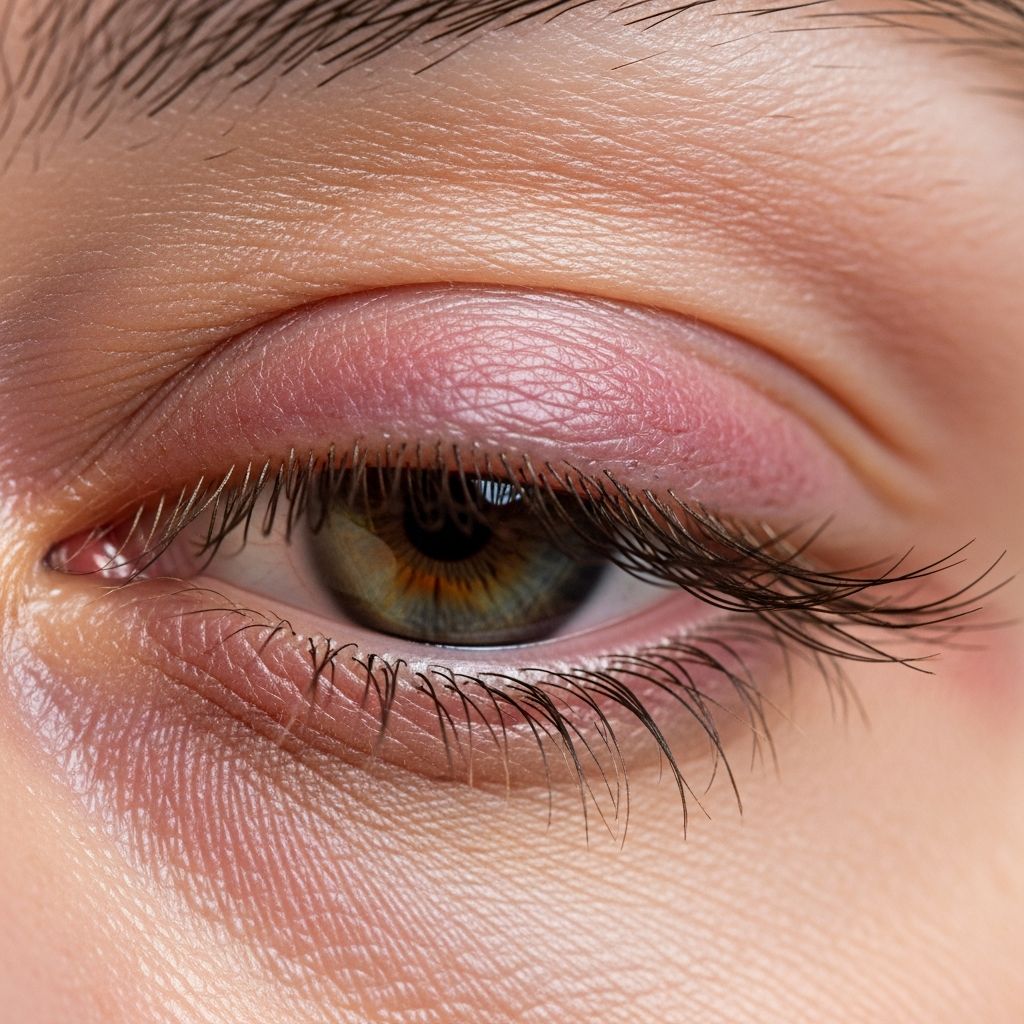
Eyelid contact dermatitis is an inflammatory skin condition affecting the thin, sensitive skin of the eyelids, primarily caused by exposure to irritants or allergens. It manifests as redness, itching, swelling, and scaling, often triggered by cosmetics, personal care products, or environmental factors. This condition requires prompt identification of triggers and appropriate management to prevent chronicity and complications.
What is eyelid contact dermatitis?
Eyelid contact dermatitis, also known as eyelid eczema or periocular dermatitis, is a form of contact dermatitis localized to the eyelids. The eyelid skin is exceptionally thin (0.05 mm compared to 1-2 mm elsewhere on the body), richly vascularized, and lacks robust protective barriers, making it highly susceptible to inflammatory reactions from external substances. It encompasses two main subtypes: irritant contact dermatitis, resulting from direct skin damage by harsh chemicals, and allergic contact dermatitis, an immune-mediated response to specific allergens.
Patients often present with acute onset of symptoms following exposure, though chronic forms can develop with repeated low-level contact. Distinguishing it from other periorbital conditions like atopic dermatitis or seborrheic dermatitis is crucial for targeted therapy.
Who gets eyelid contact dermatitis?
This condition affects individuals of all ages but is more common in adults, particularly women due to frequent use of eye-area cosmetics. Those with a history of atopic eczema, hay fever, or other allergies are at higher risk, as their skin barrier is compromised. Occupational exposure (e.g., healthcare workers handling medications) or hobbies involving chemicals increase susceptibility. Children may develop it from transferred allergens like nail varnish via finger-to-eye contact.
- Women using makeup, eyelash extensions, or anti-aging creams
- Individuals with dry skin or pre-existing eczema
- People handling irritants like hair dyes, solvents, or preservatives
- Patients using eye drops, contact lens solutions, or medicaments
What causes eyelid contact dermatitis?
The primary causes are divided into irritant and allergic mechanisms. Irritant contact dermatitis arises from non-immune direct toxicity, while allergic involves T-cell mediated hypersensitivity.
Irritant contact dermatitis
Triggered by substances that disrupt the skin barrier without prior sensitization, common culprits include soaps, detergents, face washes, and anti-aging products with retinoids or acids. Physical irritants like rubbing or wind exacerbate it. Airborne irritants or transferred substances (e.g., from fingers) frequently affect eyelids indirectly.
Allergic contact dermatitis
Requires prior sensitization; symptoms appear 24-48 hours post-exposure. Common allergens:
- Cosmetics: fragrances, preservatives (e.g., formaldehyde releasers), mascaras, eyeliners
- Nail cosmetics: tosylamide formaldehyde resin, acrylates from gel nails
- Hair products: p-phenylenediamine (PPD) in dyes, transferred during application
- Metals: nickel, gold, chromate
- Medicaments: neomycin, atropine, bacitracin in eye drops/ointments
- Plants: sesquiterpene lactones (e.g., ragweed, chrysanthemum)
- Others: rubber accelerators, epoxy resins, propolis
Airborne contact from sprays (perfume, hairspray) or occupational exposures (e.g., fiberglass) is notable.
Clinical features of eyelid contact dermatitis
Symptoms include intense itching, burning, stinging, and tightness. Signs vary by type and acuity:
- Acute: Erythema, edema (often asymmetric), vesicles, weeping, crusting
- Subacute: Scaling, fissuring, excoriations
- Chronic: Lichenification, skin thickening, post-inflammatory hyperpigmentation
Related Stories



Allergic form may spare eyelid margins; irritant often involves them. Sparing of adjacent cheeks suggests contact origin. Complications include secondary bacterial infection (golden crusts) or eczema herpeticum (painful vesicles).
Diagnosis of eyelid contact dermatitis
Diagnosis is clinical, based on history (exposure timing) and morphology. Patch testing is gold standard for allergic subtype, using extended series (eyelid, cosmetic, North American Contact Dermatitis Group trays). Positive reactions read at D2/D4; relevance confirmed by history.
Differential includes atopic dermatitis (flexural, personal/family atopy), seborrheic (greasy scales, nasolabial involvement), airborne allergic (forehead/neck), and infections. Repeat open application testing (ROAT) for cosmetics; biopsy rarely needed.
Management and treatment of eyelid contact dermatitis
Treatment focuses on trigger avoidance, barrier repair, and inflammation control. Consult dermatology for persistent cases.
General measures
- Avoidance: Discontinue suspects; read labels; hypoallergenic/gluten-free products if needed
- Cool compresses: 10-15 min, 4x/day for relief
- Emollients: Fragrance-free, ophthalmologist-tested (e.g., plain petrolatum)
- Lid hygiene: Warm compresses, gentle massage for blepharitis
Topical therapies
| Agent | Use | Examples | Notes |
|---|---|---|---|
| Mild topical corticosteroids | 1st-line for acute flares | Desonide 0.05%, hydrocortisone 1% | Thin layer BID x5-7 days; taper |
| Topical calcineurin inhibitors | Chronic/maintenance | Tacrolimus 0.03%, pimecrolimus 1% | Non-steroidal; safe long-term |
| Antihistamines | Itch control | Oral: cetirizine, loratadine | Sedating at night |
| Antimicrobials | Infected cases | Mupirocin | If impetiginized |
Systemic therapies
Oral corticosteroids (prednisone 0.5-1 mg/kg x5-10 days) for severe edema/vesicles. Cyclosporine/prednisone bursts for recalcitrant chronic disease.
Prevention
- Wear gloves for irritants/allergens
- Avoid finger-to-eye transfer
- Introduce new products singly
- Eye protection in risky environments
Investigations for eyelid contact dermatitis
Patch testing: Baseline + targeted allergens x48-96h. Photopatch for photoallergens. Prick testing if airborne suspected. Cultures/biopsy for complications.
Possible complications
- Chronicity/lichenification
- Secondary infection
- Scarring (rare)
- Anxiety from appearance
Prevention of eyelid contact dermatitis
Key is allergen/irritant avoidance post-identification. Use ophthalmology-safe products; patch test new items. Educate on transfer risks.
Alternatives to eyelid contact dermatitis
| Condition | Key Features | Differentiation |
|---|---|---|
| Atopic eyelid dermatitis | Bilateral, chronic, atopy history, Dennie-Morgan folds | No specific contact; elevated IgE |
| Seborrheic dermatitis | Greasy scales, eyebrows/nasolabial | Malassezia role; responds to antifungals |
| Airborne contact dermatitis | Photodistributed, neck/forehead | Volatile allergens (fragrances) |
| Blepharitis | Margin crusting, collarettes | Lid hygiene primary |
Frequently Asked Questions
Can eyelid contact dermatitis be cured?
Yes, with allergen avoidance and treatment, most cases resolve completely, though recurrence is possible upon re-exposure.
How long does eyelid contact dermatitis last?
Acute flares improve in 1-2 weeks with treatment; chronic may persist months without trigger removal.
Is patch testing painful?
No, it’s non-invasive; mild discomfort from tape possible.
Can diet cause eyelid dermatitis?
Rarely; contact is primary, not ingestants.
When to see a doctor?
If symptoms persist >1 week, worsen, or infect.
References
- How to Treat Eyelid Dermatitis (Eczema) — U.S. Dermatology Partners. 2023. https://www.usdermatologypartners.com/blog/eyelid-dermatitis-treatments/
- Eczema around the eyes — National Eczema Society. 2024. https://eczema.org/information-and-advice/types-of-eczema/eczema-around-the-eyes/
- Eyelid Contact Dermatitis — NHG Health (Singapore Ministry of Health affiliate). 2023. https://www.nhghealth.com.sg/FindDS/diseases-conditions/eyelid-contact-dermatitis
- Eyelid contact dermatitis — American Academy of Allergy, Asthma & Immunology. 2023-10-01. https://www.aaaai.org/allergist-resources/ask-the-expert/answers/2023/eyelid
- Eyelid Dermatitis: Contact, Symptoms, Causes, Treatment — Cleveland Clinic. 2023-11-15. https://my.clevelandclinic.org/health/diseases/21930-eyelid-dermatitis
Similar Articles








Read full bio of Sneha Tete