Managing Eyelid Cysts Beyond Surgical Drainage
Explore conservative and medical treatment options for eyelid cysts before considering surgery.

Eyelid cysts, commonly known as chalazia, represent one of the most prevalent lesions affecting the eyelid area. Many patients who develop these uncomfortable bumps immediately assume surgery is their only option, but this assumption is largely incorrect. Understanding the full spectrum of treatment approaches available can help you make informed decisions about managing this condition effectively while minimizing discomfort and expense.
Understanding Eyelid Cysts and Their Development
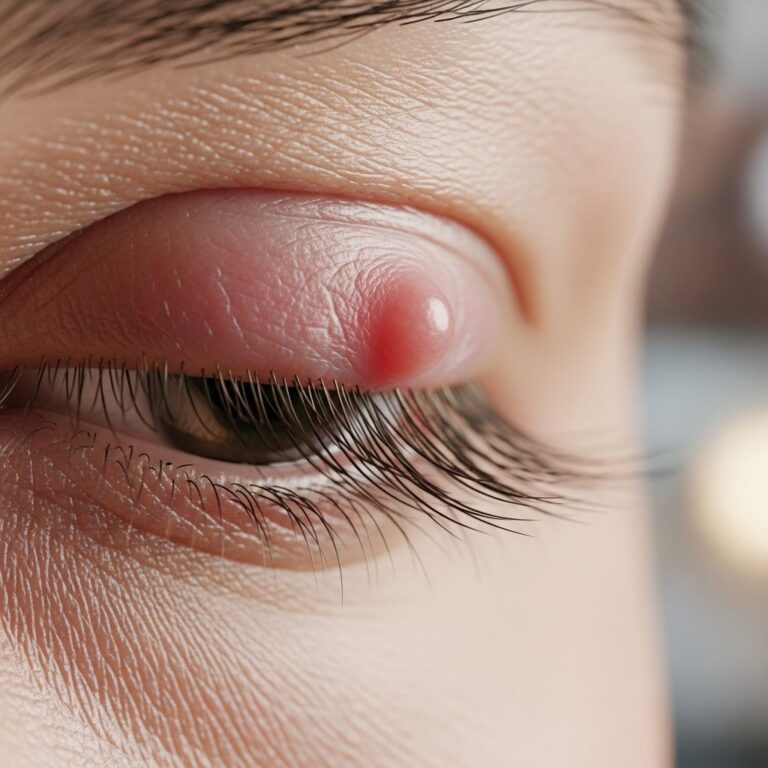
An eyelid cyst forms when one of the meibomian glands—oil-producing structures along the eyelid margin—becomes blocked. This blockage causes oil to accumulate within the gland, creating a firm bump on the eyelid. Unlike a stye, which is typically an acute bacterial infection that appears and develops rapidly, an eyelid cyst develops more gradually and may persist for extended periods without treatment. The condition most commonly affects adults between 30 and 50 years of age, though it can occur at any age.
The key distinction between a cyst and other eyelid conditions lies in its origin and characteristics. A cyst results from internal gland obstruction rather than external infection, which fundamentally changes the appropriate treatment approach. Recognizing this difference is essential because treating a cyst with antibiotics—effective for bacterial infections—will not address the underlying blockage.
Initial Conservative Management Strategies
The most effective first-line treatment for eyelid cysts involves conservative approaches that many patients can implement at home without professional intervention. These methods work by addressing the root cause: the hardened oil blocking the gland duct.
Thermal Therapy and Heat Applications
Applying warm compresses represents the cornerstone of conservative cyst management. Healthcare providers recommend applying heat to the affected eyelid for 10 to 15 minutes, repeated 4 to 6 times daily. This thermal therapy accomplishes multiple objectives simultaneously: it softens the hardened oil blocking the duct, increases blood circulation to the area, and promotes natural drainage of accumulated material.
To create an effective warm compress, use a clean, soft cloth dampened with warm (not hot) water. The cloth should be rewetted frequently throughout the application period to maintain consistent warmth. Some patients find it helpful to use specialized eye masks designed to retain heat, though a simple washcloth works equally well. Importantly, water temperature should be comfortable to touch—excessively hot water can damage delicate eyelid skin.
Gentle Manual Massage
Complementing thermal therapy, gentle eyelid massage facilitates drainage by encouraging oil flow through the blocked duct. Using clean hands, apply light pressure with your fingertip in a circular motion around the affected area for several minutes daily. This massage should never be forceful or painful; the goal is to gently stimulate the gland, not to apply pressure directly over the cyst itself.
Some eye care specialists suggest using diluted baby shampoo during massage to further loosen trapped oil. This mild cleanser helps break down the hardened lipid material without irritating the sensitive eyelid tissue.
Hygiene and Daily Habits
Related Stories



Maintaining proper eyelid cleanliness supports the healing process and prevents complications. Key practices include:
- Avoiding contact with the cyst—touching or rubbing can introduce bacteria and worsen inflammation
- Refraining from wearing eye makeup until the cyst resolves completely
- Removing contact lenses temporarily, as they can irritate the eyelid and impede drainage
- Gently wiping away any drainage that occurs naturally with a clean tissue
- Washing hands thoroughly before touching the eye area
Medications and Medical Treatments
When conservative measures fail to produce results after one to two weeks, or when the cyst becomes increasingly uncomfortable, medical interventions may be warranted. Several pharmaceutical options exist that can accelerate healing or reduce inflammation.
Topical Medications
Ophthalmologists may prescribe antibiotic ointments or drops, though these are not routinely necessary for uncomplicated cysts. If secondary bacterial infection develops—evidenced by increased redness, warmth, or purulent drainage—topical antibiotics become appropriate. Common choices include erythromycin ointment, available both by prescription and in some over-the-counter formulations.
Medicated eye pads and cleansing solutions designed specifically for eyelid conditions can also facilitate healing and maintain cleanliness. These products are available without prescription and may be useful as adjunctive treatments.
Oral Antibiotic Therapy
For persistent or recurrent cysts, particularly those showing signs of chronic inflammation, oral antibiotics may be recommended. Doxycycline and minocycline—tetracycline-family antibiotics—possess anti-inflammatory properties beyond their antimicrobial effects. A typical regimen involves doxycycline 100 mg administered twice daily for 10 days, or minocycline 50 mg once daily for the same duration. These medications work by reducing inflammation within the gland tissue, promoting drainage, and preventing recurrence.
Patients unable to tolerate tetracyclines due to allergies or sensitivities may use metronidazole as an alternative.
Intralesional Steroid Injections
One of the most effective non-surgical interventions involves direct injection of steroid medication into the cyst. When no active infection is present, intralesional triamcinolone—a long-acting corticosteroid—can dramatically reduce inflammation and accelerate resolution. A typical injection involves 0.2 to 2 mL of triamcinolone 40 mg/mL solution administered directly into the cyst under proper medical supervision.
Larger cysts may require repeat injections spaced 2 to 7 days apart. This approach provides faster results than conservative measures alone and avoids the need for surgical intervention in many cases. The procedure is performed in an ophthalmologist’s office with minimal discomfort.
When Drainage Becomes Necessary
For cysts that persist beyond one month despite conservative and medical management, or those significantly affecting vision, surgical intervention may become necessary. Importantly, this does not always mean complete surgical removal.
Minor Surgical Drainage
A drainage procedure involves making a small incision to allow accumulated material to escape. This minor surgical intervention differs substantially from complete cyst excision—the gland itself remains intact. The procedure is performed in an office setting under local anesthesia, requiring only a few minutes and causing minimal discomfort.
Following drainage, the area must be kept clean and protected from contamination. Most patients experience significant symptom relief immediately, though the eyelid may remain slightly tender for a few days.
Complete Surgical Excision
Complete removal becomes appropriate when cysts are large, centrally located, or show potential for complications. Surgical excision can be performed via curettage—scraping out the cyst contents—for smaller lesions, or through more extensive dissection for larger cysts. This approach provides the lowest recurrence rate but represents the most invasive treatment option.
Cost Considerations and Practical Information
Treatment costs vary significantly based on the intervention selected. Understanding these financial aspects helps patients plan appropriately:
| Treatment Type | Average Cost | Cost Range |
|---|---|---|
| Initial office evaluation | $93 | $74–$176 |
| Topical antibiotics (various) | $31 | $24–$59 |
| Warm compresses/self-care | $13 | $10–$24 |
| Surgical drainage procedure | $181 | $140–$352 |
| Complete surgical removal | $804 | $620–$1,566 |
These costs represent national averages and may vary based on geographic location, insurance coverage, and specific clinical circumstances.
Recognizing When Professional Care is Essential
While many cysts resolve independently, certain warning signs necessitate prompt evaluation by an eye care professional:
- The cyst persists beyond two to three weeks without improvement
- Increasing size despite home treatment attempts
- Signs of infection including excessive warmth, redness, or pus drainage
- Vision impairment caused by the cyst’s size or location
- Extreme light sensitivity or excessive tearing
- Recurrent cysts in the same location
- Bleeding from the eyelid
- Blistering, crusting, or scaling of eyelid skin
Prevention and Recurrence Management
Preventing future cysts involves maintaining healthy eyelid hygiene and addressing risk factors. Regular warm compress application—even when no cyst is present—can prevent oil gland obstruction. Removing eye makeup thoroughly each evening and maintaining clean contact lens practices also reduces risk.
Patients with recurrent cysts should undergo evaluation to rule out underlying conditions. In rare cases, recurrent lesions in the same location may indicate sebaceous cell carcinoma, a form of eyelid cancer, necessitating biopsy and pathological evaluation.
Timeline and Realistic Expectations
Understanding the natural history of eyelid cysts helps set appropriate expectations. An untreated cyst may resolve spontaneously within 7 to 10 days to several months, with most resolving within one month with conservative management. This relatively favorable timeline means rushing to surgical intervention is rarely necessary.
With appropriate conservative care initiated promptly, most patients experience significant improvement within two weeks. Those requiring medical intervention typically see results within several additional weeks. Only the small percentage of cysts that remain unresponsive to these approaches require surgical management.
Frequently Asked Questions
Can I squeeze or pop an eyelid cyst myself?
No. Attempting to drain the cyst manually introduces bacteria, increases inflammation, and may spread infection. This can substantially worsen the condition and increase pain.
How long should I attempt conservative treatment before seeing a doctor?
If the cyst shows no improvement after one to two weeks, or if it worsens despite appropriate home care, professional evaluation is warranted. Larger cysts or those affecting vision should receive earlier medical attention.
Will my cyst definitely come back?
Most cysts that resolve—whether through conservative care or drainage—do not recur. However, patients with recurrent lesions in multiple locations may have underlying predisposing factors worth investigating.
Are antibiotics always necessary?
No. Cysts are primarily inflammatory rather than infectious, so antibiotics are not routinely needed unless secondary bacterial infection develops.
References
- Chalazion Treatment and Management — Miramar Eye Institute. Accessed February 2026. https://www.miramareyeinstitute.com/chalazia/
- Chalazion: Symptoms, Causes, Prevention & Treatments — Cleveland Clinic. https://my.clevelandclinic.org/health/diseases/17657-chalazion
- Stye vs. Chalazion: Key Differences and Treatment Options — CareCredit Well-U. https://www.carecredit.com/well-u/health-wellness/eyelid-bumps-stye-chalazion/
- Chalazion — StatPearls, National Center for Biotechnology Information. https://www.ncbi.nlm.nih.gov/books/NBK499889/
- Chalazion & Stye — University of Michigan Health. https://www.uofmhealth.org/our-care/specialties-services/chalazion-stye
Similar Articles








Read full bio of Sneha Tete