Eyelid Dermatitis: Causes, Symptoms & Treatment
Complete guide to understanding and managing eyelid dermatitis effectively.
Understanding Eyelid Dermatitis
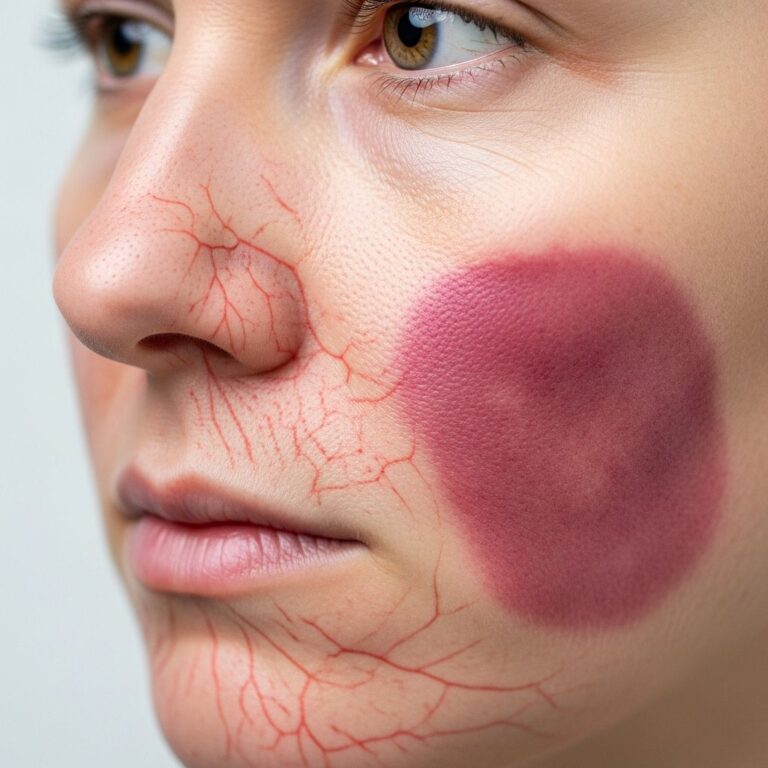
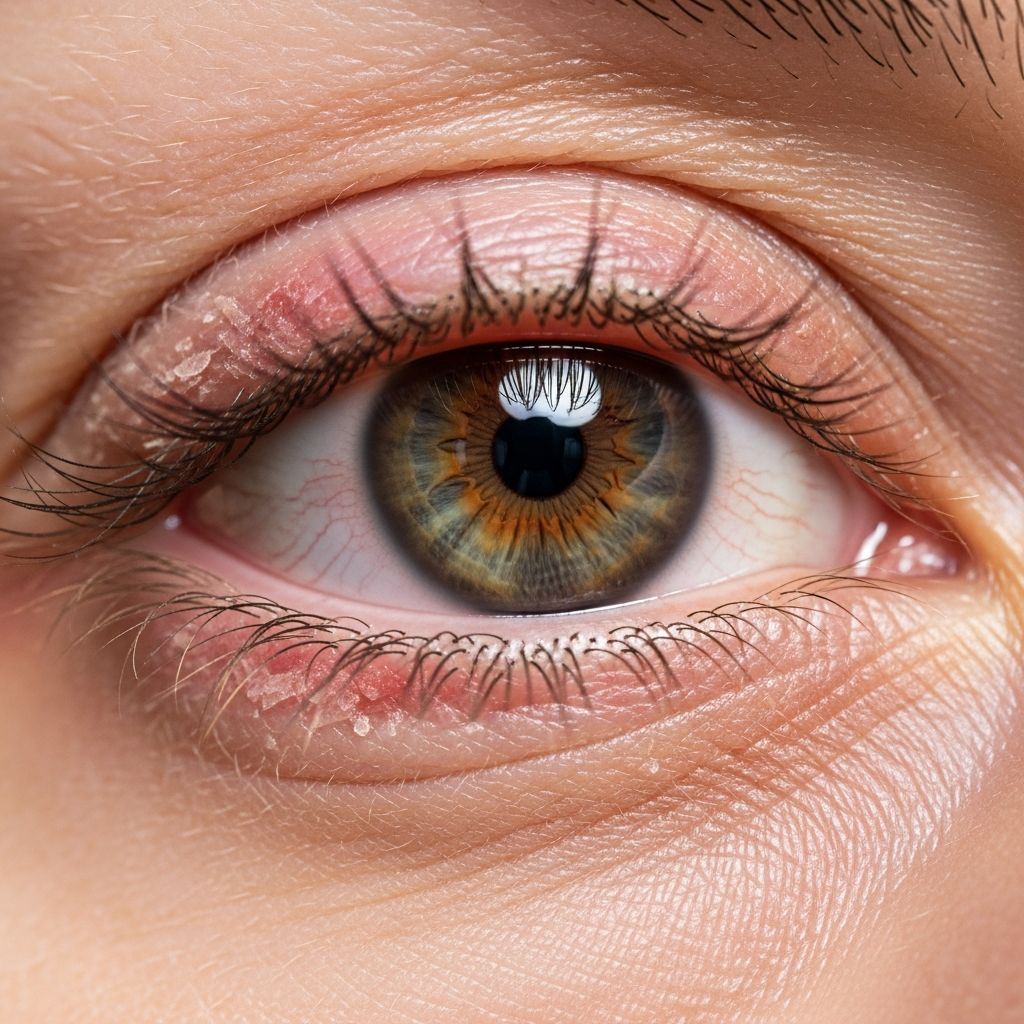
Eyelid dermatitis, also known as eyelid eczema, periocular dermatitis, or periorbital dermatitis, is a temporary and treatable skin condition that develops when your eyelids come into contact with an allergen or irritant. This type of contact dermatitis causes your eyelids to react by becoming red, scaly, swollen, and thickened. The condition is characterized by uncomfortable symptoms including stinging, burning, and intense itching sensations. It is important to note that eyelid dermatitis is not a sign of skin cancer and can be effectively managed with proper treatment and care.
The eyelid area is particularly vulnerable to dermatitis because the skin there is exceptionally delicate and thin. The skin on your eyelids measures only about 0.5 millimeters thick, compared to approximately 2 millimeters on most other areas of your body. This thin structure contains fewer oil glands and has a less developed protective barrier, making it highly susceptible to irritation and moisture loss. The constant mechanical stress from blinking, combined with the proximity to the eye itself, creates unique challenges for managing this condition.
What Causes Eyelid Dermatitis
Eyelid dermatitis occurs when your eyelids come into contact with specific substances or triggers that your skin reacts to negatively. According to the Cleveland Clinic, eyelid dermatitis is often due to allergic or irritant contact dermatitis and may affect up to 12% of people who already have eczema on other parts of their body. Common triggers include:
- Cosmetic products such as eyeshadow, mascara, eyeliner, or eye primer
- Skincare products including moisturizers, cleansers, or toners applied near the eyes
- Fragrances and fragrance-containing products
- Preservatives and stabilizers in personal care items
- Metals from jewelry or eyeglass frames, particularly nickel
- Plant allergens and pollen
- Latex from gloves or other products
- Medications or topical treatments
- Environmental irritants like dust and pollution
- Hair care products that come into contact with the eyelid area
The thin eyelid skin reacts quickly to both internal and external stressors. Even rubbing your eyes frequently can worsen symptoms or trigger a flare. Stress itself can be a significant factor, as one study found that the biggest cause of eczema flare-ups was stress, which can cause inflammation and make it harder for your skin to repair itself.
Recognizing the Symptoms
The symptoms of eyelid dermatitis typically appear after exposure to the triggering allergen or irritant. Common signs and symptoms include:
- Red or inflamed eyelids
- Itching and burning sensations
- Stinging pain around the eyelid area
- Swelling and puffiness of the eyelids
- Thickened or scaly skin
- Dryness and flaking
- Small blisters or bumps (in more severe cases)
- Crusting or oozing (in acute flares)
- Sensitivity to light
- Watery or teary eyes
Symptoms can develop within minutes to hours of exposure to the irritant or allergen. The severity of symptoms can range from mild irritation to more pronounced inflammation that affects the surrounding eye area. If symptoms persist, worsen, or interfere with vision, it is important to consult a board-certified dermatologist or ophthalmologist.
Diagnosis and When to See a Doctor
Diagnosing eyelid dermatitis typically involves a clinical examination by a healthcare provider. Your doctor will ask about your symptoms, when they started, what activities or products preceded the onset, and your history of similar reactions. Patch testing may be recommended to identify specific allergens causing your reaction.
Related Stories



You should seek medical attention if you experience signs of infection such as yellow crusting, pus, increasing pain, or fever. Additionally, if your symptoms persist beyond two weeks, worsen despite treatment attempts, or significantly interfere with your vision or daily activities, professional evaluation is necessary.
Treatment Options for Eyelid Dermatitis
Effective management of eyelid dermatitis involves both immediate symptom relief and long-term prevention strategies. Treatment approaches are tailored based on severity and individual response.
Gentle Cleansing and Moisturizing
The foundation of eyelid dermatitis management involves establishing a consistent daily routine with gentle care. Begin each morning by gently cleansing your face with lukewarm water and a fragrance-free, soap-free cleanser. Avoid vigorous rubbing and instead pat the skin dry with a soft, clean towel. Within three minutes of drying, apply your prescribed medication if needed, followed by a gentle moisturizer specifically formulated for sensitive skin.
Use a fragrance-free, hypoallergenic emollient to hydrate the affected area, choosing lightweight formulas specifically labeled as safe for use around the eyes. Look for ingredients like glycerin, ceramides, or hyaluronic acid. Importantly, apply moisturizer with clean hands and use your ring finger to gently pat the product on—never rub.
Topical Corticosteroids
For acute flares, dermatologists may prescribe low-strength corticosteroids such as hydrocortisone 1% or desonide. These medications help reduce inflammation and provide symptom relief. However, these are typically recommended for short-term use only due to potential side effects from prolonged steroid application on delicate skin.
Calcineurin Inhibitors
Calcineurin inhibitors are steroid-sparing agents approved for long-term use on delicate areas like the eyelids. These medications, including tacrolimus and pimecrolimus, slow the immune system response. A 2024 study showed that tacrolimus significantly improved eyelid eczema symptoms with minimal side effects. These options are particularly valuable for patients who cannot tolerate steroids or need extended treatment.
Cool Compresses
Applying a cool, damp washcloth to the eyelids for 5 to 10 minutes reduces swelling and soothes itchiness. During severe flares, cool compresses should be applied for 10 to 15 minutes several times daily. Always use a clean cloth each time to prevent bacterial contamination and avoid any scratching or rubbing, as this can introduce infection and worsen inflammation.
Oral Antihistamines
If eyelid eczema is linked to seasonal or environmental allergies, over-the-counter oral antihistamines such as loratadine or cetirizine can help control itching and inflammation.
Advanced Treatment Options
For severe or persistent cases, dermatologists may prescribe systemic medications including biologic agents that block certain proteins causing inflammation. FDA-approved biologics for eczema include dupilumab (Dupixent), lebrikizumab (Ebglyss), nemolizumab (Nemluvio), and tralokinumab (Adbry). Additionally, Janus kinase (JAK) inhibitors such as abrocitinib (Cibinqo), ruxolitinib (Opzelura), and upadacitinib (Rinvoq) help soothe the immune system response. Phosphodiesterase 4 (PDE4) inhibitors, including crisaborole ointment (Eucrisa) and roflumilast cream (Zoryve), work by blocking an enzyme involved in the inflammation process.
Daily Care Routine for Managing Eyelid Dermatitis
Establishing a consistent daily routine is crucial for managing eyelid dermatitis effectively. Consistency is key—even when symptoms improve, maintaining this gentle routine can help prevent future flares and strengthen your eyelid skin’s natural defenses over time.
In the evening, repeat the gentle cleansing process to remove environmental pollutants and any products that may have accumulated during the day. Follow with your treatment regimen and a slightly heavier application of moisturizer to support overnight repair. Sleeping on a clean, hypoallergenic pillowcase can further reduce potential irritant exposure.
During severe eyelid dermatitis flares that involve significant swelling, oozing, or crusting, immediately cleanse the area with sterile saline solution or distilled water to remove any irritants without further damaging the compromised skin. During severe flares, temporarily discontinue all non-essential skincare products and makeup until the acute inflammation subsides. Focus only on prescribed medications and the most basic, gentle moisturizers until your skin begins to recover.
Identifying and Avoiding Triggers
Successfully managing chronic eyelid dermatitis requires identifying and avoiding specific triggers. Your dermatologist may advise you to avoid irritants such as sweat, stress, strong soaps, laundry detergents, dust, and pollen. When checking product labels, avoid ingredients including:
- Fragrances and essential oils
- Alcohol and drying agents
- Formaldehyde and formaldehyde releasers
- Preservatives like parabens and sulfites
- Dyes and artificial colorants
- Strong emulsifiers and surfactants
Consider maintaining an eczema journal to track flares, potential triggers, and treatment responses. This documentation can reveal patterns that help you avoid specific triggers and optimize your management strategy. By understanding what causes your eyelid dermatitis to flare, you can take preventative measures and reduce symptom frequency and severity.
Key Takeaways
Eyelid dermatitis is a common, temporary skin condition caused by exposure to allergens or irritants. The distinctive features of eyelid dermatitis include:
- It is not contagious and not a sign of skin cancer
- Treatment is available and can be highly effective
- The condition results from contact with specific triggers
- Symptoms can develop within minutes to hours of exposure
- Gentle skincare and identifying triggers are essential for management
- Multiple treatment options exist for varying severity levels
- Professional medical evaluation can help identify specific allergens
- Consistency in daily care routines prevents future flares
Frequently Asked Questions
Q: How do you treat eczema on eyelids?
A: Treatment options for eyelid eczema include gentle moisturization with fragrance-free products, low-strength corticosteroids for acute flares, calcineurin inhibitors for long-term management, cool compresses, and in severe cases, systemic medications such as biologics, JAK inhibitors, or PDE4 inhibitors. The specific treatment depends on severity and individual response.
Q: Can eyelid dermatitis be caused by stress?
A: Yes, stress is a significant trigger for eyelid dermatitis and eczema flare-ups. Research shows that stress can cause inflammation and make it harder for your skin to repair itself, potentially triggering or worsening eyelid dermatitis symptoms.
Q: What should I avoid if I have eyelid dermatitis?
A: Avoid products containing fragrances, harsh soaps, strong laundry detergents, preservatives, dyes, and other known irritants. Additionally, avoid rubbing your eyes, minimize exposure to dust and pollen, and be cautious with cosmetic products around the eye area. Always perform patch tests before using new products near the eyelids.
Q: When should I see a doctor for eyelid dermatitis?
A: Seek medical attention if symptoms persist beyond two weeks, worsen despite treatment, show signs of infection (yellow crusting, pus, increasing pain, or fever), or interfere with your vision. A board-certified dermatologist or ophthalmologist can provide proper diagnosis and personalized treatment recommendations.
Q: Is eyelid dermatitis contagious?
A: No, eyelid dermatitis is not contagious. It is a non-infectious skin reaction triggered by allergens or irritants, not caused by bacteria, viruses, or other pathogens that could spread to others.
Q: How long does eyelid dermatitis last?
A: Eyelid dermatitis is typically temporary and resolves once you stop exposure to the triggering allergen or irritant. With proper treatment and care, symptoms often improve within a few days to weeks. However, chronic cases requiring ongoing management are possible.
References
- Eyelid Eczema: How to Treat Delicate Areas Safely — Nella Dermatology. Accessed December 2025. https://nelladerm.com/eczema-on-the-eyelids-how-to-treat-delicate-areas/
- What to Know About Eczema on Eyelids — WebMD. Accessed December 2025. https://www.webmd.com/skin-problems-and-treatments/eczema/what-to-know-about-eczema-on-eyelids
- Eyelid Dermatitis: Contact, Symptoms, Causes, Treatment — Cleveland Clinic. Accessed December 2025. https://my.clevelandclinic.org/health/diseases/21930-eyelid-dermatitis
- Dermatitis: Types, Treatments, Causes & Symptoms — Cleveland Clinic. Accessed December 2025. https://my.clevelandclinic.org/health/diseases/4089-dermatitis
Similar Articles








Read full bio of medha deb