Eyelid Eczema: Comprehensive Treatment Strategies
Expert-backed approaches to managing eczema affecting the delicate eye area
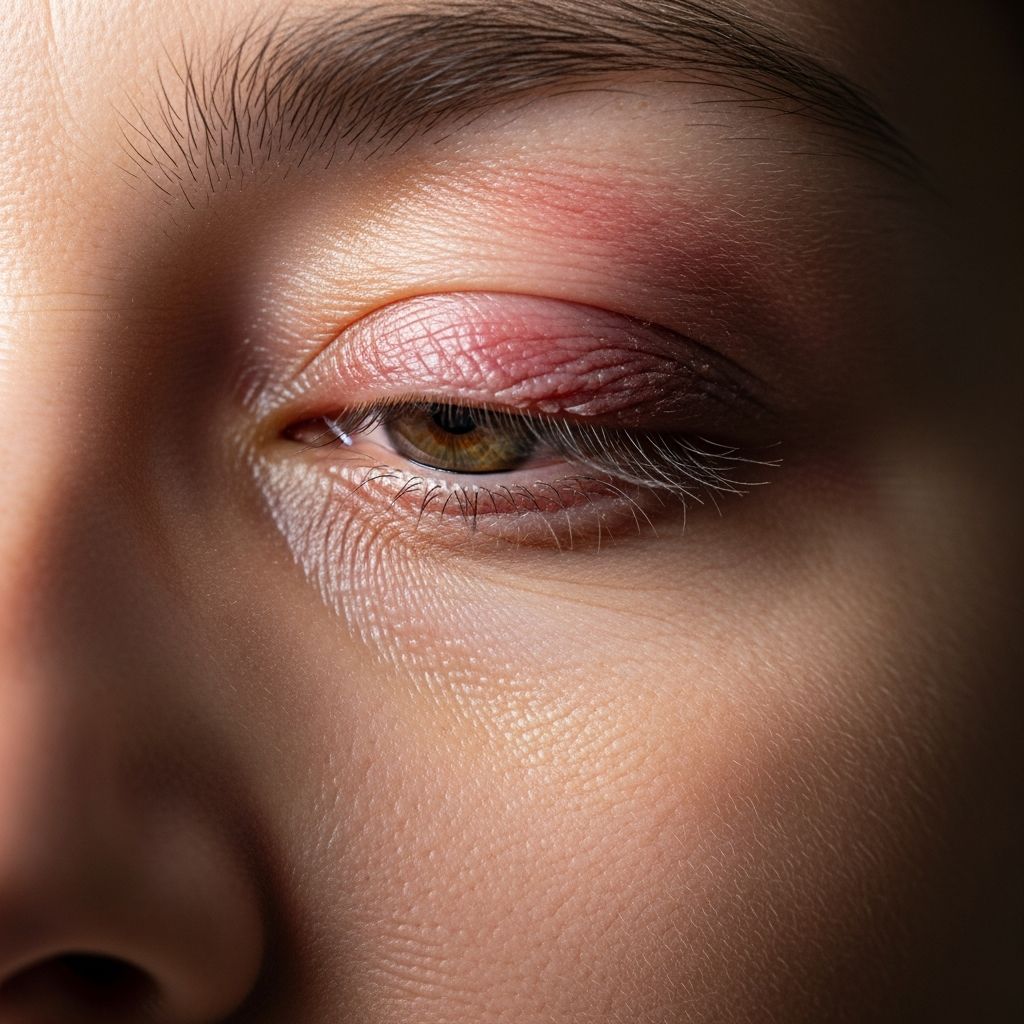
The delicate skin surrounding the eyes presents unique challenges when eczema develops in this region. Unlike eczema on other body parts, eyelid involvement requires careful consideration of treatment options that balance efficacy with safety for such a sensitive area. Understanding the available therapeutic approaches can empower individuals to work effectively with healthcare providers in managing this uncomfortable condition.
Understanding the Treatment Landscape for Periocular Eczema
Eyelid eczema, clinically referred to as periocular or periorbital dermatitis, affects many individuals and can significantly impact daily comfort and quality of life. The challenge lies in selecting treatments that are potent enough to reduce inflammation without causing adverse effects on the eye surface or surrounding tissue. Healthcare providers now have multiple evidence-based options beyond traditional approaches, allowing for more personalized treatment plans.
The evolution of treatment options has expanded considerably, giving patients and doctors greater flexibility in managing symptoms effectively. Recent medical literature emphasizes the importance of matching treatment intensity to individual needs while considering the unique characteristics of eyelid skin.
Foundational Care: Hygiene and Preparation
Before introducing any topical medications, establishing proper eyelid hygiene forms the foundation of effective treatment. This initial step helps prepare the skin for medication absorption and reduces secondary irritation from accumulated debris or crusting.
- Warm compress therapy: Applying a clean, warm compress to the eyelids for 5-10 minutes helps soften crusted material and promotes drainage from oil glands along the lash line. Use clean flannel, cotton wool pads, or muslin cloth moistened with warm water.
- Gentle cleansing: After warming, carefully wipe away any buildup using a clean cloth wrapped around your finger. This process can be performed up to twice daily.
- Massage technique: Gentle massage along the eyelid margins facilitates natural drainage and reduces localized irritation, promoting comfort throughout the day.
Topical Medication Options: Moving Beyond Traditional Steroids
While topical corticosteroids have historically been the first-line treatment for many inflammatory skin conditions, newer options now provide alternatives that may offer better safety profiles for prolonged use on eyelids.
Corticosteroid Therapy
Mild-to-moderate potency corticosteroids remain a valuable tool for acute flare management. Hydrocortisone at 0.5-1% concentration is typically recommended for eyelid use, as these strengths effectively reduce inflammation while minimizing systemic absorption. However, extended use of stronger formulations on eyelid skin can lead to unwanted effects including skin atrophy and vascular changes.
When prescribed corticosteroids, healthcare providers generally recommend using the lowest effective potency for the shortest necessary duration. This approach capitalizes on the medication’s anti-inflammatory benefits while maintaining skin health. Response rates for corticosteroids in treating inflammatory skin conditions range from 39-75% compared to placebo, demonstrating their effectiveness when appropriately selected.
Related Stories



Calcineurin Inhibitors: Non-Steroidal Alternatives
Calcineurin inhibitors, including tacrolimus and pimecrolimus, represent a significant advancement in eyelid eczema management. These medications work through a different mechanism than corticosteroids, targeting immune activation without the structural risks associated with prolonged steroid use.
- Tacrolimus ointment (0.1%): Applied twice daily to affected areas, this medication is particularly useful for patients requiring longer-term treatment or those who have experienced side effects from steroids.
- Pimecrolimus cream: This formulation offers similar benefits and may be selected based on individual tolerance and clinical response.
- Safety profile: Unlike corticosteroids, these agents do not cause skin atrophy or other structural changes, making them suitable for delicate eyelid tissue where long-term control is necessary.
Some patients report mild discomfort when calcineurin inhibitors are first applied to eyelid skin, though this typically resolves with continued use. These medications do not increase intraocular pressure, making them safe for individuals with glaucoma or ocular hypertension concerns.
Emerging Treatment Modalities
Beyond traditional corticosteroids and calcineurin inhibitors, newer pharmacological classes offer additional options for patients who require alternative approaches. Phosphodiesterase-4 (PDE4) inhibitors and Janus kinase (JAK) inhibitors represent cutting-edge treatment possibilities that dermatologists may consider based on individual clinical presentations and treatment response.
Essential Moisturizing Protocols
Regardless of which topical medication is selected, consistent moisturization forms a critical component of treatment success. The eyelid skin barrier requires regular hydration to reduce inflammation and prevent flare recurrence.
Emollient selection and application: Choose fragrance-free moisturizers specifically formulated for sensitive skin. Ointment formulations generally provide superior barrier protection compared to creams or lotions. Apply moisturizers twice daily, particularly after cleansing and medication application.
Recommended emollient products include petroleum jelly-based ointments, specialized eye ointments containing ceramides or hyaluronic acid, and fragrance-free creams designed for atopic-prone skin. These products work by restoring the skin’s natural barrier function, reducing transepidermal water loss, and maintaining the moisture content essential for healing.
| Emollient Type | Key Benefits | Application Frequency |
|---|---|---|
| Petroleum-based ointments | High occlusive capacity, hypoallergenic | 1-2 times daily |
| Ceramide-enriched formulas | Barrier repair, skin strengthening | Twice daily |
| Hyaluronic acid serums | Deep hydration, lightweight feel | Once to twice daily |
Trigger Identification and Environmental Management
Understanding personal trigger factors represents one of the most impactful long-term strategies for preventing flare episodes. Since triggers vary significantly between individuals, systematic identification and avoidance can substantially reduce symptom recurrence.
Common Environmental and Topical Triggers
- Personal care products: Fragrances, preservatives, and harsh detergents in facial cleansers, shampoos, and makeup can provoke reactions. Select products labeled “fragrance-free” and “hypoallergenic.”
- Cosmetic products: Eye makeup, eyeshadow, mascara, and eyeliner may contain irritating substances. Opt for hypoallergenic cosmetics specifically formulated for sensitive skin.
- Water temperature: Excessively hot water during facial cleansing can strip skin oils and trigger inflammation. Use lukewarm water instead.
- Environmental factors: Extreme temperatures, low humidity, wind exposure, and pollutants can exacerbate symptoms. Protective measures such as sunglasses and moisturizing during winter months help minimize environmental triggers.
- Stress and sleep: Psychological stress and inadequate sleep can worsen eczema manifestations. Implementing stress reduction techniques and prioritizing sleep hygiene supports overall skin health.
Supporting Skin Health: Systemic and Lifestyle Approaches
While topical treatments address local inflammation, supporting overall skin health through systemic approaches enhances treatment outcomes.
Hydration and Nutrition
Adequate water intake supports skin barrier function from within. The skin barrier depends on proper hydration to maintain its protective properties and minimize inflammation. Additionally, maintaining a consistent, balanced diet provides essential nutrients that support skin healing and immune regulation.
Stress Management
Stress activates inflammatory pathways that can trigger or worsen eczema flares. Incorporating stress-reducing practices such as meditation, yoga, regular physical activity, or other relaxation techniques into daily routines can measurably improve symptom control.
Sleep Quality
During sleep, the body prioritizes healing and immune regulation. Poor sleep quality can impair these processes and increase inflammatory markers. Establishing consistent sleep schedules and creating a conducive sleep environment supports natural healing mechanisms.
Timeline and Expectations for Treatment Response
Understanding realistic treatment timelines helps maintain realistic expectations and supports medication adherence. Initial response to topical treatments typically appears within 2 weeks of consistent application. If minimal improvement occurs after this timeframe, consultation with a dermatologist or ophthalmologist is recommended to reassess the treatment approach or investigate potential secondary factors contributing to persistent symptoms.
Professional Consultation and Ongoing Management
While self-care strategies and over-the-counter products play important roles, professional evaluation remains essential for optimal outcomes. Dermatologists and ophthalmologists can distinguish eyelid eczema from other ocular surface conditions that may present similarly, such as blepharitis or contact dermatitis. They can also prescribe appropriate medications, monitor for treatment efficacy, and adjust therapeutic approaches based on individual response.
Healthcare providers emphasize the importance of regular follow-up appointments to assess treatment response, modify medication regimens as needed, and provide ongoing education about trigger avoidance and self-care strategies.
Frequently Asked Questions
Is eyelid eczema contagious?
No, eyelid eczema is not contagious. It is an inflammatory skin condition related to immune function and environmental triggers, not infectious agents.
Can eyelid eczema damage vision?
While uncomplicated eyelid eczema does not directly damage vision, severe inflammation or associated conditions like blepharitis may affect ocular surface health. Professional evaluation ensures any vision-related complications are identified and addressed appropriately.
How long does eyelid eczema treatment take?
Initial improvement typically occurs within 2 weeks of consistent treatment. However, complete resolution and long-term management depend on individual factors and trigger exposure. Some individuals require ongoing maintenance therapy to prevent recurrence.
Are there natural remedies for eyelid eczema?
While some natural products offer supportive benefits (such as unscented creams or certain plant-based moisturizers), medical evidence strongly supports prescription topical medications for effective inflammation control. Natural approaches work best as complementary strategies alongside prescribed treatments.
Can diet affect eyelid eczema?
For some individuals, certain foods may trigger or worsen eczema symptoms through immune mechanisms. Identifying personal dietary triggers through elimination diets or professional guidance may help reduce flare frequency.
Conclusion: Personalized Pathways to Relief
Eyelid eczema management has evolved substantially, offering multiple therapeutic pathways suited to individual needs and circumstances. By combining foundational hygiene practices with appropriate topical medications, consistent moisturization, trigger avoidance, and lifestyle modifications, most individuals can achieve significant symptom improvement and maintain long-term control. Collaborating with healthcare providers ensures treatment plans are evidence-based, personalized, and regularly adjusted based on clinical response and changing circumstances.
References
- Management of Ocular Manifestations of Atopic Dermatitis — National Center for Biotechnology Information (NIH). 2022. https://pmc.ncbi.nlm.nih.gov/articles/PMC9235002/
- Eyelid Dermatitis: Contact, Symptoms, Causes, Treatment — Cleveland Clinic. 2024. https://my.clevelandclinic.org/health/diseases/21930-eyelid-dermatitis
- 3 Steps to Manage Eyelid Eczema Effectively — Northwest Eye Clinic. June 2025. https://nweyeclinic.com/3-steps-to-manage-eyelid-eczema-effectively/
- Treating Eczema Around Your Eyes (Periocular Eczema) — Leicester’s Hospitals NHS Trust. https://yourhealth.leicestershospitals.nhs.uk/library/musculoskeletal-specialist-surgery-mss/ophthalmology/2360-treating-eczema-around-your-eyes-periocular-dermatitis/file
- The Ultimate Guide to Eyelid Dermatitis — Eyes On Eyecare. https://eyesoneyecare.com/resources/the-ultimate-guide-to-eyelid-dermatitis/
- How to Treat Eyelid Eczema — National Eczema Association. https://nationaleczema.org/blog/ask-the-ecz-perts-how-do-you-treat-eyelid-eczema/
Similar Articles








Read full bio of medha deb