Eyelid Myokymia: Causes, Symptoms & Treatment
Understanding eyelid myokymia: causes, symptoms, diagnosis and effective treatment options.
What Is Eyelid Myokymia?
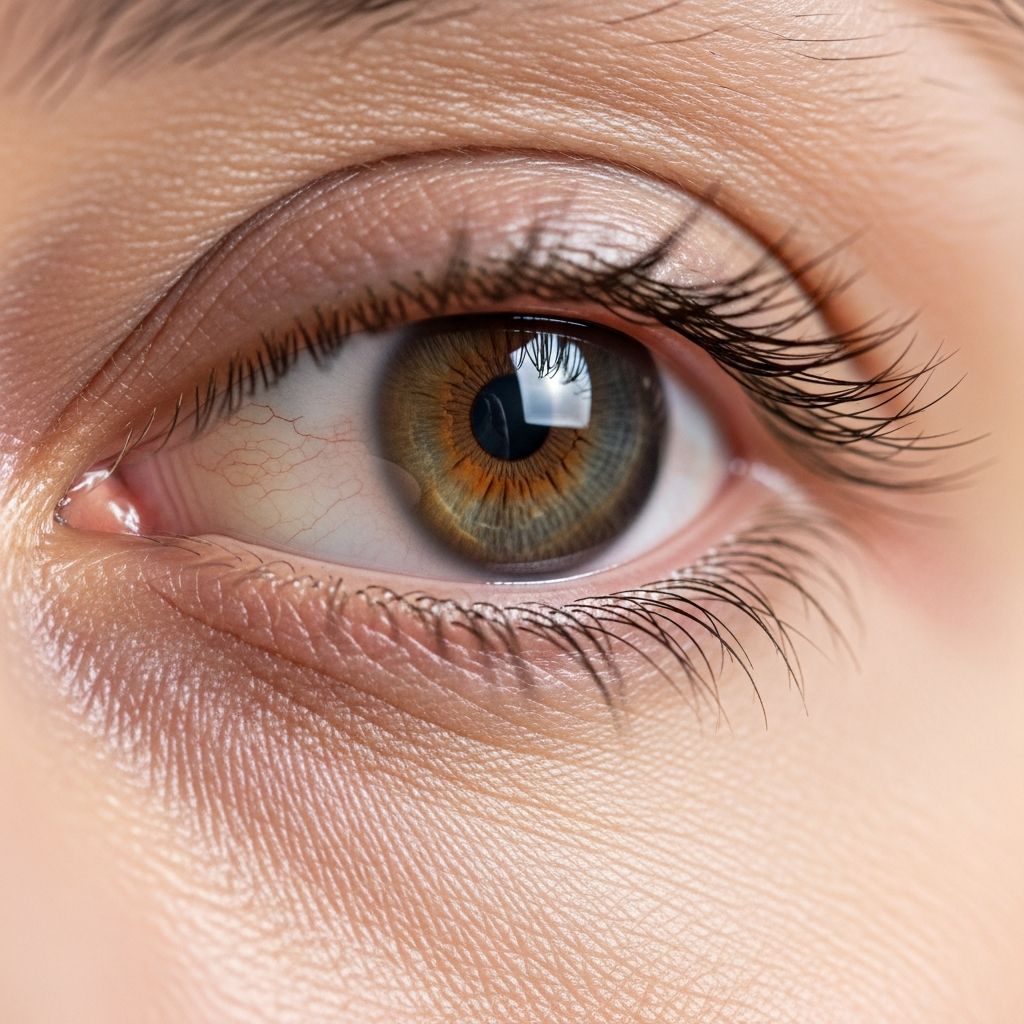
Eyelid myokymia is a type of eyelid twitching characterized by slow, uncontrollable eye movements that create wavelike muscle contractions in your eyelids. It represents a specific form of myoclonus, which is involuntary muscle movement that can occur in anyone under the right circumstances. This condition is extremely common and typically harmless, though in rare cases it can indicate more serious underlying health issues. The twitching sensation is usually more noticeable to the person experiencing it than to observers, though it can often be seen when looking in a mirror during an episode.
Eyelid myokymia is considered a benign, self-limiting condition that is typically unilateral (affecting one eye) and intermittent. The lower eyelid is affected more frequently than the upper eyelid, though both can be involved in rare cases. This condition is distinct from other facial movement disorders and is unlikely to develop into more serious neurological conditions.
Understanding the Causes
The exact causes of eyelid myokymia are not completely understood, but the condition occurs because of malfunctions somewhere in your nervous system. Your eyelids have a direct connection to your brain via your facial nerve, which is the seventh of twelve cranial nerves. Malfunctions or disruptions in either your brain or the facial nerve itself can cause the faulty signaling that leads to myokymia.
Several factors are associated with increased risk of developing eyelid myokymia:
– Stress and anxiety- Fatigue and insufficient sleep- Excessive caffeine intake- Alcohol consumption- Smoking- Cold weather exposure- Certain medications
Female gender and cold weather are recognized risk factors for chronic eyelid myokymia. In most cases, identifying and eliminating these trigger factors can help resolve symptoms naturally.
Recognizing Symptoms and Signs
The main symptom of eyelid myokymia is a twitching sensation you can feel, and which you can usually see if you look in a mirror during an episode. The twitches are usually involuntary, uncontrollable, and confined to one eye, though they can affect both eyes. These contractions are fine and continuous in nature, distinguishing them from other types of eye spasms.
Duration and Pattern of Twitching: Myokymia twitches usually last only seconds to minutes, but can persist for hours in some people. In rare cases, the twitching can become constant. These contractions are typically self-limited and periodic, lasting anywhere from a few days to several weeks before resolving on their own. The contractions may occur intermittently throughout the day for up to several hours at a time.
Additional Physical Manifestations: On examination, fine contractions of the orbicularis oculi muscle may be noticeable. These contractions are often more apparent to the patient than visible to observers. When the eyelid is pulled manually, the symptoms often improve temporarily. Infrequently, the contractions may induce movement of the globe and cause mild nystagmus-like eye movements, where the eyeball itself moves in response to the eyelid twitching.
Related Stories



Diagnosis and Evaluation
An eye care specialist or other healthcare provider can usually diagnose eyelid myokymia through a simple physical examination and neurological exam. During these exams, your provider watches the twitching occur and uses what they observe to diagnose the condition or rule out other causes.
When Imaging Tests Are Needed: When myokymia is longer-lasting, more disruptive, or starts spreading and worsening, your eye specialist will likely recommend imaging tests such as CT scans or MRIs. Routine neuroimaging studies for patients with chronic myokymia to rule out changes affecting the pons are generally unnecessary due to their low yield of findings. According to research, 13 of 15 patients who underwent CT or MRI scans had no mass or other abnormalities disturbing the facial nerve or brainstem.
Imaging Options: When imaging is deemed necessary, several modalities may be considered:
– MRI of the brain to show the central pathways of the nerve- MRI of the skull base and parotid glands to detect masses affecting the extra-temporal facial nerve- MRI of the temporal bones to evaluate inflammatory lesions and perineural disease extension- CT scans as an alternative or in combination with MRI if contraindications exist- Ultrasound to evaluate abnormalities within the parotid gland
Treatment and Management Options
Eyelid myokymia is usually a minor, temporary concern that resolves on its own within days or weeks without any treatment. However, when symptoms persist or interfere with daily activities, several treatment approaches are available.
Conservative Management: Conservative management is recommended for patients with isolated eyelid myokymia as the first-line approach. Effective conservative strategies include:
– Rest and adequate sleep- Stress reduction and relaxation techniques- Decreasing or eliminating caffeine intake- Reducing or eliminating alcohol consumption- Quitting smoking- Managing anxiety
These lifestyle modifications often provide sufficient relief for most individuals experiencing temporary myokymia.
Botulinum Toxin Injections: When myokymia persists for more than three months and remains refractory to conservative measures, botulinum toxin injections are the first-line medical treatment and have a high rate of success. Between 5 and 20 units of botulinum toxin are administered depending on the extent of the fasciculations. Most patients obtain complete resolution after just one injection with botulinum neurotoxin.
Supplementary Treatments: Other treatments for chronic eyelid myokymia have been suggested, including tonic water, calcium, folic acid, phosphorus, potassium, and multi-vitamins. However, no objective evidence exists to support the effectiveness of these treatments.
Surgical Intervention: Orbicularis myectomy is very rarely, if ever, indicated for isolated eyelid myokymia. Surgical intervention may only be considered in cases refractory to other treatments where quality of life is significantly affected.
When to Seek Medical Attention
While most cases of eyelid myokymia are benign and self-resolving, certain warning signs indicate you should consult a healthcare provider:
– The twitching does not resolve within a few weeks- Twitching develops in other parts of the face- There is difficulty opening the eye- Complete eyelid closure occurs with each twitch, which may indicate hemifacial spasm rather than myokymia- Redness or swelling of the eyelid is present
If myokymia lasts longer or is affecting your usual activities, it is advisable to see an eye specialist or another healthcare provider. They can determine if a cause for concern exists, offer treatment options, or refer you to another specialist who can help.
Prognosis and Long-Term Outlook
Isolated eyelid myokymia has a good prognosis and is a benign condition unlikely to develop into other facial movement disorders or be related to other neurologic illnesses. Most patients will notice spontaneous improvement in symptoms over a few months. This means that the condition often resolves on its own without intervention.
However, it can be difficult to determine whether improvement results directly from management or is simply coincident with the condition’s natural resolution. Stress and anxiety reduction are often prescribed but carry little scientific value in most cases.
Understanding Serious Complications
In rare cases, eyelid myokymia may lead to more serious complications if the twitching spreads from your eyelids to other parts of your face. When myokymia becomes persistent and affects other facial regions, it may warrant investigation for underlying conditions such as hemifacial spasm or other neurological disorders. Additionally, facial myokymia affecting multiple facial regions can be caused by damage to the facial nerve nucleus in the pons from demyelinating diseases such as multiple sclerosis or compression from brainstem tumors. Persistent eyelid myokymia has been rarely reported as a presenting sign of multiple sclerosis or brainstem tumors.
Frequently Asked Questions
Q: How long does eyelid myokymia typically last?
A: Most cases of eyelid myokymia last from seconds to minutes, though some individuals experience twitching for hours. In some cases, it can persist for days to weeks. The condition is usually self-limited and resolves without treatment.
Q: Is eyelid myokymia dangerous or a sign of a serious condition?
A: Eyelid myokymia is typically benign and harmless. However, if the twitching persists for weeks, spreads to other facial areas, or is accompanied by other symptoms like difficulty opening the eye or facial swelling, consult a healthcare provider to rule out more serious conditions.
Q: Can caffeine cause eyelid myokymia?
A: Yes, excessive caffeine intake is associated with eyelid myokymia. Reducing or eliminating caffeine consumption is one of the first recommended conservative management strategies for treating this condition.
Q: What should I do if my eyelid myokymia doesn’t go away?
A: If symptoms persist for more than three months despite conservative measures, consult an eye specialist. Botulinum toxin injections are the first-line medical treatment for persistent myokymia and have high success rates.
Q: Can eyelid myokymia affect both eyes?
A: While myokymia usually affects just one eye at a time, it can affect both. It can occur in your upper or lower eyelids, but the lower eyelid is more commonly affected. In rare cases, it will affect both the upper and lower eyelids of the same eye.
Q: Are there any preventive measures I can take?
A: While you cannot always prevent eyelid myokymia, you can reduce your risk by managing stress, getting adequate sleep, limiting caffeine and alcohol intake, and avoiding smoking. These lifestyle factors are known triggers for the condition.
References
- Eyelid Myokymia — National Center for Biotechnology Information (NCBI) Bookshelf, StatPearls. 2024. https://www.ncbi.nlm.nih.gov/books/NBK560595/
- Myokymia: What It Is, Causes, Symptoms & Treatments — Cleveland Clinic. 2024. https://my.clevelandclinic.org/health/diseases/myokymia
- Managing Eyelid and Facial Spasms — Review of Ophthalmology. 2024. https://www.reviewofophthalmology.com/article/managing-eyelid-and-facial-spasms
- Eye Twitching — Mayo Clinic. 2024. https://www.mayoclinic.org/symptoms/eye-twitching/basics/definition/sym-20050838
Similar Articles








Read full bio of medha deb