Eyelid Skin Cancers: Early Detection and Treatment
Comprehensive guide to recognizing, diagnosing, and treating eyelid skin cancers effectively.
Understanding Eyelid Skin Cancers
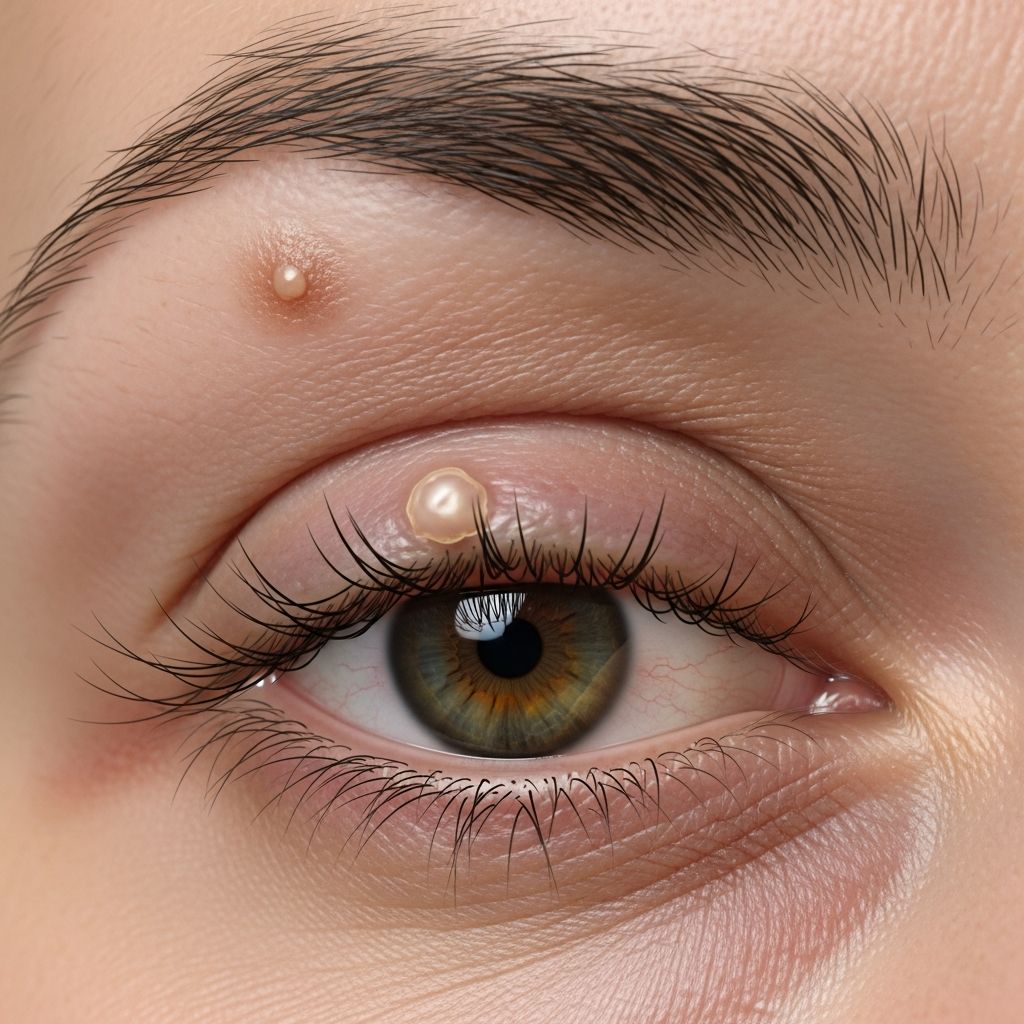
The eyelids are particularly vulnerable to skin cancer due to their constant exposure to ultraviolet (UV) radiation from the sun. Eyelid skin cancer occurs when abnormal cells develop in the skin or glands of the eyelid, and early detection is crucial for successful treatment and preservation of vision and eyelid function. The delicate nature of the eyelid area requires specialized surgical expertise to ensure both cancer removal and aesthetic restoration.
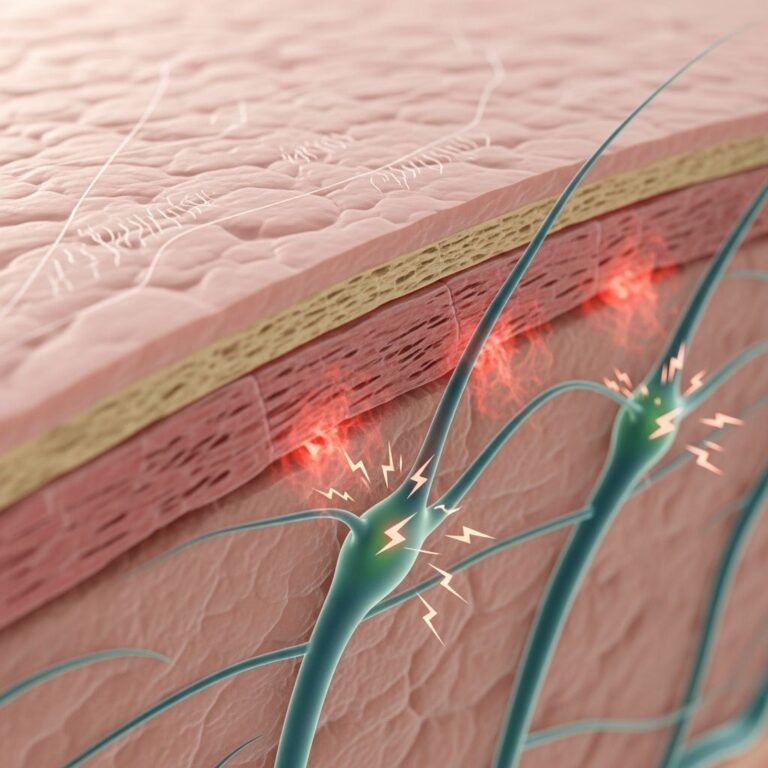
The skin is composed of multiple layers, each capable of developing cancer. The epidermis, the outermost layer, contains three primary cell types: flat squamous cells, round basal cells, and pigment-producing melanocytes. Beneath the epidermis lies the dermis, which contains hair follicles, oil glands, sweat glands, and blood vessels. Skin cancers can originate from any of these cellular structures, making comprehensive evaluation essential for accurate diagnosis and treatment planning.
Types of Eyelid Skin Cancers
Several distinct types of skin cancer can develop on or around the eyelids, each with unique characteristics, growth patterns, and treatment implications.
Basal Cell Carcinoma (BCC)
Basal cell carcinoma is the most common type of eyelid skin cancer, accounting for the majority of periocular malignancies. This cancer arises from the basal cells in the deepest layer of the epidermis. BCC typically develops slowly and rarely spreads to distant sites, though it can cause significant local tissue damage if left untreated. The cancer may enlarge locally and invade surrounding structures including the eyelid margin, orbit, and adjacent facial tissues. Fortunately, when detected early and treated appropriately, BCC has excellent cure rates exceeding 95% with proper surgical intervention.
Squamous Cell Carcinoma (SCC)
Squamous cell carcinoma is less common than basal cell carcinoma but demonstrates more aggressive behavior. SCC can spread to nearby tissues, lymph nodes, and distant organs through the bloodstream or lymphatic system, requiring prompt and aggressive treatment. This cancer often appears as a scaly patch or a persistent sore that does not heal. Patients with SCC require careful staging and comprehensive treatment planning to address the increased risk of metastasis.
Melanoma
Melanoma represents the most serious form of eyelid skin cancer, though it is less common than basal or squamous cell carcinomas. This aggressive malignancy arises from melanocytes, the pigment-producing cells in the skin. Melanoma can spread rapidly to other parts of the body, including the brain, lungs, and liver, making early detection and immediate treatment critical. A mole or pigmented lesion that bleeds, becomes tender, or changes in size, shape, or color warrants immediate professional evaluation.
Sebaceous Gland Carcinoma
Sebaceous gland carcinoma is a rare but serious malignancy that develops in the oil glands of the eyelid. This cancer is particularly challenging because it often mimics benign conditions such as chronic eyelid inflammation or recurring styes. Sebaceous gland carcinoma can metastasize to other parts of the body and requires aggressive treatment similar to melanoma. Early recognition of persistent symptoms can significantly improve treatment outcomes.
Risk Factors and Causes
Excessive sun exposure is the single most important factor associated with skin cancers of the face, eyelids, and arms. UV radiation damages DNA in skin cells, leading to mutations that can initiate cancer development. The cumulative nature of UV exposure means that risk increases significantly with age and total lifetime sun exposure.
Related Stories



Several demographic and genetic factors influence eyelid skin cancer risk:
- Skin type: Fair-skinned individuals develop skin cancers far more frequently than darker-skinned individuals due to lower melanin production and reduced UV protection
- Hereditary predisposition: Skin cancers may run in families, suggesting genetic susceptibility to malignant transformation
- Age: Risk increases with advancing age as cumulative UV exposure and cellular damage accumulate
- Occupational exposure: Individuals working outdoors face increased UV radiation exposure
- History of skin cancer: Prior diagnosis of skin cancer increases the likelihood of developing additional cancers
- Immunosuppression: Patients with weakened immune systems face elevated risk of aggressive skin cancers
Early Warning Signs and Symptoms
Recognizing early signs of eyelid skin cancer is essential for prompt diagnosis and treatment. Patients should watch closely for the following red flags:
- A persistent lump or bump on the eyelid that does not resolve, often mistaken for a stye or chalazion
- Non-healing sores or ulcerations on the eyelid surface
- Bleeding, crusting, or scaling of the eyelid skin
- Loss of eyelashes in a localized area, particularly along the eyelid margin
- Persistent redness or inflammation of the eyelid that does not respond to typical treatments
- Visible deformity or distortion of normal eyelid structure
- Yellow or reddish crust at the lid margin
- Vision changes if the lesion presses on the eye or affects eyelid function
It is important to note that eyelid cancer can sometimes be mistaken for benign conditions such as styes, cysts, or allergic reactions. However, if symptoms persist or worsen despite appropriate treatment, professional medical evaluation is necessary to rule out malignancy.
Diagnosis and Evaluation
A biopsy is usually required to confirm the diagnosis of eyelid skin cancer. During a biopsy, a small sample of tissue is removed from the suspicious lesion and examined under a microscope by a pathologist. This histopathological examination reveals the type and grade of cancer present, allowing physicians to develop an appropriate treatment strategy.
Comprehensive evaluation includes detailed examination of the eyelid lesion, assessment of nearby structures, and evaluation for signs of metastatic disease. Imaging studies such as CT scans or MRI may be recommended if there is concern for deep invasion or regional spread. Lymph node examination is particularly important for more aggressive cancers such as melanoma or sebaceous gland carcinoma.
Treatment of Choice: Mohs Micrographic Surgery
Mohs surgery is the treatment of choice for most nonmelanoma skin cancers near the eyes, offering the highest cure rates while maximizing preservation of healthy tissue. This specialized surgical technique is performed by dermatologic surgeons specially trained in the Mohs procedure.
How Mohs Surgery Works
Mohs micrographic surgery is a unique technique where the lesion is removed layer by layer with same-day microscopic confirmation. The procedure unfolds in stages while the patient waits between each stage:
- The surgeon removes the visible tumor along with a thin layer of surrounding tissue
- The tissue is immediately processed and frozen
- The surgeon examines 100 percent of the tumor margins under a microscope in an on-site laboratory
- If cancer cells are present at the edges, the surgeon removes additional tissue from only the affected area
- This process repeats until all margins are clear of cancer
- Once complete tumor removal is confirmed, the wound is repaired
This meticulous approach maximizes cancer removal while sparing the maximum amount of healthy tissue, which is particularly important in the sensitive eyelid area where preservation of function and appearance are critical.
Alternative Surgical Approaches
In some cases, surgeons may elect to remove the cancer using frozen sections. The surgeon removes the lesion with a small margin of normal tissue, which is quickly frozen. The pathologist examines the tissue to determine if the entire tumor has been removed. Once this is confirmed, the area is repaired. While this approach may be more expedient than standard Mohs surgery, it provides less comprehensive margin assessment.
Reconstruction and Repair
How the area where the skin cancer was removed is reconstructed depends on the size of the defect left behind. Smaller defects can be repaired by suturing the edges together, while larger areas require more complex reconstruction. Options for larger defects include:
- Local flaps: Tissue adjacent to the defect is rearranged to cover the wound while maintaining eyelid function
- Free skin grafts: Healthy skin from another body area is transferred to cover the defect
- Reconstructive eyelid repair: Specialized techniques restore both the appearance and function of the eyelid
Oculoplastic surgeons possess expertise in reconstructing the eyelid area to achieve optimal functional and aesthetic outcomes. The goal of reconstruction is to restore vision, eyelid mobility, and appearance while preventing complications such as ectropion (outward turning of the eyelid) or lagophthalmos (inability to close the eye completely).
Additional Treatment Modalities
Radiation Therapy
Radiation therapy may be useful for patients who cannot tolerate surgery due to medical comorbidities, or in addition to surgery for more aggressive types of skin cancers. While radiation can be effective in controlling local disease, it carries risks of long-term complications in the eyelid area and is generally reserved for specific clinical situations.
Targeted Therapy
For advanced basal cell carcinoma, targeted medications such as vismodegib (Erivedge) are available at specialized medical centers. This oral medication targets specific molecules in BCC cells responsible for cell division, effectively stopping tumor growth. Vismodegib represents the first FDA-approved drug specifically designed for advanced forms of the most common eyelid skin cancer.
Prognosis and Treatment Outcomes
If found early while the tumor is still small, basal cell carcinoma and squamous cell skin cancer of the eyelid are highly curable types of cancer. Early detection and prompt treatment significantly improve the likelihood of complete cancer eradication and preservation of eyelid function.
Conversely, melanoma and sebaceous gland carcinoma carry more guarded prognoses, particularly if diagnosed at advanced stages. The risk of metastatic spread increases substantially with tumor thickness, presence of ulceration, and delayed diagnosis. Prompt, aggressive treatment is necessary because of the risk of early spread through the bloodstream or lymphatic system.
Follow-Up Care and Surveillance
Early and complete removal of eyelid skin cancers is vital to reduce the chance of recurrence and to minimize the risk of spread to other parts of the body. Careful follow-up after surgery is necessary to look for recurrence and to monitor for new cancers so they can be treated promptly.
Patients should maintain regular appointments with their eye care specialist and dermatologist for surveillance examination. Any new or concerning lesions should be evaluated immediately. Patients should also perform regular self-examination of their eyelids and face, becoming familiar with their normal appearance and reporting any changes to their healthcare provider.
Prevention and Sun Protection
While treatment options have advanced significantly, prevention remains the most effective strategy. Comprehensive sun protection measures include:
- Applying broad-spectrum sunscreen (SPF 30 or higher) to the face and eyelid area daily
- Wearing wide-brimmed hats that shade the face and eyelids
- Using UV-protective sunglasses that block both UVA and UVB radiation
- Seeking shade during peak UV hours (10 AM to 4 PM)
- Avoiding tanning beds and sun lamps
- Performing regular self-examination of the eyelids and face
Important Considerations for Surgical Outcomes
It is essential for patients to understand that while surgeons strive for optimal outcomes, individual results may vary. Surgeon expertise cannot control all variables that may impact the final result. The goal is always to improve a patient’s condition, but no guarantees or promises can be made for a successful outcome in any surgical procedure. There is always a possibility that patients will not be completely satisfied with their results and may require additional treatment. As with any medical decision, there may be other inherent risks or alternatives that should be discussed thoroughly with your surgeon.
Frequently Asked Questions
Q: What is the most common type of eyelid skin cancer?
A: Basal cell carcinoma is the most common type of eyelid skin cancer, accounting for the majority of periocular malignancies. When detected early and treated appropriately, it has excellent cure rates.
Q: How is eyelid skin cancer diagnosed?
A: A biopsy is typically required to confirm eyelid skin cancer diagnosis. During this procedure, a small tissue sample is removed and examined under a microscope by a pathologist to determine the cancer type and grade.
Q: Why is Mohs surgery preferred for eyelid skin cancer?
A: Mohs surgery is the treatment of choice because it provides the highest cure rates while maximizing preservation of healthy tissue. The surgeon examines 100 percent of tumor margins under a microscope, ensuring complete cancer removal while sparing the maximum amount of healthy tissue in this sensitive area.
Q: Can eyelid skin cancer be prevented?
A: While not all skin cancer can be prevented, the risk can be significantly reduced through consistent sun protection including sunscreen application, wearing wide-brimmed hats, UV-protective sunglasses, and avoiding peak sun exposure hours.
Q: What should I do if I notice a persistent lesion on my eyelid?
A: If you notice a persistent bump, sore, bleeding lesion, or loss of eyelashes on your eyelid, schedule an appointment with an eye care specialist or dermatologist promptly. Early detection significantly improves treatment outcomes.
Q: Is eyelid skin cancer life-threatening?
A: While basal and squamous cell carcinomas are rarely life-threatening if treated early, melanoma and sebaceous gland carcinoma can spread to other parts of the body and require immediate treatment. Early detection and prompt aggressive treatment are essential for optimal outcomes.
References
- Periocular Skin Cancer — American Society of Ophthalmic Plastic Surgeons (ASOPRS). Accessed January 2026. https://www.asoprs.org/periocular-skin-cancer
- Treatments – Eyelid Cancer — Stanford Healthcare. Accessed January 2026. https://stanfordhealthcare.org/medical-conditions/eyes-and-vision/eyelid-cancer/treatments.html
- Eyelid Cancer: Early Signs, Treatment & Prevention — Goode Eyes. Accessed January 2026. https://www.goodeyes.com/eye-health/eyelid-cancer-early-signs-treatment-prevention/
- Skin Cancer Types: Sebaceous Carcinoma Signs & Symptoms — American Academy of Dermatology (AAD). Accessed January 2026. https://www.aad.org/public/diseases/skin-cancer/types/common/sebaceous/symptoms
- Focus on Eyelid Skin Cancers: Early Detection and Treatment — The Skin Cancer Foundation. Accessed January 2026. https://www.skincancer.org/blog/eyelid-skin-cancers/
- Eyelid Cancer — UT Health San Antonio. Accessed January 2026. https://cancer.uthscsa.edu/cancer-care/conditions/eyelid-cancer
- Skin Cancer: Symptoms, Types & Treatment — Cleveland Clinic. Accessed January 2026. https://my.clevelandclinic.org/health/diseases/15818-skin-cancer
Similar Articles








Read full bio of Sneha Tete