Undefined: Eyelid Twitching Causes And Solutions Guide
Discover why your eyelids twitch, from everyday triggers to serious conditions, and learn effective ways to stop it for better eye comfort.
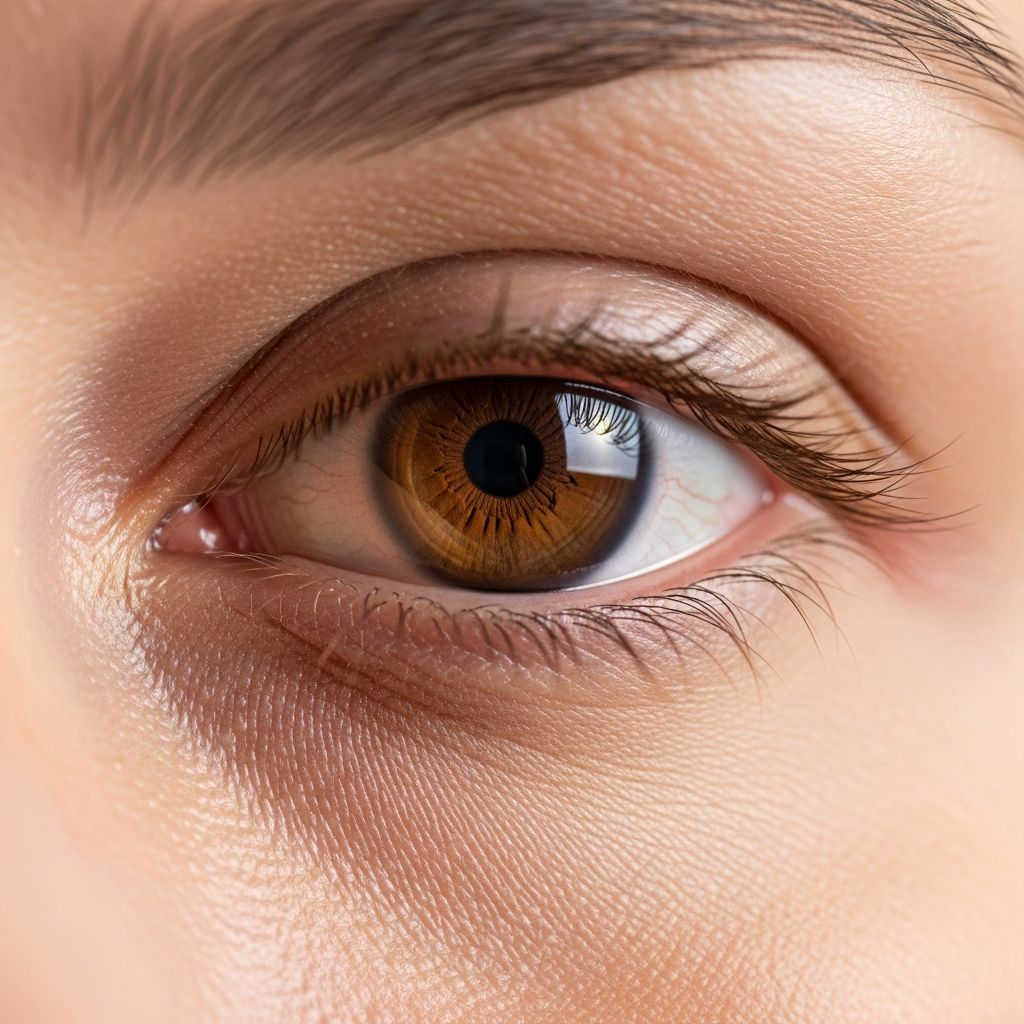
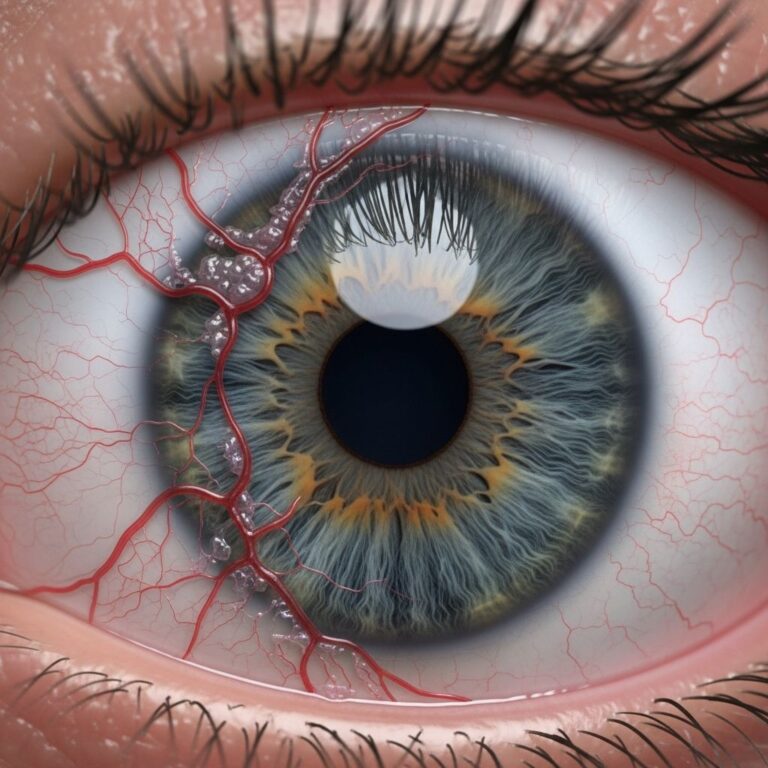
Eyelid twitching, medically known as myokymia, involves involuntary contractions of the eyelid muscles, often affecting the upper lid. This common issue typically resolves on its own but can signal underlying problems if persistent.
Understanding the Basics of Eyelid Spasms
Eyelid spasms range from mild flutters to forceful closures. Most cases involve brief episodes lasting seconds, but chronic forms disrupt vision and comfort. The orbicularis oculi muscle, responsible for blinking, drives these movements when overstimulated.
- Mild twitching: Subtle, intermittent movements.
- Severe spasms: Full closures impacting daily activities.
Both eyes may twitch simultaneously, though unilateral cases occur. Symptoms often worsen with fatigue and improve during sleep or focused tasks.
Everyday Triggers Behind Your Twitching Eyelid
Lifestyle factors frequently provoke eyelid myokymia. Identifying and addressing these can eliminate symptoms quickly.
| Trigger | Description | Prevalence |
|---|---|---|
| Fatigue | Lack of sleep disrupts nerve signals to eye muscles. | Very common |
| Stress | Anxiety heightens muscle tension. | Common |
| Caffeine Excess | Stimulates nervous system overactivity. | Frequent |
| Eye Strain | Prolonged screen time fatigues ocular muscles. | High in digital age |
Other irritants include bright lights, wind, and pollution, which dry out eyes and provoke spasms. Alcohol and nicotine exacerbate these by dehydrating tissues and irritating nerves.
Ocular Conditions Linked to Persistent Twitching
Beyond lifestyle, eye-specific issues contribute significantly. Dry eyes, a leading cause, reduce lubrication, prompting reflexive spasms.
- Blepharitis: Eyelid inflammation from clogged glands.
- Conjunctivitis: Infection causing redness and twitching.
- Uveitis: Inner eye inflammation leading to spasms.
- Corneal Abrasion: Scratches irritating surface nerves.
Environmental factors like air pollution or contact lens overuse compound these, creating a cycle of irritation.
When Twitching Points to Neurological Issues
Rarely, eyelid spasms indicate broader nervous system disorders. Benign essential blepharospasm involves bilateral forceful closures, distinct from simple myokymia.
Associated conditions include:
- Multiple sclerosis: Demyelination affects muscle control.
- Parkinson’s disease: Dopamine loss causes tremors.
- Bell’s palsy: Facial nerve damage leads to unilateral spasms.
- Hemifacial spasm: Vascular compression of facial nerve.
- Meige syndrome: Combined eyelid and mouth dystonia.
Medications for epilepsy or psychosis, such as topiramate, may trigger spasms as side effects.
Nutritional Factors and Eye Twitching
Deficiencies in key minerals influence muscle function. Magnesium shortfall disrupts contractions, potentially causing eyelid flutters.
While vitamin D, B12, and calcium shortages are speculated, evidence remains limited. Testing via bloodwork confirms imbalances, guiding supplementation.
Self-Care Strategies to Stop Eyelid Twitching
Most episodes resolve with simple adjustments. Prioritize sleep, aiming for 7-9 hours nightly to restore muscle balance.
- Reduce caffeine to under 400mg daily.
- Apply warm compresses for 10 minutes to relax muscles.
- Use artificial tears for dry eyes.
- Practice stress reduction via meditation or exercise.
- Limit screen time with 20-20-20 rule: Every 20 minutes, view 20 feet away for 20 seconds.
Related Stories



These steps address 80-90% of mild cases without medical intervention.
Professional Treatments for Chronic Cases
If self-care fails after 2-3 weeks, consult an ophthalmologist. Botulinum toxin (Botox) injections paralyze overactive muscles, providing 3-4 months relief.
For refractory blepharospasm, myectomy surgery removes targeted eyelid muscles and nerves, offering long-term resolution.
Medications like anticonvulsants provide short-term aid but vary in efficacy.
Recognizing When to Seek Urgent Care
Not all twitching warrants alarm, but red flags demand prompt evaluation.
- Twitching lasts over 2 weeks.
- Complete eyelid closure occurs.
- Facial muscles join in spasms.
- Redness, swelling, or discharge present.
- Vision changes or drooping lid noted.
These suggest potential injury or neurological involvement, risking permanent damage if ignored.
Preventing Future Episodes of Eyelid Spasms
Proactive habits minimize recurrence. Maintain hydration, balanced diet rich in magnesium (nuts, greens), and regular eye exams.
Avoid triggers: Dim screens, use humidifiers in dry environments, and manage stress through yoga or therapy.
FAQs on Eyelid Twitching
Is eyelid twitching dangerous?
Rarely; most cases are benign, but persistent spasms need checking for underlying issues.
How long does eye twitching last?
Minutes to days for mild cases; weeks signal need for care.
Does caffeine really cause twitching?
Yes, excess intake overstimulates nerves.
Can dry eyes cause eyelid spasms?
Absolutely, irritation prompts compensatory twitching.
When is Botox used for twitching?
For severe blepharospasm unresponsive to lifestyle changes.
References
- Eyelid Twitch: Causes, Treatments, and Prevention — Healthline. 2023. https://www.healthline.com/health/eyelid-twitch
- Twitching Eyelid Causes & Symptoms — UCLA Health. 2024-02-15. https://www.uclahealth.org/medical-services/ophthalmology/eye-signs-and-symptoms/twitching-eyelid
- Eye twitching Causes — Mayo Clinic. 2025-01-10. https://www.mayoclinic.org/symptoms/eye-twitching/basics/causes/sym-20050838
- Blepharospasm — National Eye Institute (NIH). 2024. https://www.nei.nih.gov/eye-health-information/eye-conditions-and-diseases/blepharospasm
- Eye Twitching — UMass Memorial Health. 2023-11-20. https://www.ummhealth.org/health-library/eye-twitching-0
- Myokymia: What It Is, Causes, Symptoms & Treatments — Cleveland Clinic. 2025. https://my.clevelandclinic.org/health/diseases/myokymia
Similar Articles








Read full bio of Sneha Tete