Burning Eyes: 11 Common Causes and Treatments
Discover the 11 most common reasons your eyes burn, from allergies to serious conditions, plus expert tips for relief and when to seek help.
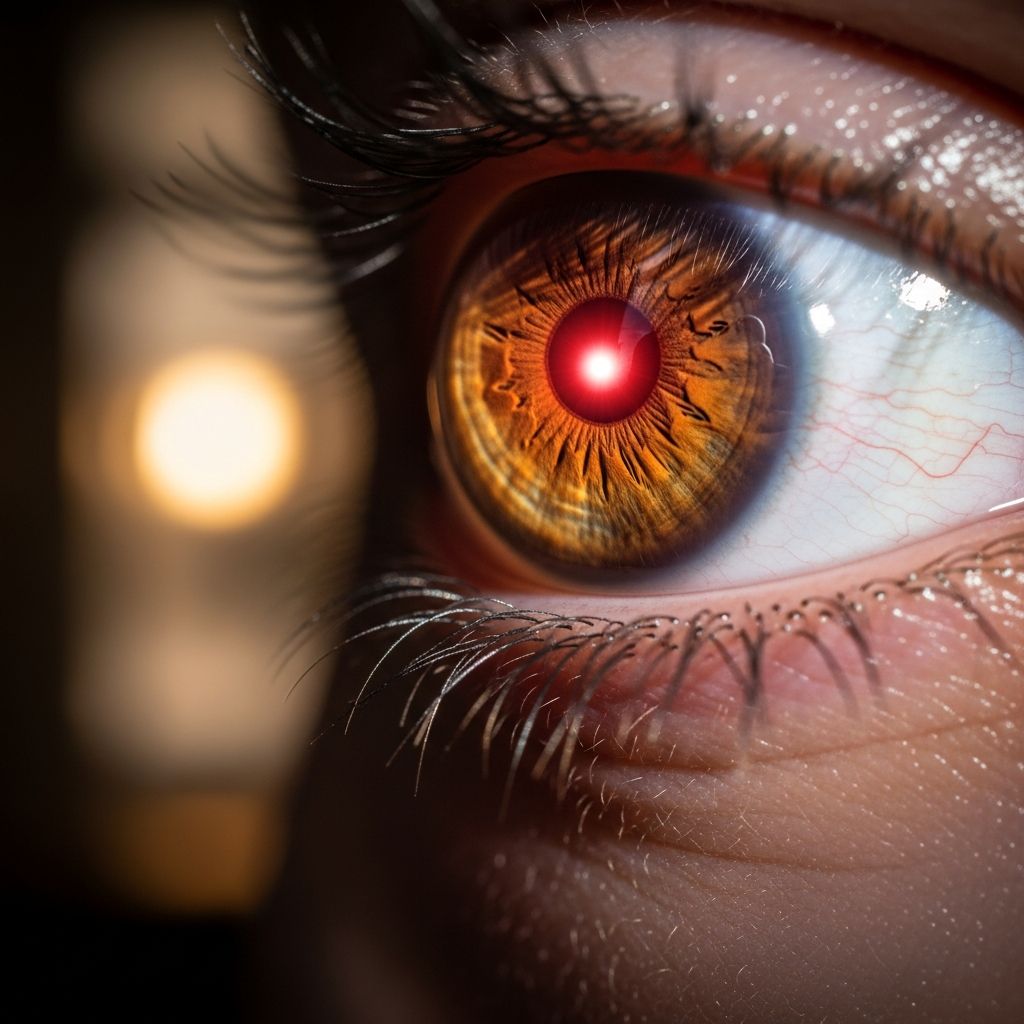
Your eyes feel like they’re on fire. The burning sensation can make it hard to focus, read, or even keep them open. While occasional eye burning might be due to something simple like dry air or fatigue, persistent discomfort warrants attention. Burning eyes affect up to 16 million Americans with chronic dry eye alone, according to the American Academy of Ophthalmology.1 Understanding the root cause is key to finding relief.
This comprehensive guide covers the 11 most common causes of burning eyes, symptoms to watch for, effective treatments, and prevention strategies. Whether it’s environmental irritants, allergies, or an underlying health issue, we’ll help you pinpoint what’s wrong and how to soothe the burn.
What Does Burning Eyes Feel Like?
Burning eyes typically feel gritty, hot, or stinging, as if sand or smoke is inside. You might experience redness, excessive tearing, light sensitivity (photophobia), blurred vision, or a foreign body sensation. The discomfort often worsens with blinking, screen time, or exposure to wind/dry air. In severe cases, it can lead to headaches or difficulty wearing contacts.
Acute burning hits suddenly and resolves quickly, while chronic burning persists for weeks. Track your symptoms: When do they start? What makes them better or worse? This info helps doctors diagnose accurately.
11 Common Causes of Burning Eyes
1. Dry Eye Syndrome
Dry eye syndrome occurs when your eyes don’t produce enough tears or tears evaporate too quickly. It’s the leading cause of burning eyes, affecting 5-50% of people worldwide.2 Risk factors include age (over 50), menopause, screen use, contact lenses, and medications like antihistamines or antidepressants.
Symptoms: Burning, stinging, grittiness, redness, fluctuating vision.
Treatment: Artificial tears (preservative-free), warm compresses, omega-3 supplements, punctal plugs. Lifestyle changes: Follow the 20-20-20 rule (every 20 minutes, look 20 feet away for 20 seconds). Avoid fans/AC vents.
2. Allergies
Seasonal or year-round allergies trigger histamine release, inflaming ocular tissues. Pollen, dust mites, pet dander, and mold are common culprits. Allergic conjunctivitis impacts 40% of the population.3
Symptoms: Itchy, burning, watery eyes; swollen lids; clear discharge.
Treatment: Antihistamine drops (e.g., olopatadine), oral antihistamines, cool compresses, allergen avoidance. Rinse eyes with saline after outdoor exposure.
3. Environmental Irritants
Smoke, pollution, chlorine, wind, and dry air strip moisture from eyes. Urban dwellers and swimmers report higher rates. Volatile organic compounds (VOCs) from cleaning products exacerbate irritation.
Symptoms: Sudden burning, tearing, redness.
Treatment: Flush with saline, use humidifiers, wear wraparound sunglasses. Improve indoor air quality with HEPA filters.
4. Blepharitis
Blepharitis is eyelid inflammation from clogged oil glands, bacteria, or Demodex mites. It causes 45% of dry eye cases.4
Symptoms: Burning, crusty lids, lash loss, greasy scales.
Treatment: Eyelid hygiene (baby shampoo scrubs), warm compresses, tea tree oil wipes, antibiotics if infected.
5. Conjunctivitis (Pink Eye)
Viral, bacterial, or allergic inflammation of the conjunctiva. Viral spreads easily in schools/offices.
Symptoms: Burning, redness, discharge (yellow/green for bacterial), light sensitivity.
Treatment: Bacterial: Antibiotic drops. Viral: Supportive care (lasts 1-2 weeks). Allergic: As above.
Related Stories



6. Contact Lens Overuse
Extended wear or poor hygiene leads to hypoxia and infections like giant papillary conjunctivitis (GPC).
Symptoms: Burning upon insertion/removal, lens intolerance, mucus.
Treatment: Discontinue use, hydrogen peroxide cleaning, switch to dailies. See an optometrist.
7. Computer Vision Syndrome (Digital Eye Strain)
Prolonged screen time reduces blink rate by 66%, causing evaporative dry eye.5 Affects 50-90% of heavy users.
Symptoms: Burning, headaches, neck pain after 2+ hours.
Treatment: Blue-light glasses, frequent breaks, screen at arm’s length, night mode.
8. Meibomian Gland Dysfunction (MGD)
MGD disrupts meibum oil in tears, leading to rapid evaporation. Common in rosacea patients.
Symptoms: Burning, foamy tears, chalazia.
Treatment: IPL therapy, LipiFlow, omega-3s, gland expression.
9. Chemical Exposure
Acids, alkalis, or fumes cause chemical burns. Even mild exposures like shampoo irritate.
Symptoms: Intense burning, pain, vision loss in severe cases.
Treatment: Immediate irrigation (20 mins), seek ER for chemicals.
10. Uveitis
Intraocular inflammation from autoimmune diseases, infections. Affects 38 per 100,000.6
Symptoms: Burning, pain, floaters, vision changes.
Treatment: Steroid drops, treat underlying cause.
11. Other Causes: Sjogren’s, Medications, Thyroid
Autoimmune Sjogren’s dries eyes/mouth. Beta-blockers, SSRIs cause dryness. Graves’ disease protrudes eyes, exposing them.
Treatment targets the systemic issue.
When to See a Doctor for Burning Eyes
Seek immediate care if: Vision loss, severe pain, discharge, light sensitivity, trauma, or symptoms >1 week. Chronic burning needs an ophthalmologist for slit-lamp exam, tear breakup time test, or fluorescein staining.
Treatments and Home Remedies for Burning Eyes
- Artificial Tears: Use 4x/day; gel drops at night.
- Warm Compresses: 10 mins twice daily.
- Lid Scrubs: Hypoallergenic wipes.
- Humidifiers: Maintain 40-60% humidity.
- OTC Drops: Avoid ‘redness relief’ (they worsen rebound).
Prevention Tips
- Blink often during screen use.
- Wear protective eyewear outdoors/swimming.
- Stay hydrated; eat omega-3 rich foods.
- Replace makeup/mascara every 3-6 months.
- Annual eye exams.
Frequently Asked Questions (FAQs)
Why do my eyes burn at night?
Dryness worsens when blinking slows during screen time or sleep. Use nighttime ointments.
Can stress cause burning eyes?
Yes, stress reduces blink rate and increases cortisol, exacerbating dry eye.
Are burning eyes contagious?
Only if from infectious conjunctivitis. Practice hygiene.
How long do burning eyes last?
Hours for irritants; weeks for infections. Persistent? See a doctor.
Can burning eyes be a stroke sign?
Rarely, but sudden vision changes warrant ER visit.
References
- Dry Eye — American Academy of Ophthalmology. 2024-01-15. https://www.aao.org/eye-health/diseases/what-is-dry-eye
- TFOS DEWS II Epidemiology Report — The Ocular Surface. 2017-10-01. https://doi.org/10.1016/j.jtos.2017.05.003
- Allergic Conjunctivitis — American Academy of Allergy, Asthma & Immunology. 2023-06-12. https://www.aaaai.org/conditions-treatments/allergies/eye-allergy
- Blepharitis — National Eye Institute (NIH). 2022-11-08. https://www.nei.nih.gov/learn-about-eye-health/eye-conditions-and-diseases/blepharitis
- Computer Vision Syndrome — American Optometric Association. 2024-03-20. https://www.aoa.org/healthy-eyes/eye-and-vision-conditions/computer-vision-syndrome
- Uveitis Epidemiology — Centers for Disease Control and Prevention. 2023-09-14. https://www.cdc.gov/visionhealth/basics/ced/fastfacts.html
Similar Articles








Read full bio of medha deb