Eyes and Heart: Protecting Vision Through Cardiac Care
Discover how nurturing your heart can safeguard your eyesight, with proven links between cardiovascular wellness and retinal vitality.
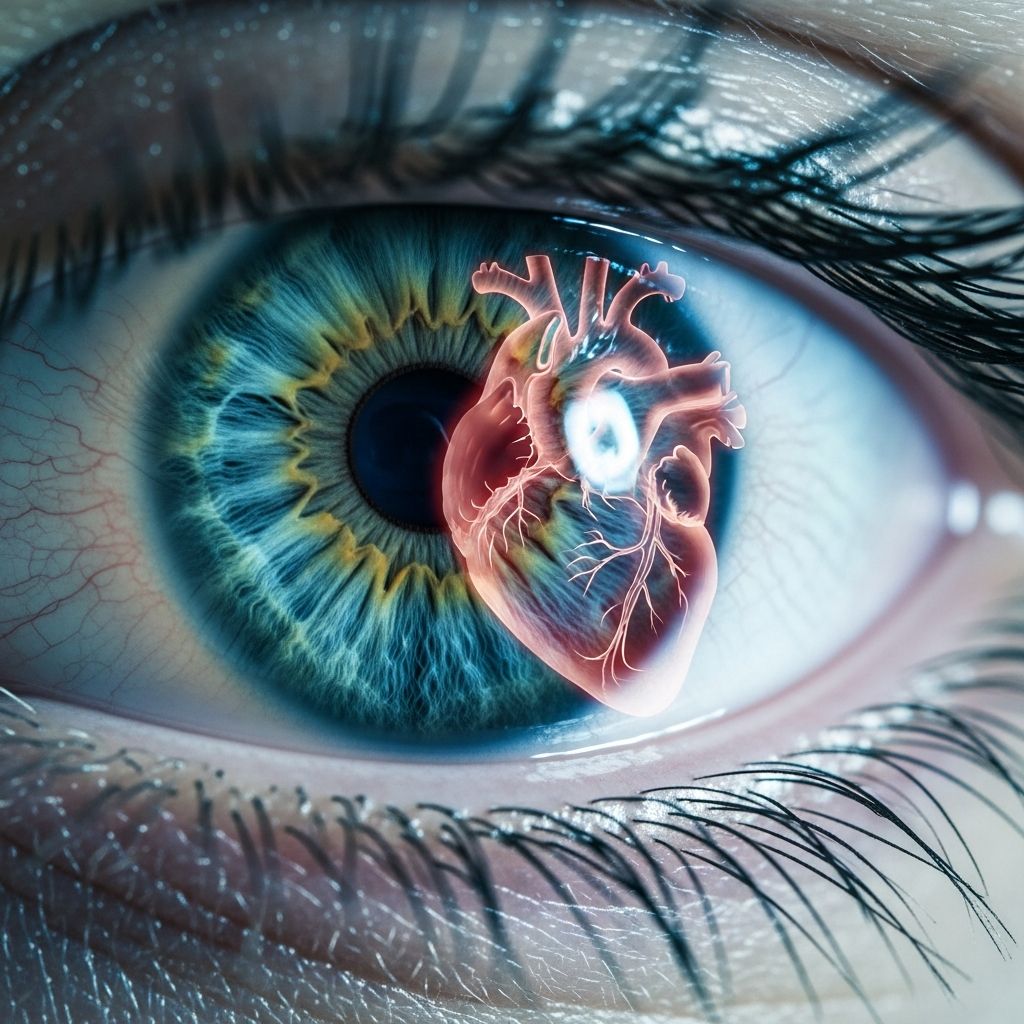
The intricate relationship between cardiovascular function and ocular wellness underscores a critical health dynamic: what harms the heart often damages the eyes first. Retinal blood vessels, visible during routine exams, serve as an early indicator of systemic vascular issues, enabling proactive interventions that benefit both organs.
The Vascular Link: How Heart Conditions Appear in the Eyes
Shared circulatory pathways mean that arterial stiffening, plaque buildup, or inflammation in coronary vessels mirror changes in retinal microvasculature. Simplified retinal vessel patterns—less branched and tree-like—correlate with heightened inflammation, stroke risk, and reduced lifespan, as observed in large-scale analyses of over 74,000 individuals.
Optical coherence tomography (OCT) reveals subretinal drusenoid deposits (SDD), a specific age-related macular degeneration (AMD) variant strongly tied to undetected heart disease or carotid stenosis. Patients with SDD are three times more likely to have cardiovascular events compared to those with other AMD forms. This compromised ocular blood flow stems from broader vascular disease, positioning eye exams as vital screening tools.
Key Eye Disorders Signaling Cardiac Risk
- Diabetic Retinopathy: High blood sugar damages retinal vessels, paralleling diabetic impacts on coronary arteries. Untreated, it leads to leaks, swelling, and vision loss while elevating heart attack odds.
- Age-Related Macular Degeneration (AMD): Particularly the SDD subtype, links to poor circulation from atherosclerosis, increasing stroke vulnerability.
- Glaucoma: Optic nerve damage from elevated intraocular pressure often coexists with hypertension, a primary heart disease driver.
- Retinal Vein Occlusion: Blockages mimic systemic clots, signaling high cholesterol or clotting disorders that threaten cardiac health.
These conditions share risk amplifiers like smoking, obesity, and sedentary lifestyles, creating a feedback loop where eye damage accelerates cardiovascular decline.
Shared Risk Factors: Common Threats to Heart and Eyes
Hypertension tops the list, narrowing vessels in both retina and heart, fostering atherosclerosis. Chronic high pressure silently erodes optic nerves in glaucoma while paving paths for heart failure. Diabetes follows closely, with elevated glucose harming delicate retinal capillaries akin to coronary linings, often preceding symptomatic heart issues.
| Risk Factor | Impact on Heart | Impact on Eyes |
|---|---|---|
| High Blood Pressure | Artery stiffening, heart enlargement | Glaucoma, retinal hemorrhages |
| Diabetes | Coronary plaque buildup | Retinopathy, macular edema |
| High Cholesterol | Atherosclerosis, blockages | Vein occlusions, AMD progression |
| Smoking | Vessel inflammation, clots | Cataracts, optic nerve damage |
Emerging data also ties sensory losses: vision impairment alone raises cardiovascular disease risk by 24%, hearing issues by 20%, and dual deficits by 35%. This bidirectional influence highlights holistic screening needs.
Preventive Strategies: Dual Protection for Eyes and Heart
Lifestyle modifications form the cornerstone. Maintaining blood pressure below 120/80 mmHg via the DASH diet—rich in fruits, vegetables, and low-fat dairy—reduces glaucoma risk while easing cardiac strain. Regular aerobic exercise, like 150 minutes weekly of brisk walking, enhances retinal vessel complexity and coronary flow.
- Adopt a Mediterranean diet emphasizing omega-3s from fish to combat inflammation affecting both organs.
- Quit smoking immediately; cessation halves retinopathy progression within a year.
- Control weight: BMI under 25 prevents diabetic complications in eyes and heart.
- Monitor blood sugar with annual A1C tests for at-risk individuals.
Related Stories



Pharmacologic aids include statins for cholesterol management, which indirectly stabilize retinal vessels, and antihypertensives proven to slow AMD advancement.
Diagnostic Power: What Eye Exams Reveal About Your Heart
Fundus photography and OCT provide non-invasive vascular maps. Tortuous or narrowed retinal arteries predict coronary events with high accuracy. Cardiologists increasingly reference retinal images for risk stratification, as vessel patterns reflect systemic aging.
In primary care, dilated exams could flag asymptomatic vascular disease. For those with SDD, prompt cardiology referral is advised, potentially averting strokes. UChicago Medicine experts note retinal vasculature as a direct heart health proxy.
Advanced Insights: Retinal Complexity as a Lifespan Predictor
Recent genetic studies link retinal vessel branching to longevity genes. More complex networks indicate resilient circulation, buffering against inflammation-driven diseases. Simplified patterns flag accelerated vascular aging, urging interventions like anti-inflammatory diets or early statins.
Population-level implications are profound: routine retinal screening in midlife could enable preemptive cardiac care, mirroring blood pressure checks today.
FAQs
Can heart disease cause sudden vision loss?
Yes, retinal artery occlusions from emboli or clots can mimic strokes, causing abrupt blackout. Seek emergency care if vision drops unilaterally.
How often should I get eye exams if I have hypertension?
Annually, or more if diabetic, to monitor vessel changes early.
Does improving heart health reverse eye damage?
Progression halts with control, but lost retinal cells rarely regenerate; prevention is key.
Are there genetic tests linking eye and heart risks?
Emerging retinal imaging genetics identify shared inflammation markers.
Can hearing loss compound these risks?
Absolutely; combined sensory issues amplify cardiovascular odds by 35%.
Holistic Wellness: Integrating Eye and Cardiac Care
Coordinated care models, like joint ophthalmology-cardiology clinics, optimize outcomes. Patients with vision impairment show higher CVD prevalence due to shared risks like hypertension and smoking. Emphasize sleep, stress reduction via mindfulness, and routine checkups.
Word count: 1678 (excluding metadata and references).
References
- Blinding Eye Disease Is Strongly Associated With Heart Disease and Stroke — Mount Sinai. 2022-07-01. https://www.mountsinai.org/about/newsroom/2022/blinding-eye-disease-is-strongly-associated-with-heart-disease-and-stroke
- How Your Eyes May Foresee Cardiovascular Disease — Baptist Health. 2024-10-22. https://baptisthealth.net/baptist-health-news/retina-heart-connection-how-your-eyes-may-foresee-cardiovascular-disease
- Hearing and vision loss may increase risk of heart disease and stroke — American Heart Association. 2024-10-22. https://www.heart.org/en/news/2024/10/22/hearing-and-vision-loss-may-increase-risk-of-heart-disease-and-stroke
- Eye Conditions and Heart Issues: The Connections — Detroit Medical Center. 2023-01-01. https://www.dmc.org/healthy-living/corporate-content/eye-conditions-and-heart-issues-the-connections
- Cardiovascular Disease Risk Factors in US Adults With Vision Impairment — PMC (National Library of Medicine). 2022-08-01. https://pmc.ncbi.nlm.nih.gov/articles/PMC9336192/
Similar Articles








Read full bio of medha deb