Ezetimibe Tablets (Ezetrol): Uses, Dosage & Side Effects Guide
Ezetimibe (Ezetrol) lowers high cholesterol by blocking intestinal absorption, used alone or with statins for heart health.
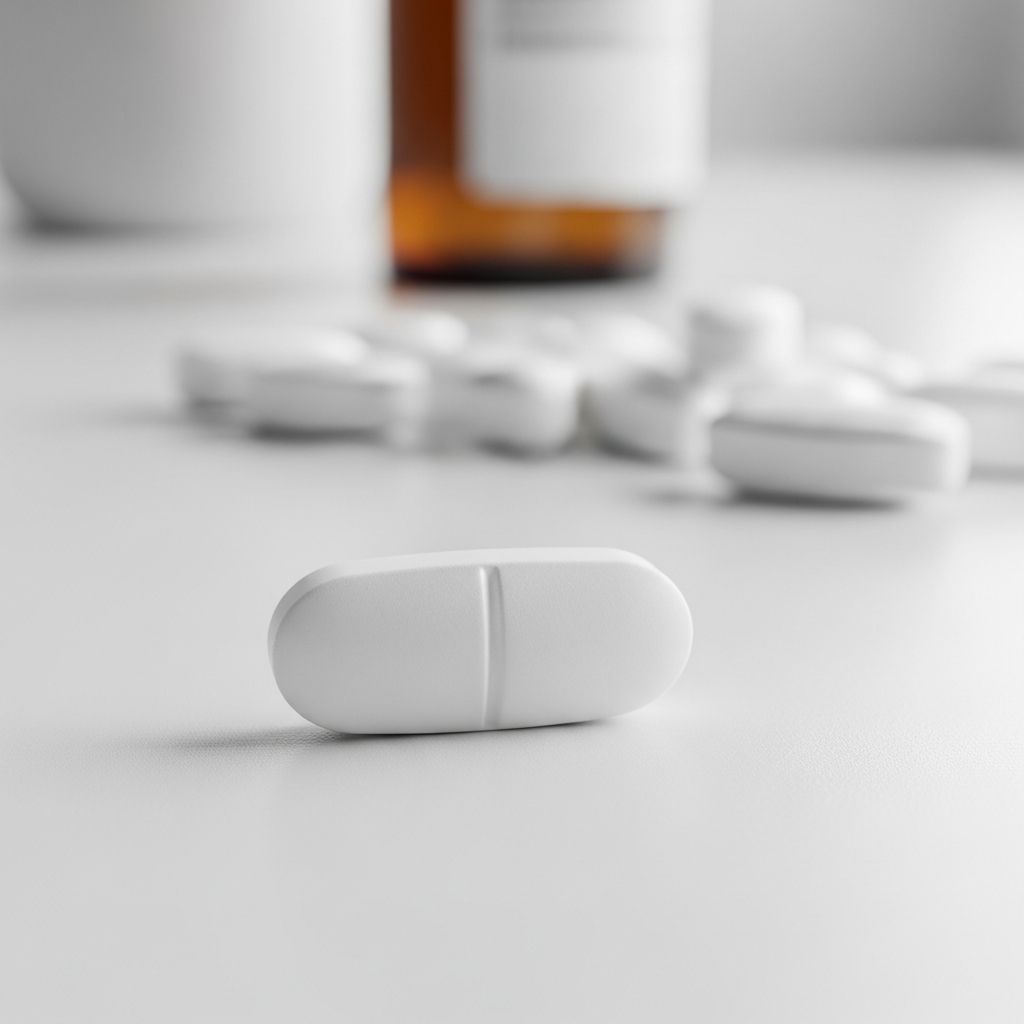
Ezetimibe, commonly known by the brand name Ezetrol, is a prescription medication designed to lower elevated cholesterol levels in the blood. It belongs to a class of drugs called cholesterol absorption inhibitors, which work by preventing the small intestine from absorbing cholesterol from food. This action reduces low-density lipoprotein cholesterol (LDL-C, or “bad” cholesterol), total cholesterol, apolipoprotein B (Apo B), and non-HDL cholesterol, while often increasing high-density lipoprotein cholesterol (HDL-C, or “good” cholesterol).
About ezetimibe tablets
Ezetimibe tablets are primarily used to manage primary hyperlipidemia, a condition characterized by high levels of fats in the blood, as well as familial hypercholesterolemia (both heterozygous and homozygous forms) and homozygous sitosterolemia (phytosterolemia), where plant sterols like sitosterol and campesterol build up. Unlike statins, which reduce cholesterol production in the liver, ezetimibe targets absorption in the gut, making it an effective add-on therapy for patients who do not achieve sufficient LDL-C reduction with diet and statins alone. Clinical studies show it lowers LDL-C by 13-20% when used as monotherapy.
The medication is typically prescribed alongside a low-fat, low-cholesterol diet. It is available as 10 mg tablets and can be taken with or without food. Ezetimibe begins to lower cholesterol levels within two weeks of starting treatment, with full effects seen over time. Brand names include Ezetrol, Zetia, and combinations like Vytorin (ezetimibe/simvastatin).
Key facts about ezetimibe tablets
- Ezetimibe is a selective inhibitor of intestinal cholesterol and phytosterol absorption.
- Usually taken once daily at 10 mg.
- Common side effects include diarrhea, abdominal pain, and fatigue.
- Suitable for long-term use, often lifelong, to manage cholesterol.
- Not a substitute for diet; best results with lifestyle changes.
- Can be used in children over 10 years with certain familial conditions.
How does ezetimibe work?
Ezetimibe specifically targets the Niemann-Pick C1-Like 1 (NPC1L1) protein, a key transporter in the brush border of small intestine enterocytes and hepatocytes. By binding to NPC1L1, ezetimibe prevents the uptake of dietary and biliary cholesterol, reducing its delivery to the liver. This leads to depleted hepatic cholesterol stores, prompting the liver to upregulate LDL receptors, which clear more LDL-C from the bloodstream. It does not affect the absorption of triglycerides, fat-soluble vitamins (A, D, E, K), or bile acids.
In essence, less cholesterol enters the blood from the intestines, forcing the liver to pull cholesterol from circulation to maintain function, thereby lowering overall blood cholesterol levels. This mechanism complements statins, which inhibit HMG-CoA reductase to reduce endogenous cholesterol synthesis.
When is ezetimibe prescribed?
Ezetimibe is indicated for adults and children (aged 10 and older for specific conditions) with:
- Primary hyperlipidemia or mixed hyperlipidemia.
- Heterozygous familial hypercholesterolemia (HeFH).
- Homozygous familial hypercholesterolemia (HoFH).
- Homozygous sitosterolemia.
It is used as adjunctive therapy to diet, alone or combined with statins (e.g., simvastatin, atorvastatin, rosuvastatin), fenofibrate, or bempedoic acid. It is particularly valuable for statin-intolerant patients or those needing additional LDL-C reduction.
Dosage
The standard dose is one 10 mg tablet once daily. It can be taken at any time, with or without food. No dosage adjustment is needed for elderly patients or those with mild liver impairment, but it is not recommended in moderate to severe liver dysfunction or unexplained persistent liver enzyme elevations.
Related Stories



| Patient Group | Recommended Dose | Notes |
|---|---|---|
| Adults | 10 mg once daily | With or without statin |
| Children ≥10 years (HeFH/HoFH) | 10 mg once daily | Monitor growth and lipids |
| Renal impairment | No adjustment | Use caution with fibrates |
| Hepatic impairment | Avoid if moderate/severe | Monitor enzymes |
Swallow the tablet whole with water. If a dose is missed, take it as soon as remembered unless close to the next dose; do not double up.
How to take ezetimibe tablets
Take exactly as prescribed by your doctor. Continue your cholesterol-lowering diet and exercise routine. Regular blood tests will monitor cholesterol levels and liver function. If switching from a statin combination, follow transition guidance to avoid gaps in therapy.
Side effects of ezetimibe tablets
Most people tolerate ezetimibe well. Common side effects (affecting more than 1 in 100) include:
- Diarrhea
- Abdominal pain
- Flatulence
- Fatigue
- Joint pain or muscle aches (especially with statins)
- Upper respiratory infections.
Serious side effects are rare but include severe allergic reactions (rash, swelling, anaphylaxis), liver problems (jaundice, dark urine), muscle breakdown (rhabdomyolysis, more with statins), and gallstones. Seek immediate medical help for chest pain, unexplained muscle pain/weakness, or yellowing skin.
When combined with statins, monitor for myopathy. Side effects often resolve; discuss with your doctor if persistent.
Who can and cannot take ezetimibe tablets
Can take: Most adults and children over 10 with appropriate conditions.
Cannot take:
- Active liver disease or unexplained high liver enzymes.
- Pregnant or breastfeeding women (limited data; potential fetal risk).
- Hypersensitivity to ezetimibe.
Pregnancy and breastfeeding
Avoid during pregnancy due to potential harm to the fetus (animal studies show adverse effects). Use effective contraception. Not recommended while breastfeeding as it passes into milk.
Common questions about ezetimibe tablets
Is ezetimibe safe with statins?
Yes, it is commonly combined with statins for enhanced LDL-C reduction. Monitor for muscle-related side effects.
How long does it take to work?
Cholesterol levels typically drop within 2 weeks.
Does it cause weight gain?
No, weight gain is not a reported side effect.
Can I stop taking it suddenly?
No, cholesterol may rise; consult your doctor for tapering if needed.
Does it interact with alcohol?
Moderate alcohol is usually fine, but excess may strain the liver.
Cautions
Monitor liver function before and during treatment, especially with statins. Use caution with fibrates (increased cholelithiasis risk) or cyclosporine (increased ezetimibe levels). Inform your doctor of all medications.
Interactions
- Statins: Increased risk of myopathy; benefits outweigh risks.
- Bile acid sequestrants: Take ezetimibe 2 hours before or 4 hours after.
- Fibrates: Possible gallbladder issues.
- Cyclosporine, warfarin: Monitor levels.
Alternatives to ezetimibe
| Drug Class | Examples | Mechanism |
|---|---|---|
| Statins | Atorvastatin, Rosuvastatin | Inhibit liver cholesterol synthesis |
| PCSK9 inhibitors | Evolocumab | Increase LDL receptor recycling |
| Bile acid sequestrants | Colesevelam | Bind bile acids in gut |
| Bempedoic acid | Nexletol | Blocks cholesterol synthesis activation |
Lifestyle remains foundational: diet, exercise, weight management.
Frequently Asked Questions (FAQs)
Why do I need ezetimibe if I already take a statin?
It provides additive LDL-C lowering (up to 25% further reduction) for better cardiovascular risk management.
Can ezetimibe cause diabetes?
No direct link, unlike some statins. Monitor blood sugar if at risk.
Is ezetimibe better than statins?
Statins are first-line; ezetimibe is adjunctive or for statin intolerance.
What if I forget a dose?
Take it soon if remembered; skip if almost time for next. Do not double.
Does it affect the liver?
Rarely elevates enzymes; routine monitoring advised.
References
- Ezetimibe: Uses, Interactions, Mechanism of Action — DrugBank Online. 2023. https://go.drugbank.com/drugs/DB00973
- Ezetrol 10mg Tablets – Patient Information Leaflet — medicines.org.uk. 2023-10-01. https://www.medicines.org.uk/emc/product/6792/pil
- Ezetimibe (oral route) – Description — Mayo Clinic. 2024. https://www.mayoclinic.org/drugs-supplements/ezetimibe-oral-route/description/drg-20067172
- Ezetimibe – StatPearls — NCBI Bookshelf / NIH. 2023-08-14. https://www.ncbi.nlm.nih.gov/books/NBK532879/
- About ezetimibe – NHS — NHS.uk. 2024. https://www.nhs.uk/medicines/ezetimibe/about-ezetimibe/
- Ezetimibe Tablets — Cleveland Clinic. 2023. https://my.clevelandclinic.org/health/treatments/ezetimibe-tablets
- How does ezetimibe work? — HEART UK. 2023. https://www.heartuk.org.uk/getting-treatment/ezetimibe
Similar Articles








Read full bio of medha deb